




A 2026 Guide by Sellingantiques
They served as essential household items during the Ming and Qing periods.
Most surviving antique Chinese chests come from the nineteenth century, built for families needing secure storage for winter clothing.
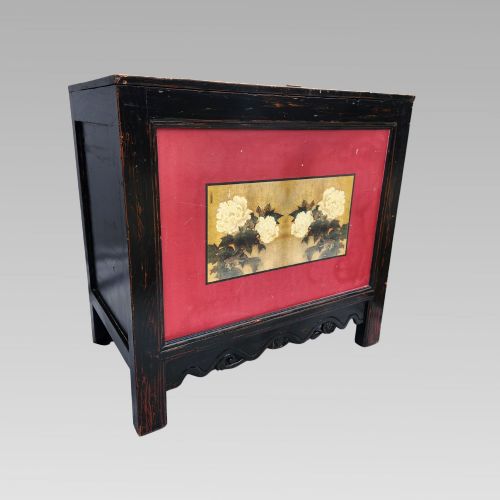
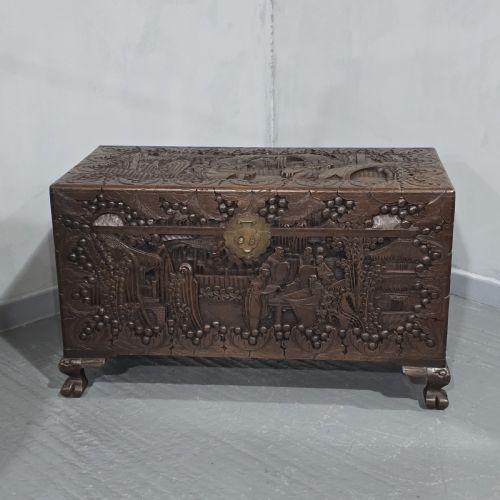
Look at the shape. Tapered cabinets often held scholars' scrolls, while low rectangular boxes stored folded garments.
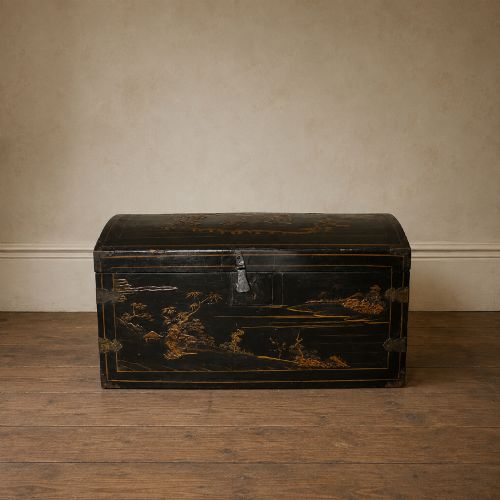
Travelling merchants relied on robust leather-bound wooden trunks to withstand rough carts and humid river journeys across provinces.
Individual craftsmen rarely signed their work. The trade relied on family workshops operating in specific provincial centres.
Shanxi province produced heavily lacquered elm pieces. Guilds here controlled the local supply of raw timber and brass.
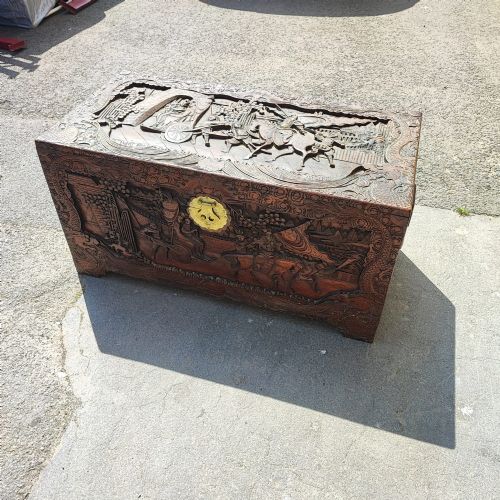
Canton export wares turn up often. Workshops in this port city adapted traditional forms for Western sea captains wanting camphor trunks.
The 2026 retail price guide for Antique Chinese Chests is drawn from a proprietary archive of over 1.1 million retail prices indexed by Sellingantiques since 2003. This guide relies exclusively on their own internal data; no external sources or auction records are used.
Analysing nearly 25 years of UK antique market history alongside current retail values, the data indicates that typical UK retail prices for Antique Chinese Chests range between £500 and £2,700. Entry-level prices generally fall under £500 and premium examples upwards of £2,700.
Flat tops feature on most domestic storage boxes. This allowed owners to stack them during the humid summer months.
Circular lock plates stand out. Two metal loops meet in the middle to take a traditional padlock.
Check inside. Many have a small hidden compartment or floating tray on one side for jewellery and silver ingots.
Early examples rely on thick wood and simple dovetails. Over time, joinery became more refined to hide the end grain.
Lacquer applications grew thicker during the late Qing dynasty. Craftsmen layered sap and crushed bone to create a hard shell.
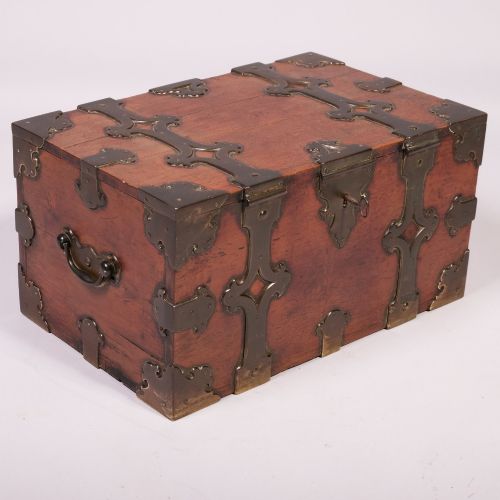
Export demands shifted construction habits. Coastal workshops began adding carrying handles and brass studs to mimic European sea chests.
"Natural camphor repels insects. The scent remains active for centuries and freshens up with a light sanding."
"Makers often mixed pig's blood with early lacquer. This gave the finish a durable seal against high humidity."
"Some large antique Chinese chests break down into separate flat panels. Wooden pegs pull out so the heavy boards pack flat for rough travel."
Based on almost 25 years of Sellingantiques UK antique market data, Antique Chinese Chests appeared 509 times (out of 1,100,000 antiques) which gives it a rarity score of 90/100.
This score measures scarcity within the Sellingantiques archive only and is not a survey of the entire antiques market, so these statistics may not be indicative of the general availability of Antique Chinese Chests elsewhere.
They are substantial. A standard nineteenth-century example needs two people to lift it comfortably.
Thick brass locks and heavy corner plates add significant weight to the dense timber.
You can apply a tiny drop of light machine oil to the hinge pins. Work the metal back and forth gently to loosen the built-up dirt.
Never spray aerosol lubricants directly onto the metal plate. The oil runs down the front and stains the wood. Wipe away any excess immediately with a dry cloth.
A dry microfibre cloth handles the dust. Keep wet rags away from the surface.
If the finish looks dull, a thin coat of clear microcrystalline wax works well. Apply it sparingly and buff it off. Avoid commercial furniture polishes. They leave a sticky residue that traps dirt.
Line the base with unbleached cotton sheets before you put anything inside. This creates a barrier between the bare timber and your fabrics.
Old wood absorbs centuries of incense, smoke and humidity. If the interior smells stale, leave the lid open on a dry day to let the air circulate.
Avoid placing mothballs inside. The strong chemicals react badly with remaining lacquer and leave a permanent odour.
Please note: This Antique Chinese Chests guide and its associated pricing data are provided for general informational purposes only. It does not constitute formal financial, investment, or appraisal advice and should not be relied upon as the sole basis for any commercial activity, purchasing, or sales decisions. Sellingantiques.co.uk accepts no liability for any actions taken in reliance on this information. Always consult with a qualified professional or independent appraiser.
