



Antique Steamer Trunks
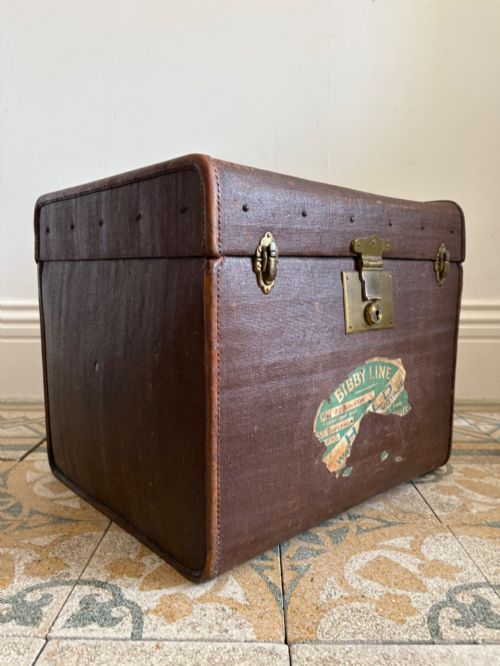
A large lidded travelling box on a wooden carcass, covered in canvas or leather and bound with metal, built for a ship's cabin or hold rather than for carrying by hand.
Antique Steamer Trunks
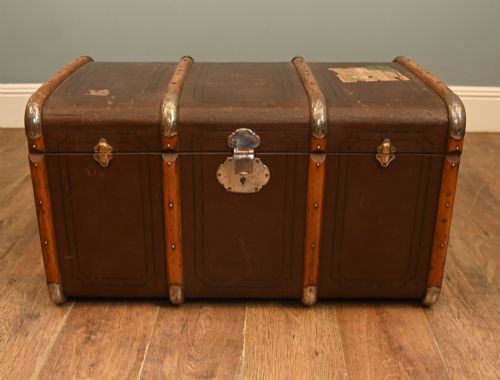
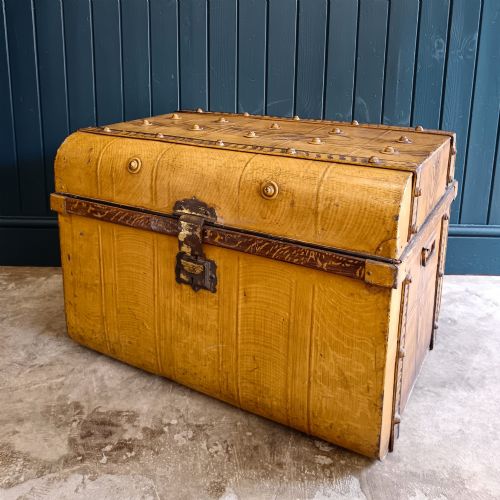
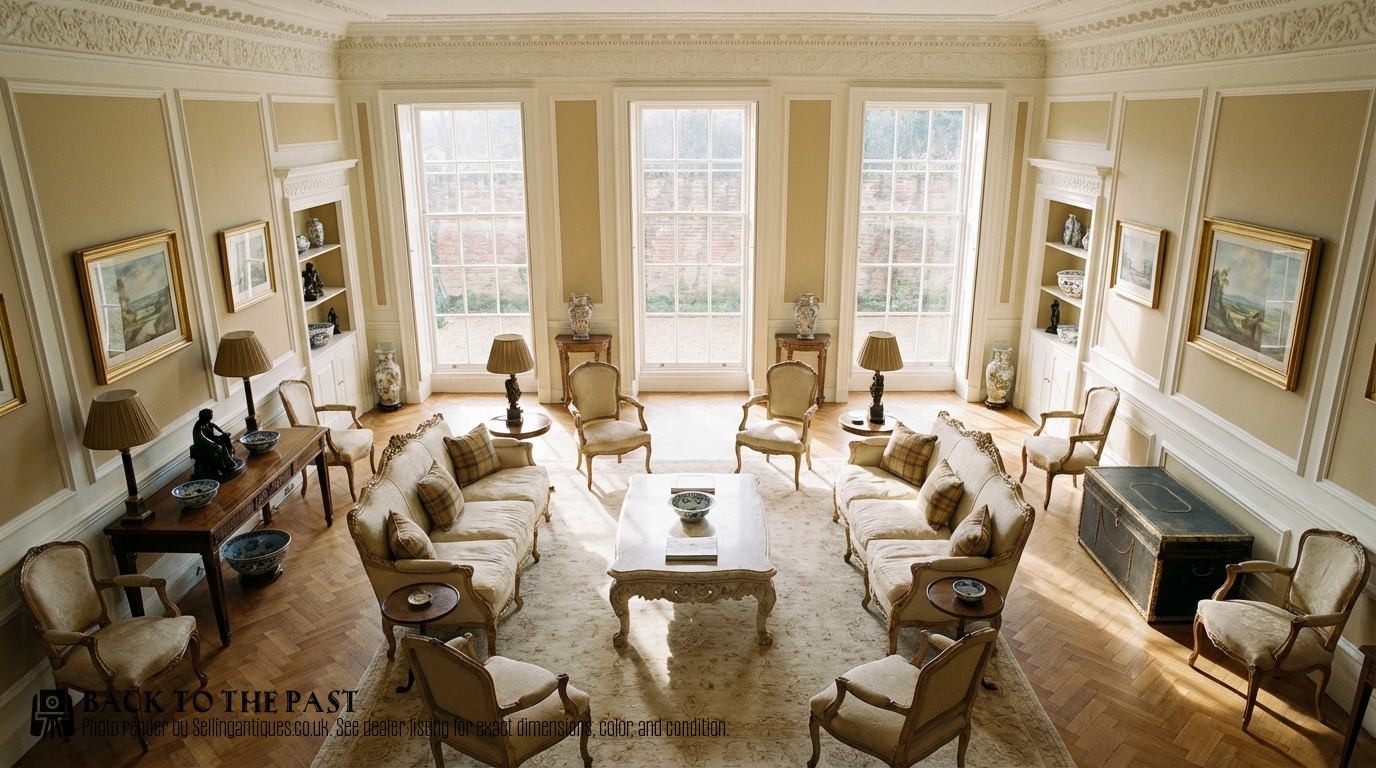
Purpose-built trunks became standard baggage for long sea and rail journeys through the nineteenth century, and took their name from the steamships whose cabins and holds they were sized for. Flat tops stacked in the hold. Dome tops did not, which is why the curved lid reads as the older shape.
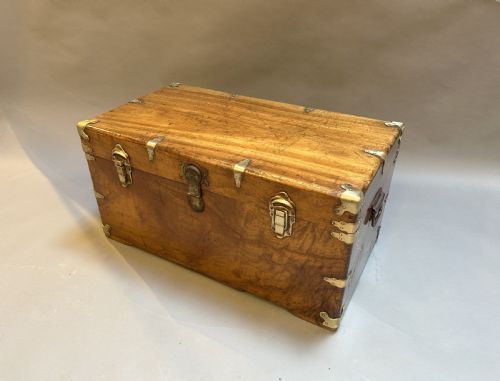
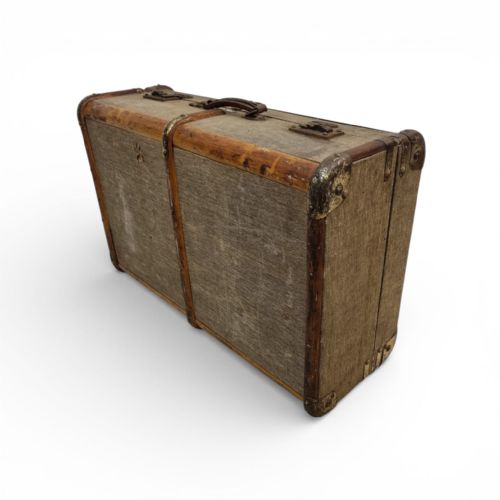
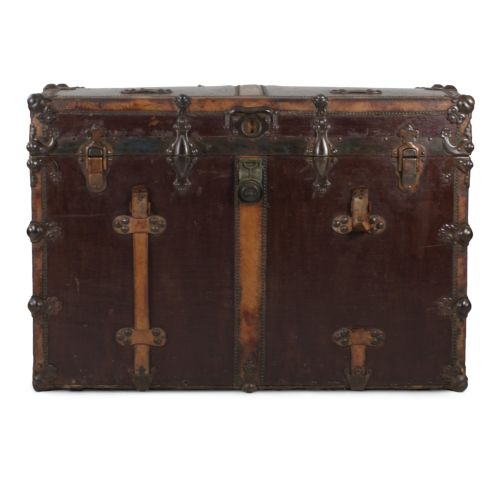
The form you'll meet most often on Sellingantiques is a rectangular trunk with a pine, oak, cedar or camphorwood carcass, covered in canvas or leather and strapped with iron or brass ribs. Canvas and leather each appear in around twenty titles, and "bound" in a further thirteen. Titles pairing "steamer trunk" with "travel chest" are the commonest single phrasing.
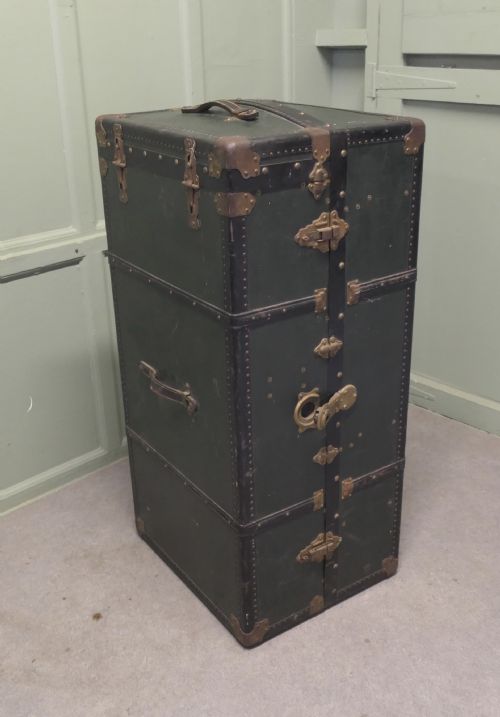
Under the same heading sit two smaller groups. Upright wardrobe or cabin trunks, which stand on end and open to a hanging rail and drawers, run to about a tenth of the listings, often described as fitted or as a portmanteau. Plain painted, scrumbled and metal-covered utility trunks form a smaller but steady presence, aluminium among them, though aluminium turns up only twice.
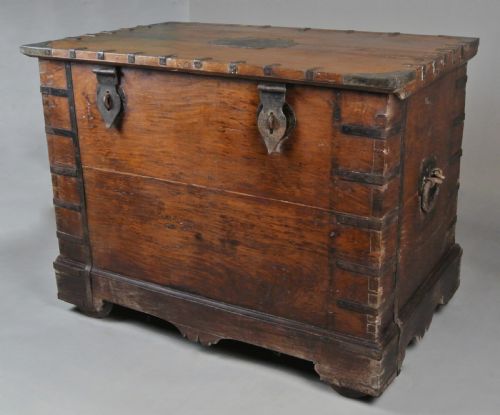
The heading is used broadly. Sea chests, shipwrights' chests, mail trunks, railway and carriage trunks, campaign trunks and a dowry chest are all filed here. Of 125 listings, 65 carry a clean year and those run 1860 to 1930, with the 1920s the largest dated group; "19th Century" and "Victorian" cover another forty-five and tell you only the broad half-century.
Where The Range Splits
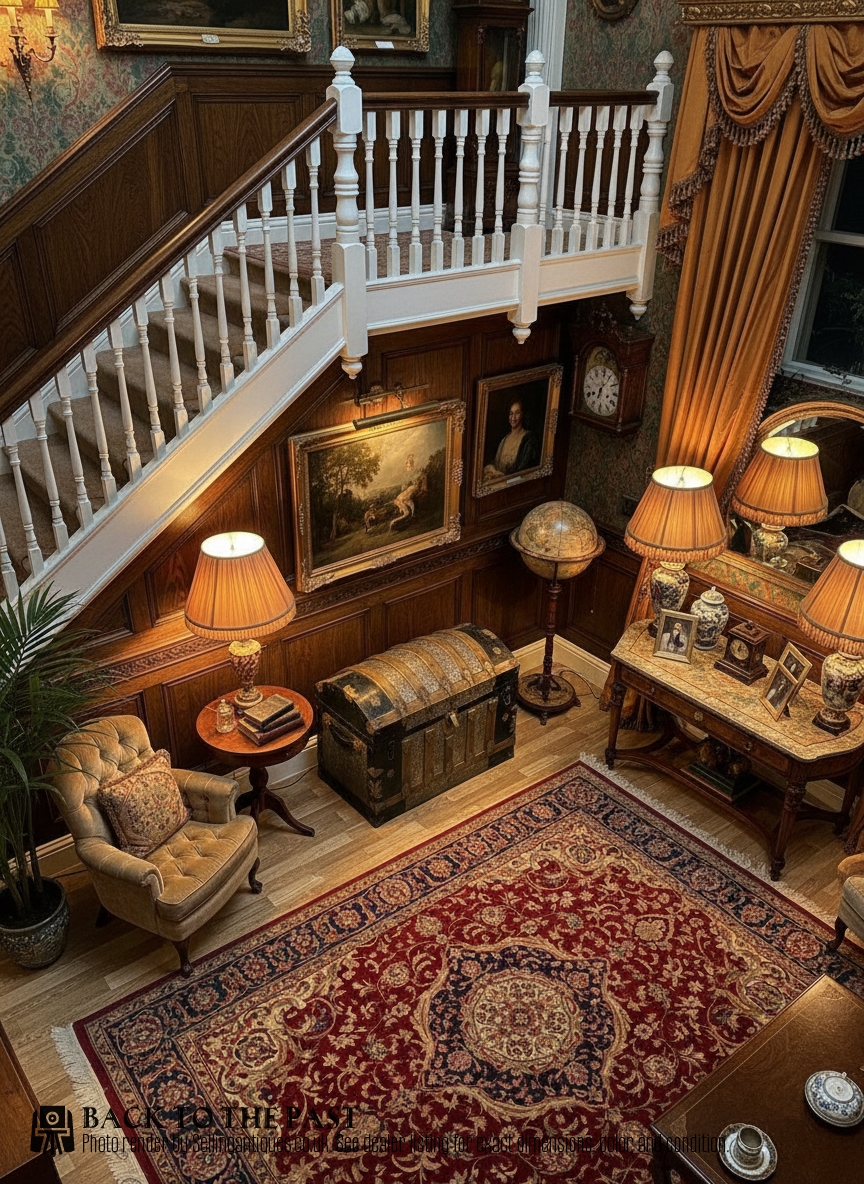
The top of the range is settled by a name. A handful of listings carry a Paris or New York luggage house, and those few occupy the whole upper end, well clear of the body of the archive. Everything else competes on material, size and what survives inside.
Below the named trunks, materials do the sorting. Plain canvas over softwood sits at the bottom; leather covering, brass or iron binding, and oak, cedar or camphorwood carcasses cluster higher. Scale pulls the same way: "large" appears in nineteen titles and concentrates in the upper half, while a miniature example sits near the bottom.
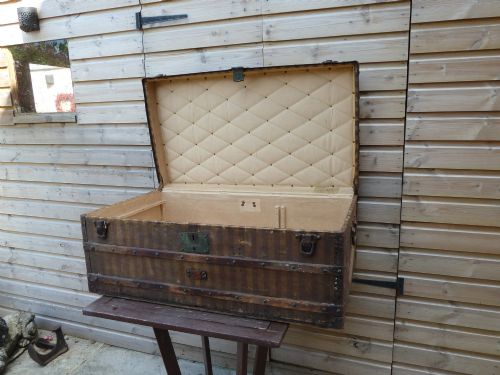
Interiors matter as much as coverings. A trunk that still has its trays, drawers or hanging rail is called out as fitted in ten titles, and those group in the upper half. Documented association does similar work, with trunks naming a consulate, a shipping line, a school or a regiment placed above comparable plain examples.
Antique Steamer Trunks Retail Price Guide 2026
Typical UK retail prices for steamer trunks, calculated from the Sellingantiques database of over a million retail prices indexed since 2003. This retail price guide relies exclusively on Sellingantiques data; no external sources or auction records are used, so the figures do not describe the wider market.
The most expensive steamer trunk ever sold on Sellingantiques was a rare early 20th century wardrobe trunk by a Paris luggage house, in February 2026.
The Antique Steamer Trunks Glossary
- Bound
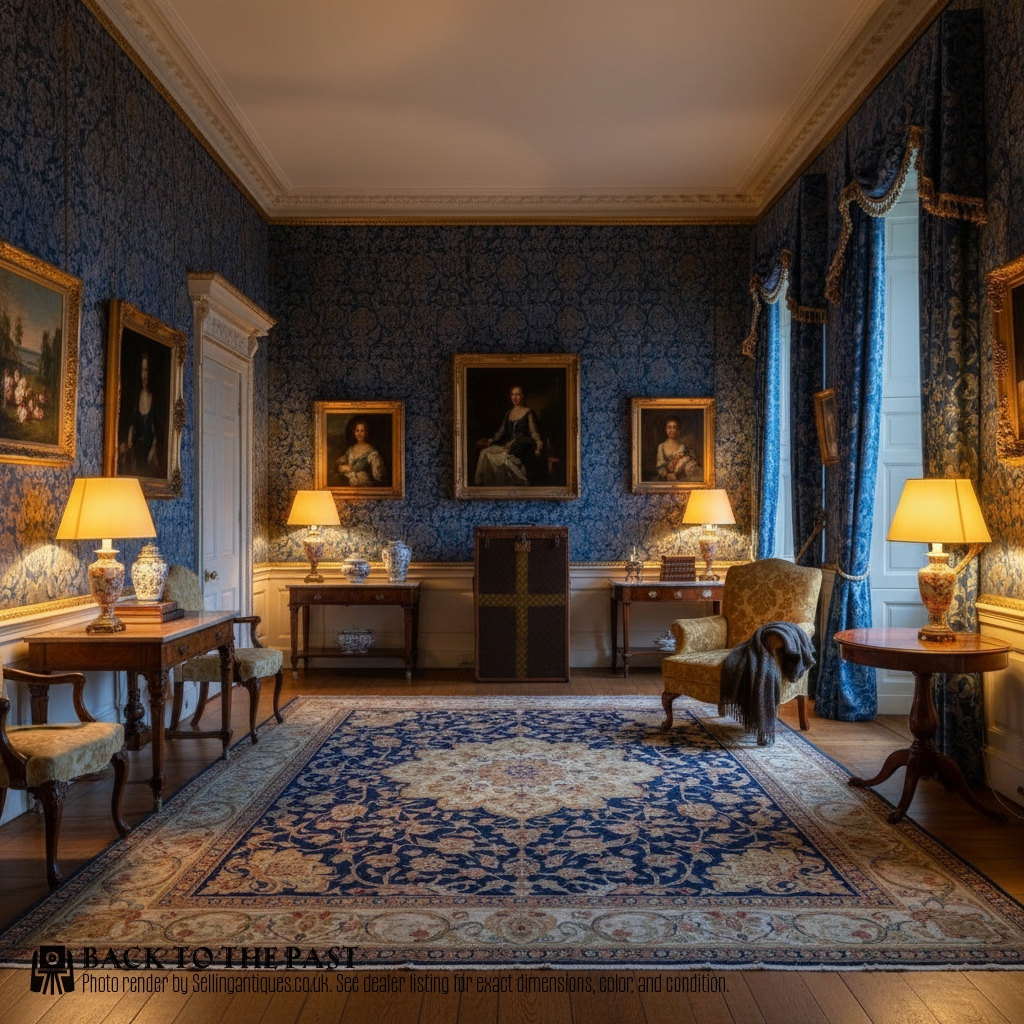
- Strapped with metal or timber ribs over the covering. Titles use brass bound, iron bound, metal bound and wooden bound, and the strapping is structural as well as decorative.
- Dome top
- A curved lid, which meant the trunk could not be stacked in a hold. It appears in several titles and tends to signal the earlier end of the range.
- Wardrobe trunk
- An upright trunk that opens on its long edge to a hanging rail and drawers. Around thirteen titles use the term, sometimes alongside cabin or portmanteau.
- Fitted interior
- Surviving internal trays, drawers or hangers, called out in ten titles. The fittings were the first things to be pulled out and lost.
- Camphorwood
- Aromatic timber used where clothing had to be stored against moth. Named in several titles, usually as the carcass rather than a covering.
- Scrumbled
- Painted graining that imitates timber, found on painted metal and painted wooden trunks in this archive, including a faux-wood metal example.
Antique Steamer Trunks: Frequently Asked Questions
How many come up for sale each year?
About fourteen a year reach Sellingantiques, and 52 different dealers have listed one. That spread tells you it's a category most general dealers touch occasionally rather than one a few specialists control.
The supply is steady rather than plentiful, and it arrives from all over the trade.
What period do most of them date from?
Of 125 listings, 65 carry a clean year and those run from 1860 to 1930. The 1920s is the largest single dated group at 27.
The rest are given period words instead. "19th Century" accounts for 27 and "Victorian" for 18, so a large part of the archive is placed only within a broad half-century. Edwardian entries overlap the 1900s and 1910s dates.
Why are sea chests listed under this heading?
The heading is used broadly across the archive. Sea chests, ship's chests, shipwrights' chests, mail trunks, railway and carriage trunks and campaign trunks all appear under it, and the word "chest" turns up in a quarter or so of titles.
The common thread is a large lidded box built to travel. What dominates is the canvas- or leather-covered wooden trunk with metal binding.
Are these trunks all English?
No. Origins named in titles reach well beyond England, with American, Scottish, French, Spanish, Portuguese, Indian, African and Chilean examples all present.
Most of those appear just once. The named French and American luggage houses are the exception in another sense: a few listings only, but they hold the entire top of the range.
What does a wardrobe trunk actually do?
It stands on end and opens like a cupboard, on its long edge, to a hanging rail and a bank of small drawers. Clothes travelled hung rather than folded.
About a tenth of the listings are this upright form, often titled cabin wardrobe or portmanteau. It belongs mainly to the later era of liner travel, while flat-topped trunks were made to stack in the hold.
How wide is the size range?
Unusually wide for one category name. The word "large" appears in nineteen titles, and those examples cluster in the upper half of the range.
At the other end there's a single miniature, sitting near the bottom. Between them the sizes run from cabin-fitted to hold-sized.