



Antique Kists
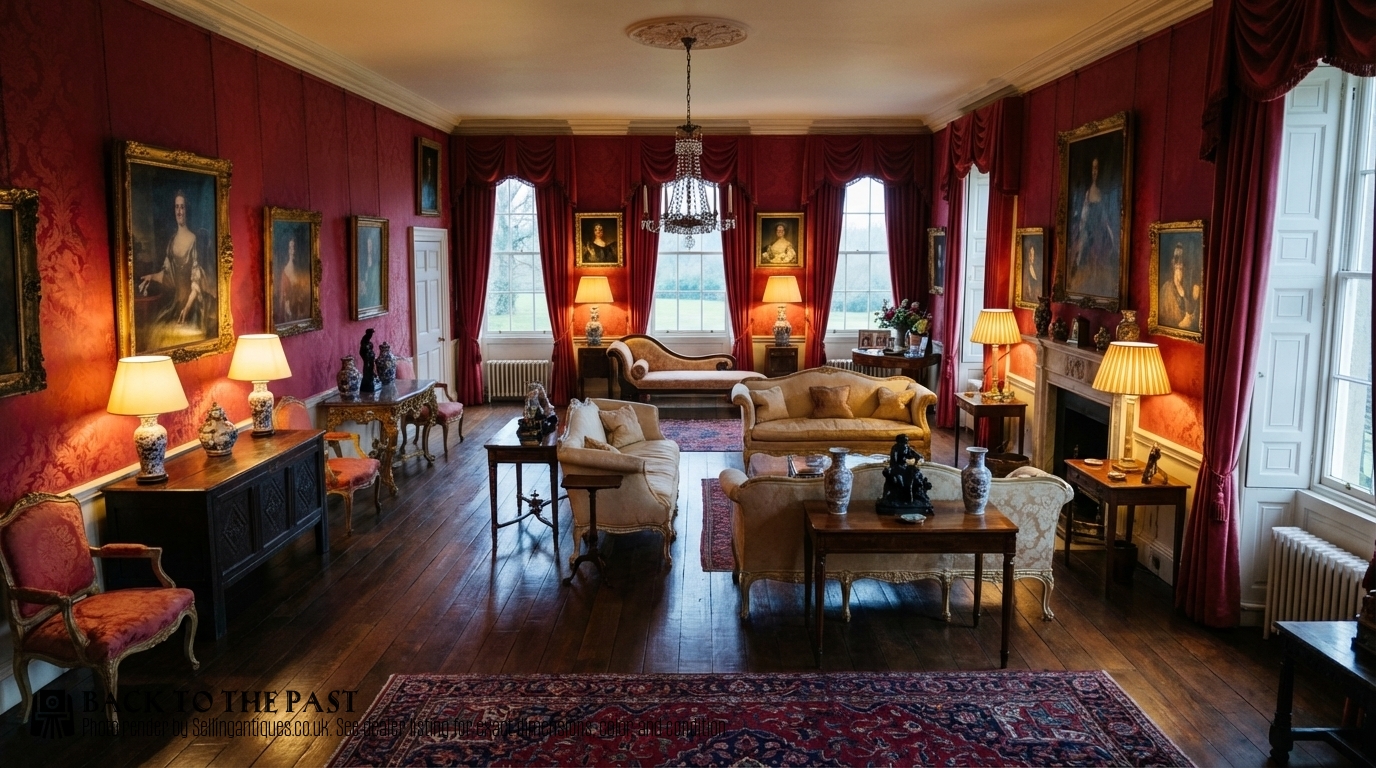
A kist is the Scots and northern English name for a lidded storage chest, made for linen, clothing and household goods, and doubling as a seat and a travelling box.
Antique Kists
Kist and coffer mean the same thing on Sellingantiques. Of 38 recorded listings, 18 titles say coffer and several print both words at once, as in "Coffer/Kist" or "Chest or Kist", so searching one term misses half the category.
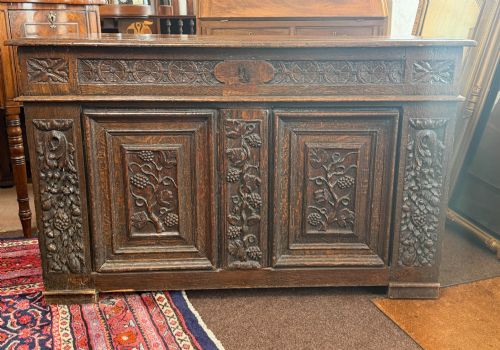
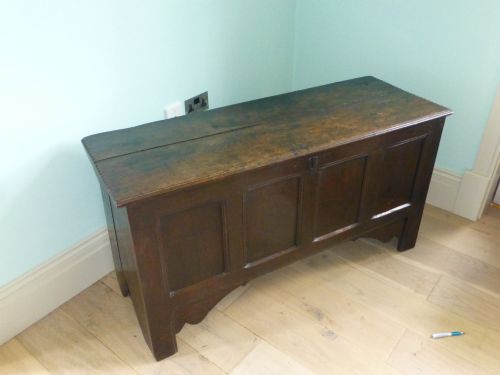
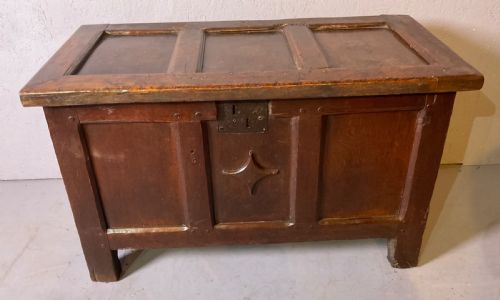
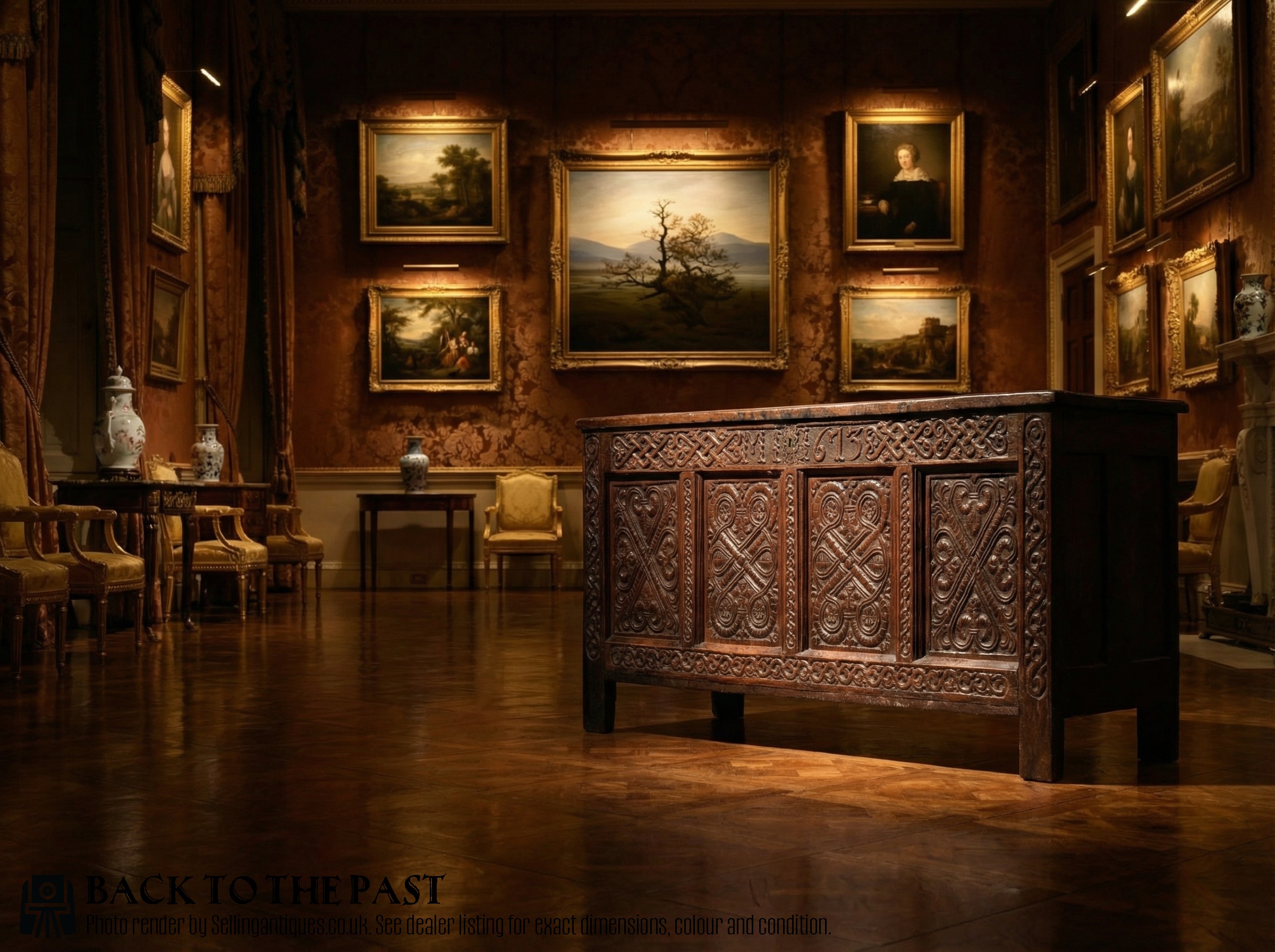
The form you'll meet most often is a carved or panelled oak coffer given a 17th-century date. Oak appears in 29 of the 38 titles, and the dealers' own dating puts 15 listings in the 17th century, more than every other period combined. Panelled and carved oak was the standard domestic chest in Britain for centuries, until the chest of drawers took over most household storage.
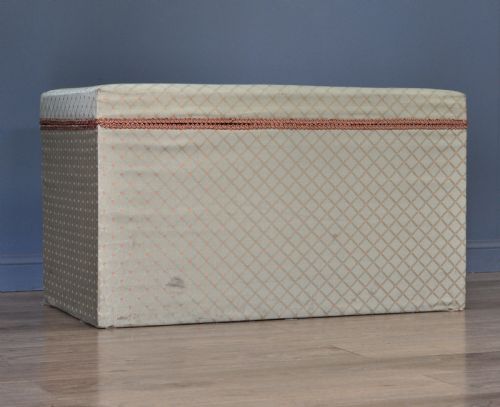
Around the edges of that come 18th-century oak kists, four plainer pine examples described as blanket boxes or storage trunks, four mule chests with drawers built into the base, and a pair of one-offs: a leather-covered Scottish kist and a camphor wood trunk. Sizes are given loosely in titles, small or large, rather than in figures.
Treat a 17th-century label as the dealer's period judgement rather than a documented date. Only seven of the 38 listings commit to a clean year, and where a title gives one it's usually a circa. Several say "C17th & Later" or attach the word "style", so an early label can cover later work or later alteration. The full span runs from 1580 to a 1930s light oak lid box.
The Range
Timber sets the floor and the ceiling. Every pine title sits at the bottom of the range, while oak accounts for the whole of the upper half. The two odd bodies, leather-covered and camphor wood, stand apart from both.
Above timber, decoration does the work. Titles carrying heavily carved, carved and inlaid, arcaded, marquetry panelled or Nonsuch cluster in the top third; a plain "lid box" sits at the foot. Claimed date pulls the same way, with the 16th- and early 17th-century pieces above the midpoint and the Victorian, 1920s and 1930s examples below it. The single highest piece is the 1580 Nonsuch chest, inlaid with architectural marquetry and the only one of its kind in the archive.
Specificity is the third lever. Titles naming Yorkshire, Welsh, Lakeland or Scottish work, or using the word "Dated", sit high against a generic oak coffer. Hedged wording runs the other way: "& Later" or "style" attached to a period name puts a chest well below the fully attributed early ones.
Antique Kists Retail Price Guide 2026
Typical UK retail prices for kists, calculated from the Sellingantiques database of over a million retail prices indexed since 2003. This retail price guide relies exclusively on Sellingantiques data; no external sources or auction records are used, so the figures do not describe the wider market.
Regional names turn up rarely in the archive: Yorkshire twice, Welsh twice, Scottish twice and Lakeland once.
The Antique Kists Glossary
- Coffer
- A lidded box chest, usually panelled or boarded oak. The word turns up in nearly half the titles and is used interchangeably with kist.
- Mule chest
- A coffer with one or more drawers built into the base. Four titles use it, spread from the 17th century through Queen Anne to George III.
- Blanket box
- Title language for a plainer chest sold for household storage, attached here to the pine examples.
- Panelled
- Framed construction with panels set into stiles and rails, rather than plank-built.
- Nonsuch chest
- An inlaid chest decorated with architectural marquetry buildings. One appears in the whole archive, dated 1580.
- Candle box
- A small lidded compartment inside the chest at one end, named in a single title.
Antique Kists: Frequently Asked Questions
Is a kist the same as a coffer?
On Sellingantiques the two words are used for the same object. Of 38 recorded listings, 18 titles say coffer, and several print both terms together: "Coffer/Kist", "Chest or Kist", "Coffer Kist Jacobean".
Kist is simply the Scots and northern English name for a lidded storage chest. A search on one word alone will skip a good part of the category.
What wood are they usually made from?
Oak dominates, appearing in 29 of 38 titles, panelled or carved.
The rest are pine, described as kists, blanket boxes or storage trunks. Beyond those two timbers the archive names one leather-covered Scottish kist and one Victorian camphor wood trunk.
How old are most of these chests?
The dealers' own dating puts 15 listings in the 17th century, then five in the 18th, four in the 19th and three Victorian. The full span runs 1580 to 1930.
Only seven of the 38 give a clean year, and titles that do usually say circa: c.1630, circa 1640, C.1665, c1740. Century labels here are period judgements rather than documented dates.
What is a mule chest?
A coffer with one or more drawers built into the base, giving storage you can reach without lifting the lid.
Four titles in the archive use the term, dated from the 17th century through Queen Anne to George III.
Are pine kists different from the oak ones?
They sit at a different end of the category. All four pine titles fall at the bottom of the range, described as blanket boxes, storage trunks or toy boxes, and two are Victorian.
Oak, by contrast, accounts for every listing in the upper half.
Were kists still being made in the 20th century?
Yes. The latest pieces recorded are a 1930s light oak lid box and a 1920s Jacobean-style kist, both revival work.
Both sit at the foot of the range, alongside titles that hedge a period claim with "style" or "& Later".