


A 2026 Guide by Sellingantiques
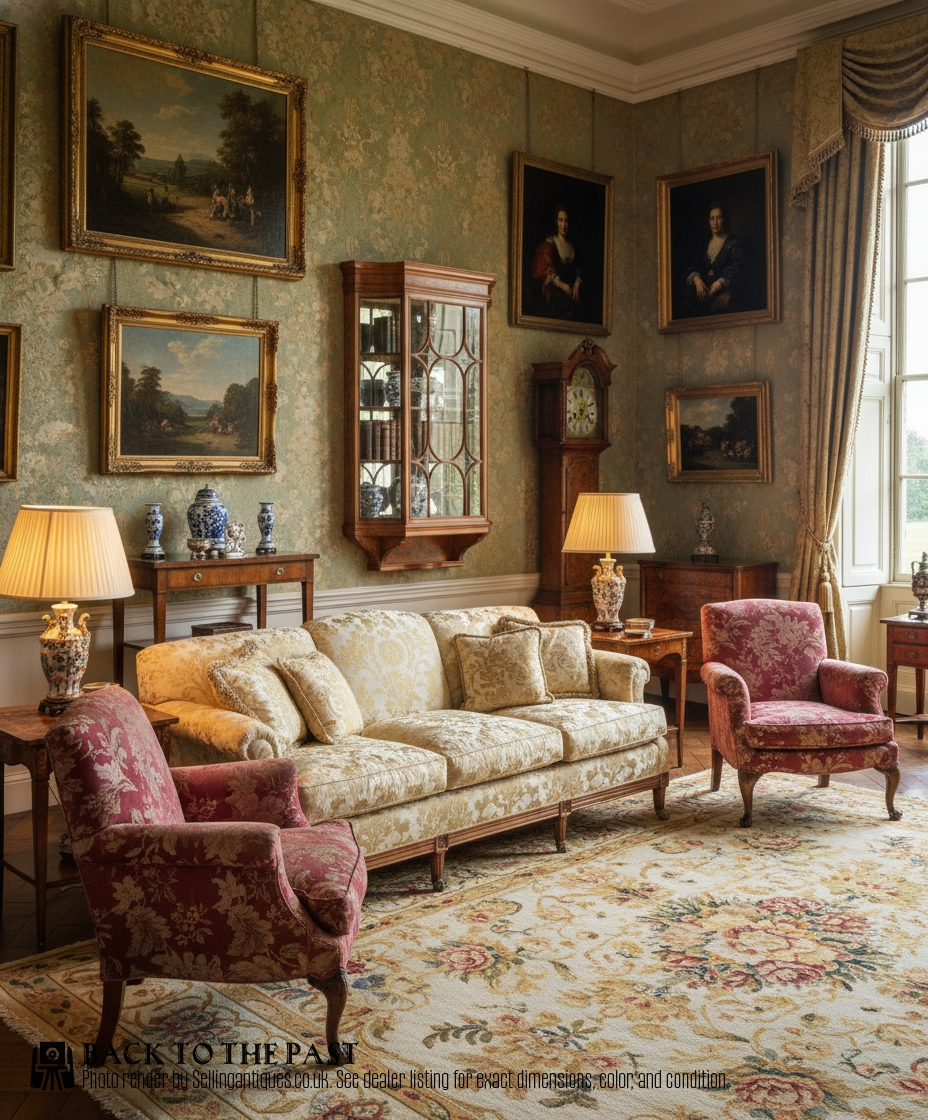
Large Painted Satinwood Wall Hanging Display Cabinet, 1910
Priced at £2,975 from Shackladys Antiques
Most early examples started life in domestic kitchens or household pantries.
Apothecaries used similar hanging cupboards to store herbs and prepared remedies safely away from damp floors.
Look at nineteenth-century antique wall cabinets to see the shift towards display. Glazed doors replaced solid panels once factory glass became cheaper.
Regional designs of these small cupboards varied heavily across rural Britain.
Very few of these small cupboards ever received a formal maker's stamp.
Local estate carpenters knocked them together for specific farmhouse alcoves.
Thomas Chippendale published designs for hanging china cases, though rural craftsmen produced the vast majority of surviving utilitarian antique wall cabinets.
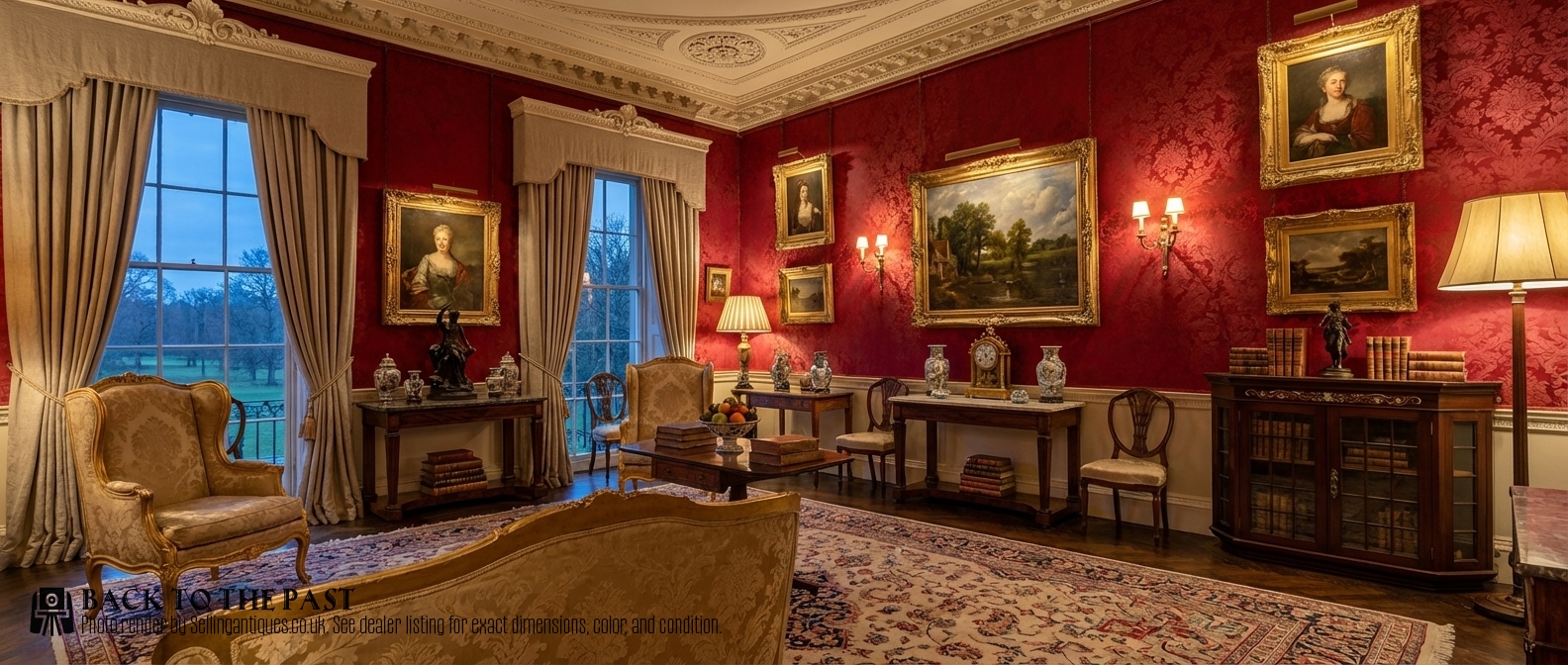
Hanging Wall Display Cabinet, 1900
Priced at £875 from Millers Antiques
The 2026 retail price guide for Antique Wall Cabinets is drawn from a proprietary archive of over 1.1 million retail prices indexed by Sellingantiques since 2003. This guide relies exclusively on their own internal data; no external sources or auction records are used.
Analysing nearly 25 years of UK antique market history alongside current retail values, the data indicates that typical UK retail prices for Antique Wall Cabinets range between £300 and £1,500. Entry-level prices generally fall under £300 and premium examples upwards of £1,500.
Shallow proportions define the form. They need to sit flat against a wall without projecting far into the room.
Notice the heavy brass fixing plates screwed directly to the top edge.
Many include a small arrangement of base drawers sitting just below the main doors.
Cabinet makers used through-dovetails on the outer carcase to hold the weight of heavy contents.
Backboards were either nailed directly into a rebate or slot-screwed.
Hand-planed pine sides and crude wooden runners point to early provincial construction.
"A false back in the base tier can hide a secret drawer for coins and recipes."
"Having a dedicated carved cupboard for spices showed your neighbours you could afford expensive imported goods."
"Open the doors to smell the wood. Some retain a cedar lining that kept moths away."
Based on almost 25 years of Sellingantiques UK antique market data, Antique Wall Cabinets appeared 1593 times (out of 1,100,000 antiques) which gives it a rarity score of 73/100.
This score measures scarcity within the Sellingantiques archive only and is not a survey of the entire antiques market, so these statistics may not be indicative of the general availability of Antique Wall Cabinets elsewhere.
Early examples kept valuable or dangerous goods out of the way. You'll find them used in old dispensaries for medicines and poisons, or in kitchens for salt and imported spices.
Later glazed models took on a display role. People used them to show off fine porcelain tea sets in the parlour safely above the active living space.
Hanging an antique wall cabinet on plasterboard takes proper planning. The carcase alone carries substantial weight before you start loading the shelves.
You must locate the wooden studs behind the modern plaster. Drive heavy-duty screws directly through the original brass fixing plates into the stud work to stop the piece pulling away from the wall.
If your studs don't align with the cabinet mounts, fix a wooden batten across the wall first. Then attach your antique to that solid timber rail.
They rarely project more than nine or ten inches into a room. Any deeper and they're an awkward obstacle for people walking past.
This shallow footprint dictates what fits inside. You can comfortably line up cups, spice jars, and small books, but large dinner plates will stop the doors from shutting.
People regularly modified backboards when plumbing and electricity arrived in older homes. A rough hole usually means the cabinet was fitted around a protruding pipe or an electrical socket.
Some models had ventilation holes cut into them by earlier generations to stop food from sweating. You often see this where a piece lived in a damp scullery or larder.
Please note: This Antique Wall Cabinets guide and its associated pricing data are provided for general informational purposes only. It does not constitute formal financial, investment, or appraisal advice and should not be relied upon as the sole basis for any commercial activity, purchasing, or sales decisions. Sellingantiques.co.uk accepts no liability for any actions taken in reliance on this information. Always consult with a qualified professional or independent appraiser.
