
A 2026 Guide by Sellingantiques
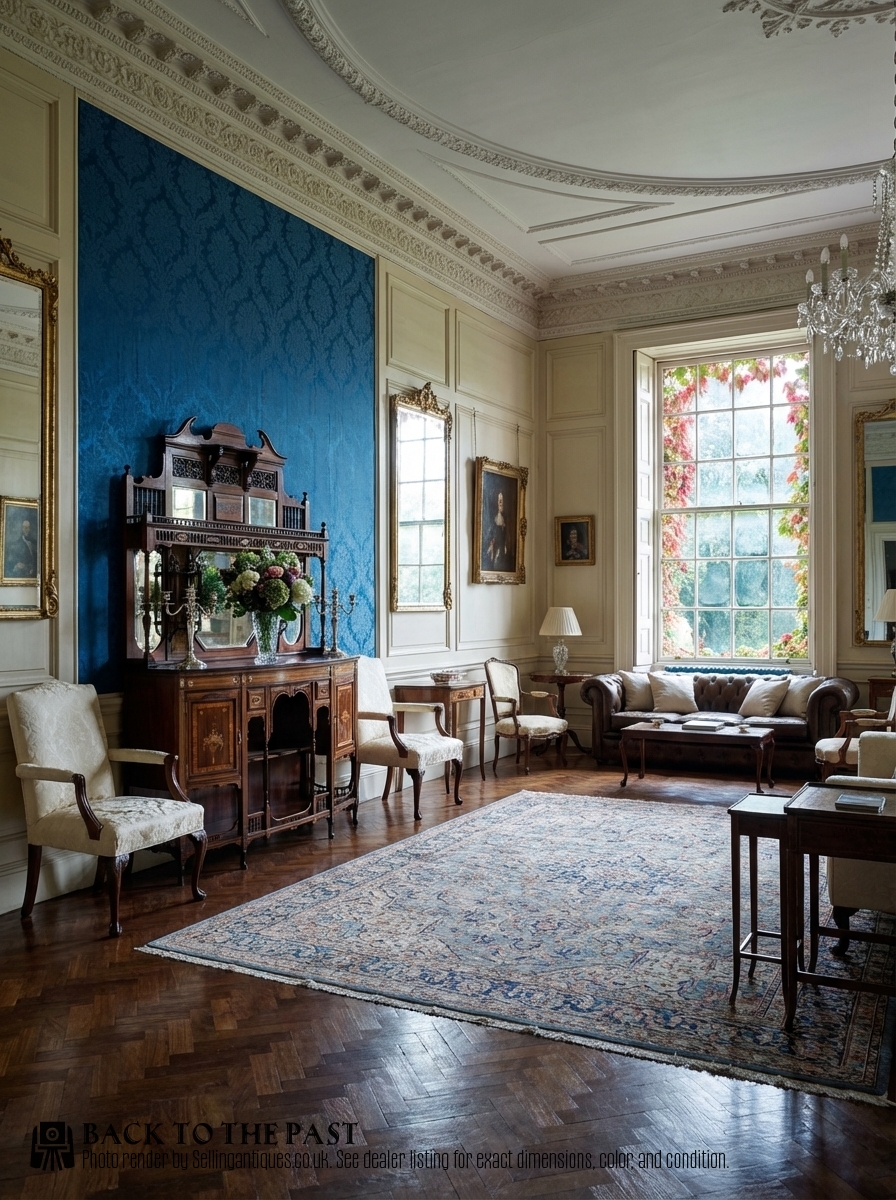
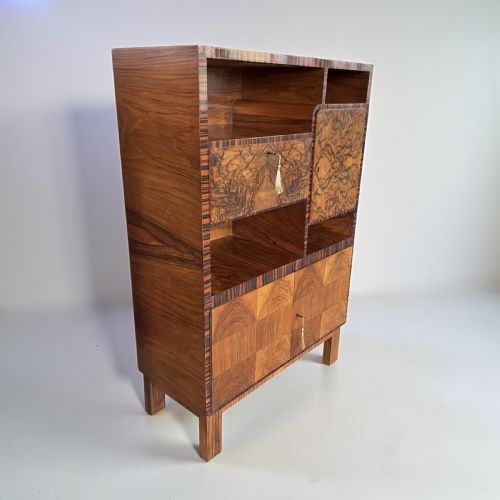
Collinson and Lock by Stephen Webb19th Century Rosewood Marquetry Inlaid Sideboard Side Salon Cabinet Credenza Chiffonier. C.1890., 19th Century
Priced at £2,450 from CJ Antiques
Demand for antique rosewood cabinets expanded rapidly during the Regency period when trade routes opened access to tropical hardwoods.
Look for earlier pieces resting on simple turned feet.
Victorian examples frequently incorporated mirrored backs to reflect candlelight across a dark parlour room during evening gatherings.
Tastes shifted away from these dark timbers towards lighter woods by the late nineteenth century, leading to a decline in production.
Gillows of Lancaster and London supplied rosewood side cabinets to wealthy clients throughout the Regency period.
John McLean produced distinctive cabinets employing elaborate brass mounts alongside dark timber during the early part of the nineteenth century.
Most provincial examples remain unsigned. The regional trade relied heavily on pattern books to replicate London fashions for local buyers.
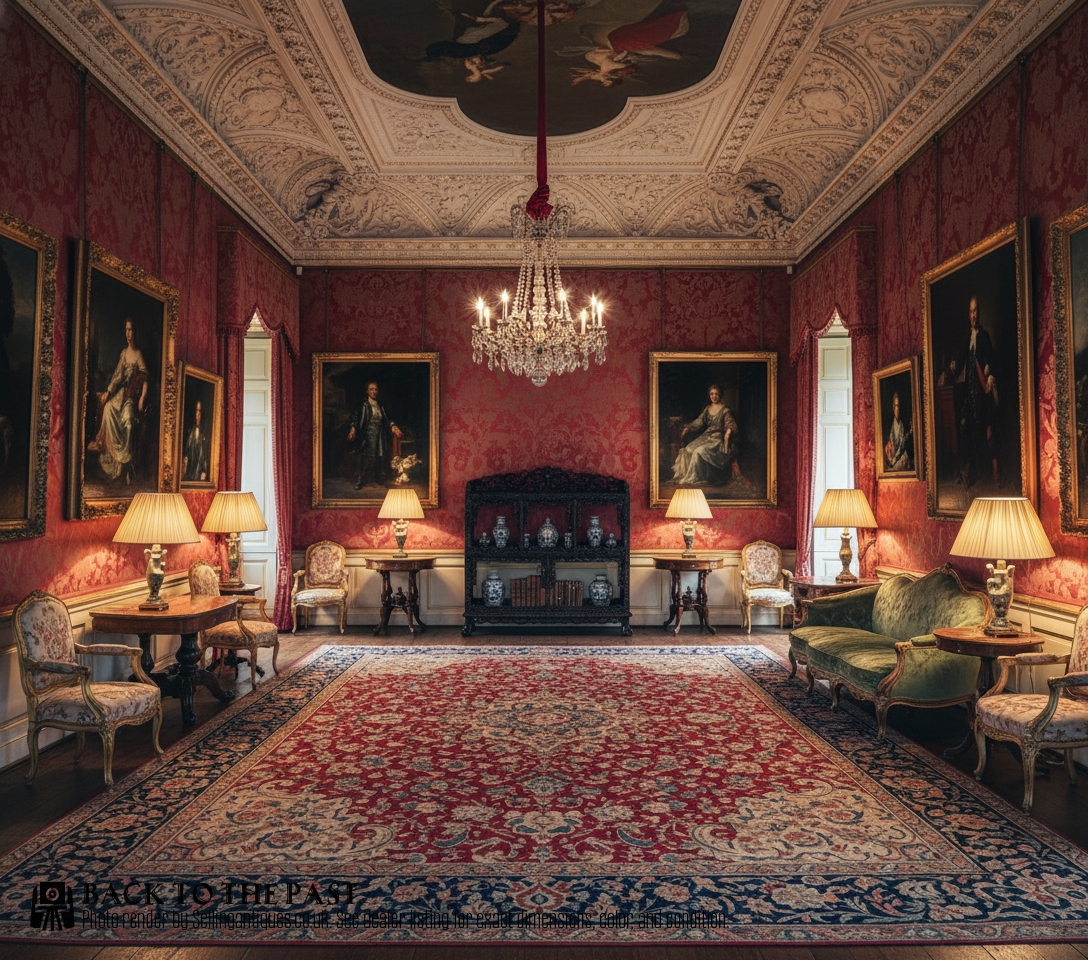
Fine Late C19th Chinese Qing Dynasty Profusely-carved Hardwood or Rosewood Dwarf Side-cabinet or ‘Shodana’ ., 1880
Priced at £2,850 from M Lees and Sons
The 2026 retail price guide for Antique Rosewood Cabinets is drawn from a proprietary archive of over 1.1 million retail prices indexed by Sellingantiques since 2003. This guide relies exclusively on their own internal data; no external sources or auction records are used.
Analysing nearly 25 years of UK antique market history alongside current retail values, the data indicates that typical UK retail prices for Antique Rosewood Cabinets range between £900 and £4,300. Entry-level prices generally fall under £900 and premium examples upwards of £4,300.
Brass stringing often features on cabinet doors from the early nineteenth century.
Open shelving flanked by solid cupboard doors makes up a standard configuration for drawing room storage across many regional workshops.
Notice the handles. Wooden knobs or brass ring pulls appear frequently on functioning drawers, though many cabinets lack external hardware entirely.
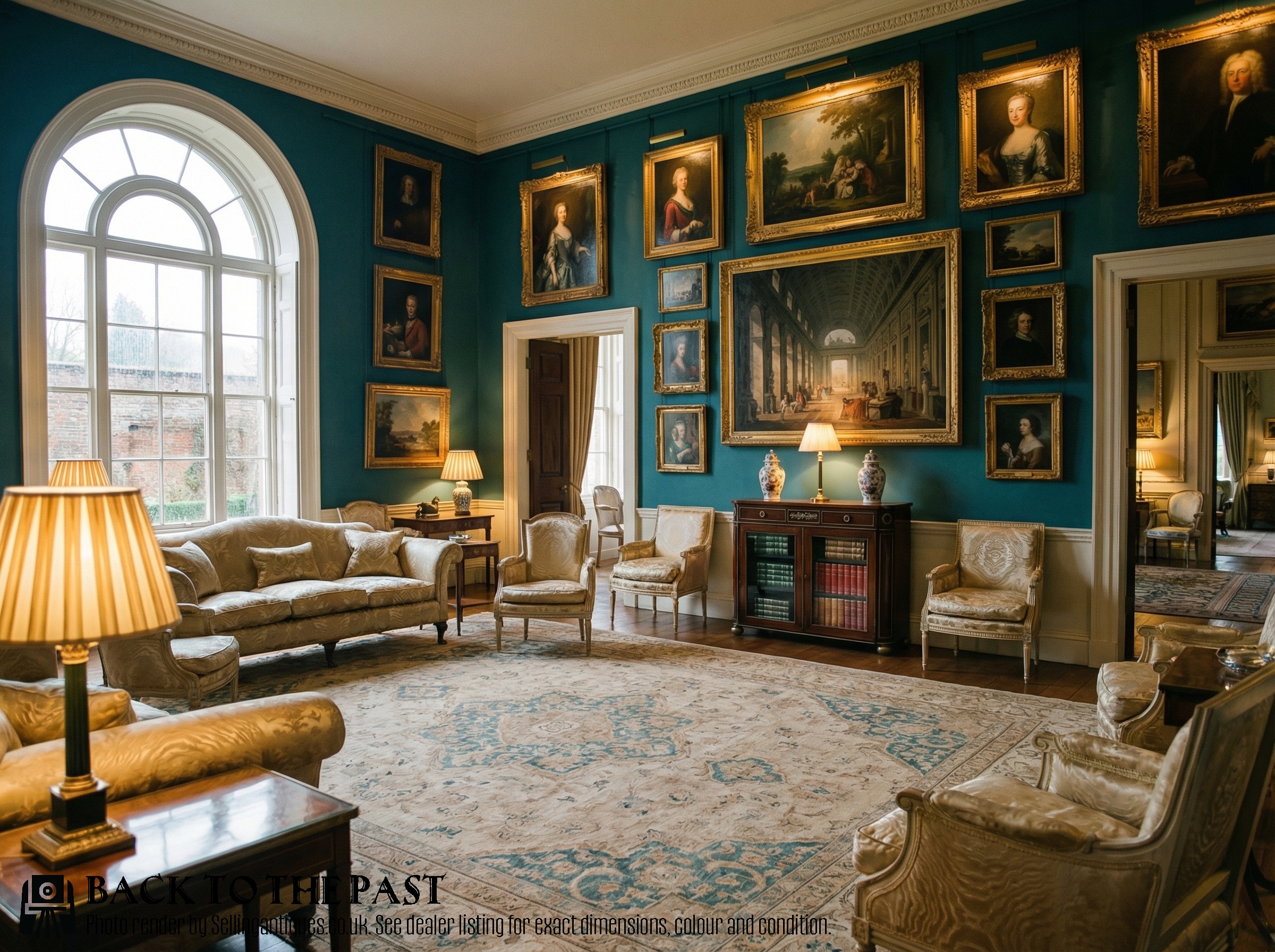
Regency Rosewood and Gilt Brass Mounted Side Cabinet, Regency
Priced at £3,250 from Gary Wright Antiques Ltd
Cabinet makers used hot animal glue to press thin sheets of rosewood onto the secondary timber base.
Hand-cut dovetails secure the drawer frames. You will often see slight irregularities showing they were sawn by hand rather than machined.
Later production introduced thicker, machine-cut veneers. These lack the varied texture of early saw work.
"The distinctive sweet scent of the timber lingers inside enclosed drawers for over a century."
"Bold grain patterns allowed makers to create visual symmetry on cabinet doors without needing carved decoration."
"Craftsmen sometimes paired rosewood with contrasting light woods like satinwood to highlight the interior compartments and draw the eye inside."
Based on almost 25 years of Sellingantiques UK antique market data, Antique Rosewood Cabinets appeared 2083 times (out of 1,100,000 antiques) which gives it a rarity score of 66/100.
This score measures scarcity within the Sellingantiques archive only and is not a survey of the entire antiques market, so these statistics may not be indicative of the general availability of Antique Rosewood Cabinets elsewhere.
Dust the cabinet lightly with a soft, dry cloth. You should avoid commercial aerosol sprays which leave a cloudy residue on the old French polish.
Once or twice a year, apply a sparing amount of good quality beeswax. Buff it along the direction of the grain until the surface feels hard and dry.
Pleated silk behind brass grilles was a standard feature on Regency pieces. The fabric protected books from dust while allowing air to circulate inside the case.
Replacing torn material is a straightforward job. Take the door off its hinges and remove the wooden retaining slips on the back to access the old fabric.
Choose a plain silk or cotton in a muted green or deep red. Tack it firmly to the frame before tapping the slips back into place.
Antique carcase wood shifts as seasonal humidity changes. The drawer runners swell slightly in damp weather.
Rubbing a simple wax candle along the bottom edges of the runners provides enough lubrication to get things moving.
Marble is highly porous and reacts badly to acidic spills like wine or lemon juice. The acid etches the surface and removes the polished finish.
Minor dull spots can sometimes be improved with a specialist marble polishing powder and a damp cloth. Work the powder over the stain in a circular motion.
If the etching is deep, a professional stone restorer will need to re-hone and polish the entire slab. It is messy work and rarely something to tackle yourself.
Please note: This Antique Rosewood Cabinets guide and its associated pricing data are provided for general informational purposes only. It does not constitute formal financial, investment, or appraisal advice and should not be relied upon as the sole basis for any commercial activity, purchasing, or sales decisions. Sellingantiques.co.uk accepts no liability for any actions taken in reliance on this information. Always consult with a qualified professional or independent appraiser.
