

A 2026 Guide by Sellingantiques
Victorian Walnut Pier / Display Cabinet, Victorian
Priced at £625 from Sinclairs Antiques and Interiors
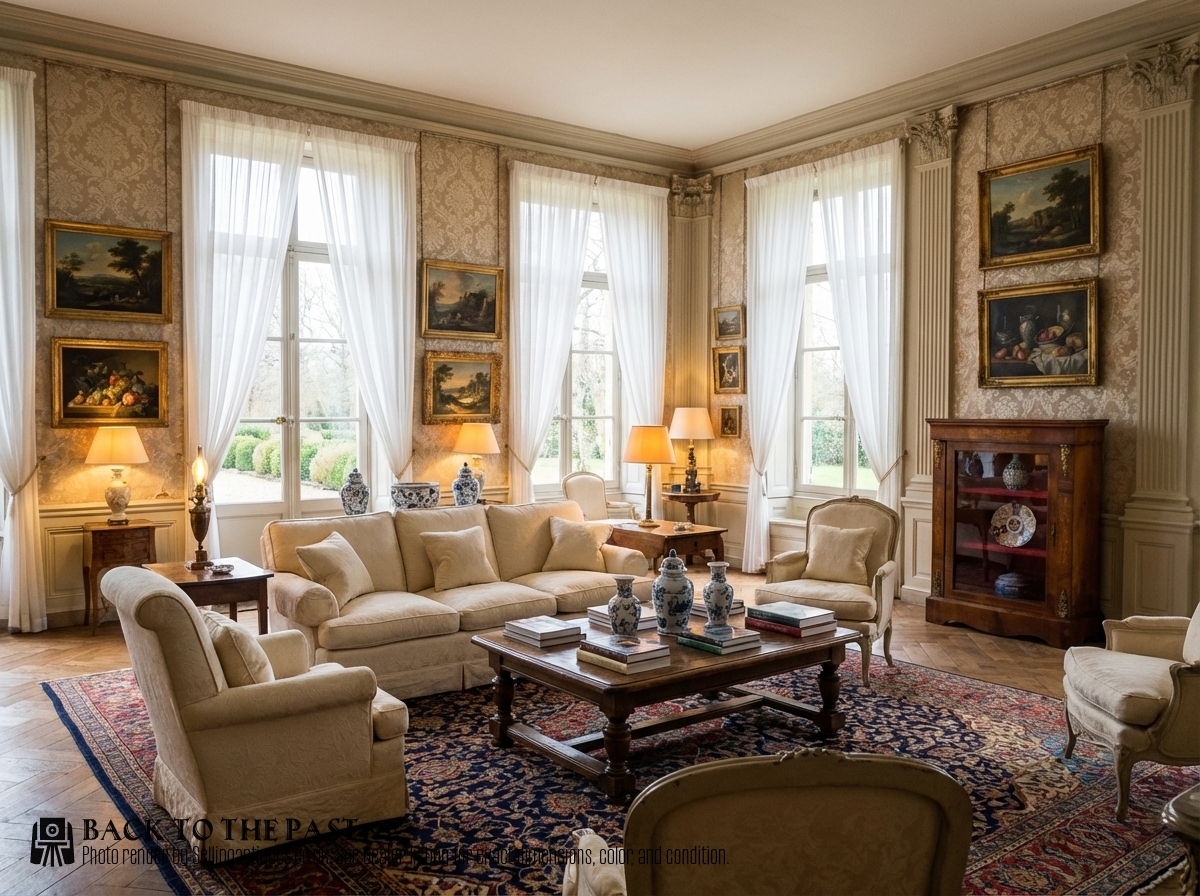
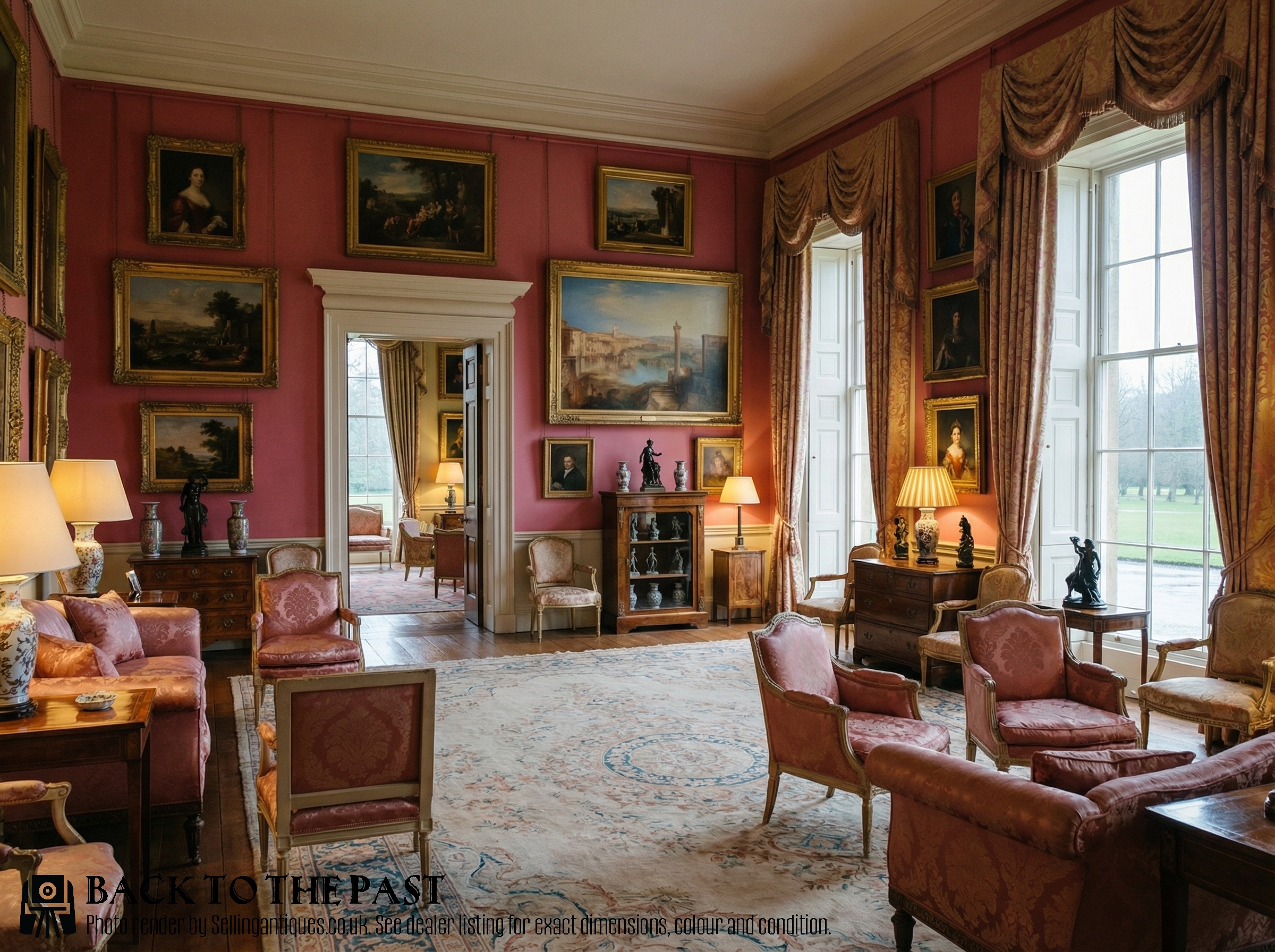
Look at Victorian floor plans. Houses had tall sash windows with dead space between them, creating a specific need for these narrow proportions.
A staple of nineteenth-century drawing rooms. They arrived slightly later than the pier tables that occupied the same footprint during the Regency.
Most antique pier cabinets date from the 1850s onwards. They became central to the heavily furnished mid-Victorian interior scheme.
Buyers often sourced them in pairs to flank a fireplace. Finding matched pairs today isn't easy, as inheritance usually separated them over the last century.
Identifying specific workshops isn't common. Large commercial factories in London and regional cabinet-making hubs produced the vast majority.
Firms like Gillows did manufacture narrow cabinets for window piers. They rarely stamped standard glazed drawing-room pieces of this scale.
High-end examples sometimes bear a retailer label. You will find names like Edwards & Roberts or Holland & Sons stamped on the door edge.

Wonderful Pair of French Ebonised and Boulle Pier Cabinets, 1850
Priced at £4,750 from Philip Hunt Antiques
The 2026 retail price guide for Antique Pier Cabinets is drawn from a proprietary archive of over 1.1 million retail prices indexed by Sellingantiques since 2003. This guide relies exclusively on their own internal data; no external sources or auction records are used.
Analysing nearly 25 years of UK antique market history alongside current retail values, the data indicates that typical UK retail prices for Antique Pier Cabinets range between £700 and £4,800. Entry-level prices generally fall under £700 and premium examples upwards of £4,800.
Single glazed doors are standard. You'll see the glass sitting within a flat or shaped wooden frame, occasionally flanked by turned columns.
Gilt metal mounts often decorate the top corners, plinth base, and the centre of the frieze above the door.
Shallow proportions. They sit flush against the wall and rarely protrude far into the room, keeping transit routes clear.
19th Century Walnut and Marquetry Pier Cabinet, 19th Century
Priced at £1,250 from Martlesham Antiques
Carcase construction relies on simple dovetail boxes. The pine core is then hidden beneath show-wood veneers and solid mouldings.
Factory methods arrived as demand peaked. Machined mouldings and pre-cast mounts replaced the individual carving seen on earlier cabinet forms.
Examine the door joints. Mortise and tenon construction keeps the glazed frame rigid, usually pinned internally for extra stability.
"Velvet linings often preserve the original nineteenth-century colour scheme, having been locked away in darkness behind displayed objects."
"Notice the height. Craftsmen calculated them specifically to align with the dado rail of a standard Victorian reception room."
"Some feature hidden dust seals. A fine strip of felt on the door edge protected delicate ceramics from coal fires."
Based on almost 25 years of Sellingantiques UK antique market data, Antique Pier Cabinets appeared 1358 times (out of 1,100,000 antiques) which gives it a rarity score of 76/100.
This score measures scarcity within the Sellingantiques archive only and is not a survey of the entire antiques market, so these statistics may not be indicative of the general availability of Antique Pier Cabinets elsewhere.
Originally, they held decorative ceramics or small bronzes. The glazed doors and lined shelves were meant to show off collections safely away from household dust.
Today, people use them for books, glassware, or small sculpture. The shallow depth makes them useful for tight spaces where a standard bookcase would block a doorway.
Yes, this is exactly the sort of space they suit. Their original purpose was to fill awkward architectural gaps without protruding too far into the room. Most measure under a metre wide.
You should check the depth before buying. A standard model sits about thirty to forty centimetres deep, which leaves most modern hallways clear for foot traffic.
That black finish is called ebonising. Victorian makers used it to imitate solid ebony, which was scarce and hard to work. It provided a stark background that made display pieces stand out.
The finish is just a stain applied over a cheaper timber carcase, finished with French polish.
Replacing it is a standard job that won't harm the structural integrity of the piece. The fabric was always meant to be a disposable decorative element.
Many buyers swap tired velvet for fresh silk or a modern fabric that suits their interior. You just need to prize out the wooden retaining slips that pin the backing boards in place.
Please note: This Antique Pier Cabinets guide and its associated pricing data are provided for general informational purposes only. It does not constitute formal financial, investment, or appraisal advice and should not be relied upon as the sole basis for any commercial activity, purchasing, or sales decisions. Sellingantiques.co.uk accepts no liability for any actions taken in reliance on this information. Always consult with a qualified professional or independent appraiser.
