
A 2026 Guide by Sellingantiques
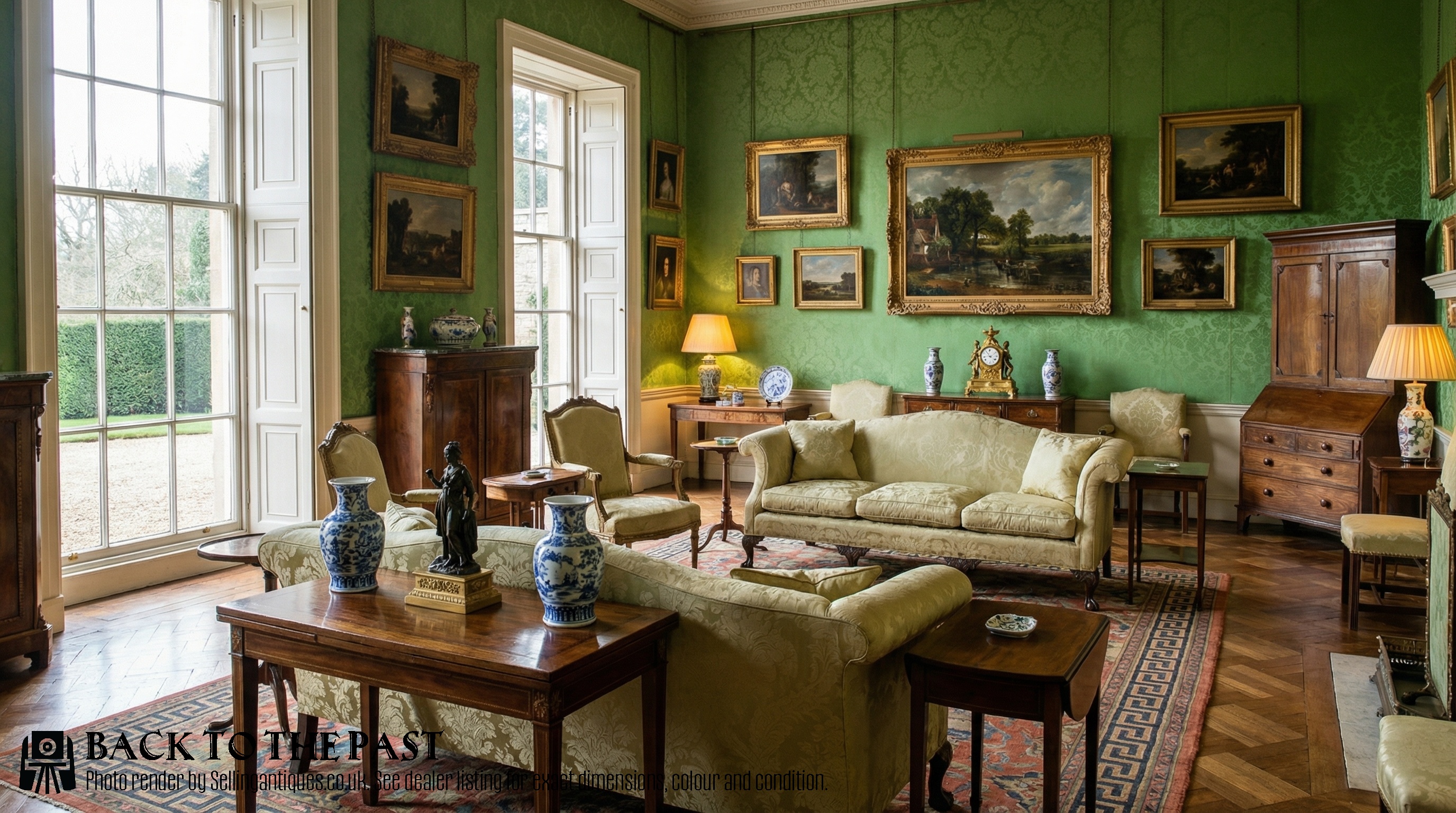
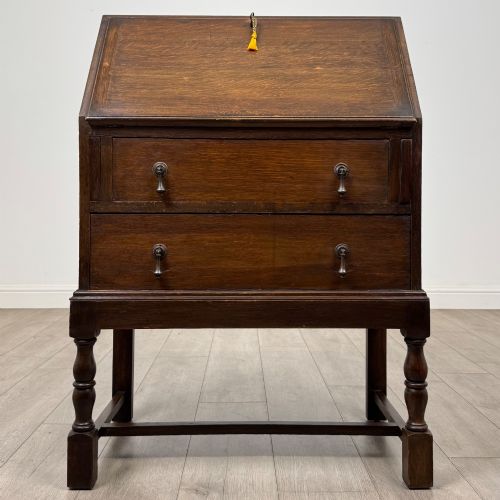
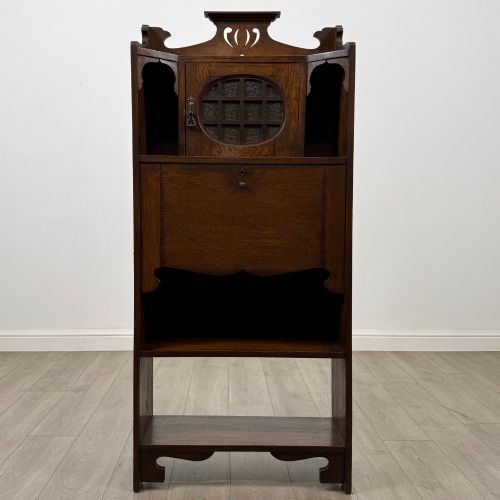
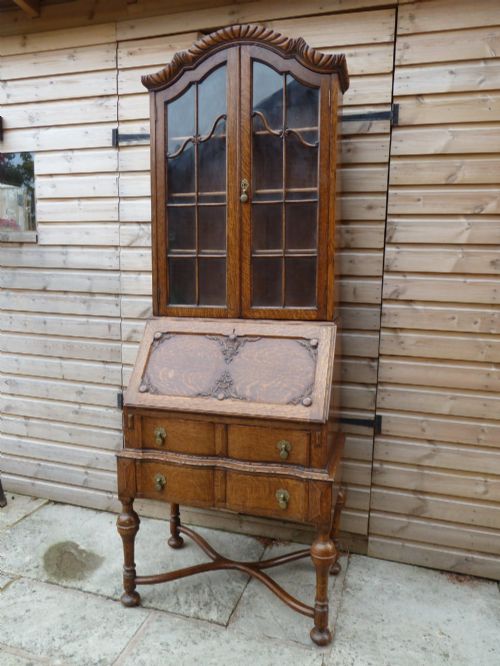
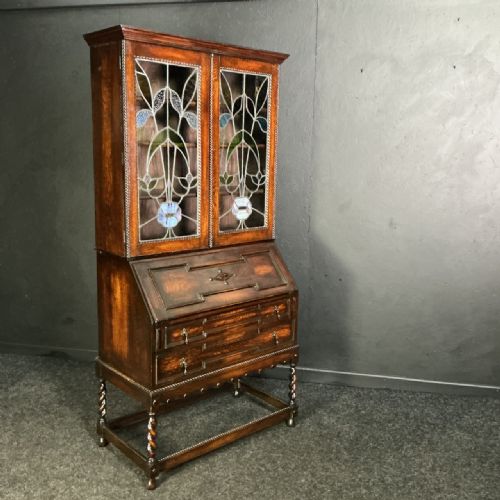
Welsh Oak Bureau Desk Cabinet, Circa 1790, 18th Century
Priced at £1,350 from WelshAntiques
Evolved during the late seventeenth century from simple writing desks on stands.
Look for the shift in domestic habits. People needed a single piece to write letters and store books securely.
Early antique bureau cabinets often featured mirrored doors above the fall. Candlelight reflected off the glass to illuminate the room.
By the Georgian period, solid panelled or glazed doors became the norm.
These combined forms saved floor space in cramped city townhouses.
Giles Grendey produced notable japanned examples during the first half of the eighteenth century.
Identifying a specific maker isn't common without a trade label. Most provincial workshops followed standard pattern books.
Thomas Chippendale supplied mahogany variations to grand houses in the 1760s.
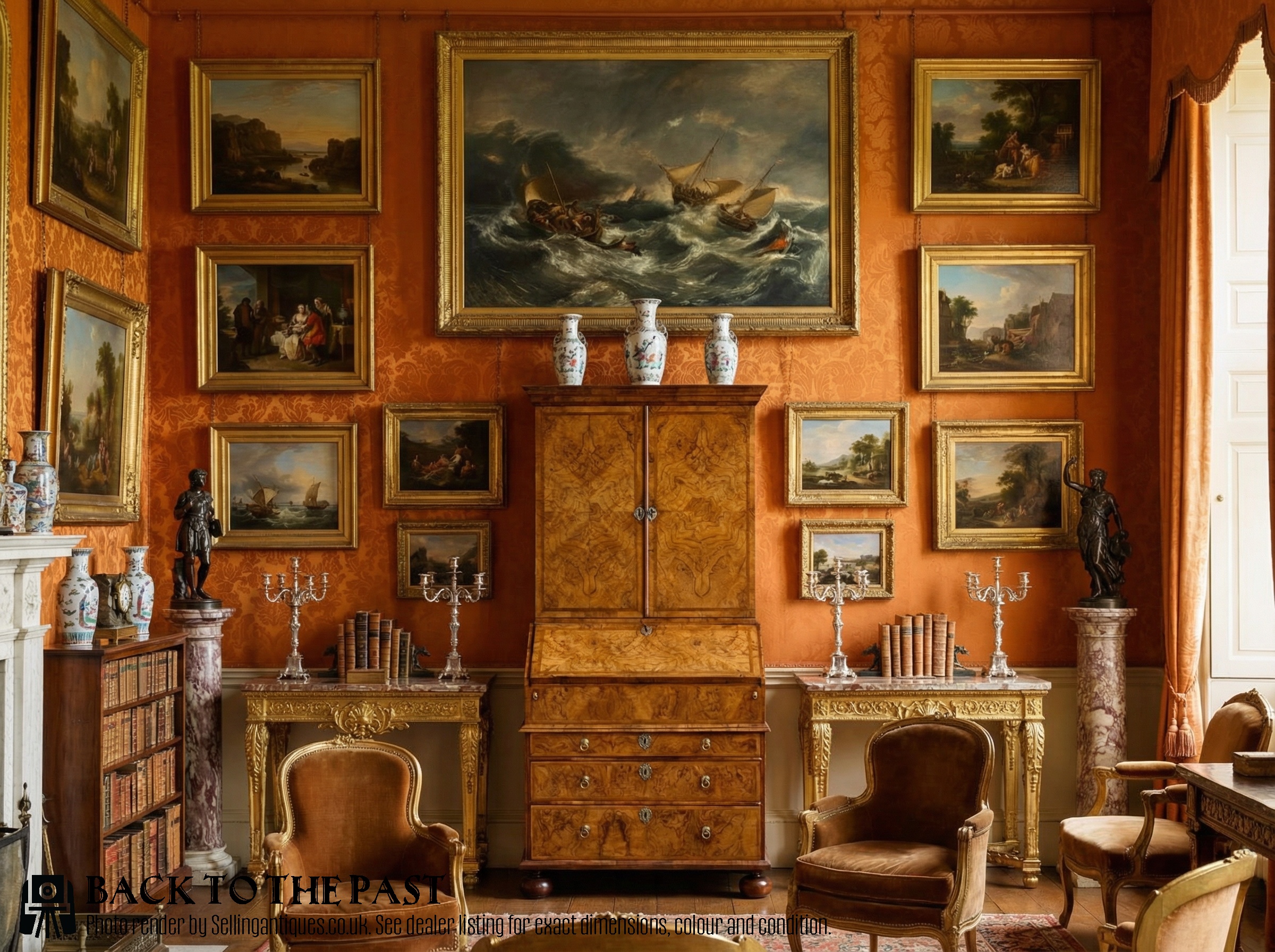
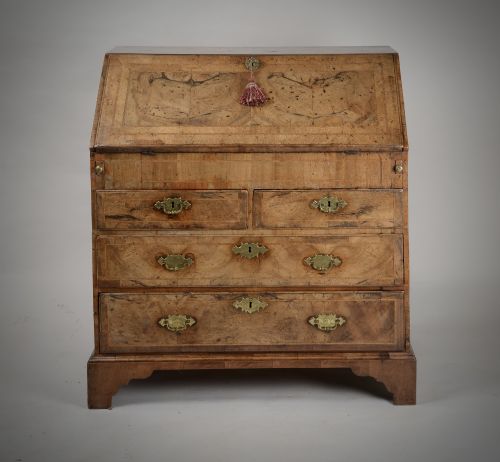
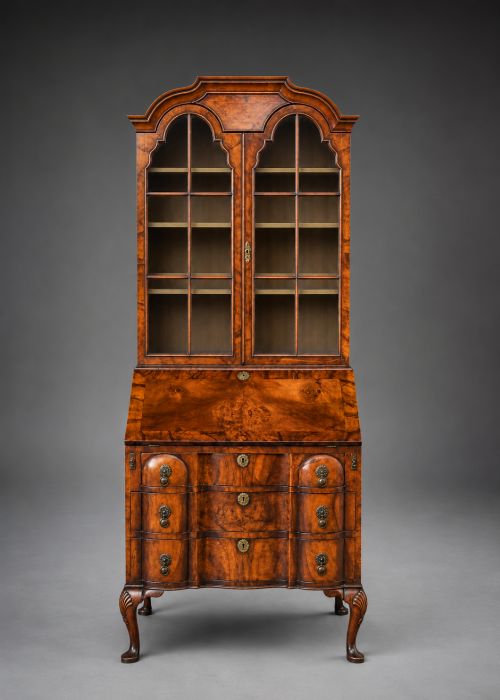
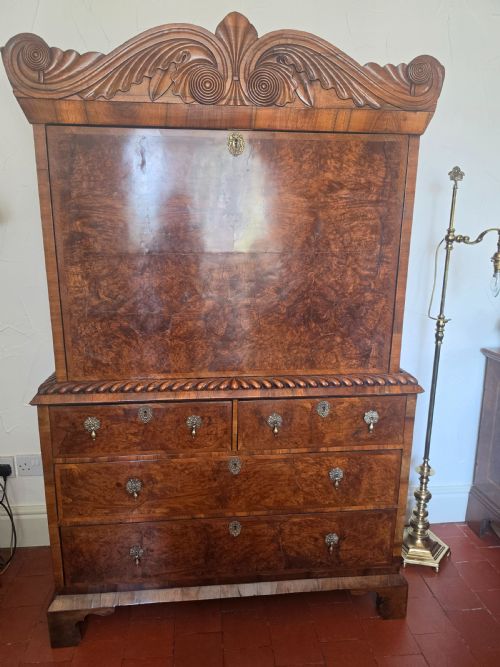
Early James Ii/ William & Mary Highly Figured Walnut Bureau Cabinet, 17th century
Priced at £25,000 from W.R. Harvey & Co. (Antiques) Ltd
The 2026 retail price guide for Antique Bureau Cabinets is drawn from a proprietary archive of over 1.1 million retail prices indexed by Sellingantiques since 2003. This guide relies exclusively on their own internal data; no external sources or auction records are used.
Analysing nearly 25 years of UK antique market history alongside current retail values, the data indicates that typical UK retail prices for Antique Bureau Cabinets range between £900 and £9,900. Entry-level prices generally fall under £900 and premium examples upwards of £9,900.
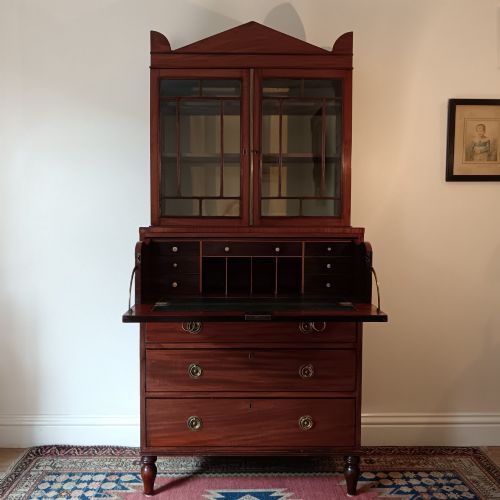
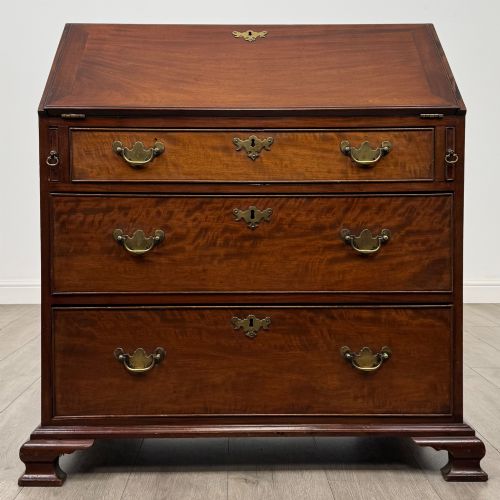
The sloping fall pulls down and rests on lopers to form a flat desk.
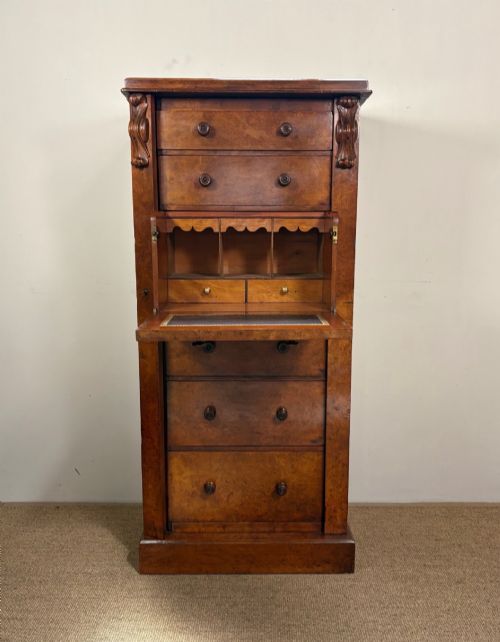
Expect a fitted interior behind that fall. Small drawers and pigeonholes organise the space around a central cupboard.
Upper sections of a standard antique bureau cabinet sit loosely on the base, held secure by a simple framing mould.
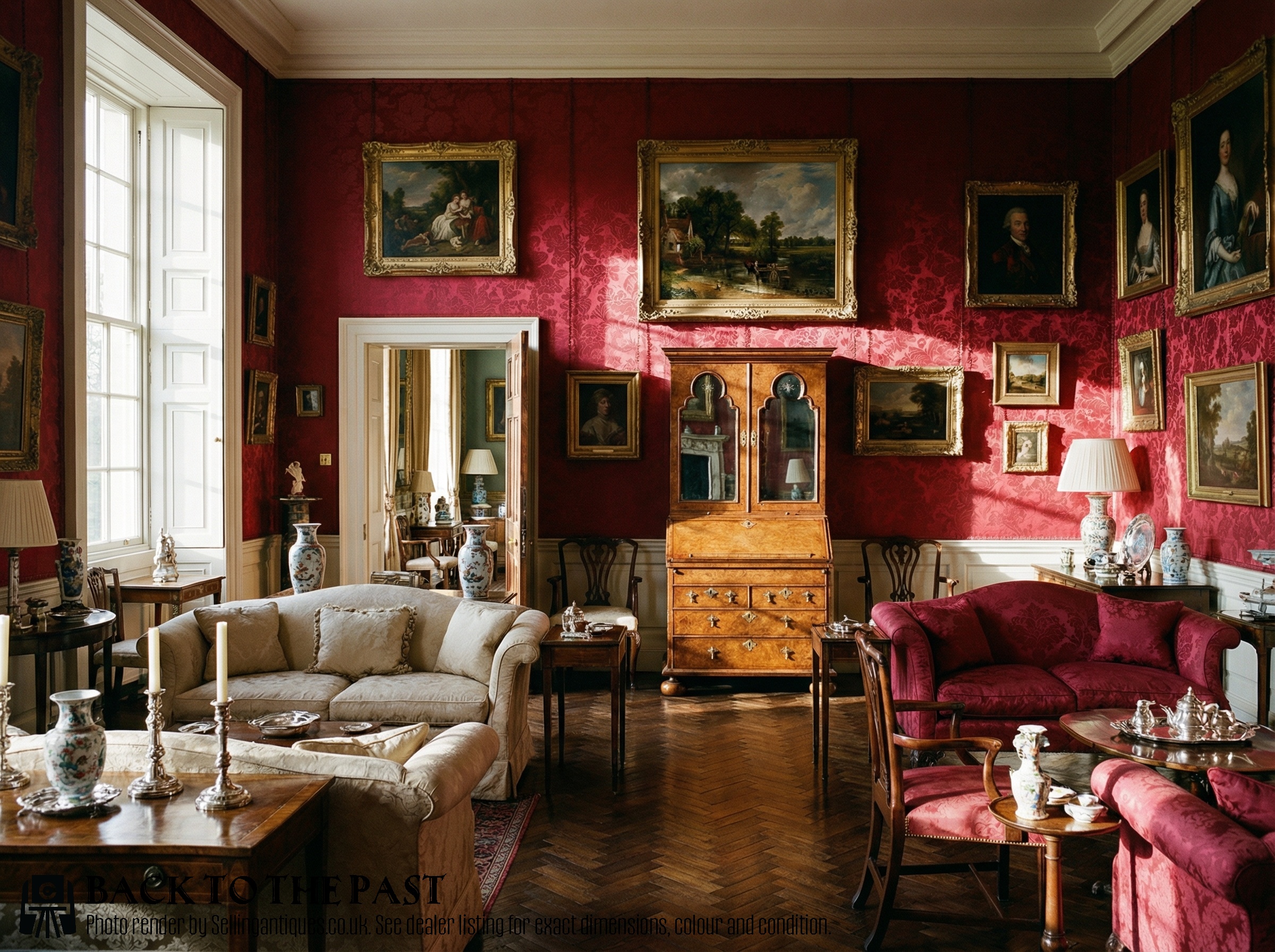
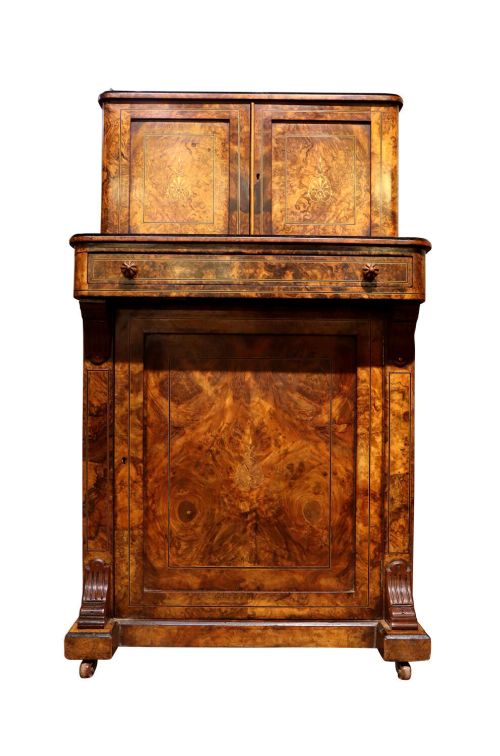
17th Century Burr Walnut Bureau Cabinet, 17th Century
Priced at £26,000 from Holmes Antiques
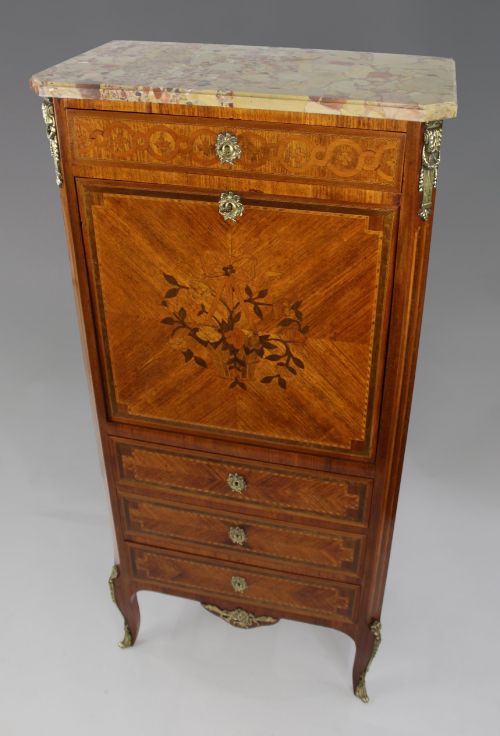
Early surfaces rely on crossbanding and feather banding to decorate flat veneered facades.
Turn your attention to the glazing bars. Later eighteenth-century makers shaped these into complex geometric patterns holding individual panes.
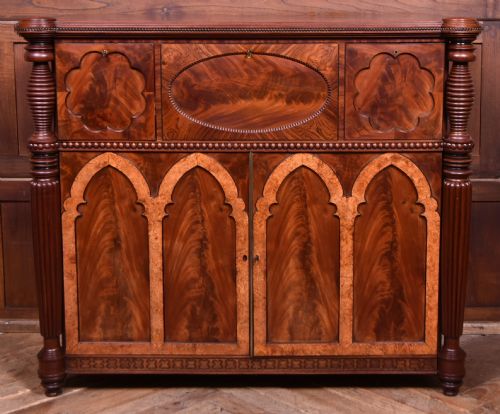
Solid timber construction gradually replaced thick veneers as imported mahogany became plentiful.
"Secret drawers slide out from behind seemingly fixed architectural pillars in the fitted interior."
"Many upper doors hide adjustable shelving systems on wooden sawtooth racks."
"The design forces you to maintain good posture. The writing height suits an upright chair well."
Based on almost 25 years of Sellingantiques UK antique market data, Antique Bureau Cabinets appeared 1518 times (out of 1,100,000 antiques) which gives it a rarity score of 74/100.
This score measures scarcity within the Sellingantiques archive only and is not a survey of the entire antiques market, so these statistics may not be indicative of the general availability of Antique Bureau Cabinets elsewhere.
Lift the top section off the base first. They separate at the waist mould.
Secure the fall and all drawers with their locks or masking tape before lifting. Remove any loose shelves from the upper case to reduce the weight.
Yes, almost all antique bureau cabinets divide into two horizontal sections. The heavy base separates from the lighter bookcase top.
You can also remove the drawers to make the base lighter. The upper doors often lift off their hinges if you need to squeeze through a narrow gap.
Books usually fill the shelves. Early owners kept business ledgers up there.
Glazed versions act as display cabinets.
Small items fit well. Keys and everyday post slide neatly into the pigeonholes.
Modern users often clear the central section for a laptop. The fall rests flat on the lopers to provide plenty of room for typing.
Those tiny side drawers hold pens and paperclips. The layout remains practical for managing a modern household.
Please note: This Antique Bureau Cabinets guide and its associated pricing data are provided for general informational purposes only. It does not constitute formal financial, investment, or appraisal advice and should not be relied upon as the sole basis for any commercial activity, purchasing, or sales decisions. Sellingantiques.co.uk accepts no liability for any actions taken in reliance on this information. Always consult with a qualified professional or independent appraiser.
