
A 2026 Guide by Sellingantiques
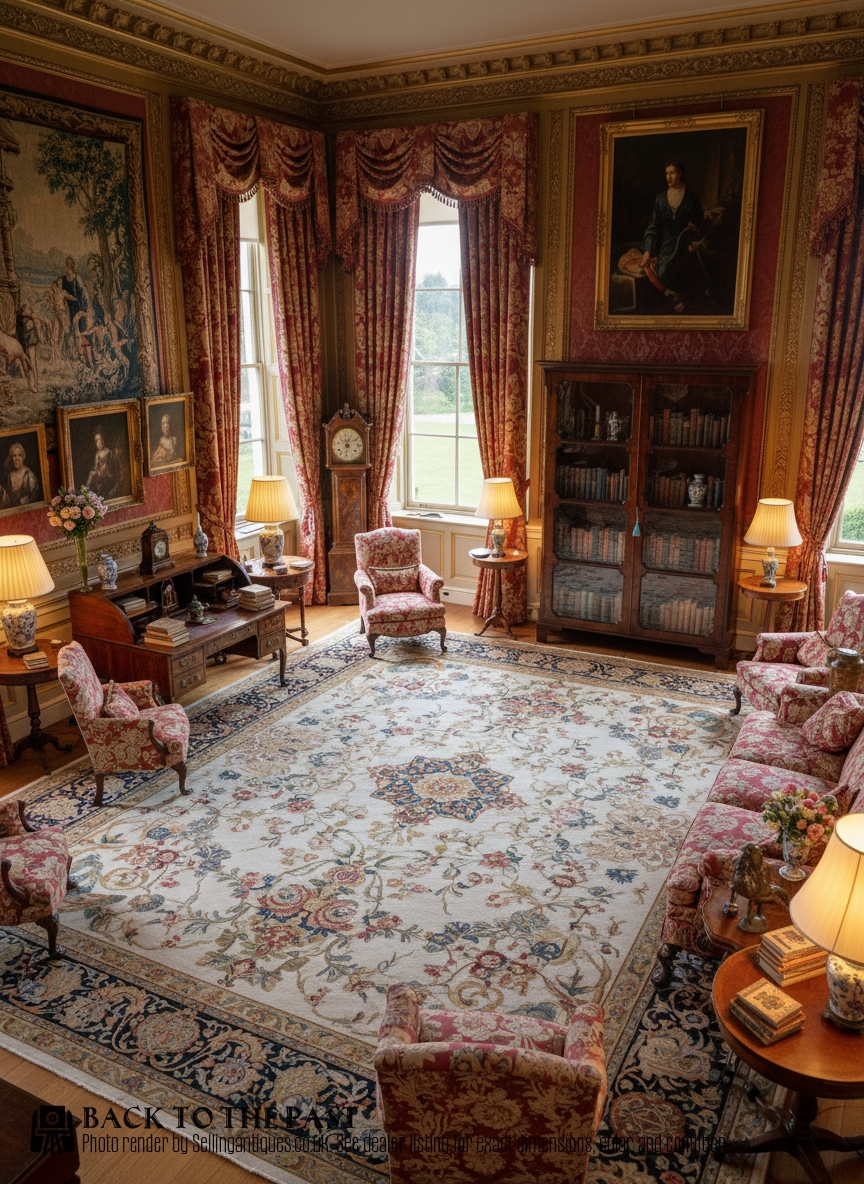
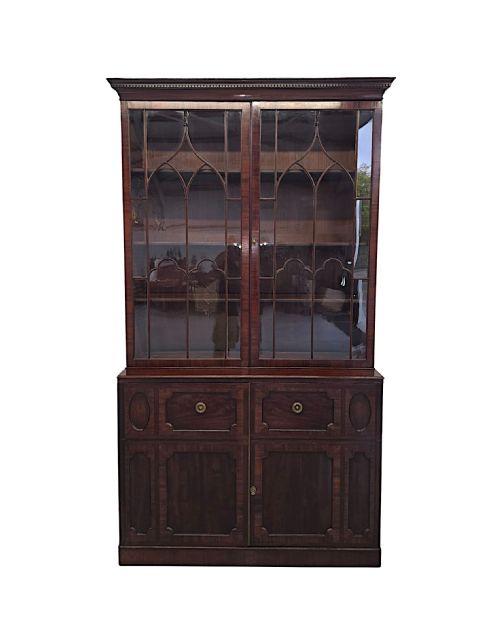
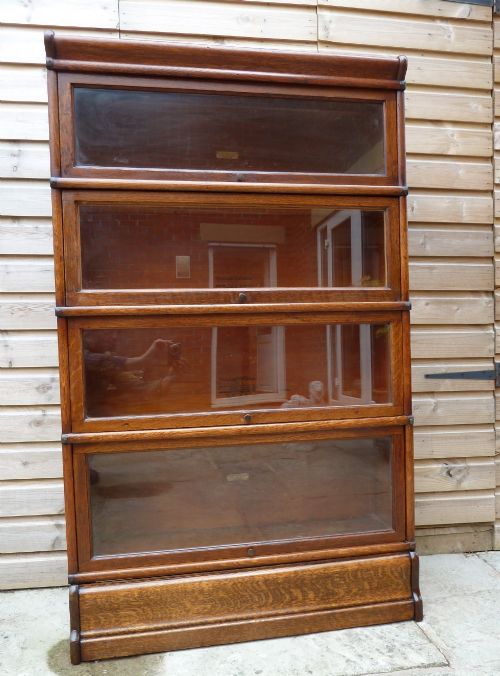
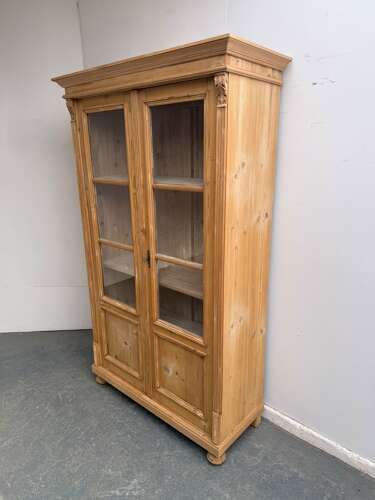
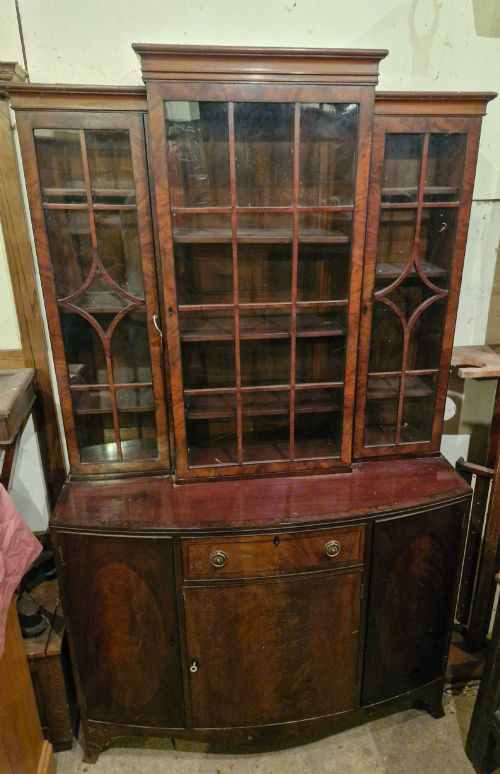
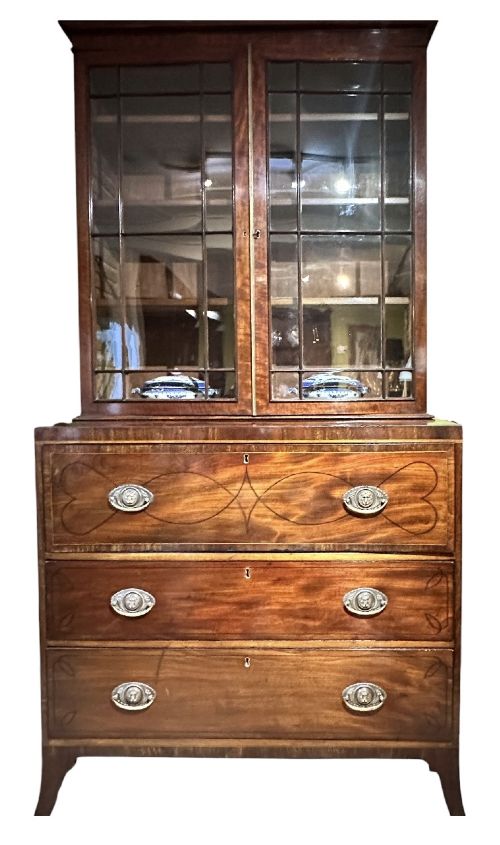
19th Century Glazed Bookcase, 19th Century
Priced at £1,450 from Treasury Antiques
Early libraries kept volumes in presses with solid doors to keep dust away.
By the eighteenth century, antique glazed bookcases emerged as domestic status symbols for the educated classes.
Look at the glass panes. Advancements in cylinder glass production allowed the fitting of larger clear panels over time.
Georgian examples often dominate the market, reflecting a period when home libraries became standard in grand houses.
Thomas Chippendale supplied grand architectural examples during the mid to late eighteenth century.
Gillows of Lancaster and London produced many variations throughout the Georgian and Victorian periods.
Most pieces carry no maker mark at all. The regional trade built thousands of them using published pattern books.
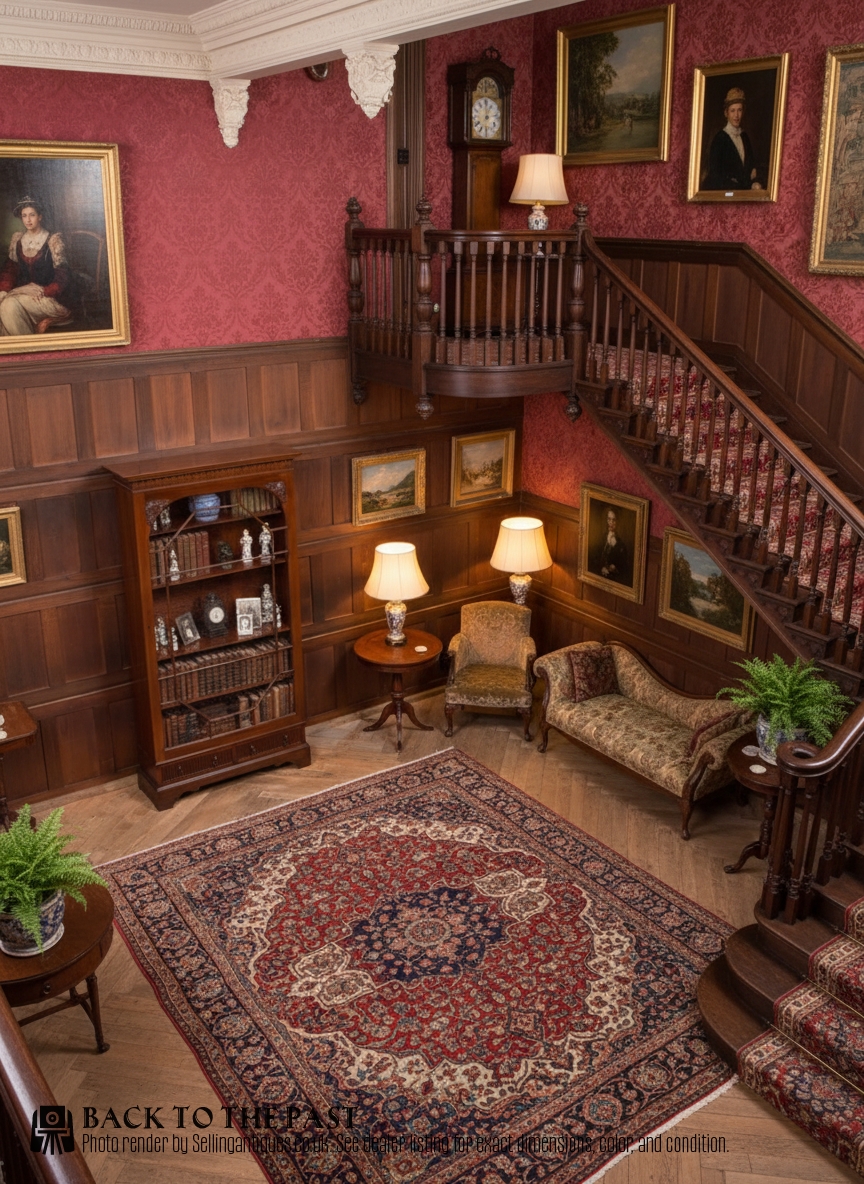
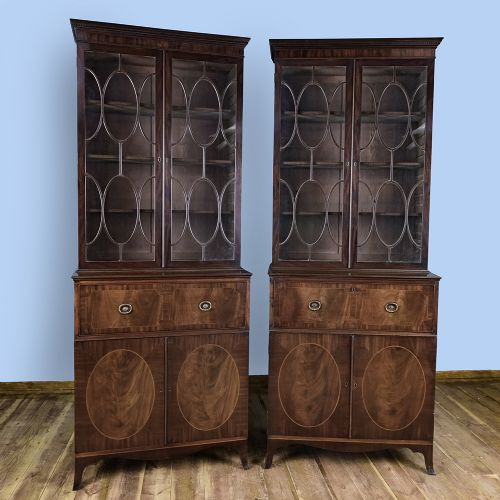
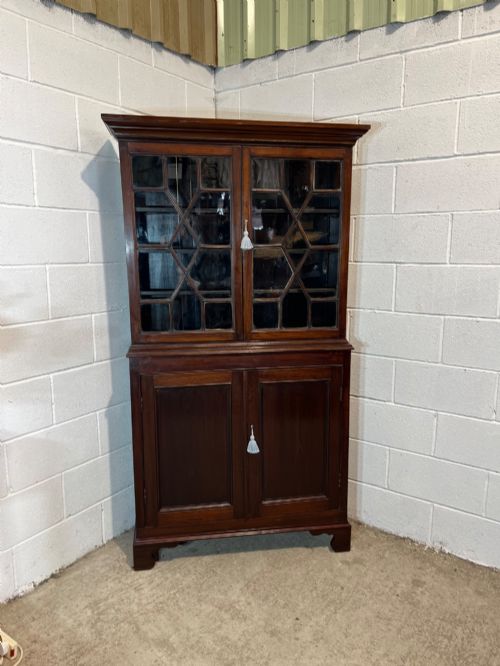
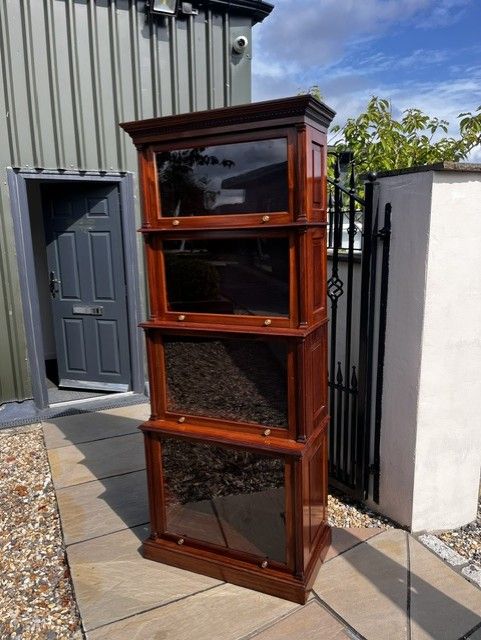
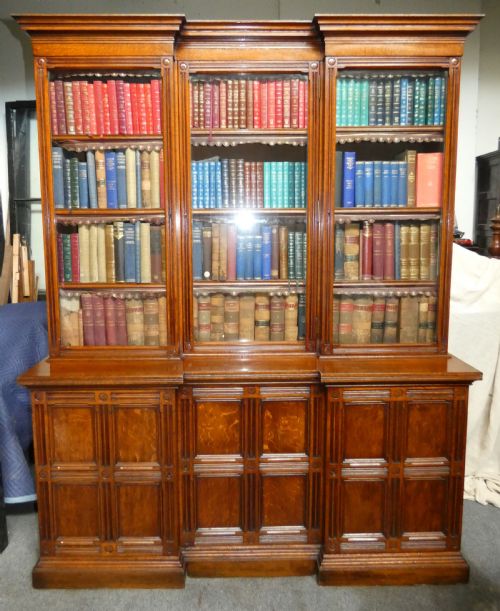
Wylie and Lochhead Ltd Edwardian Mahogany Bookcase, Edwardian
Priced at £950 from Sinclairs Antiques and Interiors
The 2026 retail price guide for Antique Glazed Bookcases is drawn from a proprietary archive of over 1.1 million retail prices indexed by Sellingantiques since 2003. This guide relies exclusively on their own internal data; no external sources or auction records are used.
Analysing nearly 25 years of UK antique market history alongside current retail values, the data indicates that typical UK retail prices for Antique Glazed Bookcases range between £600 and £3,900. Entry-level prices generally fall under £600 and premium examples upwards of £3,900.
The upper section usually sits shallower than the base cabinet.
Adjustable wooden shelves rest on sawtooth runners or brass pegs let into the sides.
Notice the cornice. Architectural pediments range from simple dentil moulding to broken swan-neck designs.
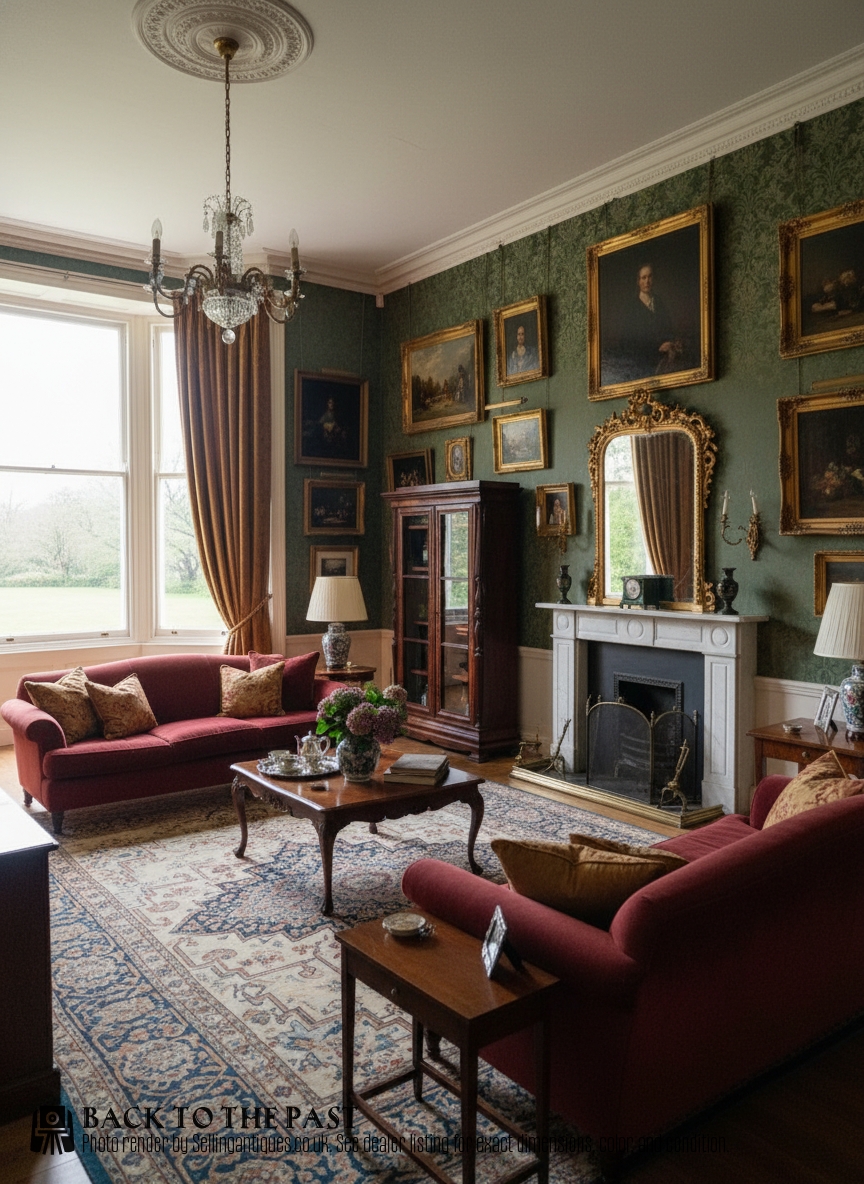
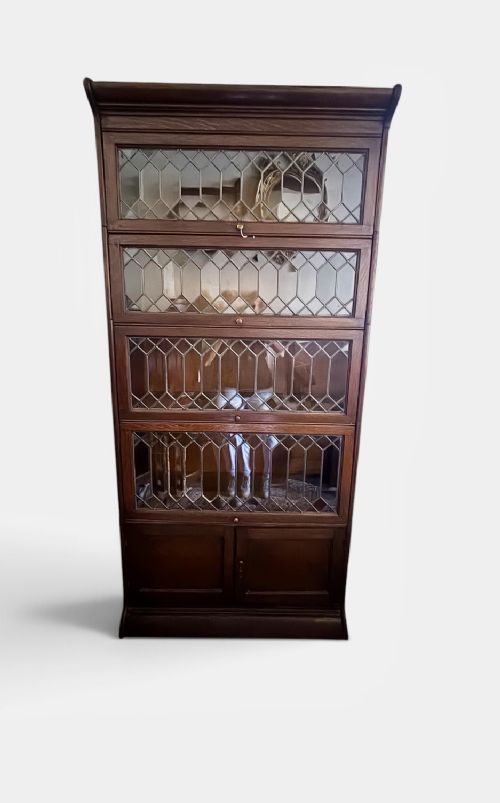
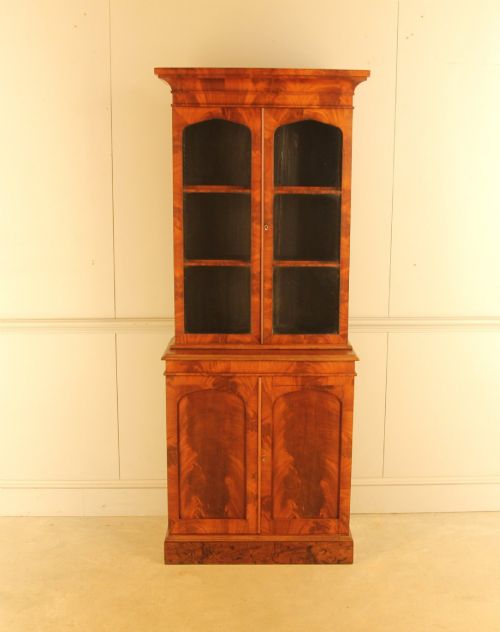
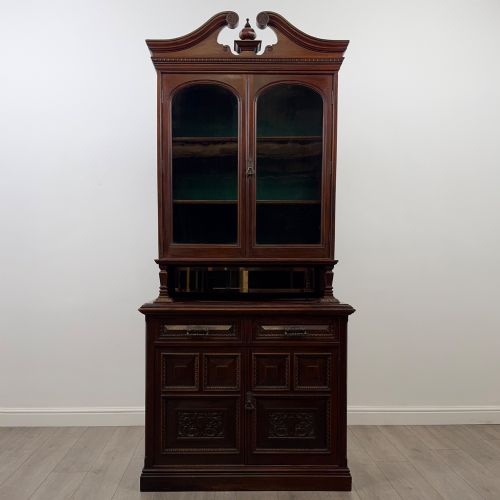
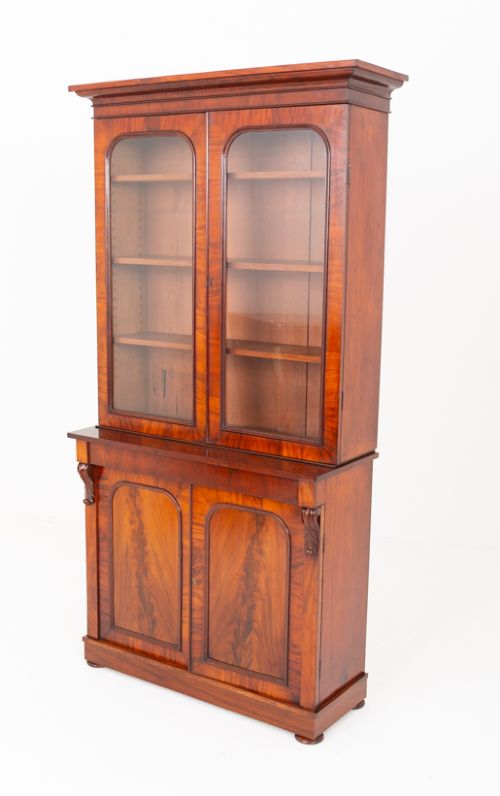
Antique Victorian Rosewood Glazed Bookcase C1880, 1880
Priced at £1,295 from Mews Antiques
Early glazing bars had to be robust to support the heavy crown glass panes available at the time.
Dovetailed joints secure the main carcase corners beneath the veneered surfaces.
Later Victorian cabinet makers used machinery to cut the complex mouldings for the cornices.
"Some base cupboards hold hidden folio racks designed for laying oversized maps flat."
"The varied geometric patterns in glazing bars cast intricate shadows across the bindings as daylight changes in a room."
"Dust seals fitted where the doors meet actually do a reliable job of preserving paper."
Based on almost 25 years of Sellingantiques UK antique market data, Antique Glazed Bookcases appeared 5117 times (out of 1,100,000 antiques) which gives it a rarity score of 36/100.
This score measures scarcity within the Sellingantiques archive only and is not a survey of the entire antiques market, so these statistics may not be indicative of the general availability of Antique Glazed Bookcases elsewhere.
They come apart. The cornice lifts off the top and the glazed upper section separates from the base cabinet.
Large breakfronts break down further. The upper and lower sections usually divide into three or four manageable vertical segments that bolt together.
Measure the diagonal height of the upper section. When you lift a tall cabinet into place on its base, it needs room to tip upright without scraping the ceiling.
Some cornices are removable, which buys you a few inches of clearance. If the room is very tight, you'll have to assemble it away from the wall and slide it backward.
Most solid timber shelves support standard hardbacks without trouble. Thick oak or mahogany boards rarely bow.
Very wide spans occasionally dip under heavy loads. Check if the shelves sit on strong wooden bearers or metal pegs.
Look closely at the lock escutcheon. A local locksmith can usually pick a basic ward lock without damaging the surrounding timber or glass.
Never try to pry the doors open with a lever. The tension will crack the historic glass or snap the slender wooden glazing bars long before the brass lock gives way.
Please note: This Antique Glazed Bookcases guide and its associated pricing data are provided for general informational purposes only. It does not constitute formal financial, investment, or appraisal advice and should not be relied upon as the sole basis for any commercial activity, purchasing, or sales decisions. Sellingantiques.co.uk accepts no liability for any actions taken in reliance on this information. Always consult with a qualified professional or independent appraiser.
