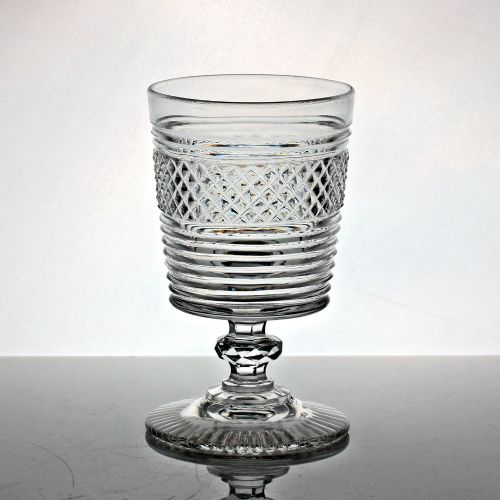
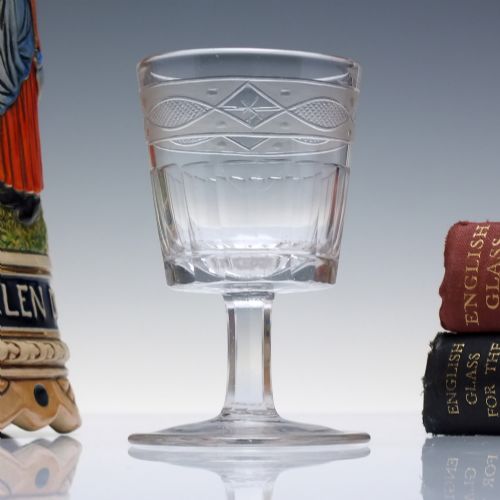
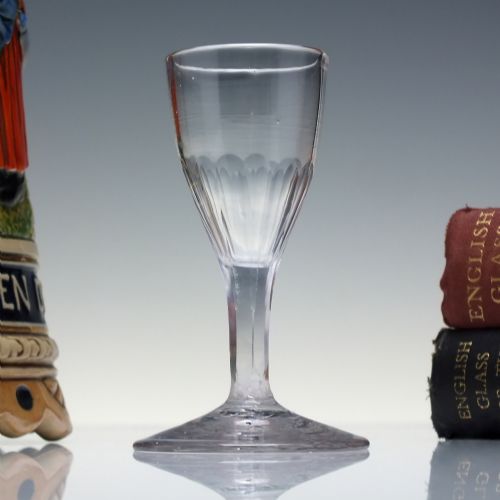
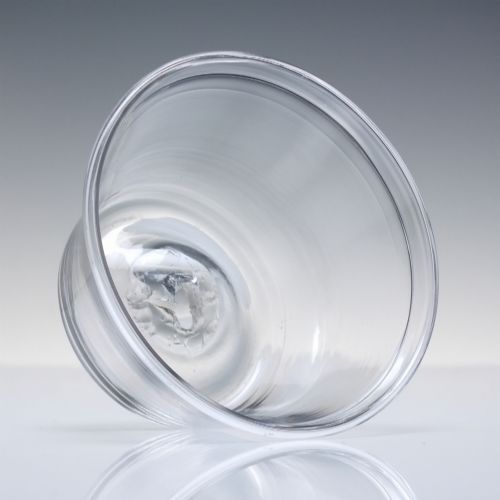
Exhibit Antiques has dated this Georgian Glass Mustard Cruet to the Georgian era.
This is an independent date report produced by Sellingantiques using its own proprietary system. The process uses the photographs shown on this page. The system is never told the date the dealer has declared. This report shows that the two dates corroborate.
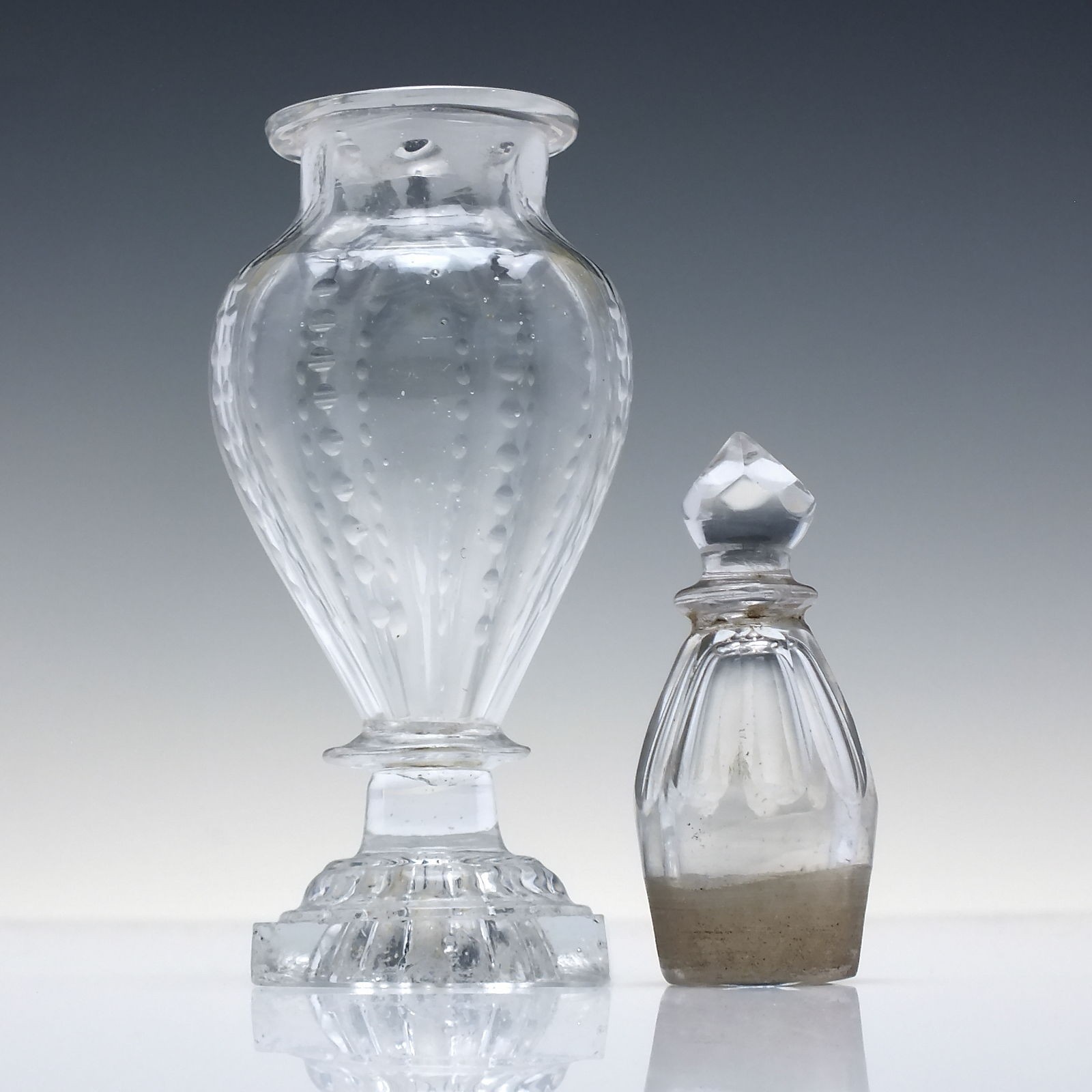
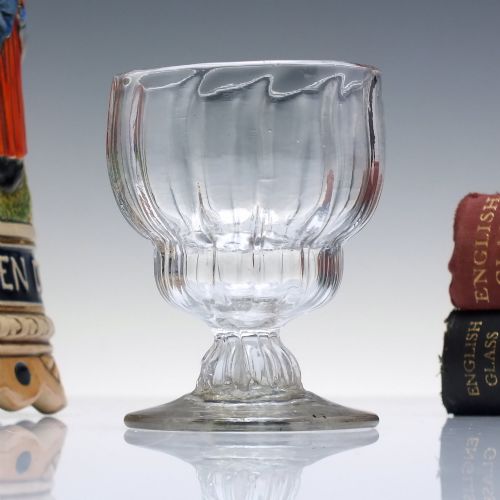
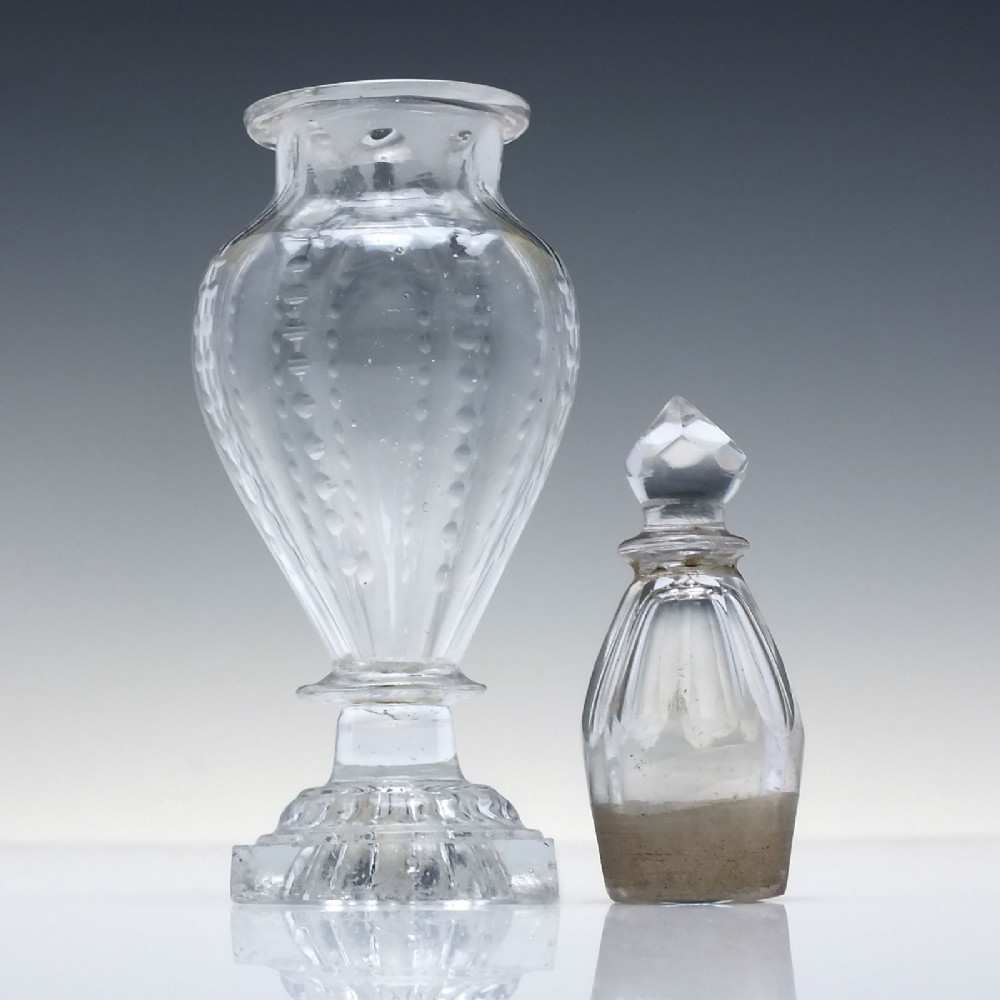
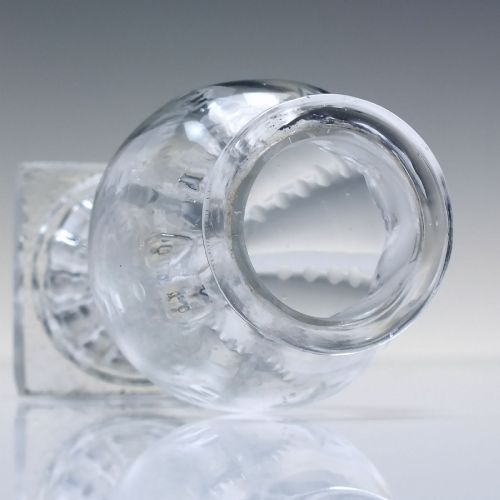
A very fine example of an early 19th-century George III dry mustard pot, dating to c1800.
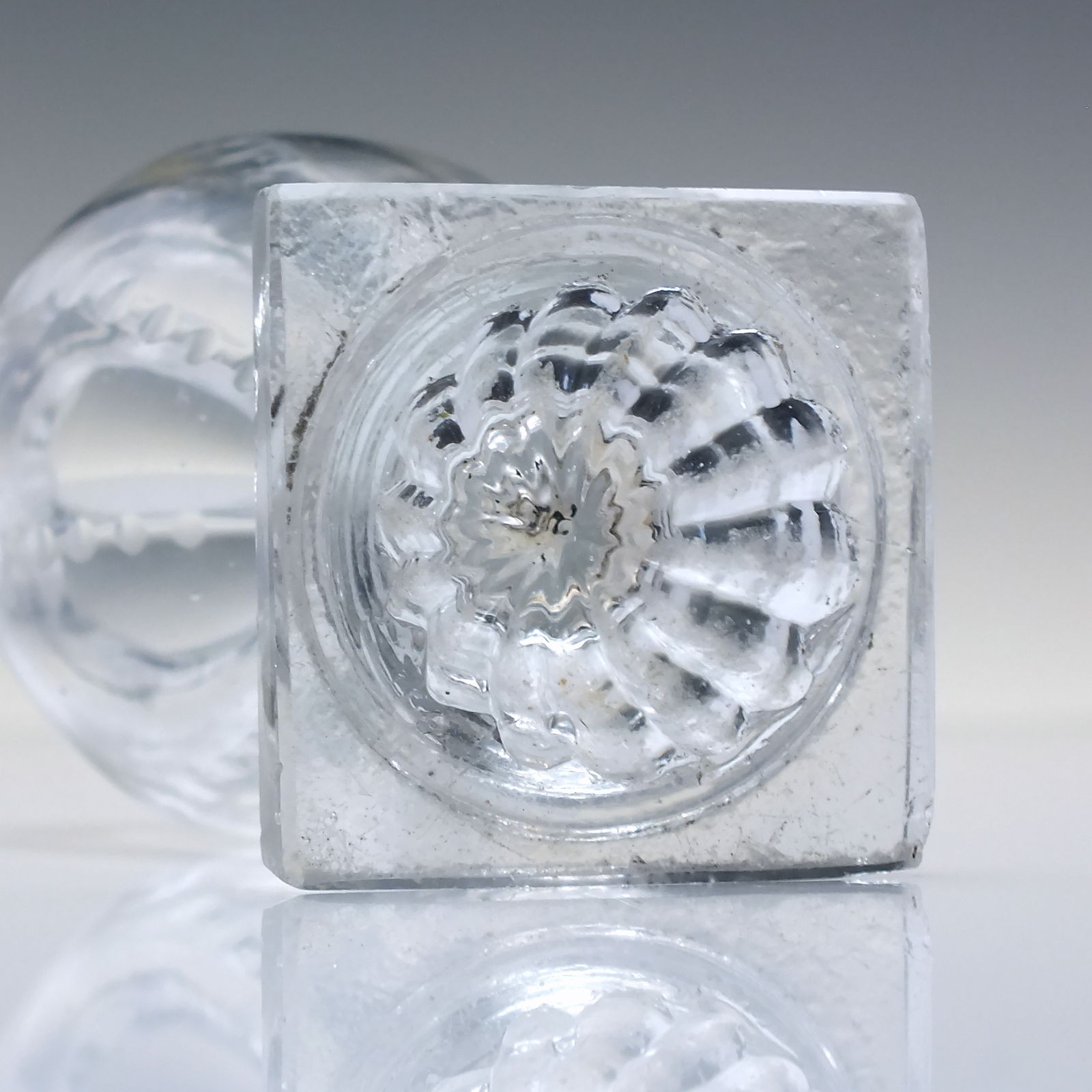
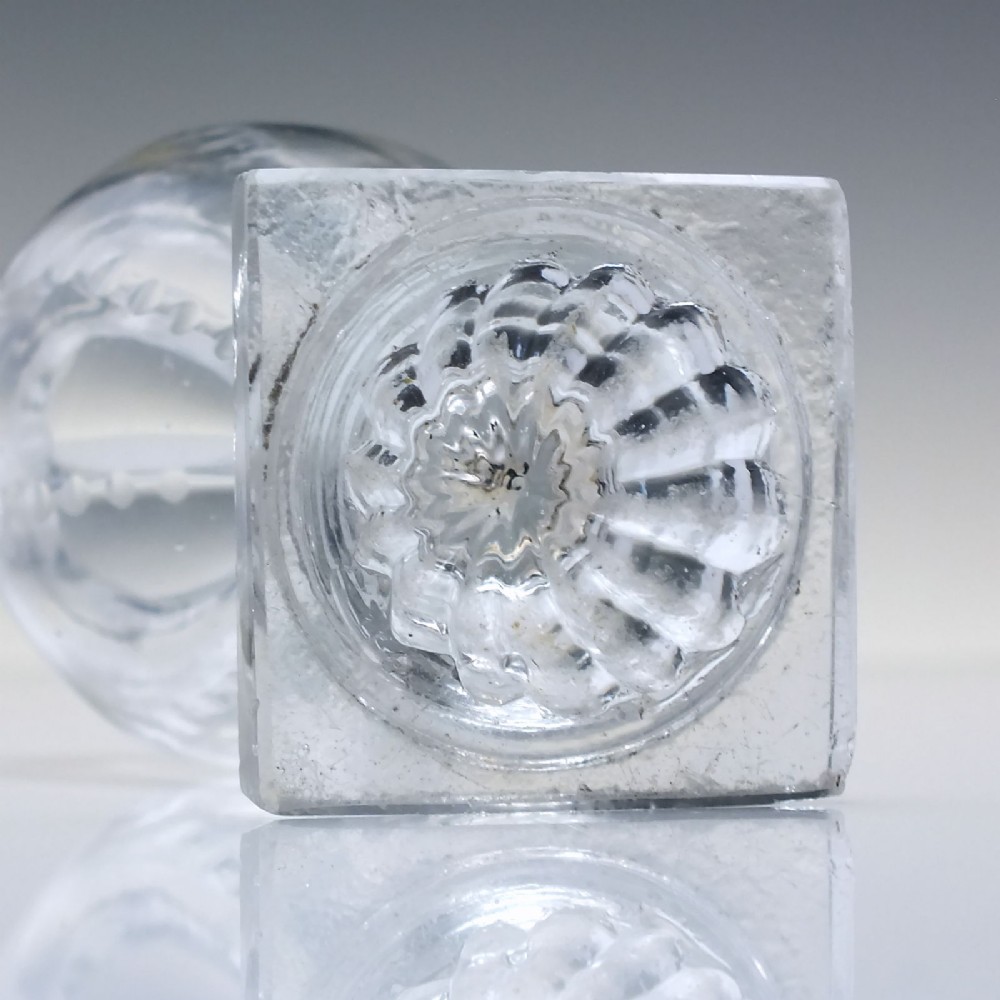
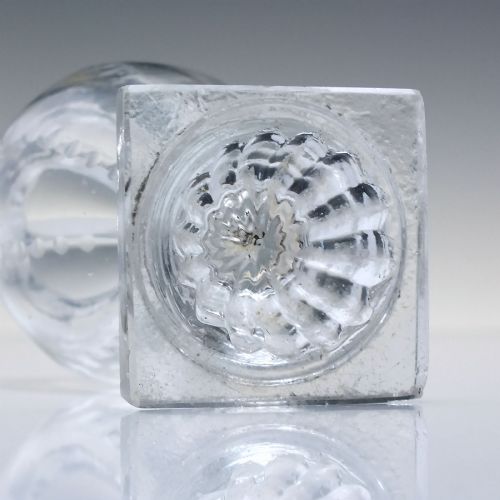
The body sits upon a short capstan stem above a square lemon squeezer foot.
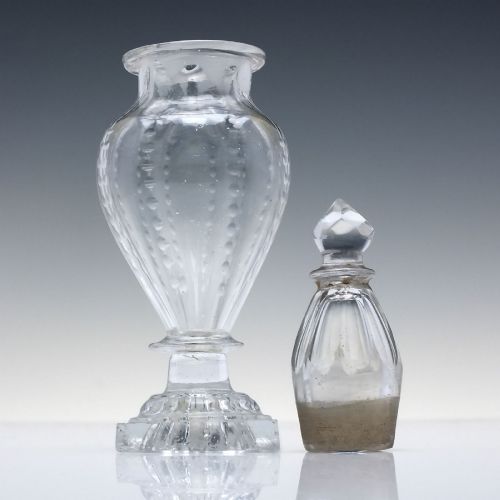
It retains a period replacement stopper of the correct general form, beautifully flute cut with a facet cut pointed finial. Although contemporary in style, the stopper differs from the rib moulded decoration of the original body.
Date & Origin
England, c1800, King George III.
Condition
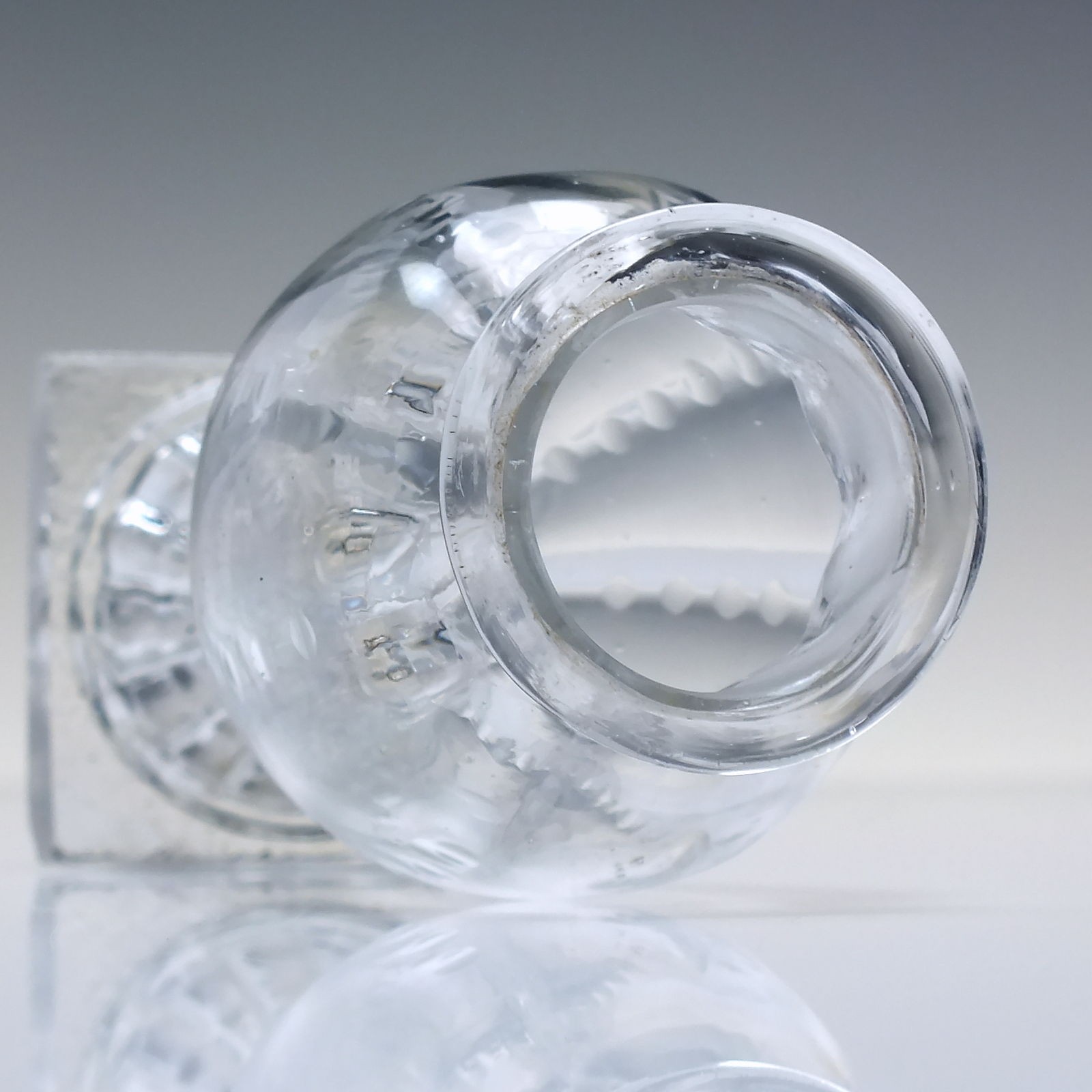
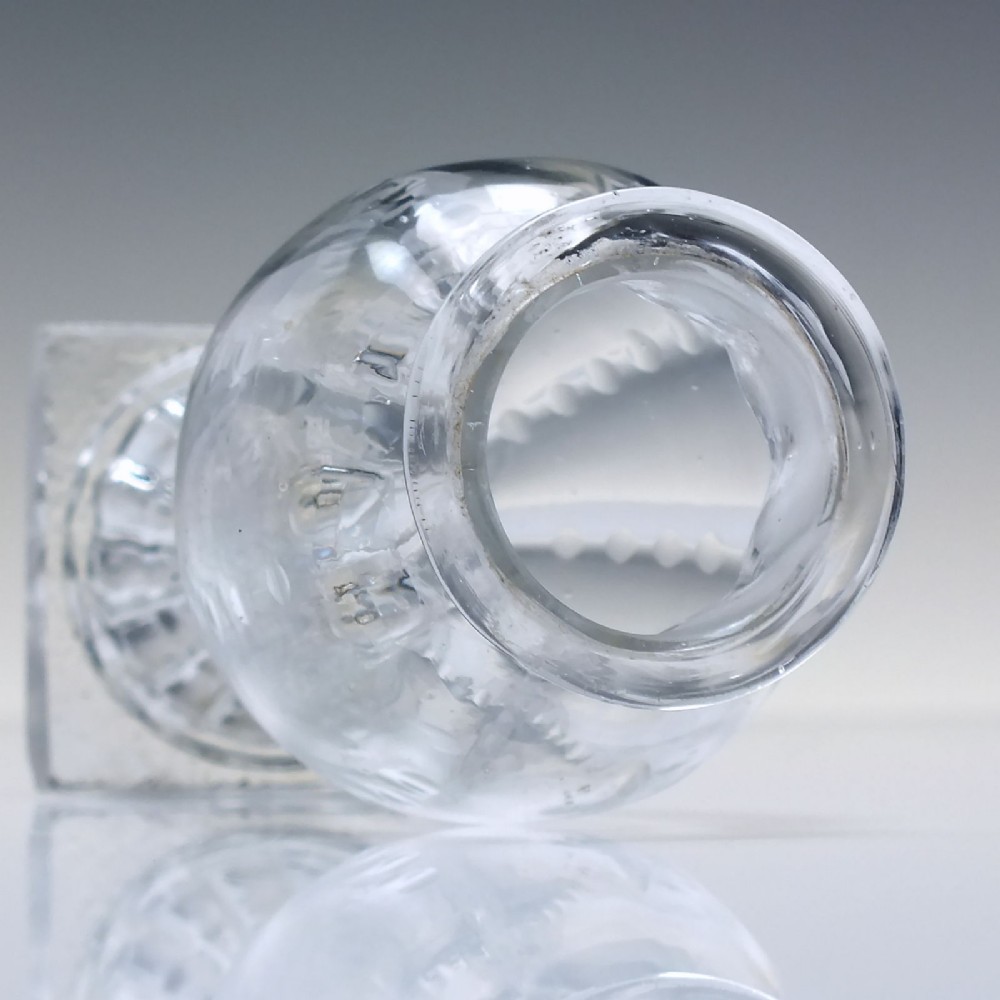
Excellent antique condition. A few tiny nibbles to the corners of the square foot and a minute pinprick to the pontil, consistent with table glass over 200 years of age. No cracks or restoration.
The stopper is a period replacement in the correct style, although flute cut rather than rib moulded.
We also have a marginally smaller example with the same design, but with its original stopper.
George III Dry Mustard With Original Lid.
Dimensions
Height: 17.2cm
Diameter: 5.6cm
Weight: 202g
Historical Context
During the Georgian period, mustard was an established accompaniment to meat, fish and other savoury dishes, and was frequently served at the dining table in powdered form.
Before commercially prepared mustard became widely available, households commonly mixed dry mustard powder with water, vinegar or other liquids according to personal preference.
Dry mustard pots were designed to store and present the powdered condiment, with their narrow necks and fitted stoppers helping to protect the contents from moisture.
By the late 18th century, English glassmakers were producing increasingly elaborate examples, reflecting the growing importance of coordinated tableware in fashionable Georgian households.
Rib moulding, notch cutting and square lemon squeezer feet were characteristic decorative features of the period, particularly around 1790–1810. The lemon squeezer foot...with its distinctive square outline and moulded underside... became a fashionable feature of late Georgian glassware, appearing on decanters, salts, mustard pots, rummer and other table accessories.
Exhibit Antiques has dated this Georgian Glass Mustard Cruet to the Georgian era.
This is an independent date report produced by Sellingantiques using its own proprietary system. The process uses the photographs shown on this page. The system is never told the date the dealer has declared. This report shows that the two dates corroborate.
Specialists in 18th & 19th century antique glass
You can view the stock and full dealer information on the Exhibit Antiques Profile Page
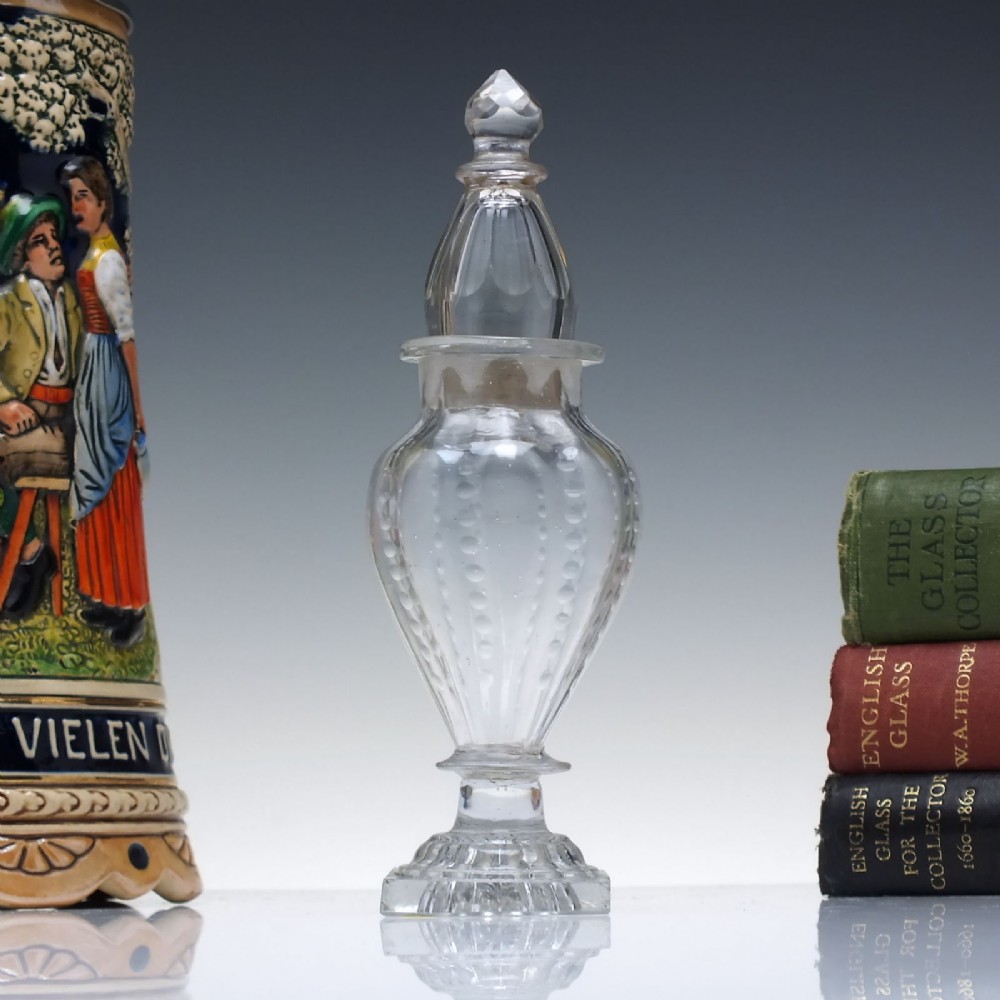
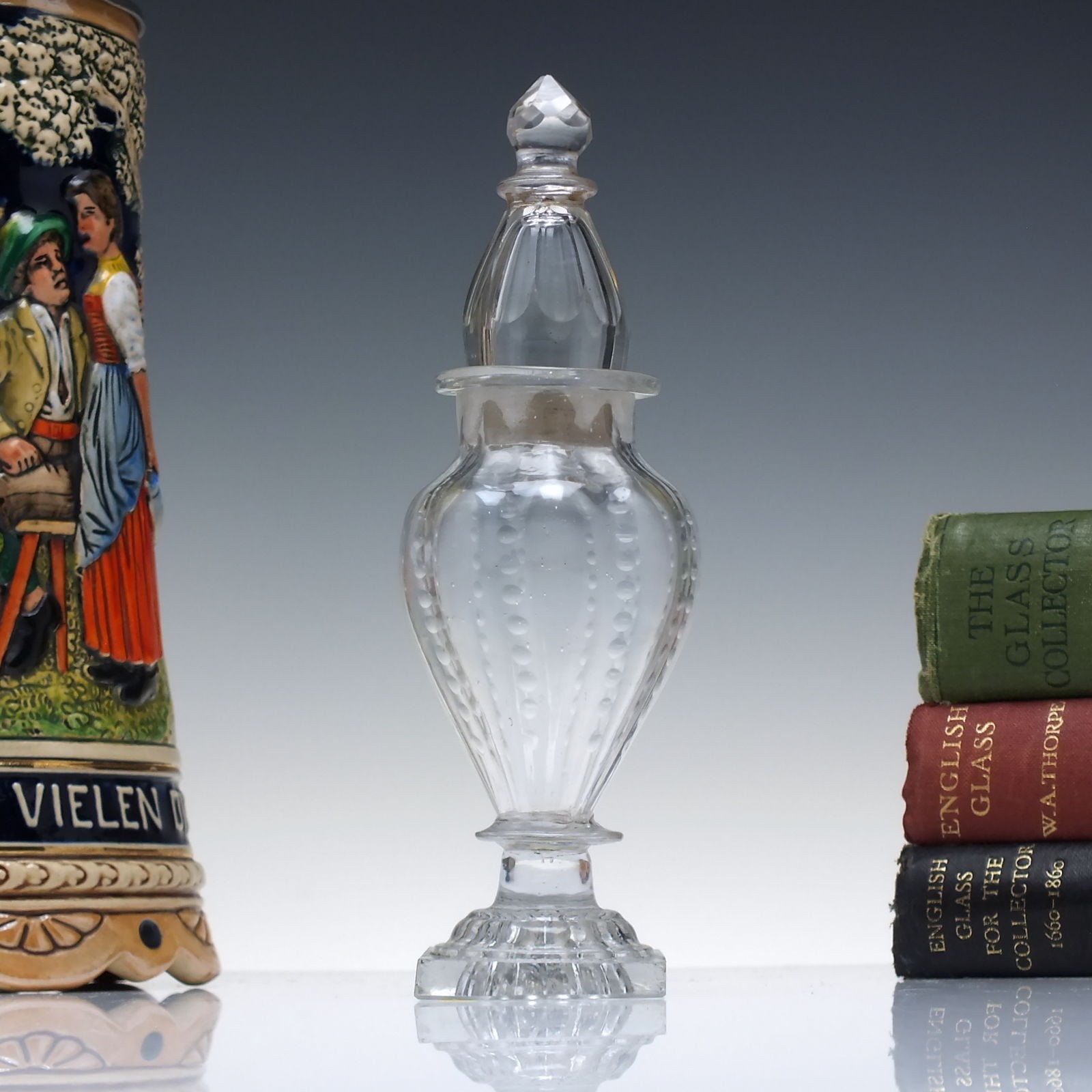
George III Glass Dry Mustard Cruet C1800