
A 2026 Guide by Sellingantiques
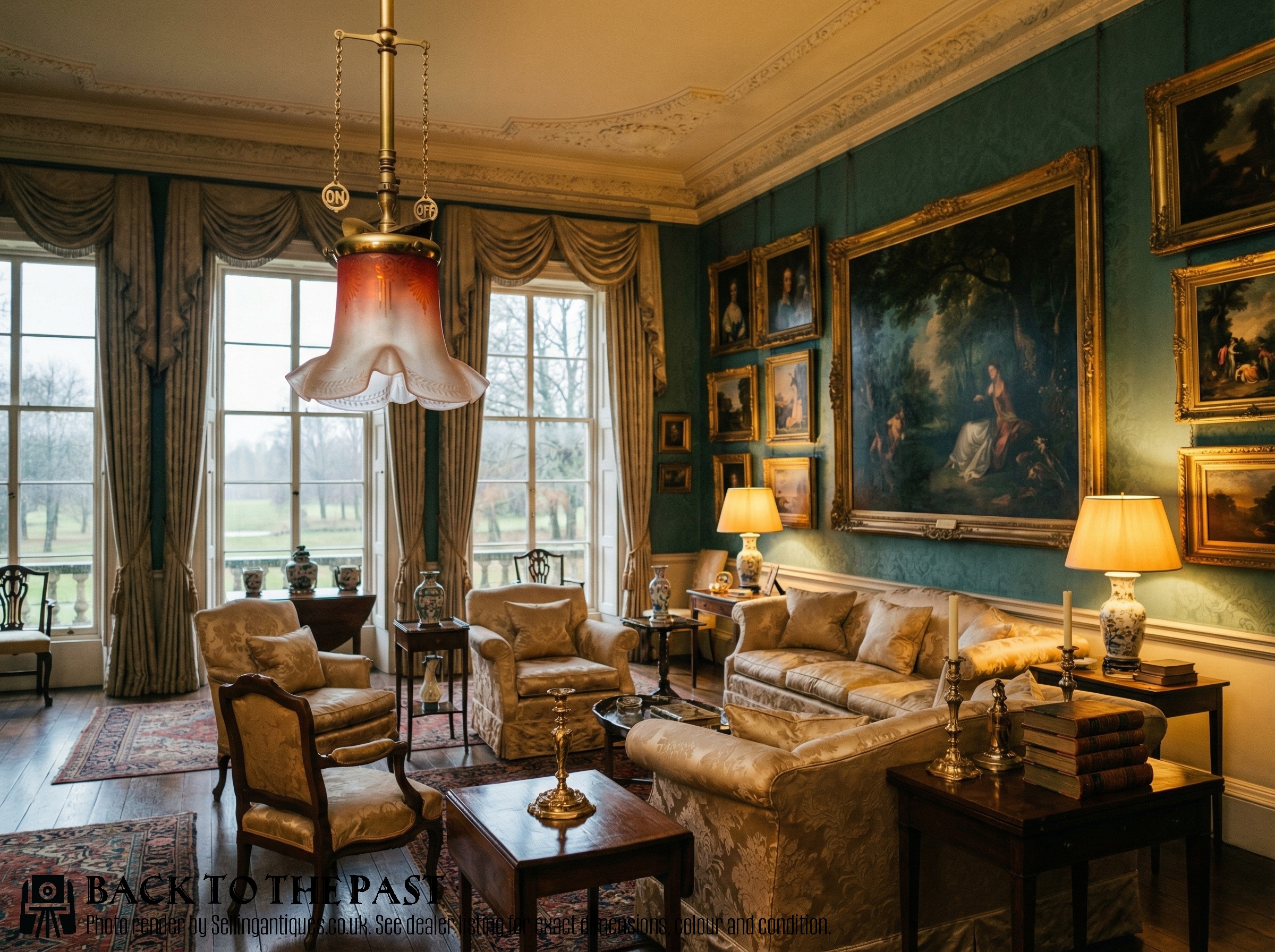
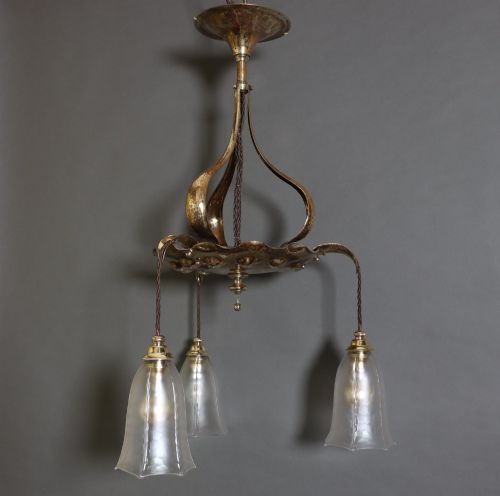
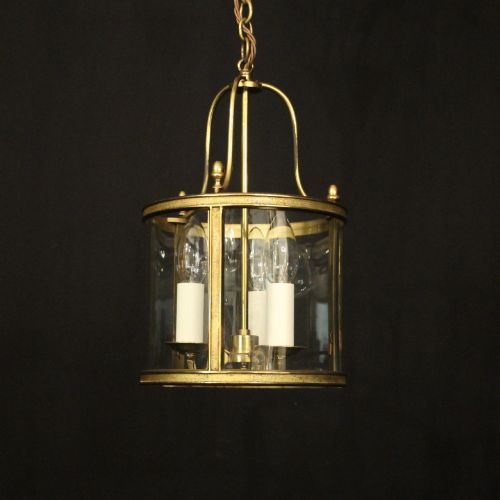
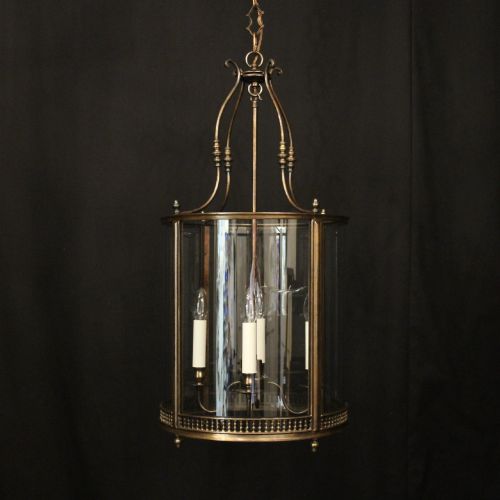
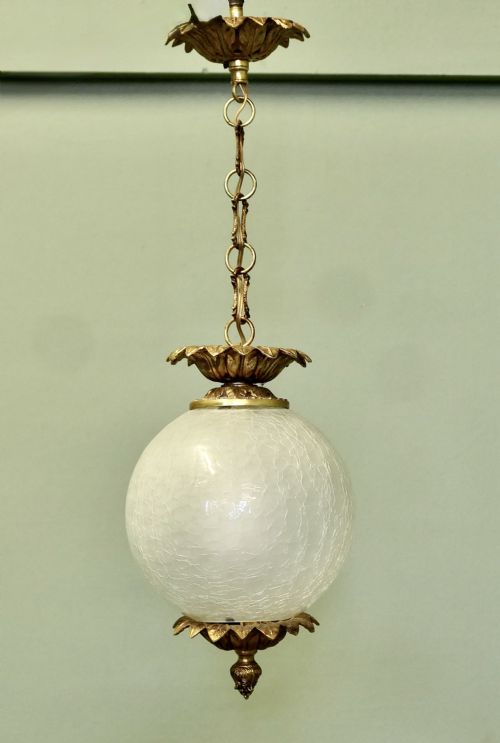
Pretty Brass and Etched Glass Light, 1920
Priced at £245 from Rams Head Antiques
Gas fixtures preceded electricity, so early electric antique pendant lights often mimicked gasolier shapes before adapting to the lighter weight of a bulb.
Look for early twentieth-century holophane glass designs. They spread the light evenly across shop floors and drafting rooms.
Industrial expansion drove demand for functional overhead lighting in factories during the Edwardian era.
Enamelled spun steel shades became standard in commercial spaces because they focused the beam downwards over workbenches.
Residential models arrived slightly later. Early domestic versions often featured silk shades or basic glass domes hanging in hallways.
Holophane developed prismatic glass shades from the late nineteenth century. Their stamped marks usually sit around the rim.
Benjamin Electric Manufacturing Company produced industrial enamelled reflectors. You will often see their name cast into the metal gallery.
GEC supplied a massive range of brass and glass pendant fittings to British homes and offices.
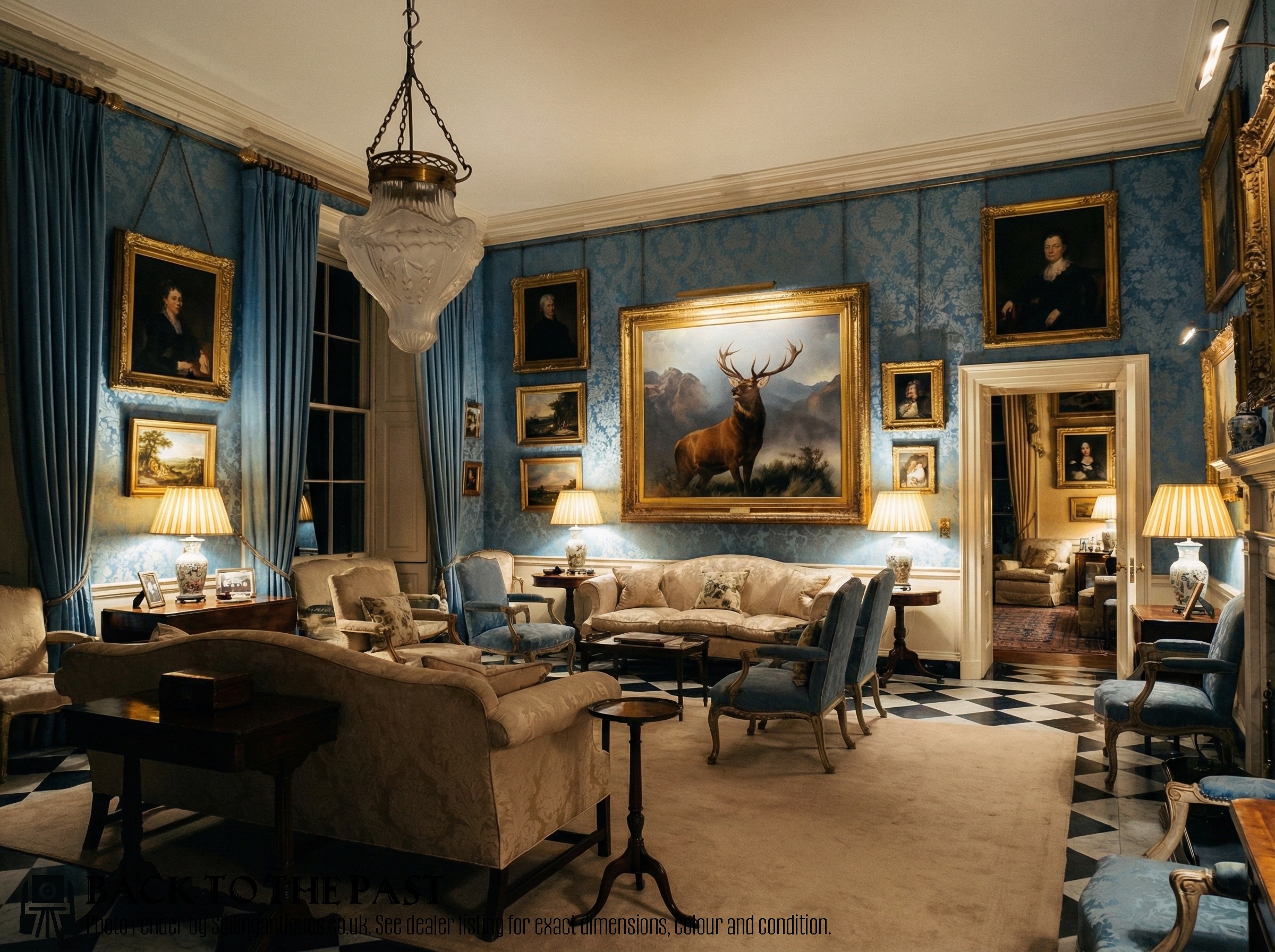
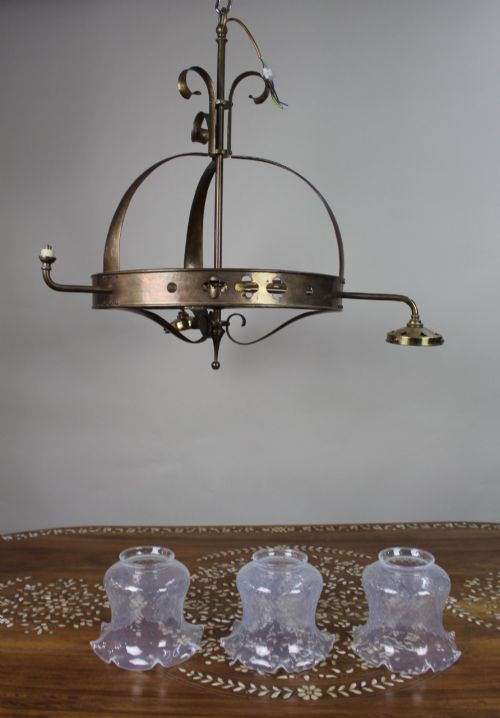
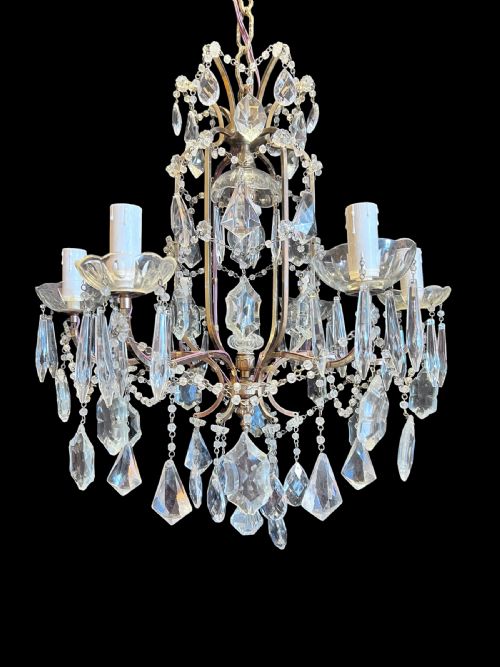
Early 20th Century Super Quality Glass Pendant, 1930
Priced at £275 from Rupert Landen Antiques
The 2026 retail price guide for Antique Pendant Lights is drawn from a proprietary archive of over 1.1 million retail prices indexed by Sellingantiques since 2003. This guide relies exclusively on their own internal data; no external sources or auction records are used.
Analysing nearly 25 years of UK antique market history alongside current retail values, the data indicates that typical UK retail prices for Antique Pendant Lights range between £300 and £3,300. Entry-level prices generally fall under £300 and premium examples upwards of £3,300.
The gallery connects the shade to the fitting. It uses small thumbscrews gripping the lip of the glass.
Ceiling roses cover the wiring junction at the top. Early domestic ones were often turned wood or heavy ceramic.
Check the bulb holder. Original brass bayonet cap holders feature a ceramic ring inside to insulate the live connections.
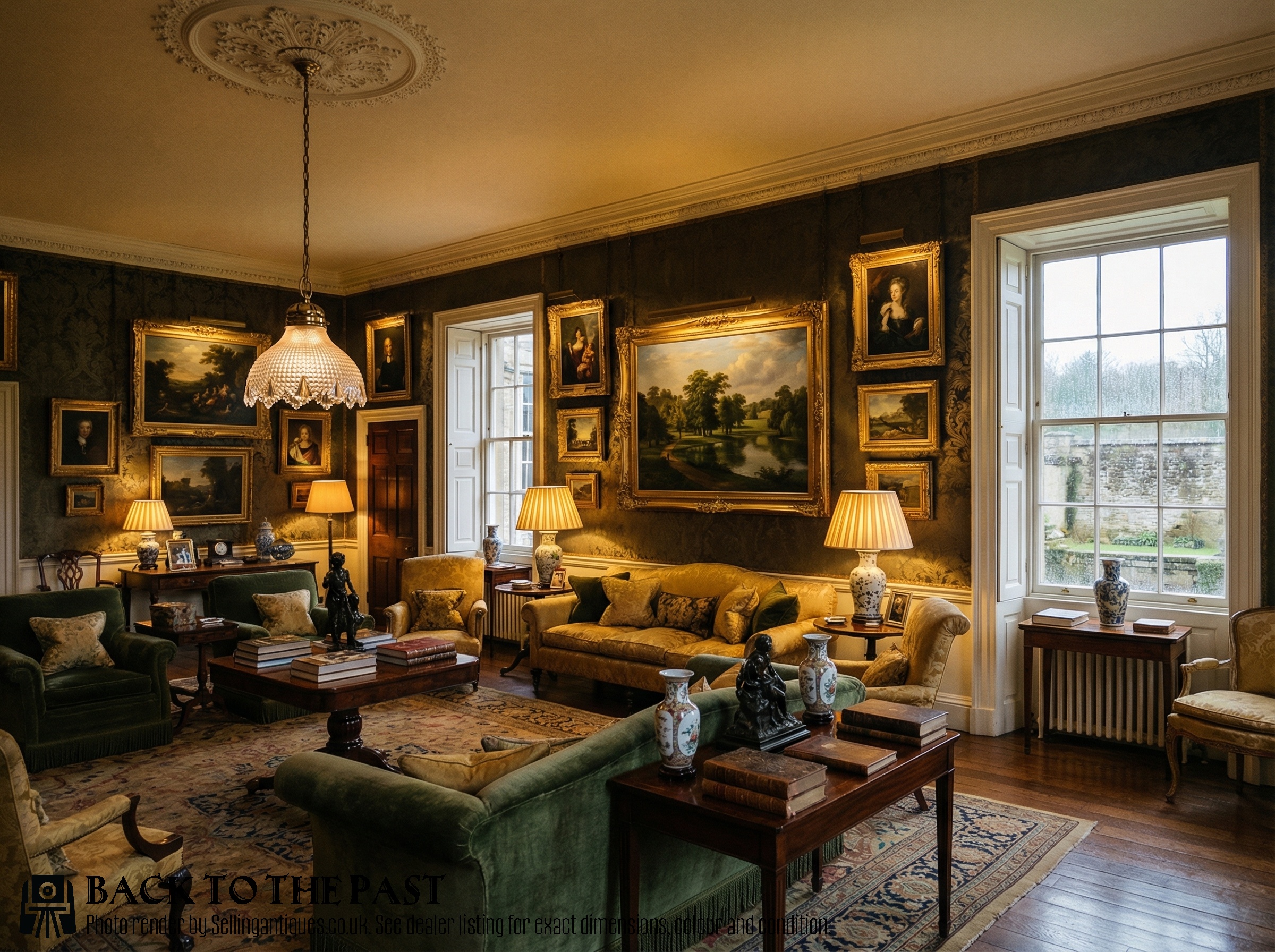
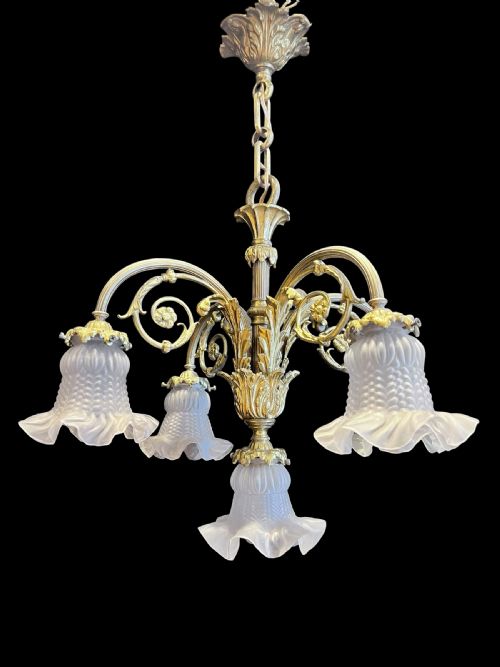
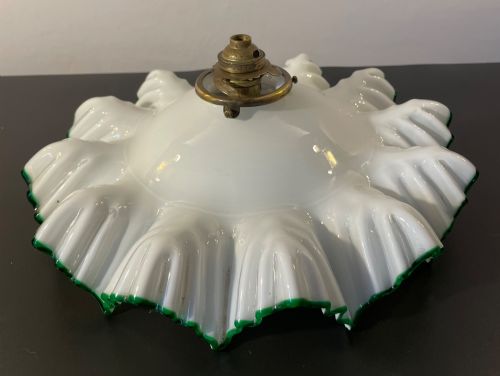
Pretty Early 20th Century Pendant Light with Holophane Shade, 1910
Priced at £225 from Rams Head Antiques
Glassblowers formed early shades in wooden moulds. This method left subtle seams and tiny bubbles in the finished glass.
Metal spinners shaped industrial steel shades on a lathe before firing them with layers of hard-wearing vitreous enamel.
Cast brass fittings required separate machining for the threads. Makers hand-chased the decorative patterns on domestic models.
"Counterweight systems allowed users to pull the fixture lower over a table for reading and push it back up afterwards."
"Prismatic glass designs relied on complex mathematics to refract light outward. This turned a weak bulb into a highly efficient light source."
"Silk fringes on Edwardian examples served a practical purpose by diffusing the light further and softening the shadows."
Based on almost 25 years of Sellingantiques UK antique market data, Antique Pendant Lights appeared 1910 times (out of 1,100,000 antiques) which gives it a rarity score of 68/100.
This score measures scarcity within the Sellingantiques archive only and is not a survey of the entire antiques market, so these statistics may not be indicative of the general availability of Antique Pendant Lights elsewhere.
Most antique pendant lights take modern bulbs without an issue. The original brass lamp holders were usually standard bayonet cap or Edison screw fittings, which are still produced today.
You might need a specific shape of LED to mimic the look of an early carbon filament bulb, but the connection works the same way. Always have the wiring checked first.
You can keep the aesthetic. Specialist suppliers sell modern three-core lighting flex wrapped in braided cotton or silk. It looks exactly like the old twisted cord but meets modern safety standards.
An earth wire is mandatory for any metal fitting. The electrician will run this new braided flex from the ceiling rose down to the brass lamp holder to make it safe to use.
Warm soapy water and a soft brush do the job. The glass ribs trap airborne dust.
Take the shade out of the gallery first. Never wash the brass fittings.
Finding a gallery to fit is usually straightforward. You need to measure the diameter of the hole at the top of your shade. Most industrial shades take a standard two-inch or two-and-a-quarter-inch gallery.
There are companies making solid brass galleries in those traditional sizes. They come with the retaining screws you need to grip the neck of the shade securely.
Please note: This Antique Pendant Lights guide and its associated pricing data are provided for general informational purposes only. It does not constitute formal financial, investment, or appraisal advice and should not be relied upon as the sole basis for any commercial activity, purchasing, or sales decisions. Sellingantiques.co.uk accepts no liability for any actions taken in reliance on this information. Always consult with a qualified professional or independent appraiser.
