

A 2026 Guide by Sellingantiques
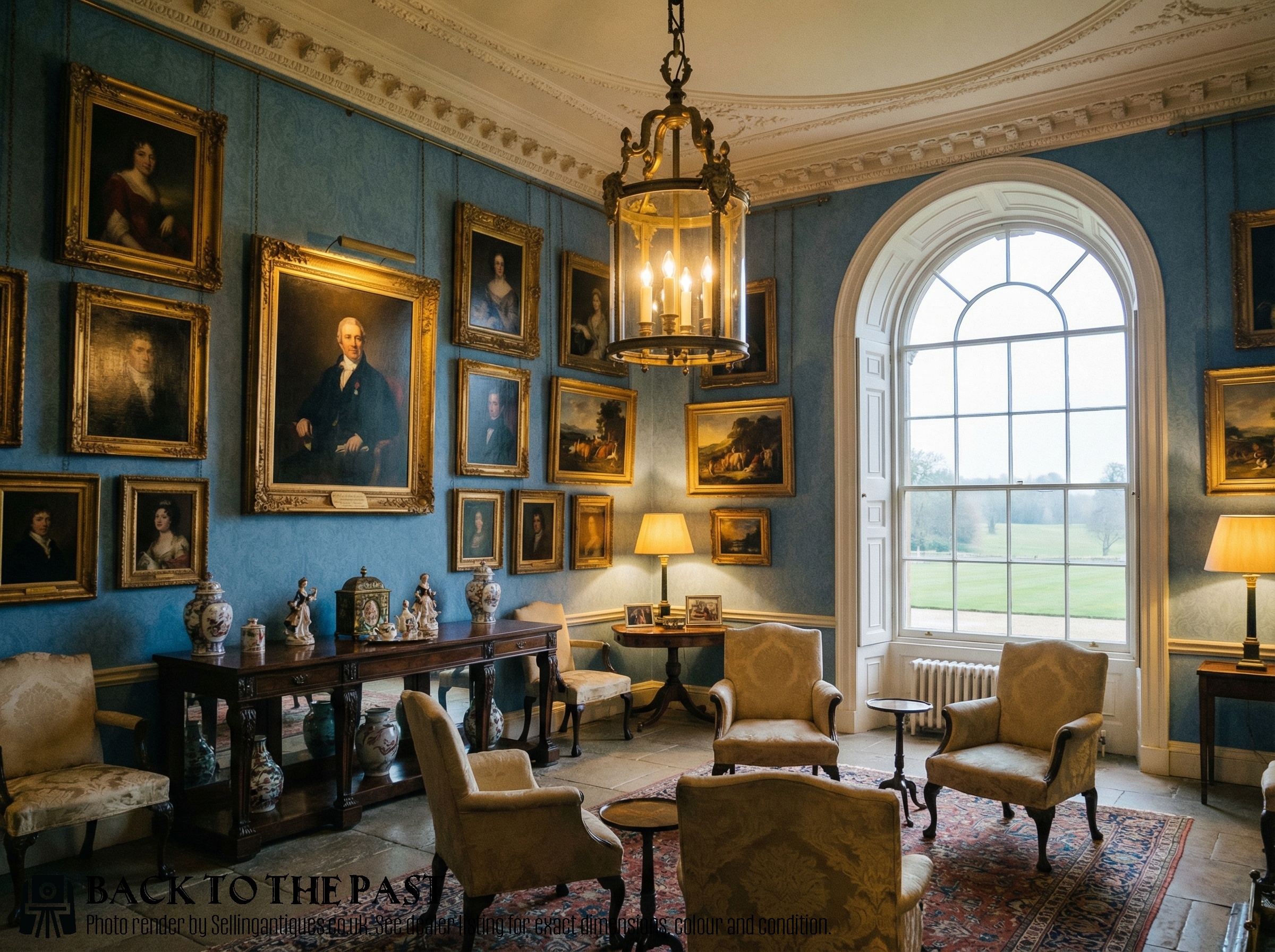
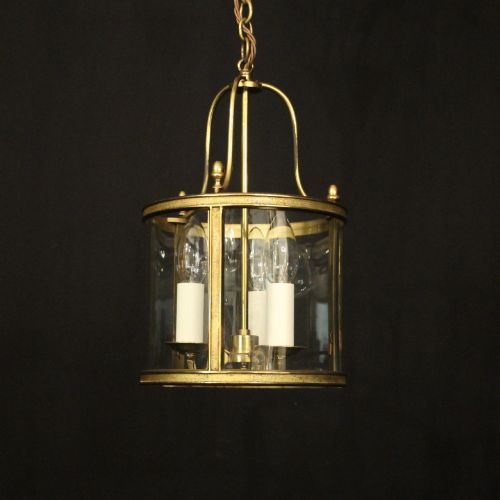
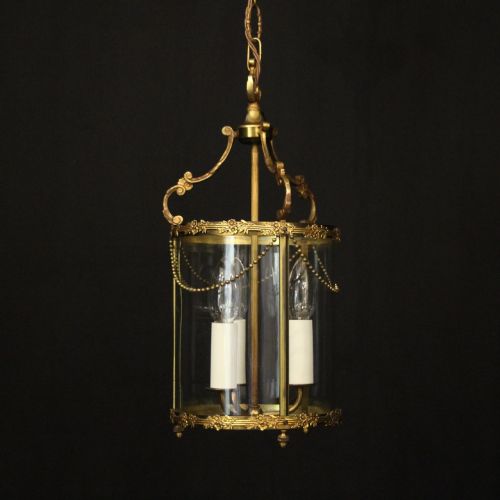
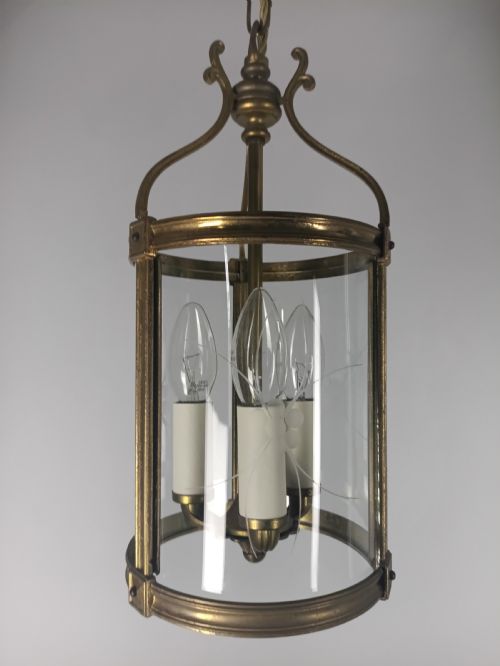
French 19th Century Bronze 4 Light Antique Hall Lantern, 19th Century
Priced at £4,950 from O'Keeffe Antiques
Glazed enclosures kept expensive beeswax candles burning steadily when front doors opened. You'll find most grand townhouses adopted them.
Grand stairwells needed illumination at night. A large hanging light source solved this safely.
Gas lighting changed the design. Pipes replaced hanging chains and the glass shapes grew wider to vent the heat.
Look for soot cowls on earlier pieces. These brass caps stopped smoke blackening the plasterwork above.
Some country houses used oversized versions to light triple-height spaces.
F. & C. Osler dominated the high-end nineteenth-century lighting trade. They often stamped their brassware on the gallery edge.
Perry & Co produced heavy cut-glass and brass lanterns for prominent London houses.
Much of the trade remained anonymous. Regional founders supplied components to local assembly workshops across the country.

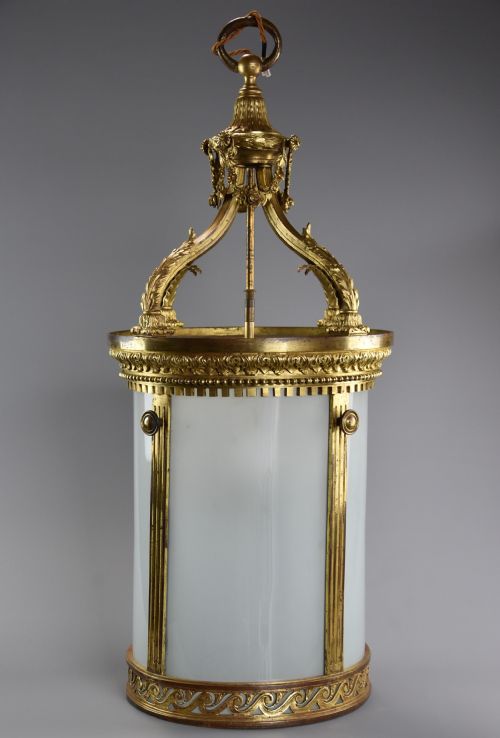
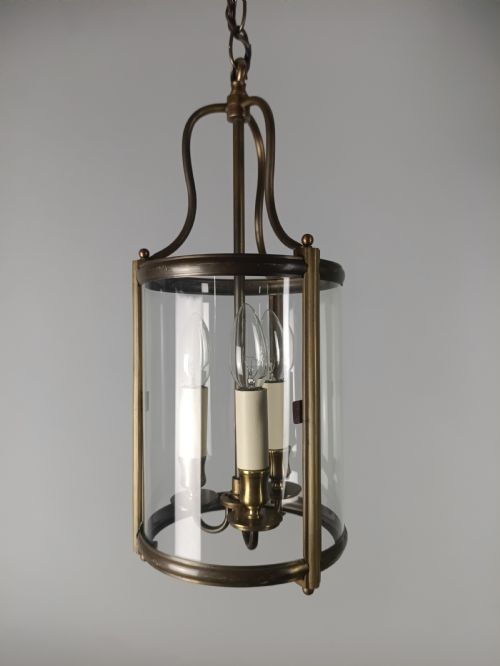
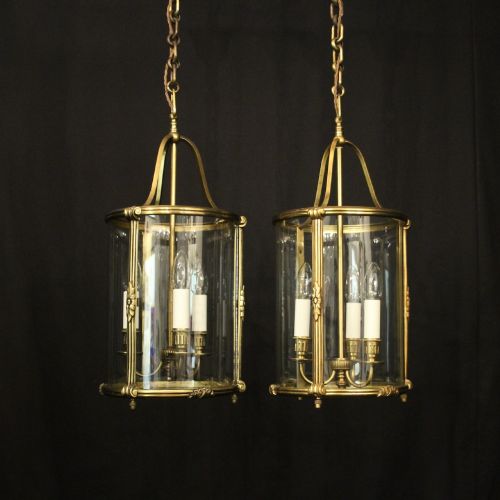
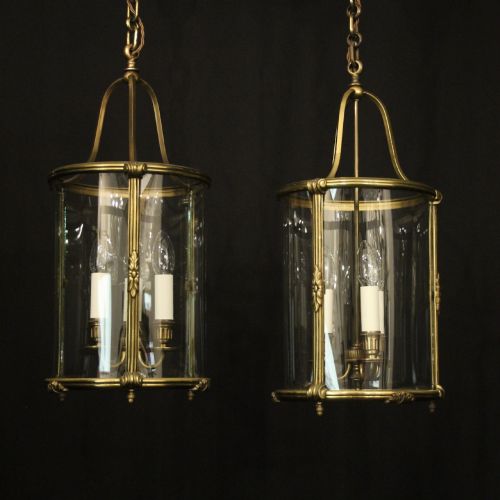
French Bronze Triple Light Hall Antique Lantern, 1920
Priced at £1,575 from O'Keeffe Antiques
The 2026 retail price guide for Antique Hall Lanterns is drawn from a proprietary archive of over 1.1 million retail prices indexed by Sellingantiques since 2003. This guide relies exclusively on their own internal data; no external sources or auction records are used.
Analysing nearly 25 years of UK antique market history alongside current retail values, the data indicates that typical UK retail prices for Antique Hall Lanterns range between £500 and £2,000. Entry-level prices generally fall under £500 and premium examples upwards of £2,000.
A central light cluster sits inside the glazed body. Often this takes the form of three faux candle sleeves.
Look up at the corona. It's a decorative metal crown that hides the ceiling hook and hanging loop.
Hinged doors allow access. Turn the small latch to change bulbs or wipe the interior panes clean.
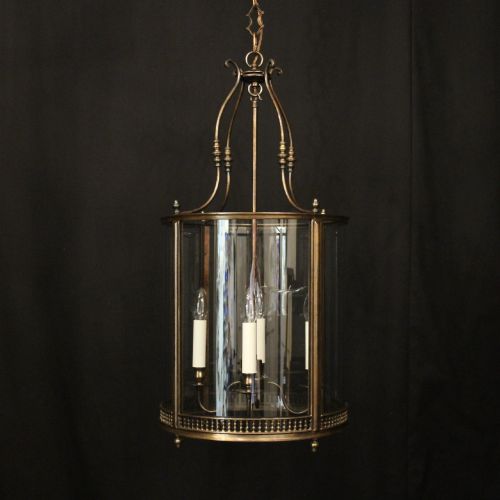
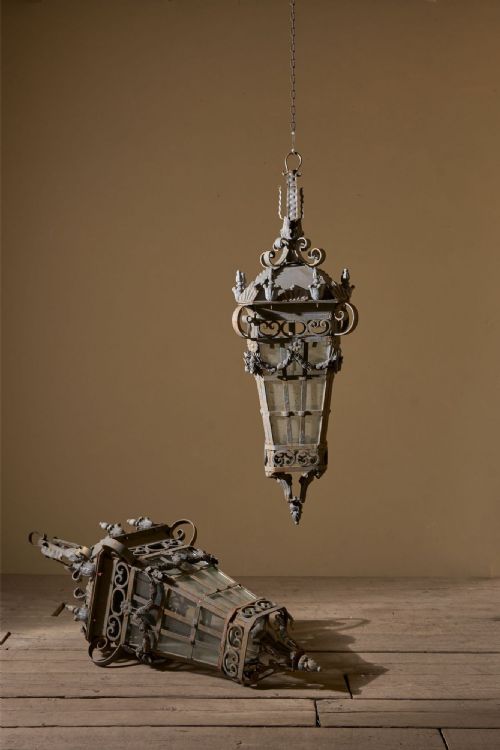
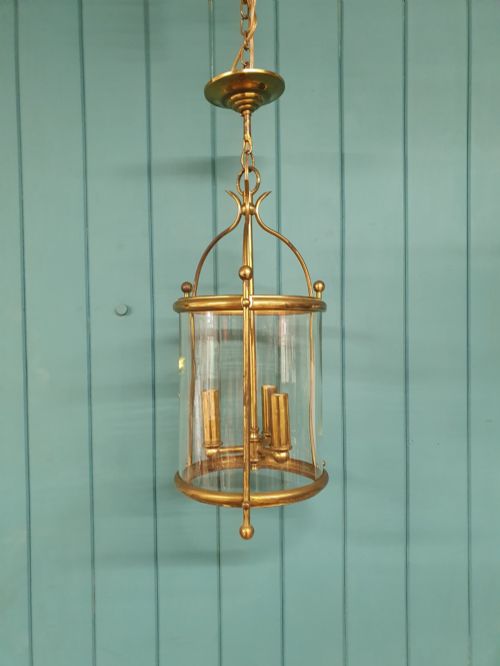
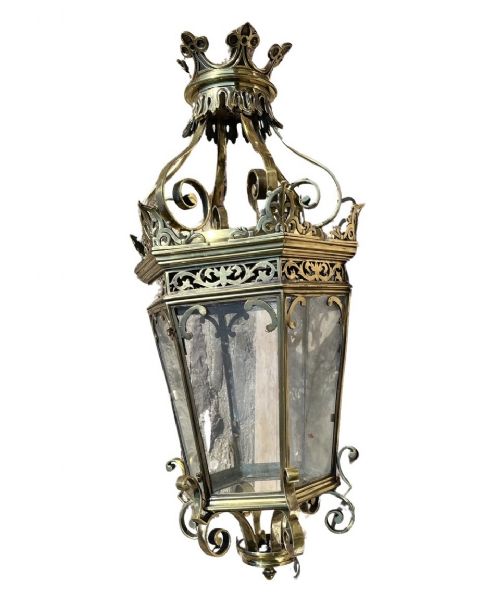
French Very Large Steel & Brass 4 Light Lantern, 1930
Priced at £3,750 from O'Keeffe Antiques
Early frames were cast in sand moulds. You can sometimes see rough filing marks on the inside edges where makers cleaned up the metal.
Bent glass requires skill. Artisans slumped flat sheets over curved iron moulds inside a kiln to fit cylindrical frames.
Pinning the components together was common before machine screws. Small tapered pegs hold the uprights to the base ring.
"Curved glass acts as a lens. A lit cylinder lantern throws interesting warped shadows across a plain hallway wall."
"Many early examples adapt easily to modern wiring. The hollow central tubes meant for gas pipes now hide electrical cables out of sight."
"Brass frames gain depth over time. The unpolished inner surfaces develop a rich dark patina that contrasts with the highlighted outer edges."
Based on almost 25 years of Sellingantiques UK antique market data, Antique Hall Lanterns appeared 1559 times (out of 1,100,000 antiques) which gives it a rarity score of 73/100.
This score measures scarcity within the Sellingantiques archive only and is not a survey of the entire antiques market, so these statistics may not be indicative of the general availability of Antique Hall Lanterns elsewhere.
The easiest method is to leave the antique hall lantern hanging. Prop the access door open carefully.
Use a soft lint-free cloth and a basic glass spray. Spray the cloth rather than the pane to stop drips pooling in the brass gallery.
A heavy antique frame rarely swings much. The cast brass construction gives it enough weight to hang true in a normal draught.
If the porch is fully open to gales, it might be safer to fix the base to a wall bracket. Chain-hung lanterns suit enclosed vestibules better.
Yes. An electrician will fit standard threaded lampholders during the rewire.
The metal arms that once held heavy glass oil fonts easily support modern LED bulbs.
Usually they used the existing gas channels. The hollow tubes that carried gas down from the ceiling hook were wide enough for early electrical flex.
Sometimes you find small exit holes drilled near the burner taps. These alterations are part of the working history of the piece.
Modern restorers often thread thin modern cables through those same routes. This leaves the outer brasswork unaltered.
Please note: This Antique Hall Lanterns guide and its associated pricing data are provided for general informational purposes only. It does not constitute formal financial, investment, or appraisal advice and should not be relied upon as the sole basis for any commercial activity, purchasing, or sales decisions. Sellingantiques.co.uk accepts no liability for any actions taken in reliance on this information. Always consult with a qualified professional or independent appraiser.
