
A 2026 Guide by Sellingantiques
Gas and electric systems often sat side by side during this transitional period.
Look at the rapid expansion of domestic wiring just after the turn of the century. It forced a rethink of how fixtures hung.
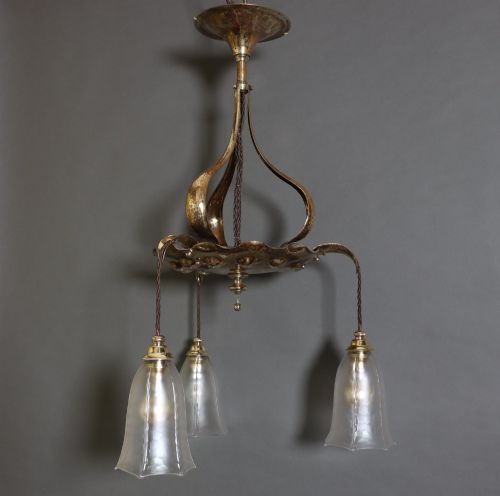
Many wealthier homes kept gas lines active in case the new electrical grid failed. Combination chandeliers remain a fascinating subset of Antique Edwardian Lighting, demonstrating this deep distrust of early power stations.
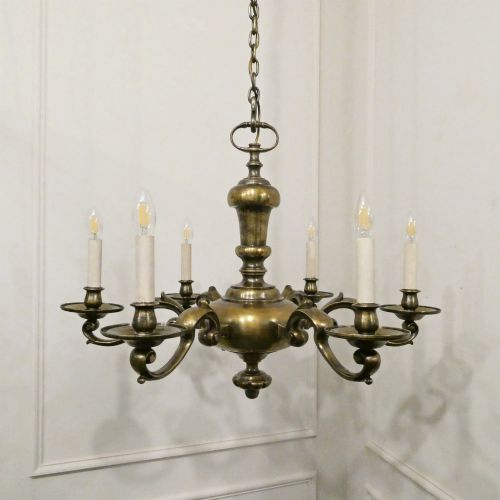
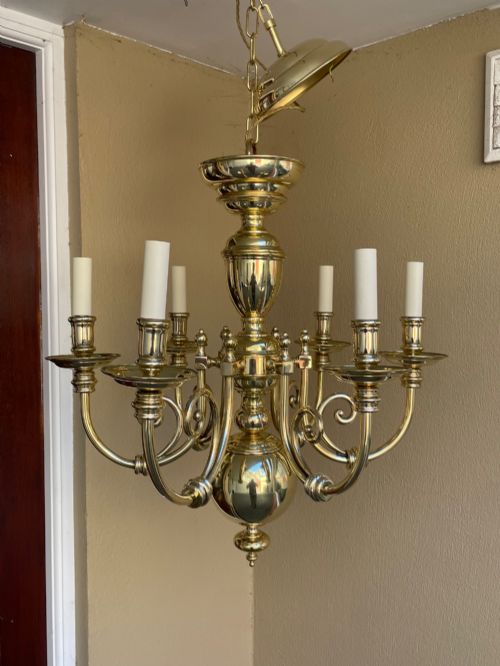
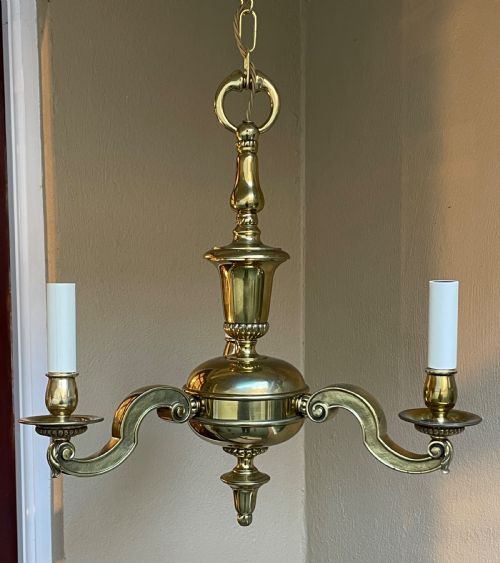
Central ceiling pendants became the standard way to illuminate a dining room.
WAS Benson produced some of the most recognisable Arts and Crafts copper and brass fixtures during this era.
F.&C. Osler made the switch from crystal gasoliers to electric chandeliers, maintaining their heavy glass drops.
Faraday & Son supplied numerous high-end domestic installations. Their stamped backplates turn up frequently on surviving wall brackets.
The 2026 retail price guide for Antique Edwardian Lighting is drawn from a proprietary archive of over 1.1 million retail prices indexed by Sellingantiques since 2003. This guide relies exclusively on their own internal data; no external sources or auction records are used.
Analysing nearly 25 years of UK antique market history alongside current retail values, the data indicates that typical UK retail prices for Antique Edwardian Lighting range between £300 and £1,400. Entry-level prices generally fall under £300 and premium examples upwards of £1,400.
Downward-facing bulbs distinguish early electric fittings from upright gas jets.
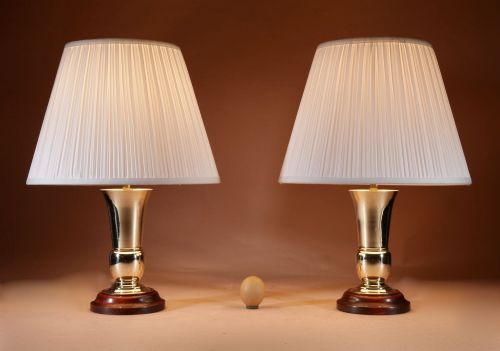
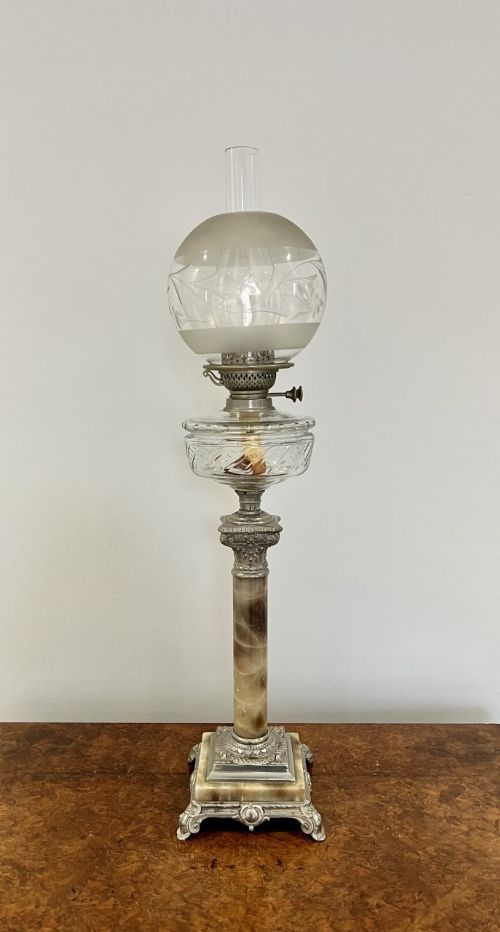
Notice the delicate, sweeping curves on table lamps. They borrowed heavily from the fading Art Nouveau movement.
Wide, shallow bowl pendants slung on three brass chains became a staple for hallways and drawing rooms.
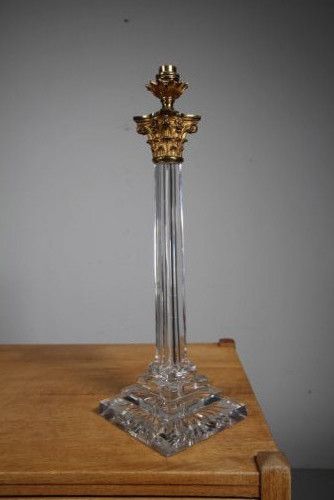
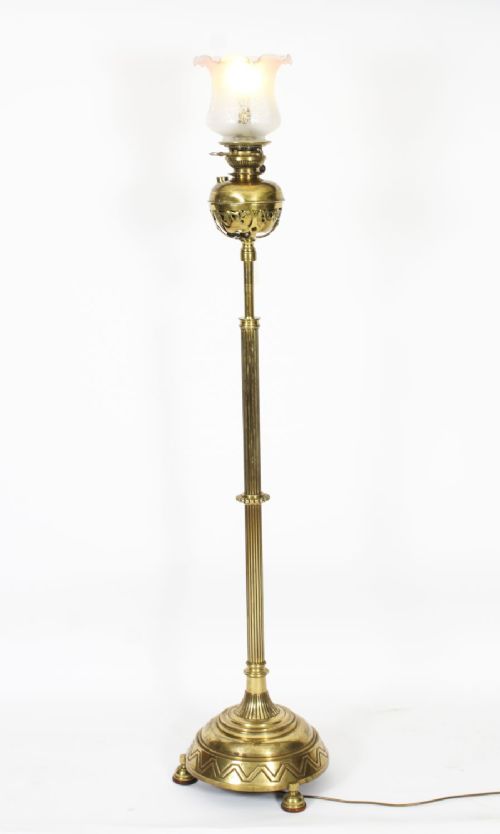
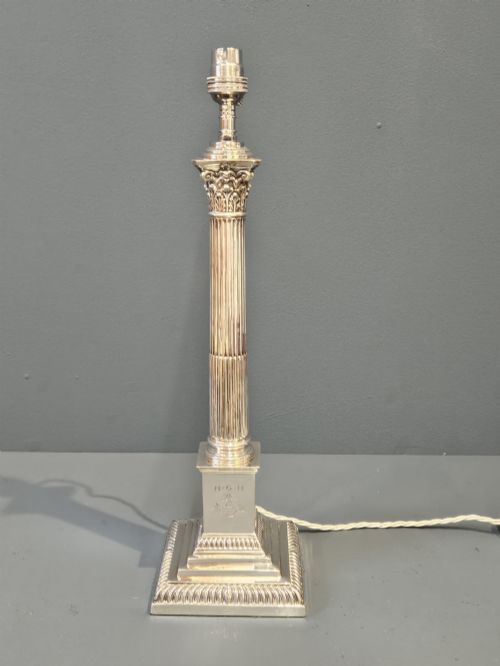
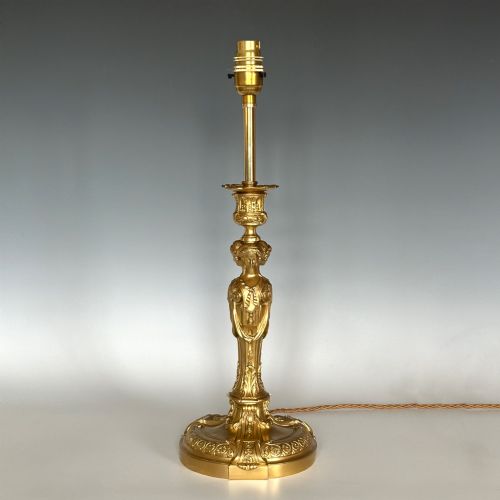
Hollow brass tubing allowed wires to run unseen down the stems of tall table lamps.
Spinners shaped sheet metal over wooden formers on a lathe. It created lightweight canopies and bases.
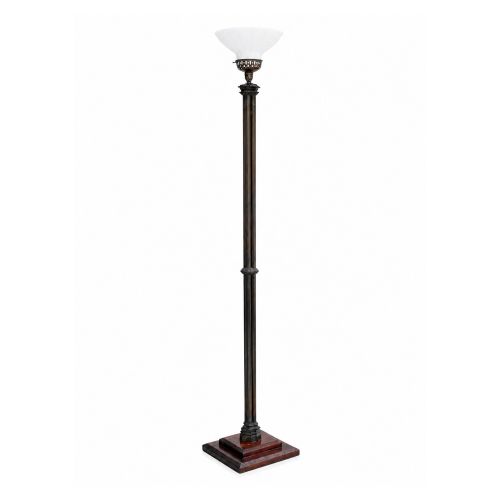
Heavy casting was reserved for decorative joints or base weights to stop tall floor standards tipping over.
"Some early electric switches were fashioned from polished wood and porcelain to match the skirting boards."
"Counterweight mechanisms allowed dining room pendants to be pulled down over the table for close-up reading."
"Pink silk shades were often prescribed to give the inhabitants a healthy, warm glow in the evening."
Based on almost 25 years of Sellingantiques UK antique market data, Antique Edwardian Lighting appeared 3694 times (out of 1,100,000 antiques) which gives it a rarity score of 48/100.
This score measures scarcity within the Sellingantiques archive only and is not a survey of the entire antiques market, so these statistics may not be indicative of the general availability of Antique Edwardian Lighting elsewhere.
Most dealers sell them already rewired to modern standards. It involves threading new flex through the hollow brass arms and replacing the bulb holders.
Any qualified electrician can do the work. They will also add a modern earth connection to the metal frame for safety.
Don't plug it in. Old silk or cotton-braided flex degrades over decades, leaving the live wires exposed. Touching the brass frame when the insulation has perished carries a serious risk of electric shock.
The lamp needs stripping down to the bare frame. The old wire must be pulled out of the central stem and replaced with modern, double-insulated cord.
Many specialists retain the period look by using new flex covered in braided fabric. This keeps the aesthetic intact while bringing the safety up to current building regulations.
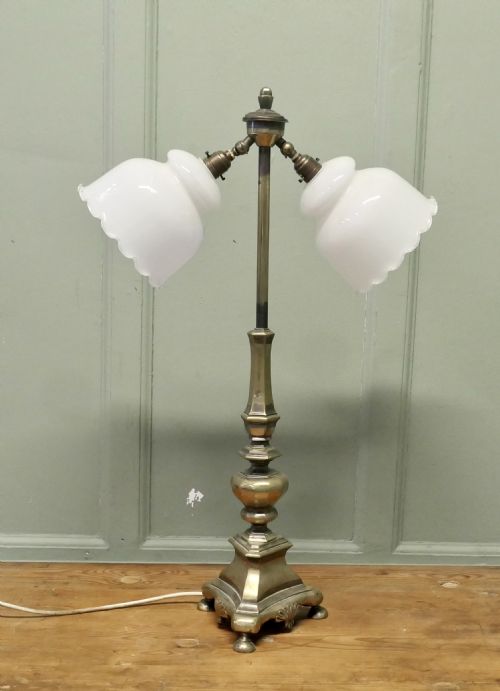
Antique glass shades were designed for early incandescent bulbs. These gave off a low level of light and relatively gentle heat.
Don't use modern high-wattage bulbs. They easily crack old glass. The heat builds up inside enclosed or narrow shades and causes the material to fracture.
LED bulbs are the safest choice. They run cool and mimic the warm glow of period lighting without putting the fragile glass gallery at risk.
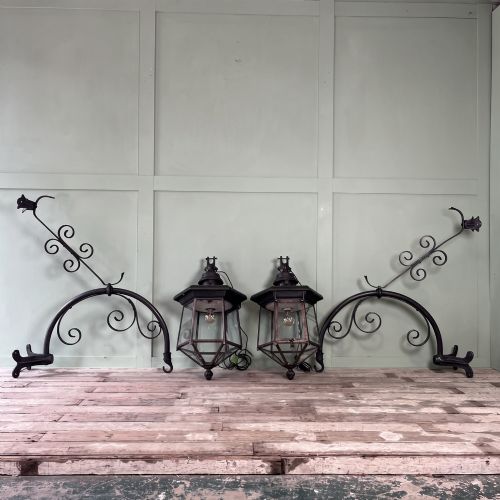
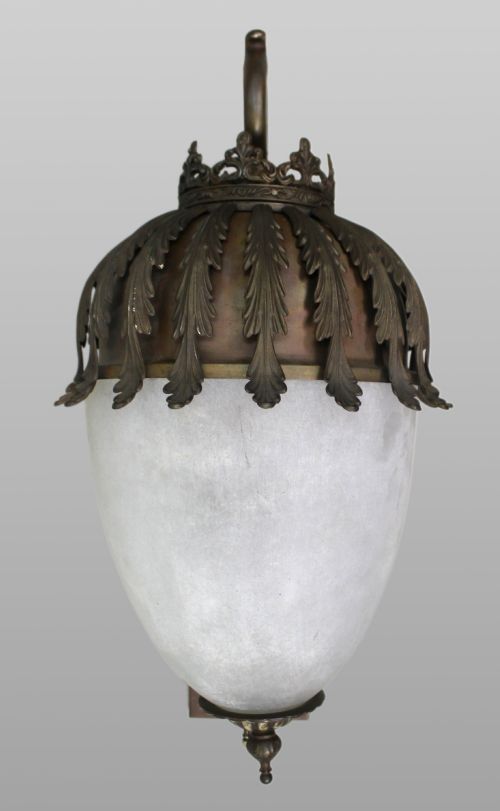
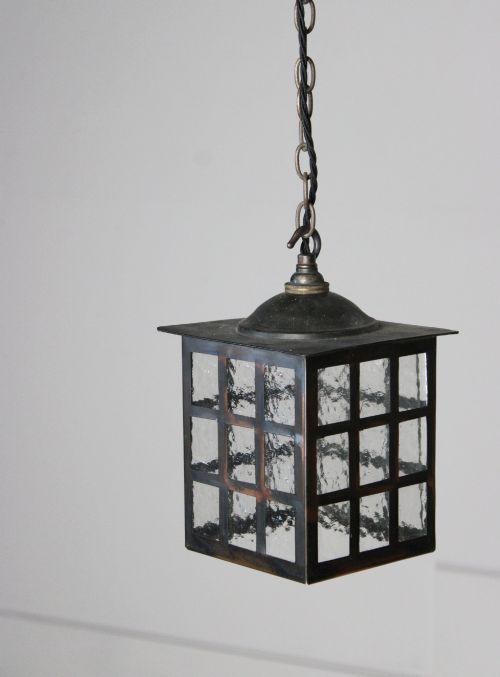
That green oxidation is verdigris. It forms naturally on copper and brass when exposed to damp air over many decades. It is very common on hall lanterns and porch lights.
Some buyers prefer the aged look and leave it exactly as found. A light dusting is often enough to keep the piece looking presentable.
If you prefer bare metal, it can be cleaned off with weak acids and fine wire wool. Once stripped, the copper will need regular polishing to stop the green returning.
Please note: This Antique Edwardian Lighting guide and its associated pricing data are provided for general informational purposes only. It does not constitute formal financial, investment, or appraisal advice and should not be relied upon as the sole basis for any commercial activity, purchasing, or sales decisions. Sellingantiques.co.uk accepts no liability for any actions taken in reliance on this information. Always consult with a qualified professional or independent appraiser.
