
A 2026 Guide by Sellingantiques

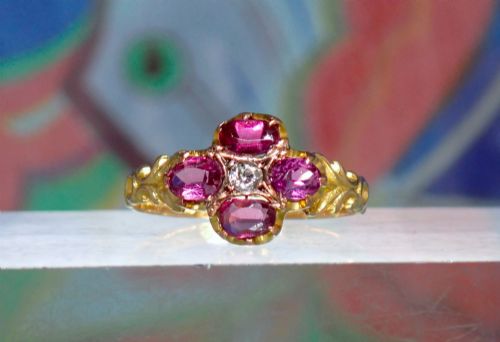
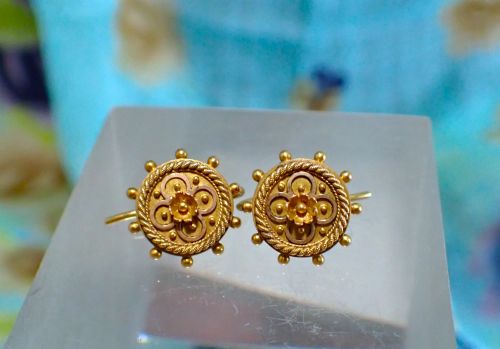
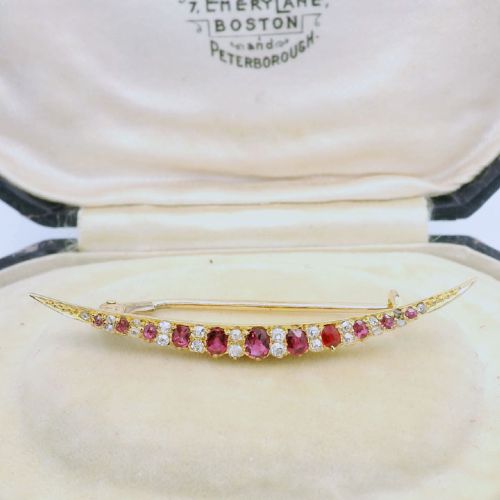
Victorian Etruscan Revival Paste Garnet Gilt Earrings and Brooch, Victorian
Priced at £445 from The Earring Curator
The death of Prince Albert split the century of Victorian Jewellery into clear periods. Early romantic motifs shifted to heavy black pieces overnight.
Look at the sheer volume made during the industrial revolution. Steam power stamped out mounts faster than hand-piercing ever could.
Travel across Europe exposed the British upper classes to Roman and Etruscan archaeological finds. Gold work soon copied those ancient burial goods.
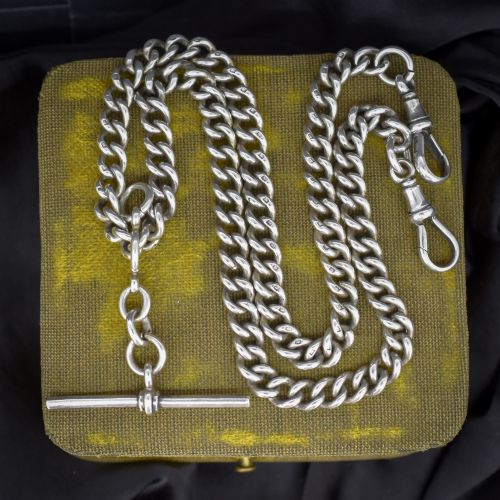
Fashions dictated how pieces were worn. High necklines required long guard chains, while short sleeves led to broad bracelets stacked on the arms.
Carlo Giuliano worked in London from 1860. He specialised in revivalist Victorian Jewellery using intricate enamel and granulated gold work.
John Brogden operated between 1842 and 1885. His workshop produced archaeological revival pieces, heavily inspired by Assyrian and Egyptian museum exhibits.
The Castellani family in Rome drove the classical revival from the 1850s. They mastered the ancient art of applying tiny gold spheres to metal plates.
The 2026 retail price guide for Victorian Jewellery is drawn from a proprietary archive of over 1.1 million retail prices indexed by Sellingantiques since 2003. This guide relies exclusively on their own internal data; no external sources or auction records are used.
Analysing nearly 25 years of UK antique market history alongside current retail values, the data indicates that typical UK retail prices for Victorian Jewellery range between £300 and £2,300. Entry-level prices generally fall under £300 and premium examples upwards of £2,300.
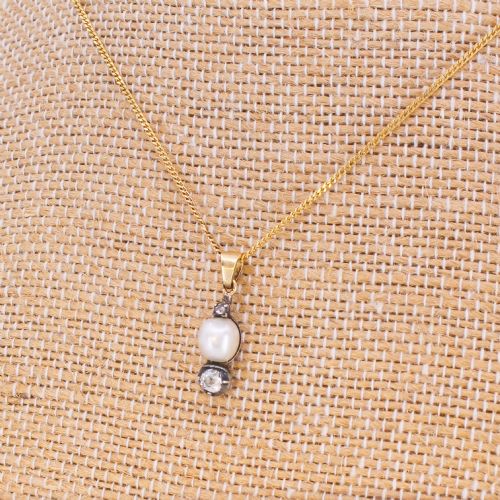
Seed pearls frequently border brooches and lockets from this period. They string together on horsehair, pegged into shallow drilled channels.
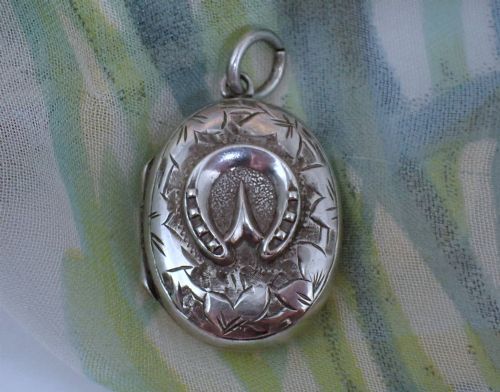
Turn a pendant over to spot the glazed hair compartment. Many Victorian pieces feature this woven memorial sitting flush against the wearer.
Clasps are heavy and prominent. Often they form part of the design, like a sculpted hand holding a ring to secure a chain.
Die-stamping replaced hand casting for everyday items. Steel dies pressed gold sheet into hollow, lightweight forms that mimic heavy solid pieces.
Notice the fine cannetille wirework on earlier examples. Jewellers curled fine threads of metal into lace patterns before heavy casting took over.
Vulcanite offered a cheaper, mouldable alternative to carved jet. Heated rubber mixed with sulphur pressed easily into intricate cameo dies.
"Hidden messages often spell out words of affection. Jewellers used the first letter of different gemstones to spell names or sentiments like regard."
"Hair work was a distinct and respected trade. Professional artists wove complex miniature landscapes and flowers from strands of human hair."
"Novelty designs embraced the natural world in clever ways. You will find gold beetles, frogs, and lizards set with vibrant green garnets."
Based on almost 25 years of Sellingantiques UK antique market data, Victorian Jewellery appeared 14457 times (out of 1,100,000 antiques) which gives it a rarity score of 6/100.
This score measures scarcity within the Sellingantiques archive only and is not a survey of the entire antiques market, so these statistics may not be indicative of the general availability of Victorian Jewellery elsewhere.
Keep water away. Moisture turns the dark brown surface a dull khaki colour.
Rub gently with a dry cotton cloth to remove dust. A tiny drop of mineral oil brings the dark shine back.
Opals and pearls from this era do not handle daily knocks well. They scratch against hard surfaces and absorb chemicals from hand soaps.
Keep them for occasional wear. Rings take the most punishment, whereas brooches and pendants stay safely away from sudden impacts.
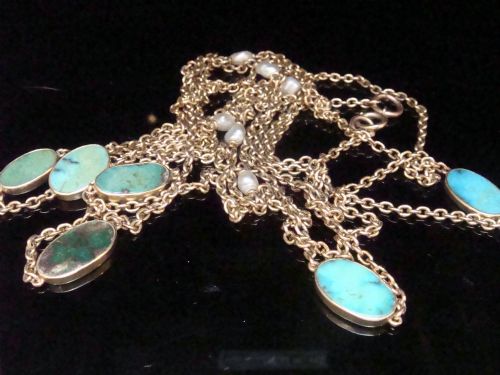
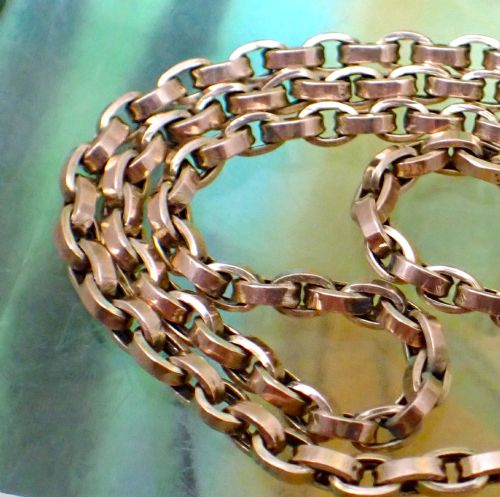
That length suggests it is a muff chain or a guard chain.
Women wore these draped down to the waist to secure a pocket watch or a hand warmer.
Rough inner links often point to early machine turning or the remains of casting sprue. Makers polished the outside faces that caught the light, leaving the hidden inner curves less refined.
Safety chains frequently break and get replaced over a century of use. The brassy link is a later addition done by a high street repairer.
Original makers usually matched the safety chain to the main metal. They soldered tiny gold loops to the bangle walls, keeping the whole piece uniform in colour and wear.
Please note: This Victorian Jewellery guide and its associated pricing data are provided for general informational purposes only. It does not constitute formal financial, investment, or appraisal advice and should not be relied upon as the sole basis for any commercial activity, purchasing, or sales decisions. Sellingantiques.co.uk accepts no liability for any actions taken in reliance on this information. Always consult with a qualified professional or independent appraiser.
