


Antique Lalique Glass
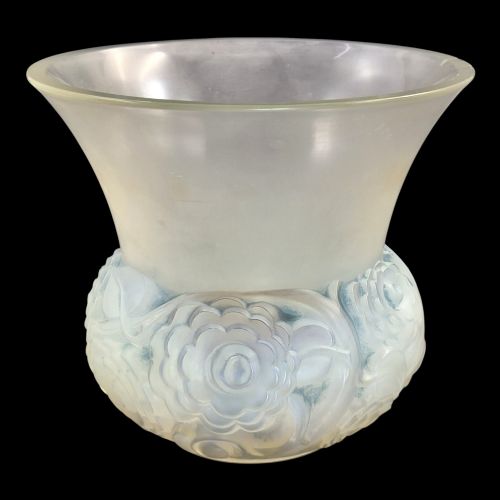
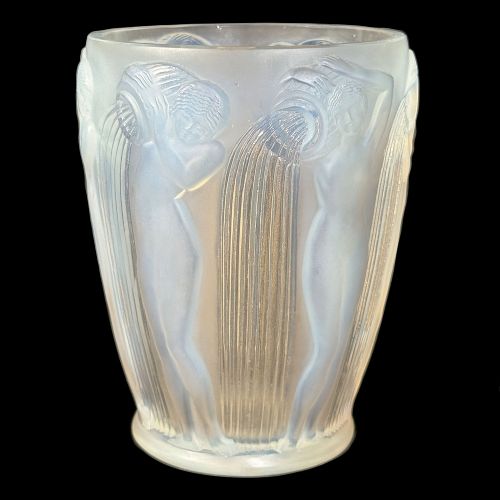
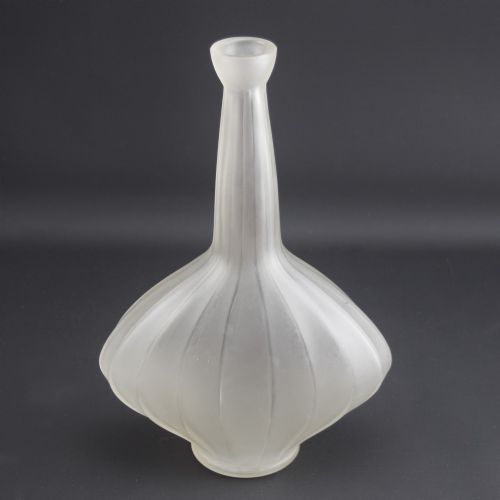
Press-moulded French glass of the 1920s and 1930s, made as bowls, vases, scent bottles, paperweights and car radiator mascots, and sold then as it is now by the name of the pattern moulded into it.

Antique Lalique Glass
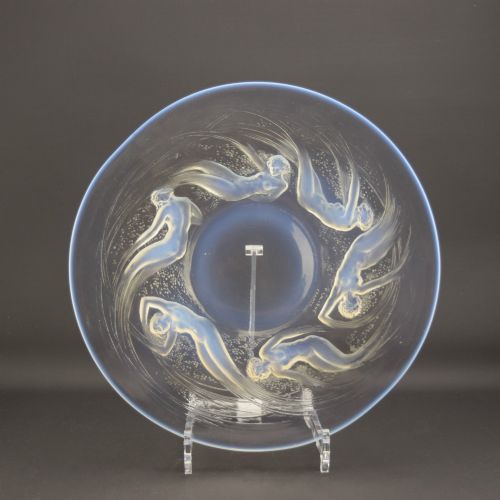
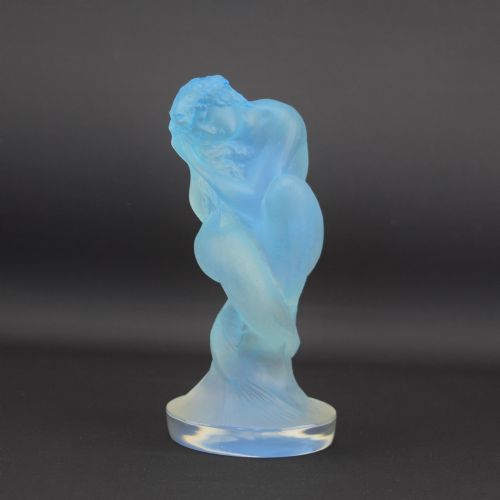
René Lalique turned from jewellery to glass before the First World War, and from about 1920 ran an industrial glassworks turning out press-moulded and mould-blown wares: tableware, vases, scent bottles, lighting and car mascots, in clear, frosted, opalescent and stained glass. The work sits squarely in the interwar style now called Art Deco.
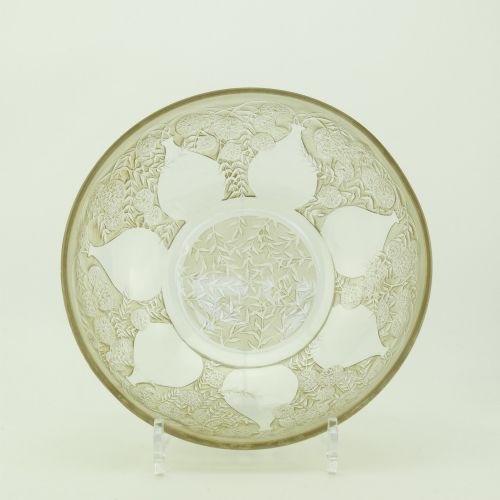
The piece you're most likely to meet is a shallow opalescent bowl, plate or coupe with a named pattern moulded into it. Bowls appear in 99 of the 503 titles recorded on Sellingantiques, plates in 64, coupes in 31, and opalescent is named in 197. Coquilles, the scallop-shell pattern, is the single most repeated model at 34 titles, made in graduated factory sizes from No1 to No5.
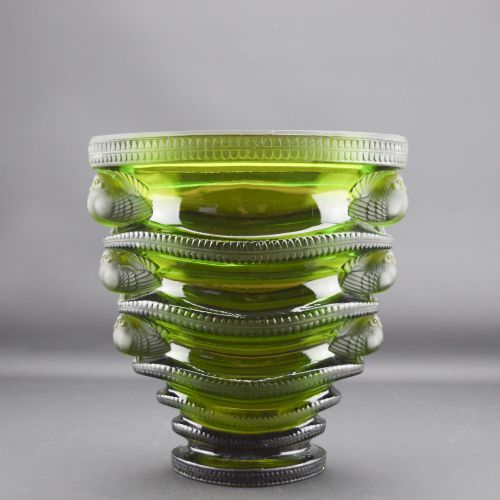
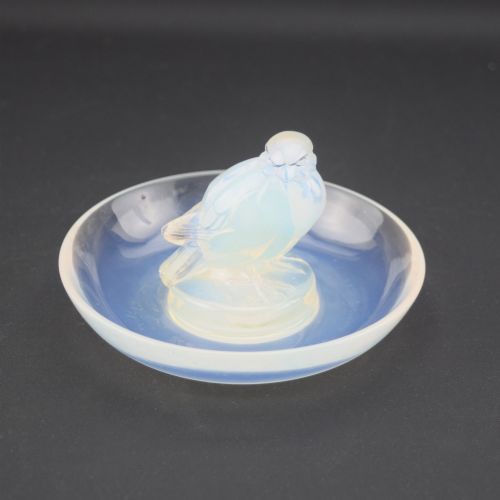
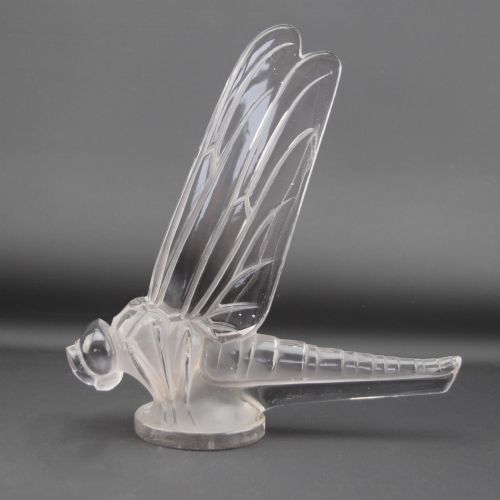
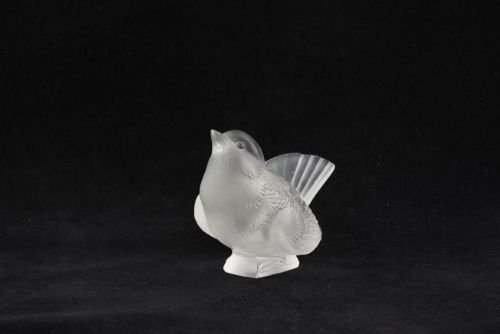
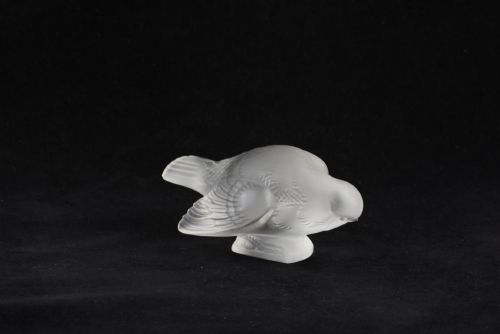
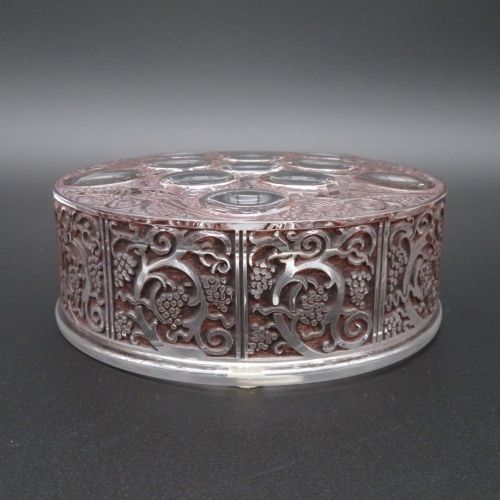
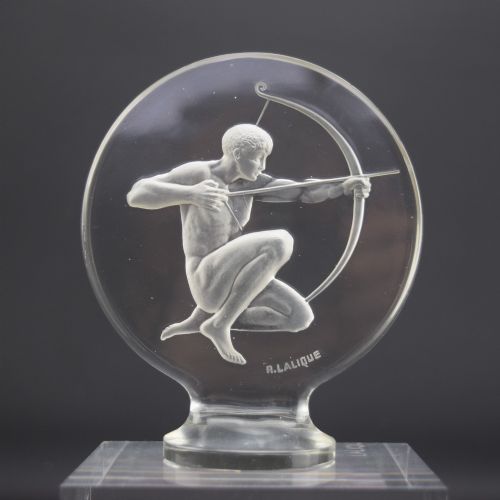
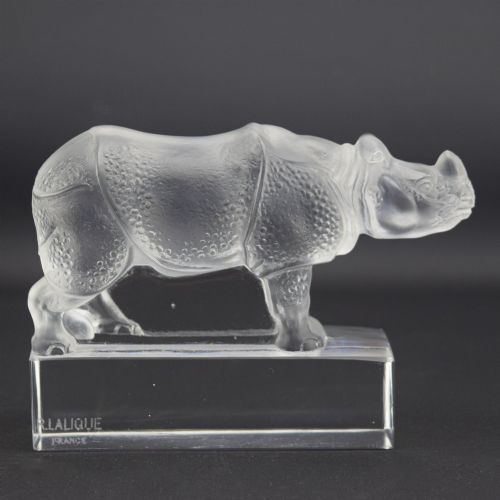
Around it sit four other groups. Vases run to 88 titles, with Rampillon, Ceylan, Formose, Bacchantes and Dauphins among them. Car mascots account for 50, including Sanglier, Victoire, Archer, Coq Houdan and Cinq Chevaux. Paperweights bring the birds and animals, Moineau and Chardonneret, owls, elephants and rhinoceroses, alongside the Anemone flower weights. Perfume bottles, boxes and ashtrays make up the rest.
Dating is interwar and heavily so. Of the dated listings, 274 fall in the 1920s and 172 in the 1930s, against a scattering either side, and the decade field is the dealer's working estimate. Titles are more precise, repeating c1921, c1924, c1925 and c1931, the years the most-repeated models were introduced. Pattern name, not form, is how the market indexes all of it.

What Sets Them Apart
Which model it is does more work than anything else. Coquilles, Anemone and Moineau turn up constantly and sit at the bottom of the range. Perruches, Ceylan, Calypso, Bacchantes, Tourterelles, Madagascar and Picardie sit at the top, with the figural statuettes and the scarcer mascots above them again. Car mascots as a group hold a large share of the upper range.
Colour and surface come next. Amber is named in 15 titles; green, topaz, olive green, electric blue, amethyst tint and alexandrite appear in ones and twos across the whole archive, and a coloured version of an ordinary model sits well above its clear counterpart. Opalescence and a stained wash rubbed into the relief, blue, sepia, grey or red, work the same way, and mascots described as opalescent are titled apart from the clear and frosted ones.
Then size and completeness. Titles distinguish No1 from No5 within Coquilles and Poissons, and words like large, largest size and charger cluster in the upper half. Sets and pairs count too: six drinking glasses, six Raisins bowls, a set of six Coquilles No3 plates, paired decanters. The highest-priced thing recorded on Sellingantiques is a cased opalescent vase with sepia staining, well clear of the rest.
Antique Lalique Glass Retail Price Guide 2026
Typical UK retail prices for lalique glass, calculated from the Sellingantiques database of over a million retail prices indexed since 2003. This retail price guide relies exclusively on Sellingantiques data; no external sources or auction records are used, so the figures do not describe the wider market.
Colour is scarce in the Sellingantiques archive. Amber leads with 15 titles, while green, topaz, electric blue and amethyst-tinted examples turn up in ones and twos.

The Antique Lalique Glass Glossary
- Opalescent
- Milky blue-white glass that glows warm against the light. It's the surface treatment named in more titles than any other, and the one the category is best known for.
- Coupe / coupe ouverte
- A shallow footed bowl. Ouverte means the open, flaring version of the form, and it appears in 16 titles on its own.
- Stained
- A coloured wash rubbed into the moulded relief to bring the pattern up. Blue, sepia, grey and red all occur.
- No1 / No2 / No5
- Factory size numbers within a single pattern. Coquilles runs the full sequence, so the number tells you where a bowl sits in the graduated set.
- Ouverte / fermée / refermée
- Open, closed and re-closed petal versions of one flower model, chiefly Anemone and Ondines, catalogued separately.
- Cendrier
- French for ashtray, left untranslated in several titles. Plafonnier is a moulded ceiling bowl light, brûle-parfums a perfume burner, cachet a glass desk seal.
Antique Lalique Glass: Frequently Asked Questions
What is opalescent glass?
It's glass with a milky blue-white quality that warms up when light passes through it. It's named in 197 of the 503 titles recorded on Sellingantiques, which makes it the defining surface of the category.
Several pattern names occur both with and without the word, so the same model exists in plain clear or frosted form as well.
Why are the pieces named in French?
The factory gave every model a name, and the trade has kept them. Coquilles, Ondines, Poissons, Moineau, Anemone, Ceylan and Perruches are model names, not descriptions of shape.
Nearly every listing is titled that way. Pattern name, then form, then size number is the usual order.
How old is most of it?
Interwar. Of the dated listings, 274 fall in the 1920s and 172 in the 1930s, so the two decades together account for the overwhelming bulk.
The 1910s contribute 23, and the tail past the war is tiny: three in the 1960s, two in the 1950s, one in the 1940s.
What were the car mascots for?
They're moulded glass radiator ornaments for motor cars. Fifty titles carry the term, among them Sanglier, Victoire, Archer, Coq Houdan, Vitesse, Tete d'Aigle, Grande Libellule and Cinq Chevaux.
They sit apart from the tableware in price as well as purpose, taking up a large share of the upper range.
Do the model numbers mean anything?
Yes. No1 through No5 are factory size numbers within one pattern, so a Coquilles No1 and a Coquilles No5 are the same design at different diameters.
No1 appears in 18 titles and No2 in eight. The larger numbers, along with anything titled charger or largest size, occupy the upper half of the range.
Which colours turn up besides clear and frosted?
Amber leads, named in 15 titles. Green, topaz, olive green, electric blue and amethyst-tinted examples appear only in ones and twos across the whole archive, and one ashtray is recorded in alexandrite glass.
Colour lifts a piece above its clear equivalent. Green Formose, deep amber Ormeaux and electric blue Ronces all sit well clear of the plain versions of the same models.