


A 2026 Guide by Sellingantiques
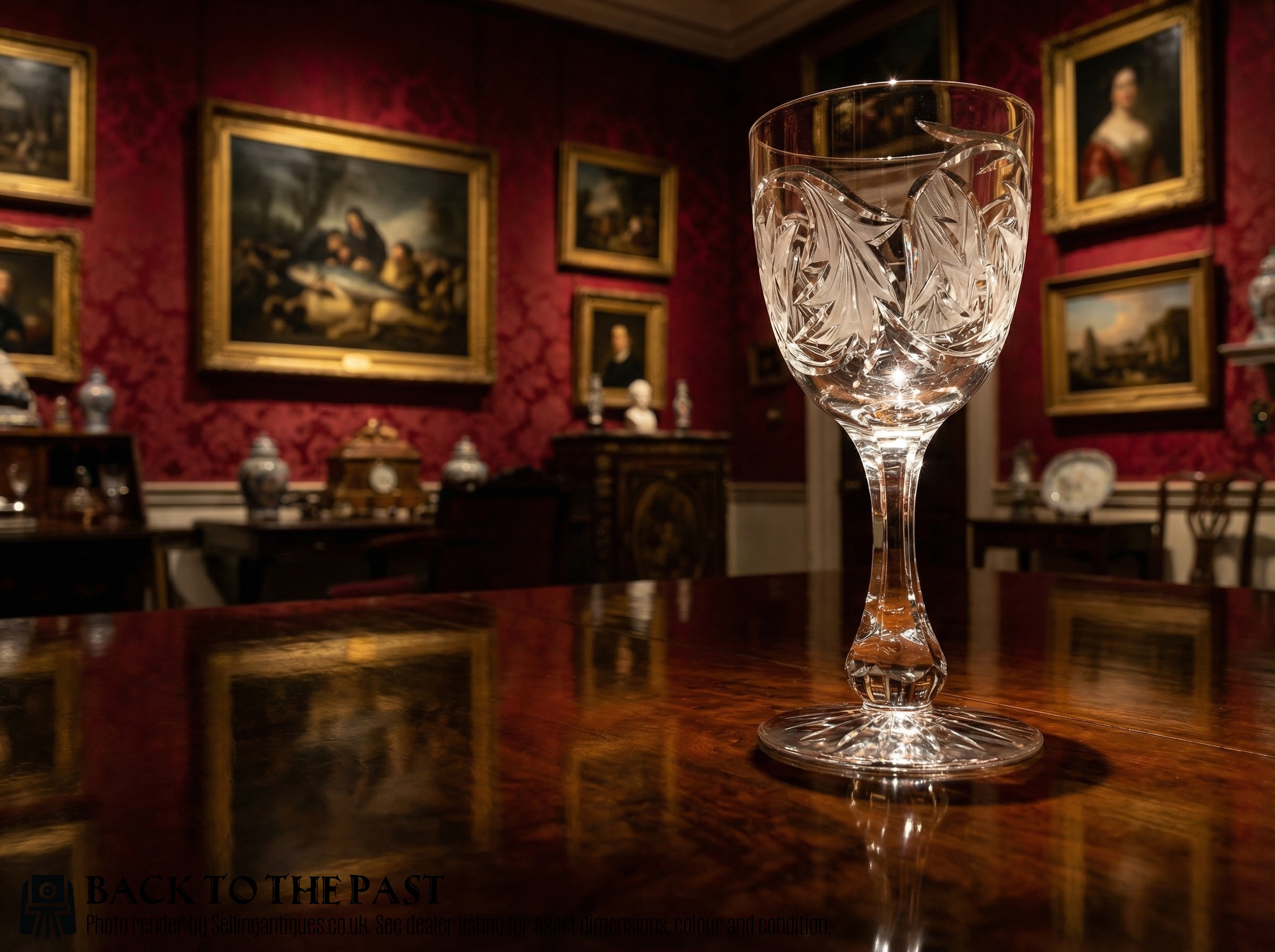
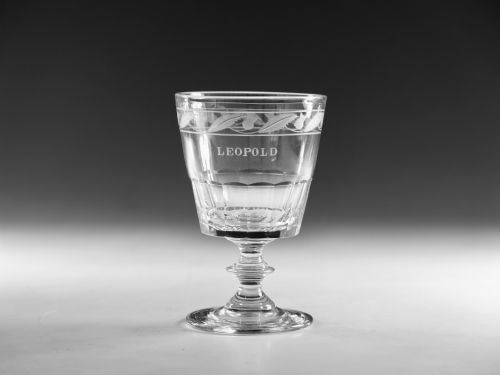
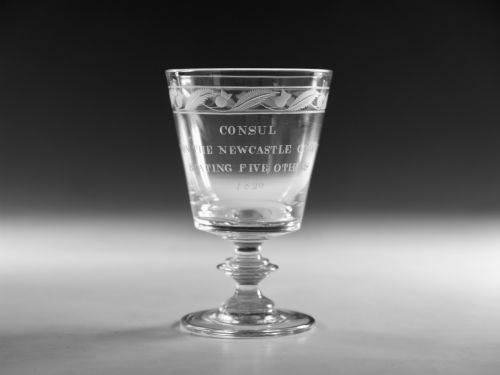
A Fabulous Victorian Cut & Frosted Goblet, 1870
Priced at £155 from Jeff Sims Antiques
Silver examples dominated the tables of wealthy households during the seventeenth century.
The introduction of lead crystal shifted tastes strongly towards glass. Heavier flint glass allowed for deeper cutting and more complex stem formations.
Look at early tavern records. They show vast quantities of pewter and rougher glass goblets passing through daily use.
Religious institutions kept their own distinct forms, though secular antique goblets often borrowed ideas from those ecclesiastical chalices.
Paul de Lamerie produced fine silver goblets in London between 1712 and 1751. His workshop helped define the Rococo taste in English silver.
George Ravenscroft developed lead crystal in the 1670s. Documented pieces bearing his raven's head seal remain scarce but changed glassmaking.
Hester Bateman registered her mark in 1761. Her workshop produced neoclassical silver drinking vessels.
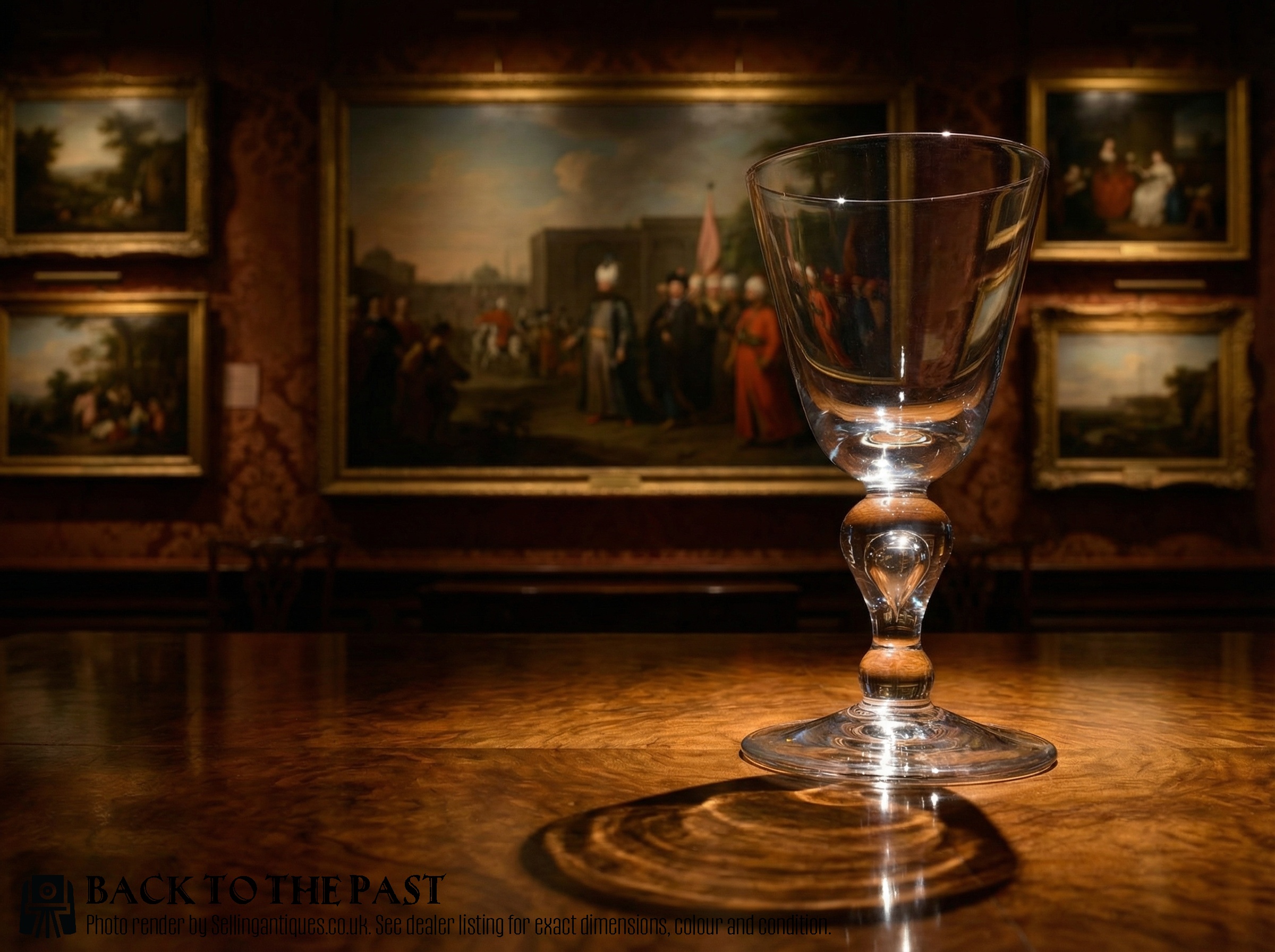
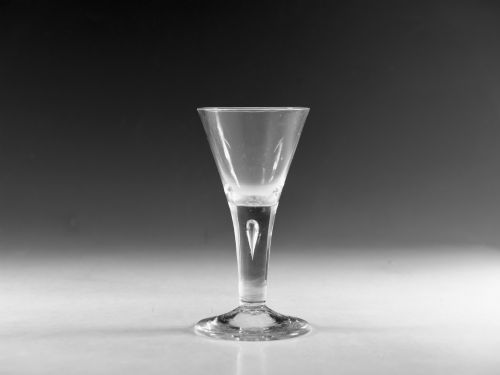
Large Queen Anne Baluster Wine Glass Goblet C1710, 18th Century
Priced at £2,650 from Exhibit Antiques
The 2026 retail price guide for Antique Goblets is drawn from a proprietary archive of over 1.1 million retail prices indexed by Sellingantiques since 2003. This guide relies exclusively on their own internal data; no external sources or auction records are used.
Analysing nearly 25 years of UK antique market history alongside current retail values, the data indicates that typical UK retail prices for Antique Goblets range between £200 and £1,300. Entry-level prices generally fall under £200 and premium examples upwards of £1,300.
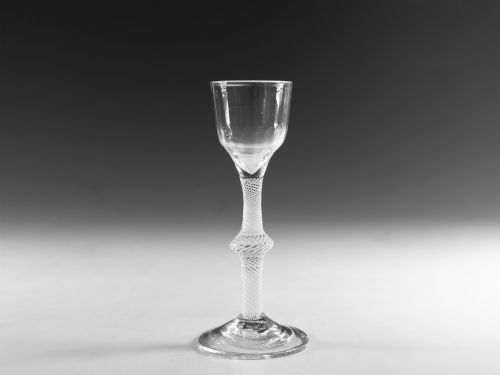
A prominent knop usually sits halfway down the stem. This swelling provides a secure grip for greasy fingers during a meal.
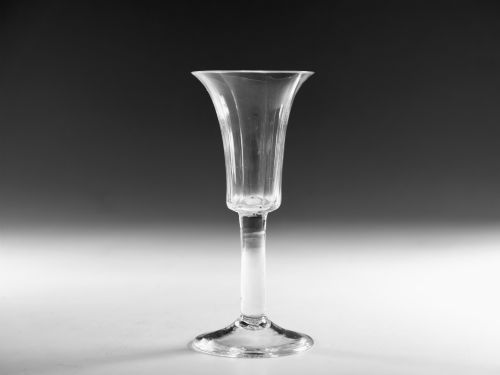
The bowl shape varies widely. You'll find funnels, bells, and straight-sided buckets.
Folded feet frequently appear on earlier glass pieces. The glassmaker rolled the rim under to create a thicker edge less prone to chipping.
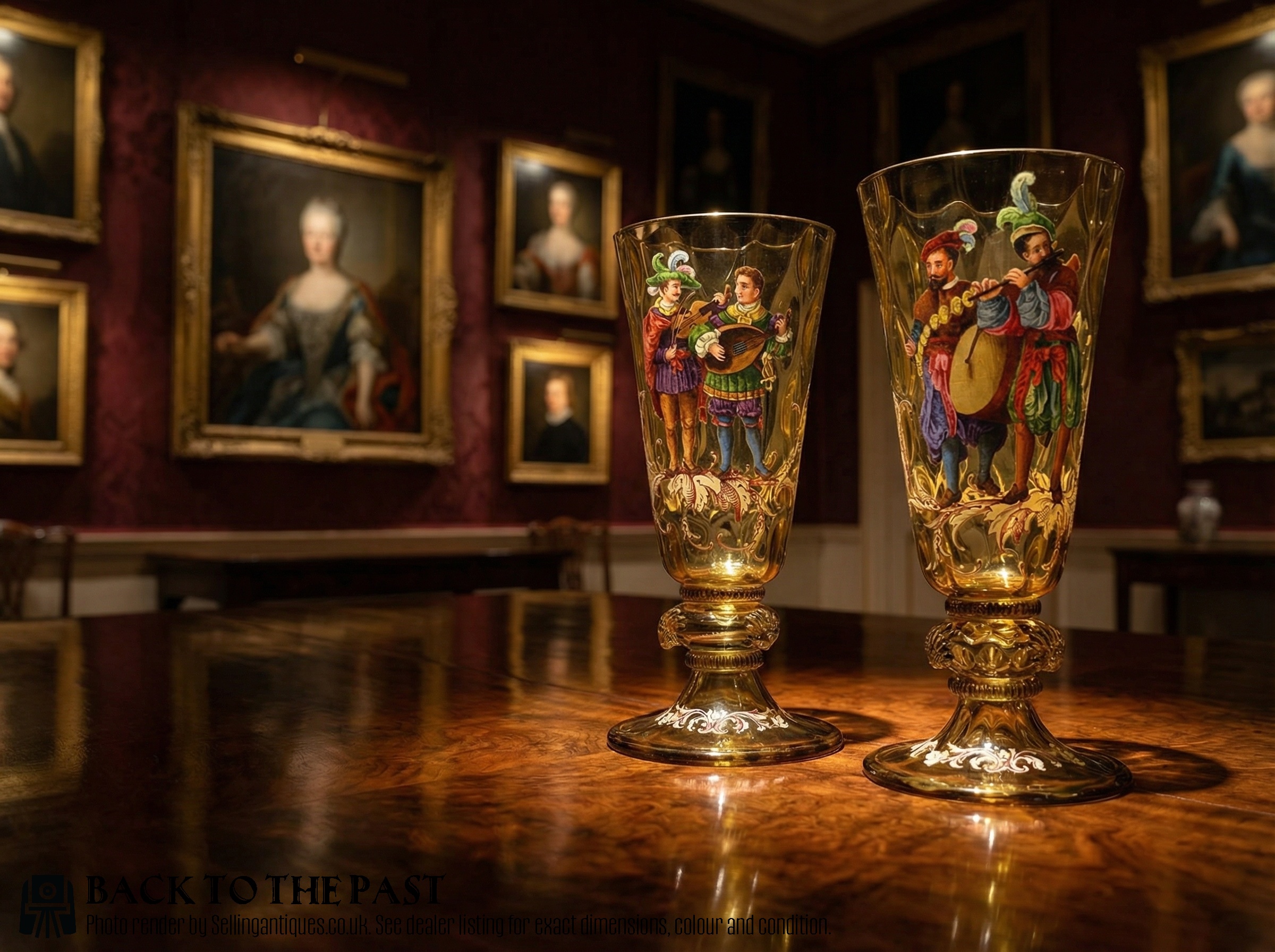
19th Century Pair of Bohemian Figurative Enamelled Glass Goblets Circa 1860, 1860
Priced at £1,295 from Robert Belcher Antiques
Silversmiths raised the bowl from a single flat sheet of metal. They hammered it over a shaped anvil before soldering the cast stem.
Glass makers blew the bowl first into a wooden mould. A second gather formed the stem, drawn out with hand tools.
Cutting wheels transformed plain surfaces. Craftsmen held the cooled vessel against spinning sandstone.
"Engraved Jacobite symbols signaled political loyalties during dinner toasts. A simple rose or oak leaf held deep significance."
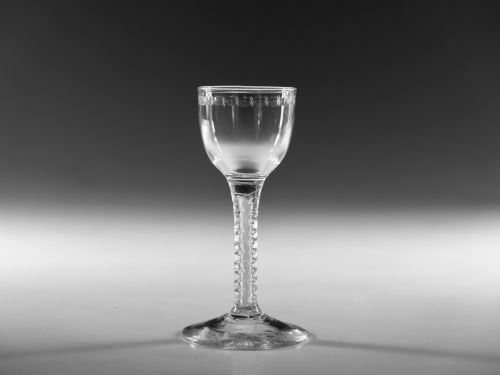
"Opaque twist stems actually contain rods of white enamel. The glassmaker encased these in clear glass and twisted the whole gather."
"Certain silver examples retain a faint gilding wash. This stops acidic wines reacting with the metal."
Based on almost 25 years of Sellingantiques UK antique market data, Antique Goblets appeared 2110 times (out of 1,100,000 antiques) which gives it a rarity score of 66/100.
This score measures scarcity within the Sellingantiques archive only and is not a survey of the entire antiques market, so these statistics may not be indicative of the general availability of Antique Goblets elsewhere.
Wash them gently by hand in warm soapy water. Dry the silver immediately with a soft cloth.
Avoid chemical dips. They strip away the natural dark patina sitting in the engraved lines.
That rough patch isn't a flaw. It happens when the glassblower snaps the finished vessel off the iron rod used to hold it during the shaping process.
Many early pieces retain this raw scar. Later in the eighteenth century, workers began grinding these marks down to create a smooth polished hollow, but leaving it rough was standard practice for decades.
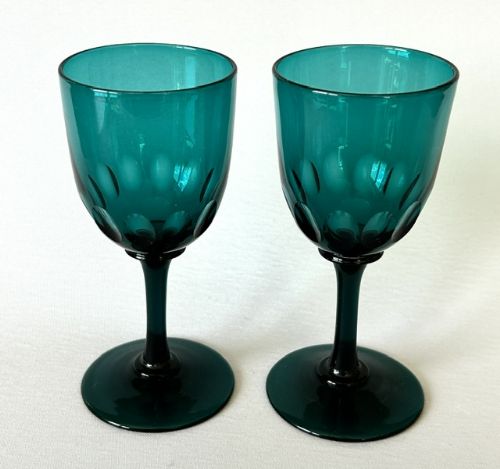
Green glass was often reserved for white wines. The colour comes from iron impurities in the raw sand, though makers sometimes added copper to enhance the tint.
The darker tone helped mask cloudiness in certain wines. You'll often see these referred to as roemers when dealing with the traditional German and Dutch forms.
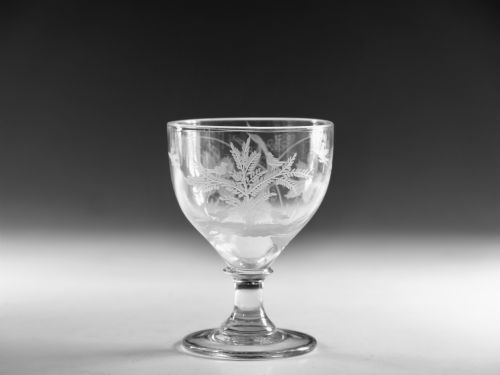
The engraving frequently indicates the intended contents. Barley sprigs and hops suggest the vessel was meant for ale, while bunches of grapes point clearly to wine.
Some motifs reflect the original owner rather than the drink. You might find family crests, masonic compasses, or shipping scenes relating to a particular merchant's trade.
Please note: This Antique Goblets guide and its associated pricing data are provided for general informational purposes only. It does not constitute formal financial, investment, or appraisal advice and should not be relied upon as the sole basis for any commercial activity, purchasing, or sales decisions. Sellingantiques.co.uk accepts no liability for any actions taken in reliance on this information. Always consult with a qualified professional or independent appraiser.
