
A 2026 Guide by Sellingantiques
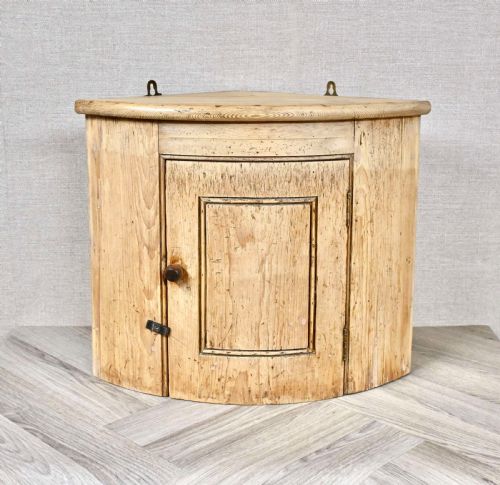
Early designs evolved from simple boarded chests. Adding doors on the front saved people from lifting heavy lids every day.
Food storage versions need ventilation. Punched tin panels let air circulate.
Regional joiners sometimes built antique storage cupboards directly into farmhouse alcoves. They fitted them flush alongside large hearths to save room.
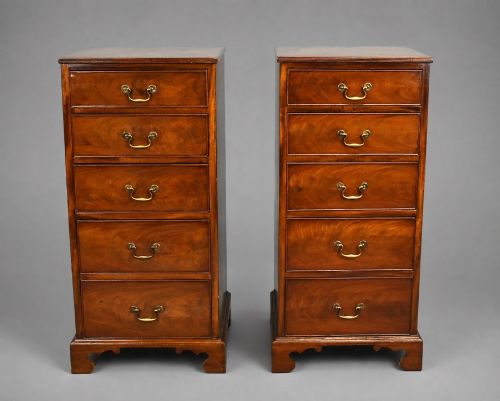
Notice the proportions. Urban examples tend to be tall and narrow to fit tight town floors, whereas country pieces spread out horizontally.
Most antique storage cupboards lack makers marks. Local village carpenters built them for their neighbours rather than signing them for a retail market.
Look for Gillows of Lancaster in the northern estates. They are a rare documented workshop that supplied large fitted housekeeping examples.
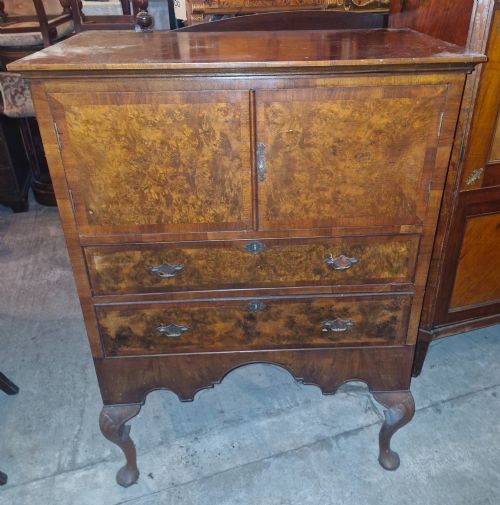
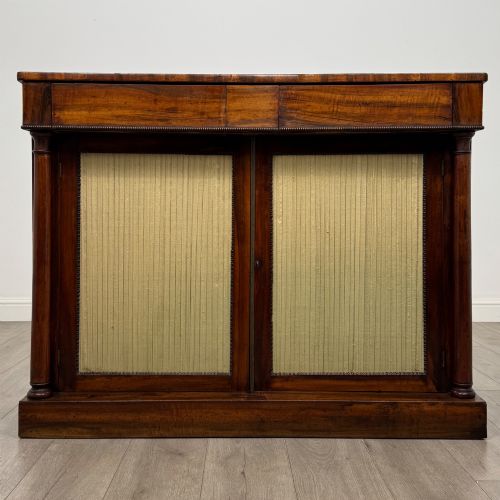
Regional traits often act as signatures. A specific pattern of mahogany crossbanding or a peculiar foot shape might trace a piece back to a single valley.
The 2026 retail price guide for Antique Storage Cupboards is drawn from a proprietary archive of over 1.1 million retail prices indexed by Sellingantiques since 2003. This guide relies exclusively on their own internal data; no external sources or auction records are used.
Analysing nearly 25 years of UK antique market history alongside current retail values, the data indicates that typical UK retail prices for Antique Storage Cupboards range between £600 and £3,000. Entry-level prices generally fall under £600 and premium examples upwards of £3,000.
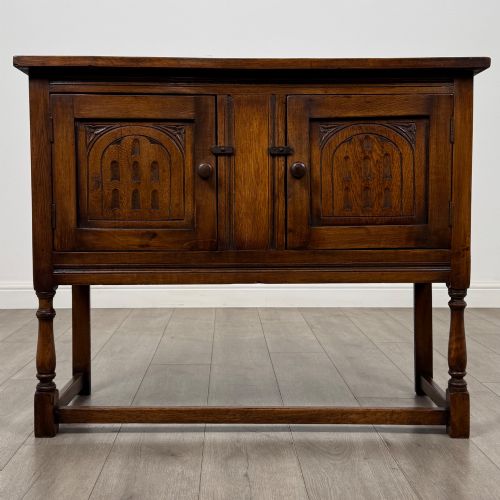
Floating panels inside the doors stop the frame from warping when humidity changes.
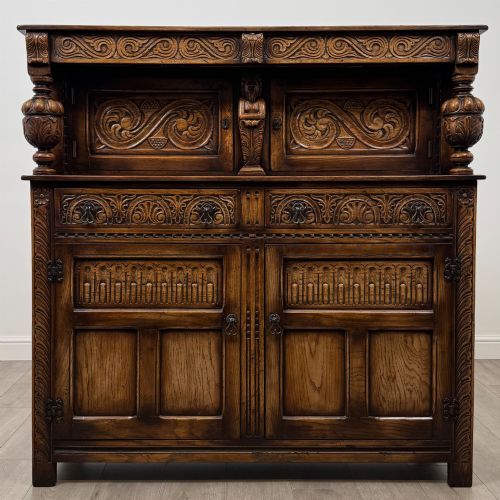
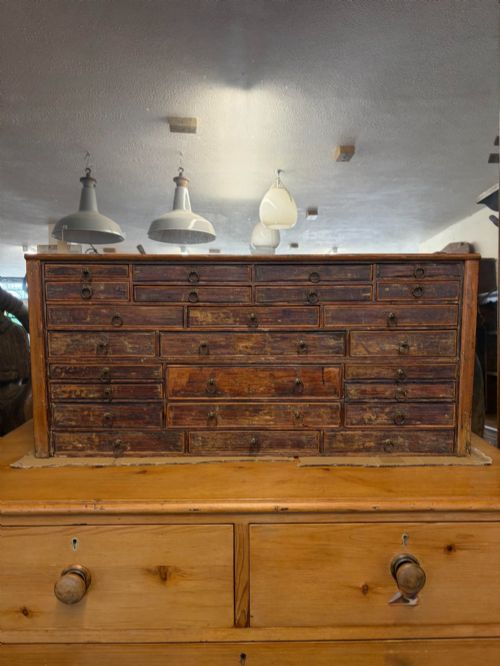
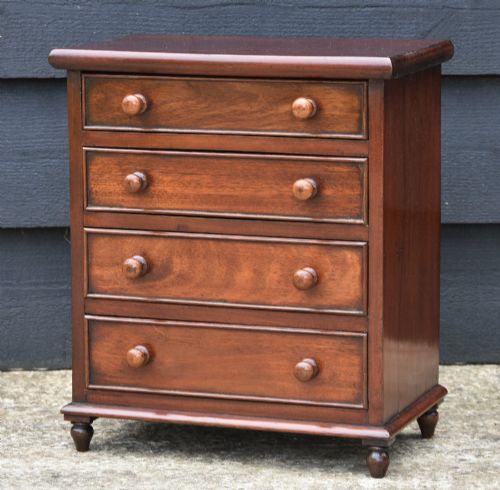
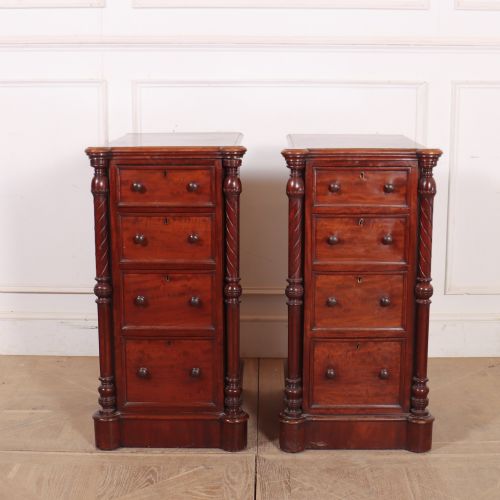
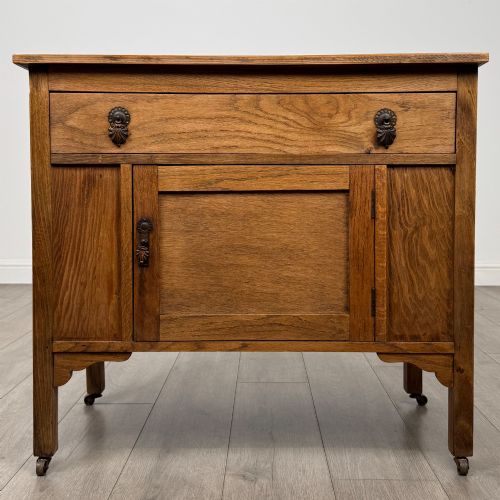
Many antique storage cupboards feature drawers in the base section. This separates smaller household tools from the bulkier goods stacked above.
Pierced openings indicate food storage. Turned wooden spindles on a livery cupboard let air reach the rations.
Check the joints for wooden pegs. Early frames rely on mortise and tenon construction, with dowels often raised slightly above the surface.
Carcase corners later relied on dovetails. They resist the outward push of heavy loads.
The backboards evolved. Thick riven oak fixed with hand-forged nails gradually gave way to thin sawn pine boards slotted neatly into rebates.
"Look behind the hinges or underneath the base. You might find traces of original bright paint on examples that appear as bare pine today."
"Raw wood absorbs odours. The internal shelves sometimes retain faint, sweet smells of the spices once kept there."
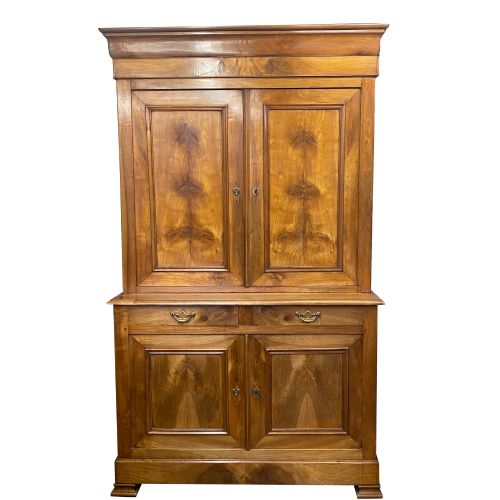
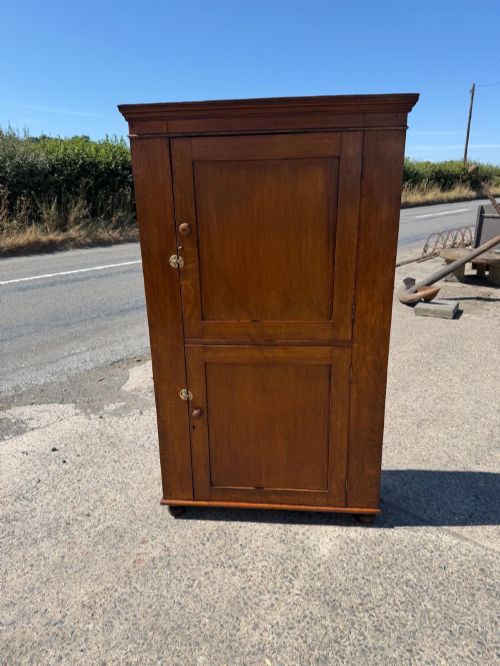
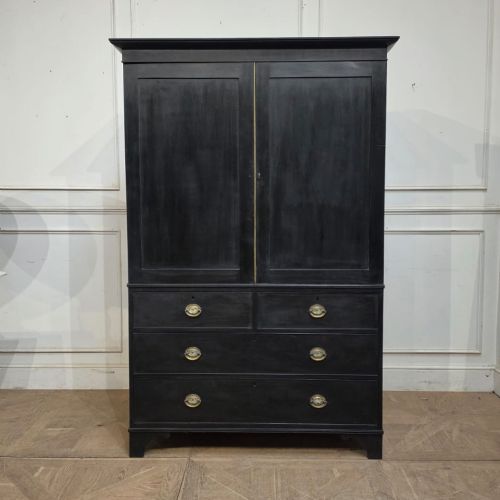
"Many large antique storage cupboards split into two horizontal halves. This clever design helped owners move them up narrow, twisting cottage stairs."
Based on almost 25 years of Sellingantiques UK antique market data, Antique Storage Cupboards appeared 3060 times (out of 1,100,000 antiques) which gives it a rarity score of 54/100.
This score measures scarcity within the Sellingantiques archive only and is not a survey of the entire antiques market, so these statistics may not be indicative of the general availability of Antique Storage Cupboards elsewhere.
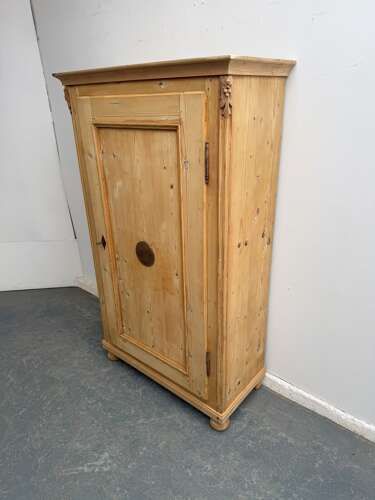
You certainly can. Pine pieces usually wore thick paint when new, hiding the cheap grain from view.
Stripping them only became a modern trend. Applying a fresh coat of traditional paint restores the intended historical finish.
Modifying the cornice changes the proportions of the piece. The overhanging top moulding balances the visual weight of the base.
Cutting the sides flush leaves the cupboard looking top-heavy and unfinished. Finding a narrower piece built for a tight space leaves the intact survivor alone.
Seasonal damp makes wooden doors swell and bind against the frame. Don't reach for the sandpaper straight away. The problem often cures itself when the central heating comes on and humidity drops.
If the timber rubs all year, try running a candle along the tight edge. The wax leaves a thin layer of dry lubrication that helps the door glide shut without damaging the finish.
Look closely at the ironwork too. Loose screws will let a heavy door sag out of square, which you'll solve with a screwdriver.
Oak shelves bow under sustained weight over decades. You don't need to replace them.
Cut a simple wooden batten to run along the underside of the shelf. Rest this support on small blocks fixed to the backboard to transfer the weight.
Please note: This Antique Storage Cupboards guide and its associated pricing data are provided for general informational purposes only. It does not constitute formal financial, investment, or appraisal advice and should not be relied upon as the sole basis for any commercial activity, purchasing, or sales decisions. Sellingantiques.co.uk accepts no liability for any actions taken in reliance on this information. Always consult with a qualified professional or independent appraiser.
