
A 2026 Guide by Sellingantiques
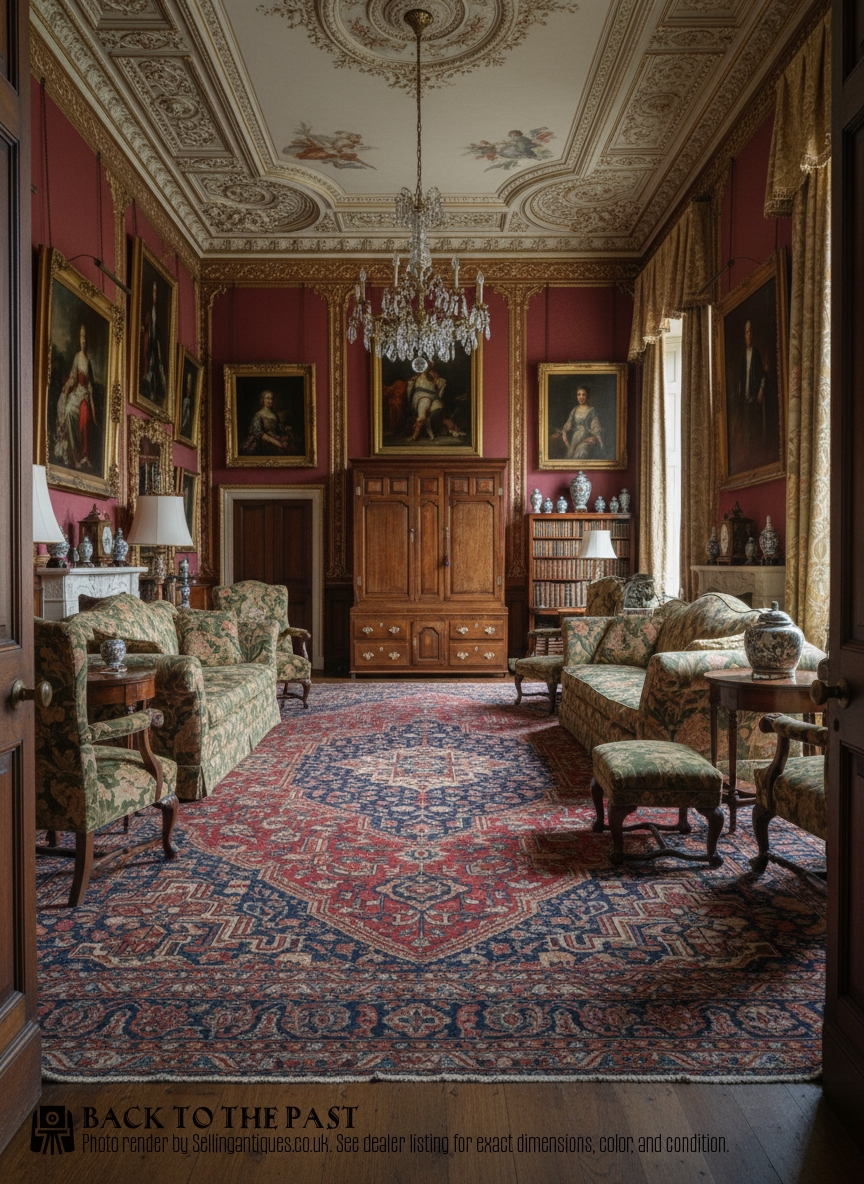
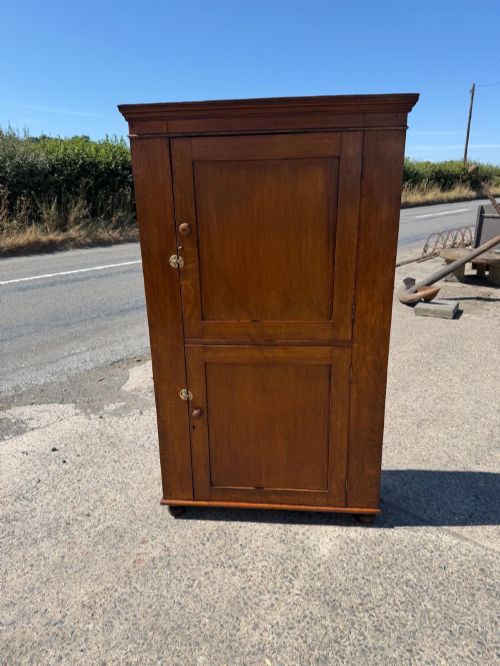
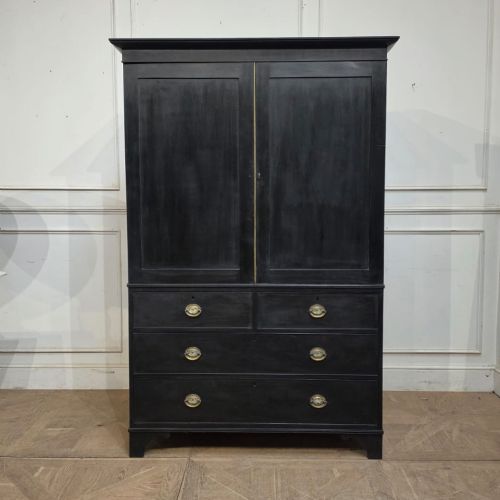
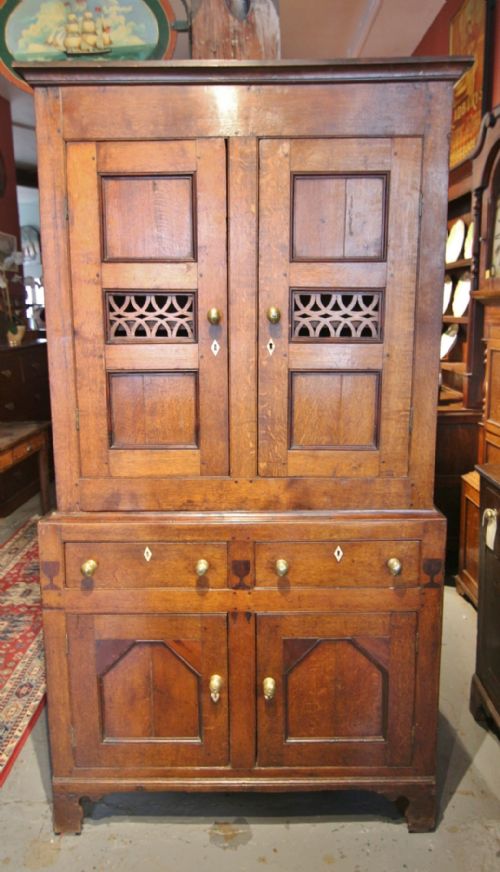
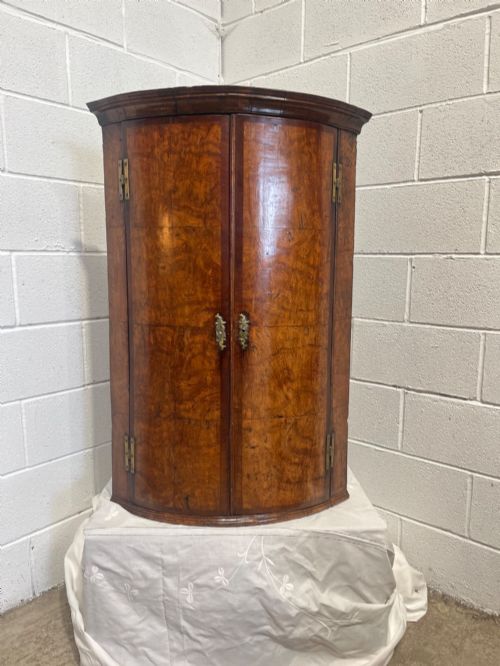
Late Georgian Oak Press Cupboard, Georgian
Priced at £3,300 from Pap Antiques and Restoration Ltd
Antique oak cupboards dominated English domestic interiors from the sixteenth century until mahogany arrived.
Wealthy households relied on them for secure storage before built-in closets became standard.
Look closely at regional variations. Welsh press cupboards often look quite different to Yorkshire examples from the exact same period.
Food storage required decent ventilation. Some early versions feature pierced panels or spindle fronts rather than solid wood doors.
Later generations frequently relegated these massive antique oak cupboards to damp farmhouses or outbuildings when fashions changed, which explains why they often survive with significant alterations today.
Provincial joiners rarely signed their work, leaving most antique oak cupboards anonymous today.
Regional workshops developed distinct carving patterns that apprentices passed down through successive generations.
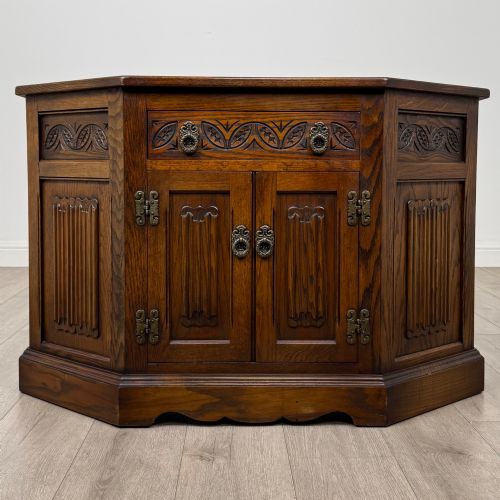
Identify the origin by the carving style. West Country work often features distinct floral motifs compared to the northern trades.
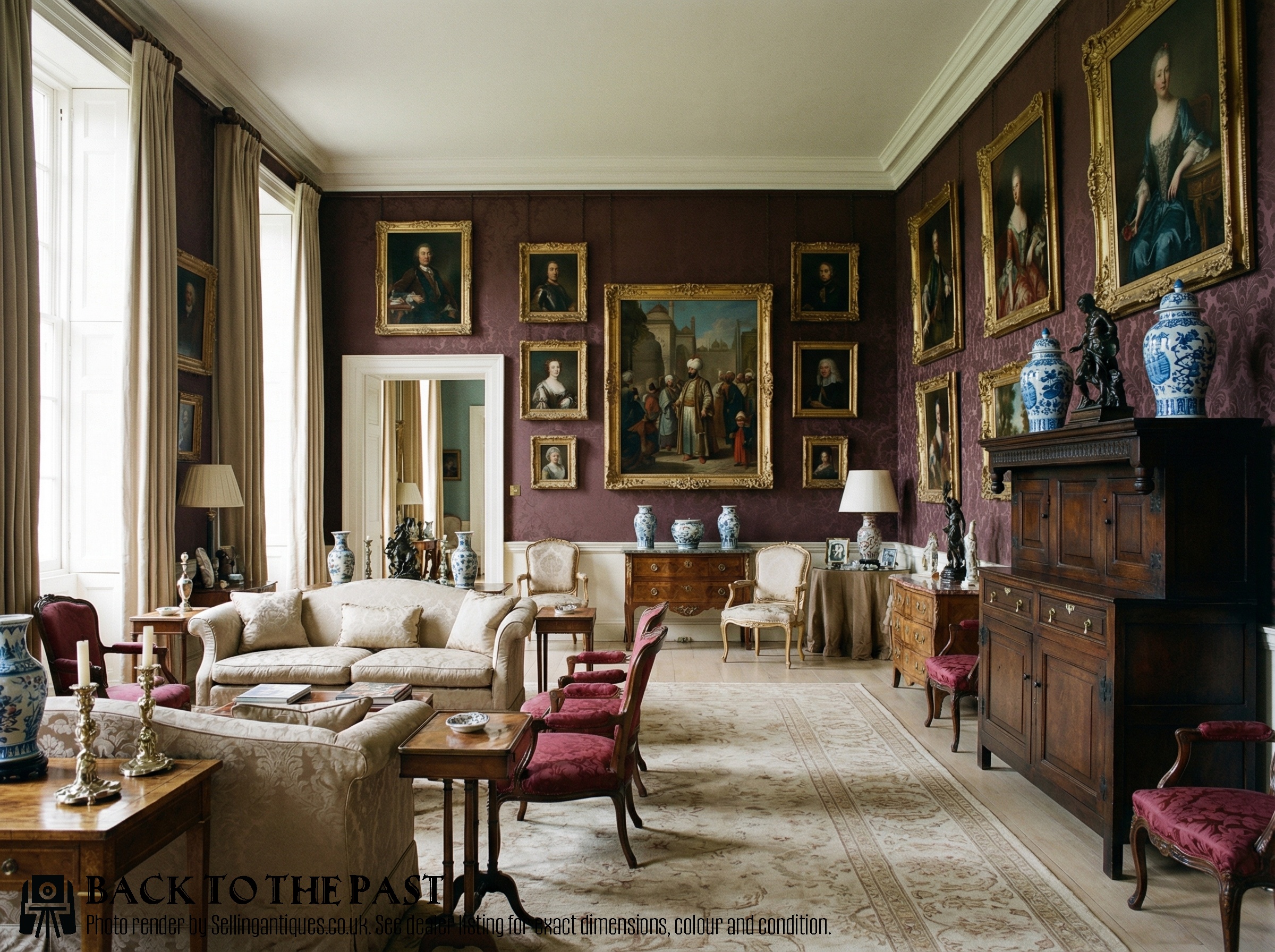
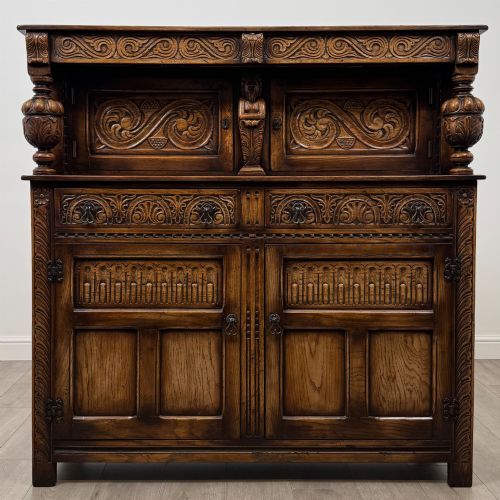
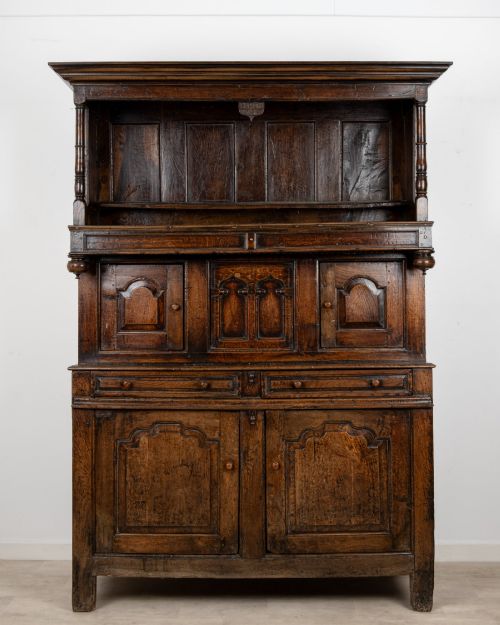
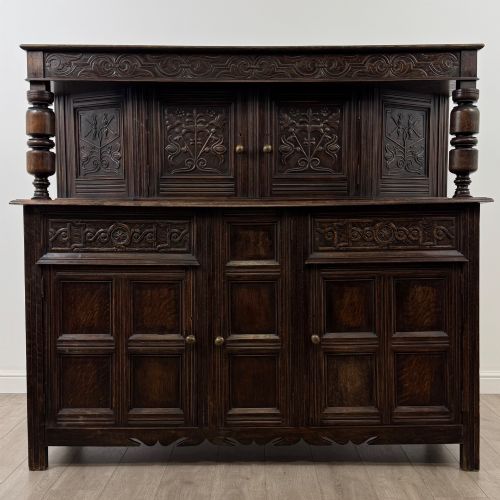
17th Century Oak Court Cupboard, 17th Century
Priced at £995 from Midwinter Antiques
The 2026 retail price guide for Antique Oak Cupboards is drawn from a proprietary archive of over 1.1 million retail prices indexed by Sellingantiques since 2003. This guide relies exclusively on their own internal data; no external sources or auction records are used.
Analysing nearly 25 years of UK antique market history alongside current retail values, the data indicates that typical UK retail prices for Antique Oak Cupboards range between £500 and £3,000. Entry-level prices generally fall under £500 and premium examples upwards of £3,000.
Panelled construction allows the solid wood to expand and contract freely across the changing seasons.
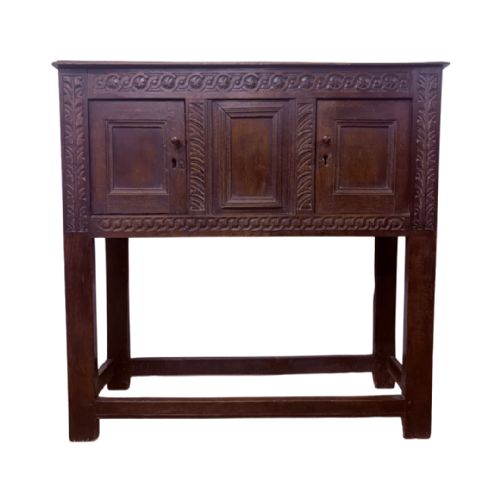
Deeply carved friezes frequently decorate the top rails of seventeenth-century antique oak cupboards.
Examine the overhanging canopy on court models. Turned pendants or drops sometimes hang from the front corners.
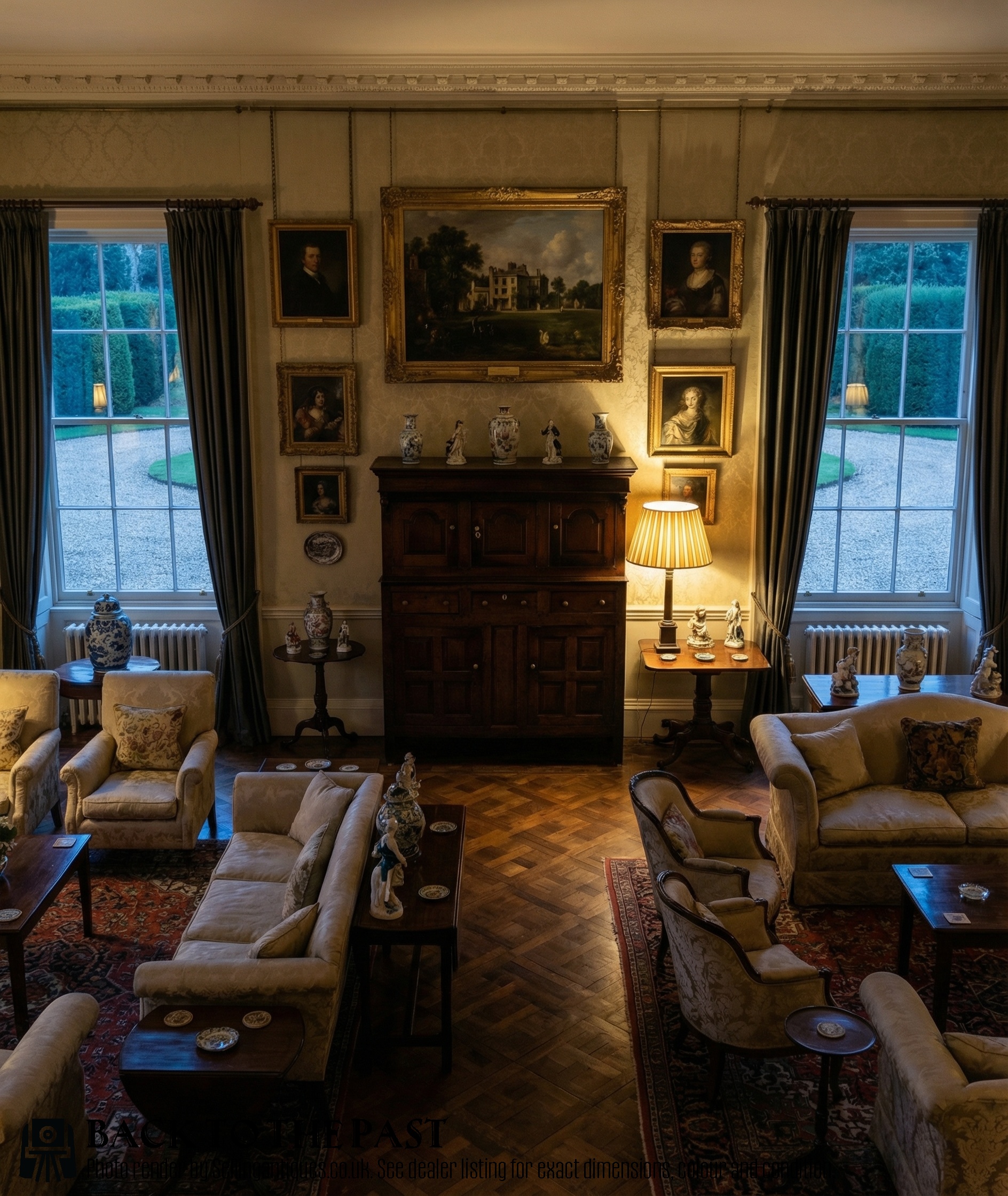
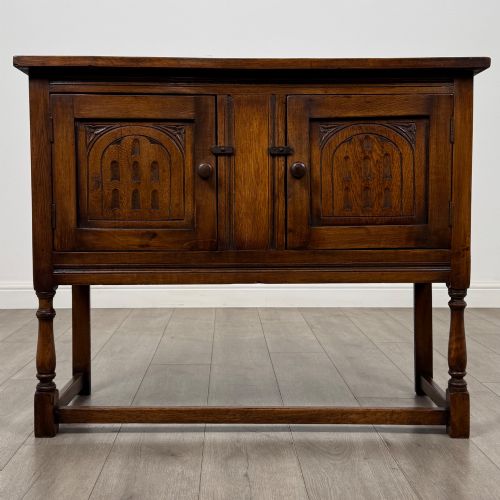
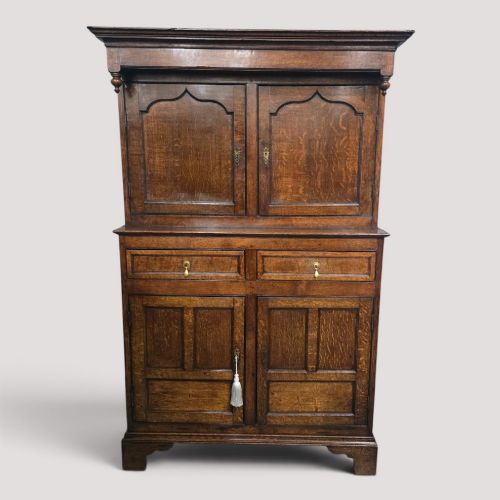
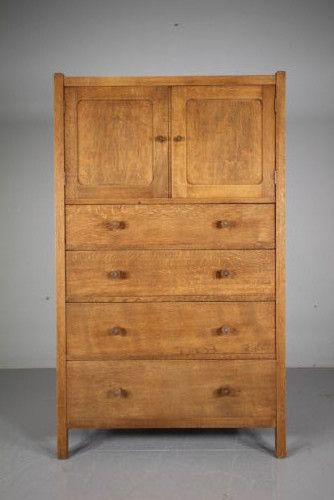
Welsh Oak Deuddarn Two-part Cupboard, Georgian
Priced at £3,200 from WelshAntiques
Joiners relied on heavy frame and panel construction to prevent wide timber from warping.
Carvers worked the surface with gouges and chisels while the wood was still relatively green.
Wooden pegs driven through offset holes in the joints pull the whole assembly tight.
"Some court cupboards incorporate hidden compartments behind the heavy cornice mouldings for securing valuables."
"Original wax finishes build up a deep patina that acts as a tough resilient barrier against moisture."
"Joiners sometimes marked assembly joints with small carved Roman numerals to keep track of the pieces during construction."
Based on almost 25 years of Sellingantiques UK antique market data, Antique Oak Cupboards appeared 7286 times (out of 1,100,000 antiques) which gives it a rarity score of 23/100.
This score measures scarcity within the Sellingantiques archive only and is not a survey of the entire antiques market, so these statistics may not be indicative of the general availability of Antique Oak Cupboards elsewhere.
Solid oak carries serious weight. A large seventeenth-century press cupboard easily requires three or four strong people to move it safely.
They rarely dismantle into smaller sections. The joiners pegged the frames permanently. Always check your access routes before buying one.
Changes in humidity pose a bigger threat than temperature alone. Central heating dries the air, causing old wood to shrink.
Panelled construction handles this well. The joiners designed the panels to float loosely in their grooves exactly for this reason. You might see wider gaps at the panel edges during winter.
They close up again in summer. Just don't push the piece right against a hot radiator.
Avoid aggressive stripping. That dark surface is centuries of accumulated wax and natural oxidation.
Wipe it down with a damp cloth and apply a coat of good beeswax once a year.
Flight holes indicate where beetles left the wood, not where they're currently active. Most historic oak furniture has some worm damage in the softer sapwood.
Check if the dust inside the holes looks bright and fresh. If it looks dark and matches the surrounding wood, the infestation is long dead. The hard heartwood used for the main carcase rarely suffers serious structural damage.
Please note: This Antique Oak Cupboards guide and its associated pricing data are provided for general informational purposes only. It does not constitute formal financial, investment, or appraisal advice and should not be relied upon as the sole basis for any commercial activity, purchasing, or sales decisions. Sellingantiques.co.uk accepts no liability for any actions taken in reliance on this information. Always consult with a qualified professional or independent appraiser.
