
A 2026 Guide by Sellingantiques
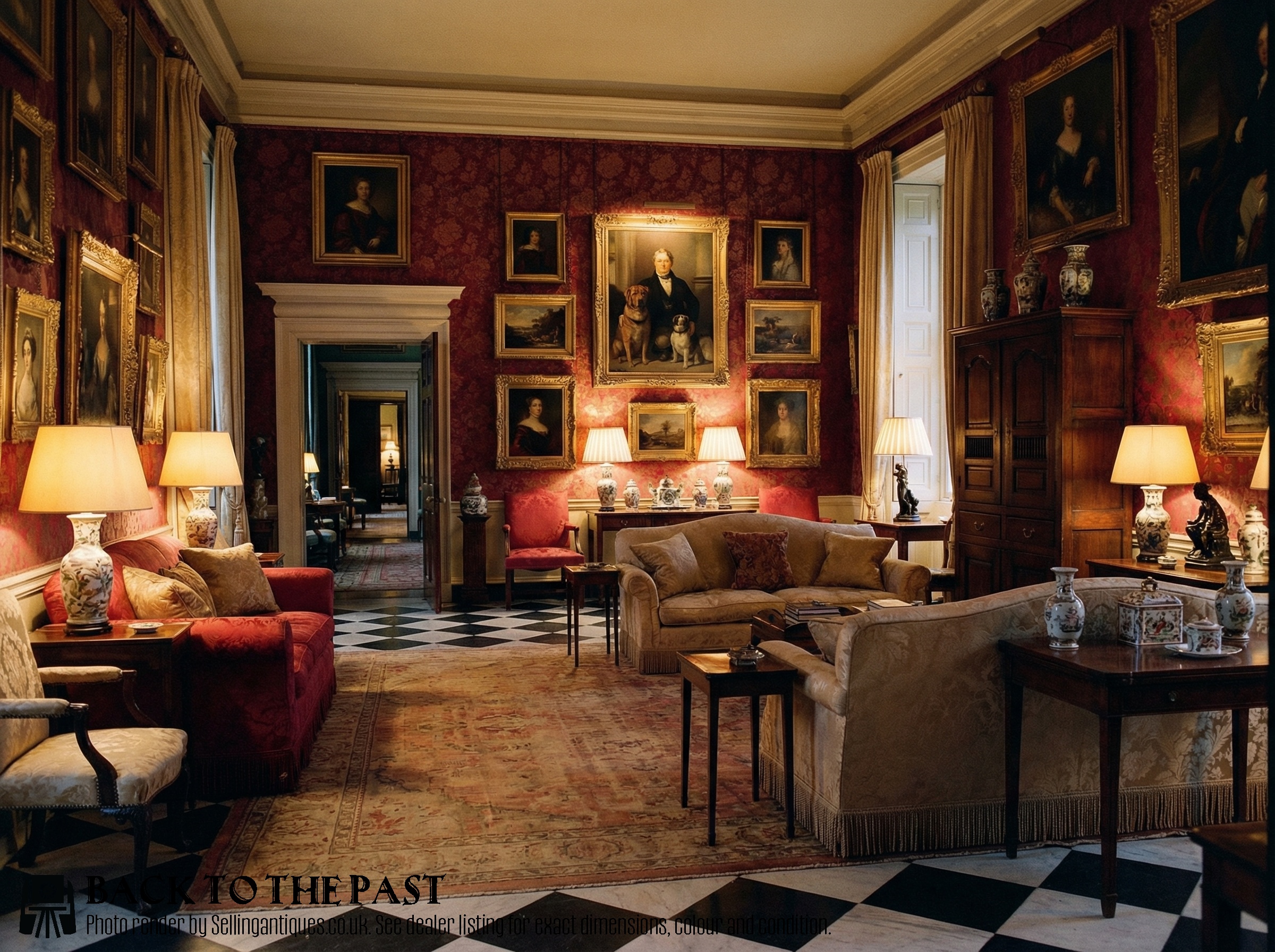
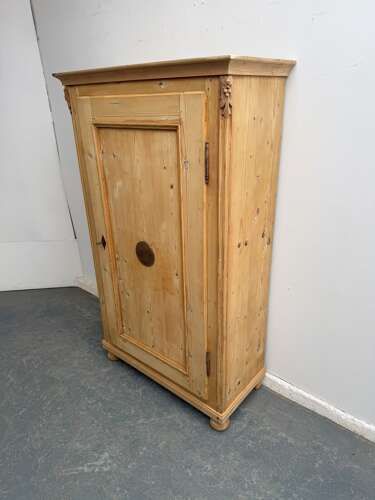
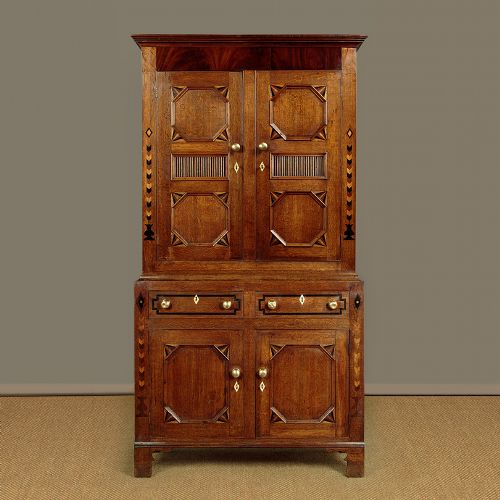
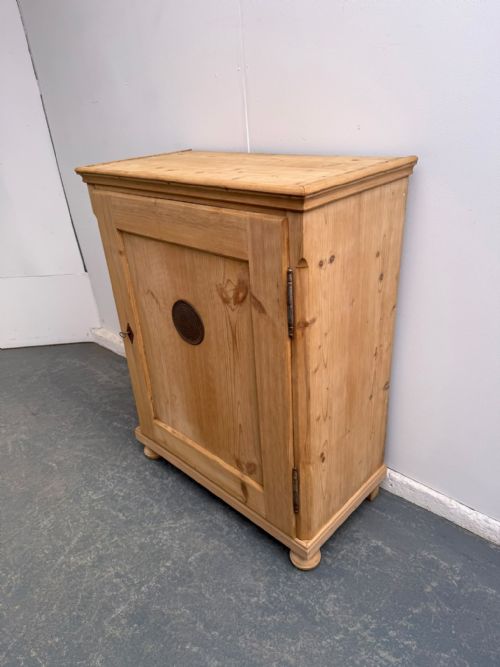
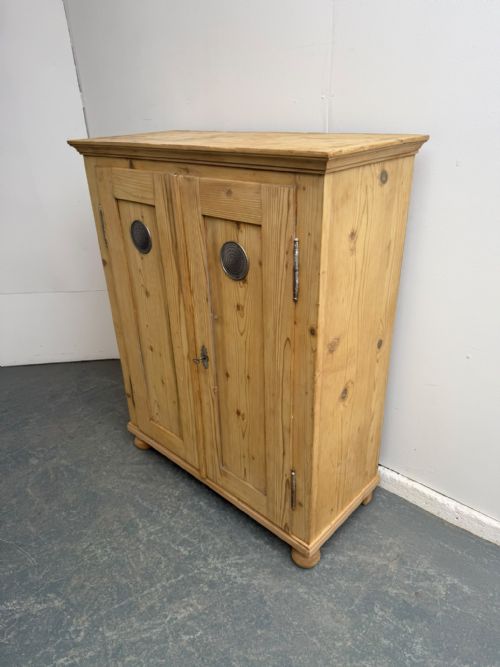
Rare Welsh Pine Food Cupboard, C.1780, Georgian
Priced at £2,300 from WelshAntiques
Essential storage pieces for both grand houses and modest rural cottages alike prior to modern refrigeration.
Monasteries used early versions to hold alms bread for the poor.
Look at the evolution of ventilation methods as you move from the seventeenth to the nineteenth century.
Regional variations of antique food cupboards emerged across Britain and Europe based on local diet.
The arrival of the icebox eventually rendered these ventilated wooden structures obsolete in most homes.
Documented names rarely attach to these functional domestic items.
Village carpenters and estate joiners building to order rather than major city cabinetmakers.
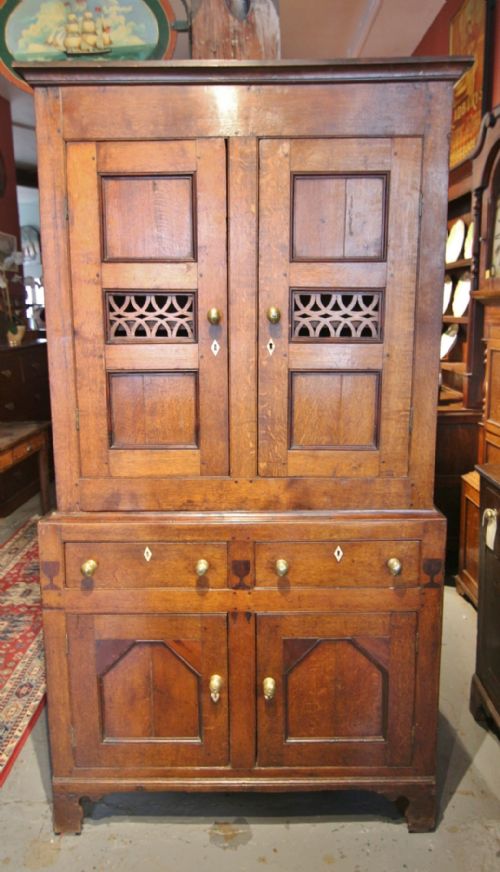
Trace stylistic choices back to specific counties, like the spindle-fronted bread and cheese cupboards of North Wales.
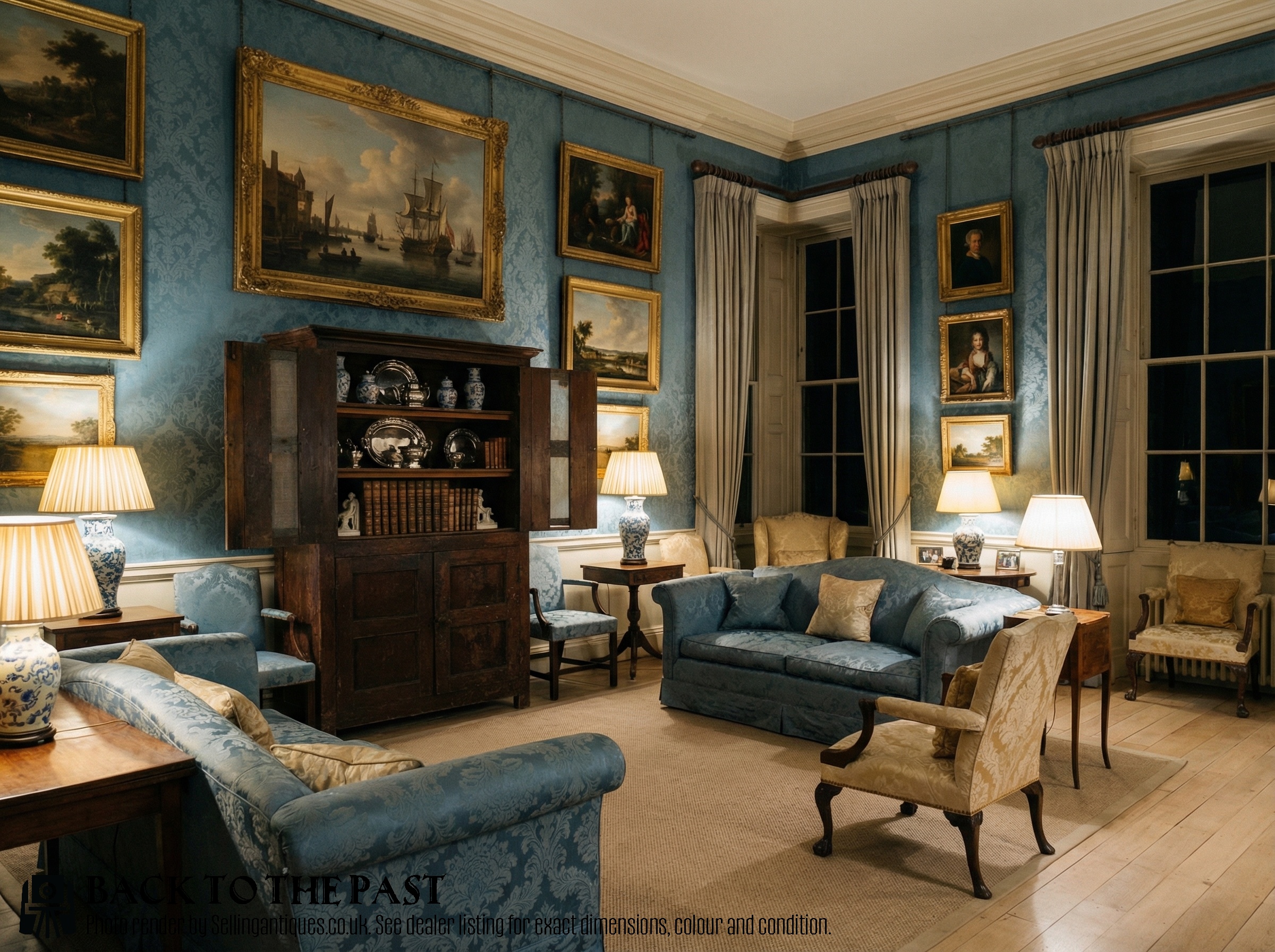
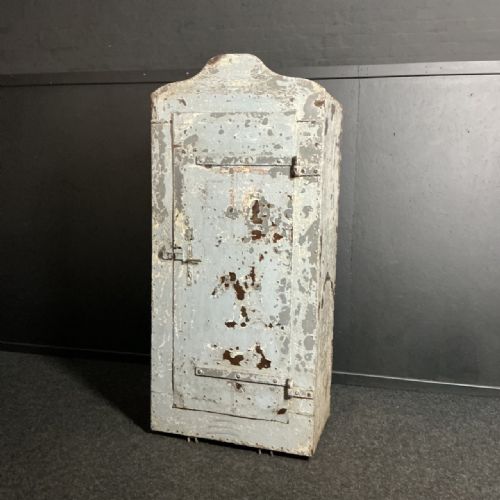
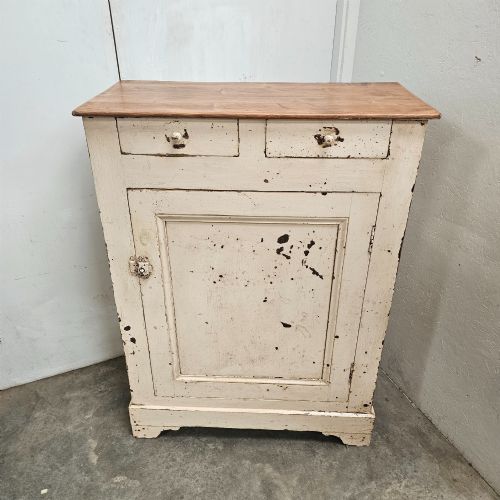
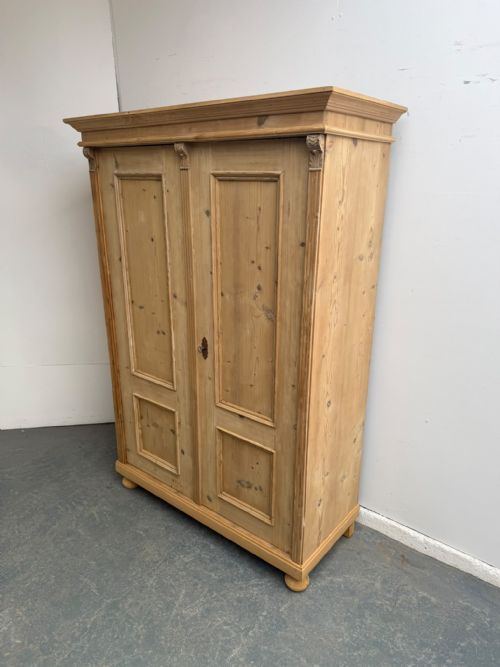
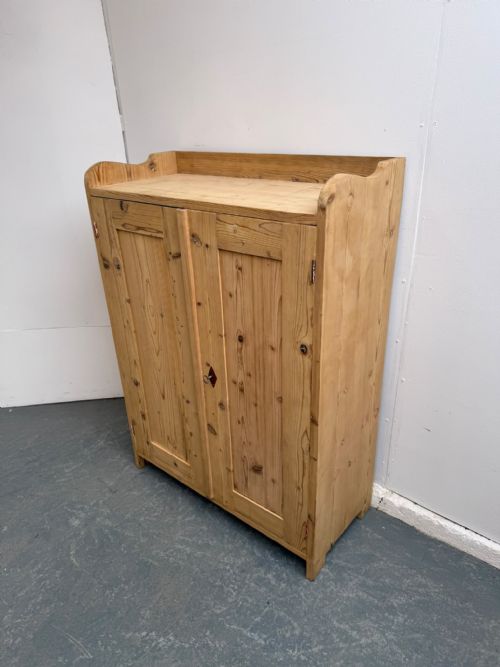
Late 18th C. Painted Pine Food Cupboard, 18th Century
Priced at £1,550 from The Old Yard
The 2026 retail price guide for Antique Food Cupboards is drawn from a proprietary archive of over 1.1 million retail prices indexed by Sellingantiques since 2003. This guide relies exclusively on their own internal data; no external sources or auction records are used.
Analysing nearly 25 years of UK antique market history alongside current retail values, the data indicates that typical UK retail prices for Antique Food Cupboards range between £600 and £2,900. Entry-level prices generally fall under £600 and premium examples upwards of £2,900.
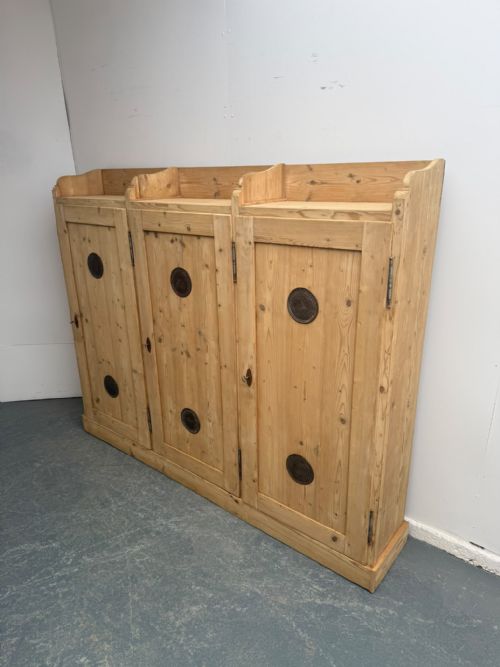
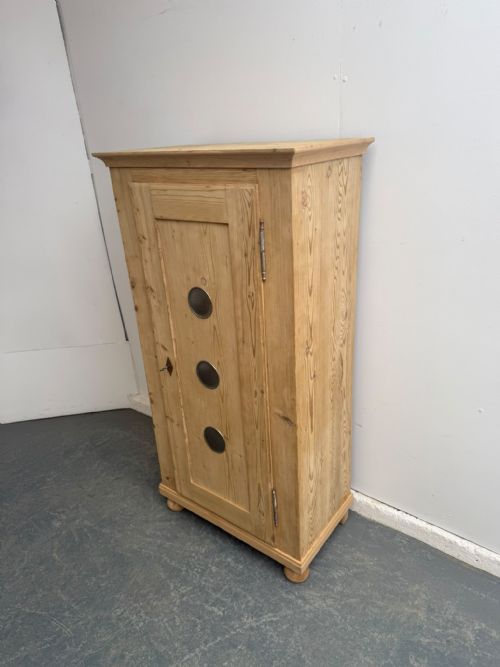
Airflow dictates the entire design of an antique food cupboard.
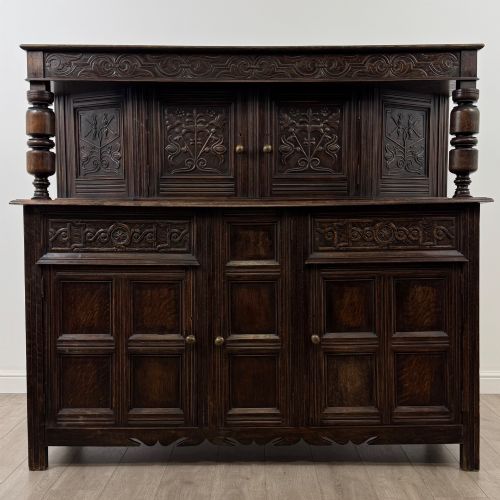
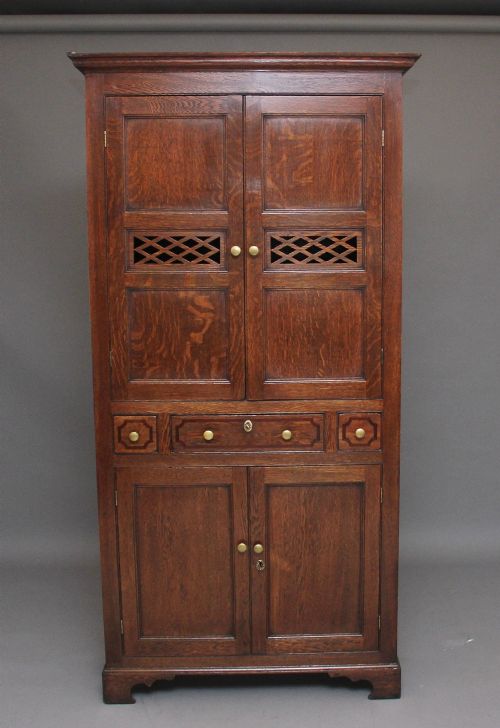
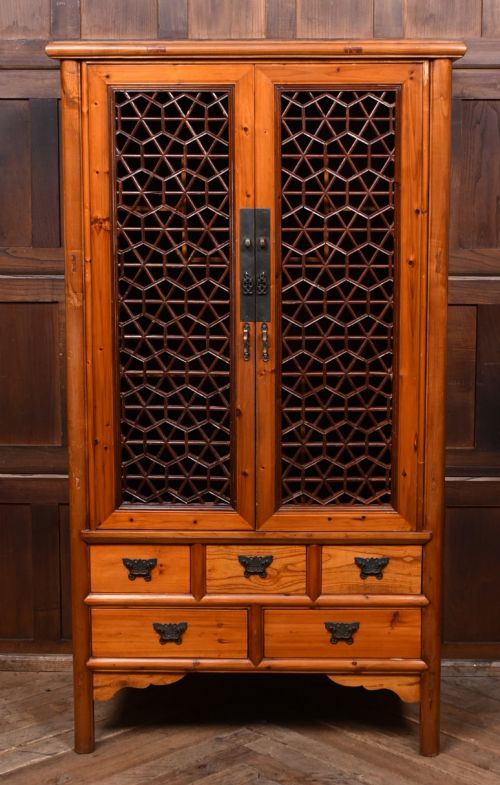
Spindle-turned fronts or elaborately pierced carving across the doors and sides.
Notice how some standing models feature raised legs to deter rodents from climbing up from the floor.
Early examples rely on heavy riven oak planks and simple gouge-carved ventilation slots.
The shift towards lighter framed panels happened as sawmills made thinner timber boards available.
Look for the transition from robust wooden spindles to woven wire mesh inserts in late Georgian pieces.
"The ventilation patterns often cast intricate shadows across a room when lit by a low hearth."
"Some Welsh examples incorporated solid upper sections specifically designed for storing hard local cheeses."
"Note how the wood retains a faint scent of the spices and herbs stored inside centuries ago."
Based on almost 25 years of Sellingantiques UK antique market data, Antique Food Cupboards appeared 479 times (out of 1,100,000 antiques) which gives it a rarity score of 91/100.
This score measures scarcity within the Sellingantiques archive only and is not a survey of the entire antiques market, so these statistics may not be indicative of the general availability of Antique Food Cupboards elsewhere.
Historically, they held rations of food and drink intended for servants or household members to consume overnight in their bedchambers.
Today, you can use them for storing linens or displaying pottery. The internal shelving is usually deep enough for folded blankets.
Start by leaving the doors open on a dry, breezy day. Fresh air solves most mild damp issues in old timber.
If the smell persists, wipe the bare internal boards lightly with a cloth dampened in a weak solution of white vinegar and water. Never soak the wood.
Leave it to dry open to the air. You can place a bowl of bicarbonate of soda inside for a few days to absorb any lingering odours.
You certainly can. The ventilated fronts make them practical for shoe storage in a hallway.
Keep in mind that the interior shelves in some early examples are fixed in place. You might need to check the gap height to ensure taller boots will fit.
Those pierced holes are the original ventilation system. Vernacular makers often arranged them in geometric shapes or simple swirling patterns to add a decorative element to a plain board.
Adding wire mesh or zinc panels became common practice much later. An early piece with carved or drilled ventilation works well without any modern backing.
Please note: This Antique Food Cupboards guide and its associated pricing data are provided for general informational purposes only. It does not constitute formal financial, investment, or appraisal advice and should not be relied upon as the sole basis for any commercial activity, purchasing, or sales decisions. Sellingantiques.co.uk accepts no liability for any actions taken in reliance on this information. Always consult with a qualified professional or independent appraiser.
