


A 2026 Guide by Sellingantiques
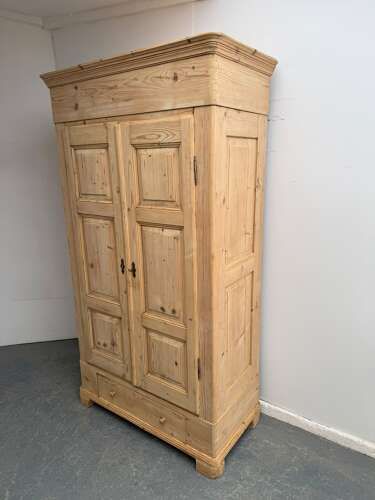
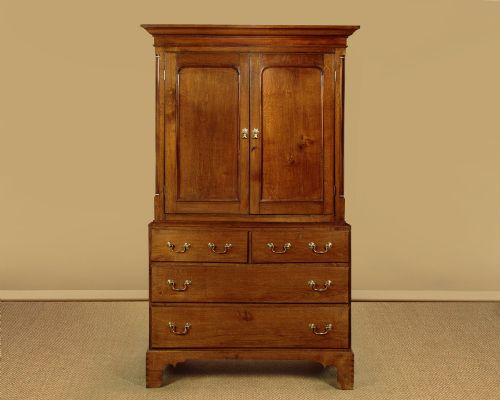
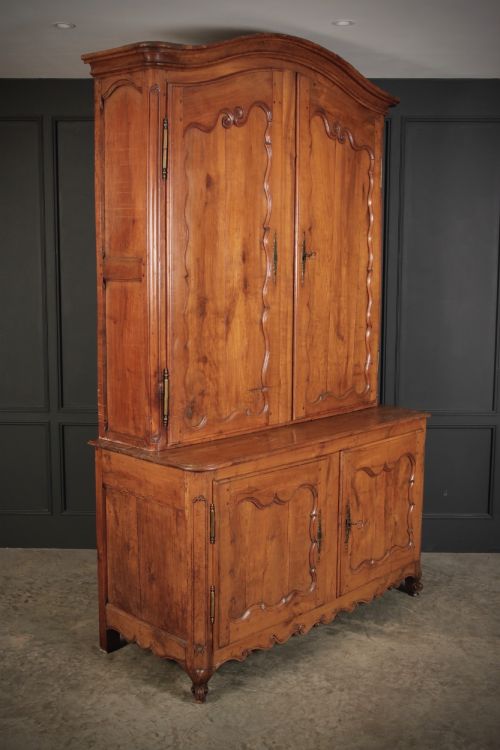
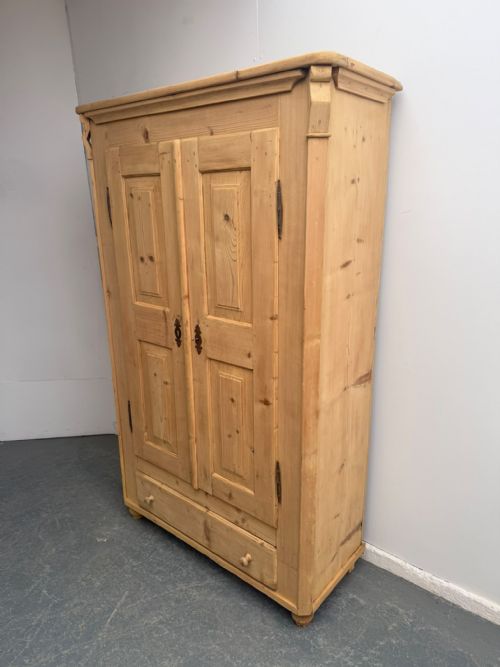
Superb Quality 19th Century Cherry Armoire / Wardrobe / Linen Press, 19th Century
Priced at £1,885 from A Brookes
Early antique armoires evolved from simple wooden chests stood on end.
They served as the primary storage piece in grand European houses before built-in closets became the norm.
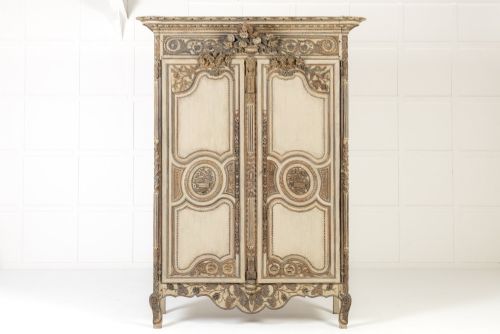
Regional variations developed rapidly across France and Germany during the eighteenth century. Provincial makers adapted the heavy designs favoured by the court.
Wealthy families commissioned these large cupboards to hold valuable textiles and family silver.
Look for deep cornices on older pieces, which helped protect the stored goods from dust and damp falling from thatched roofs.
Most antique armoires are the work of anonymous provincial joiners working within established regional traditions.
Jean-Henri Riesener built highly elaborate examples for the French royal household during the late eighteenth century.
André-Charles Boulle produced massive storage pieces featuring his signature brass and tortoiseshell marquetry during the reign of Louis XIV.
The 2026 retail price guide for Antique Armoires is drawn from a proprietary archive of over 1.1 million retail prices indexed by Sellingantiques since 2003. This guide relies exclusively on their own internal data; no external sources or auction records are used.
Analysing nearly 25 years of UK antique market history alongside current retail values, the data indicates that typical UK retail prices for Antique Armoires range between £800 and £3,000. Entry-level prices generally fall under £800 and premium examples upwards of £3,000.
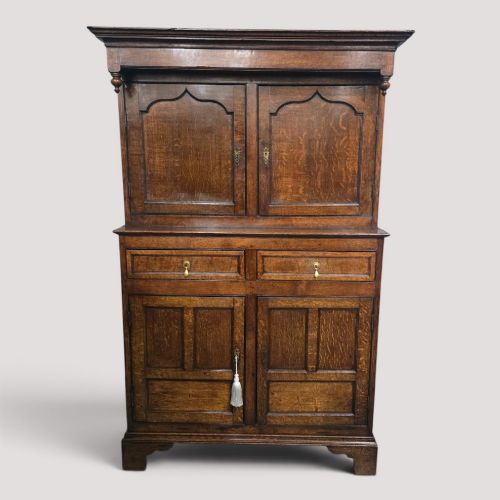
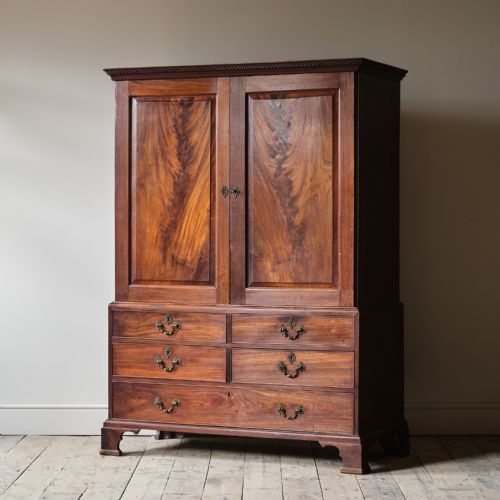
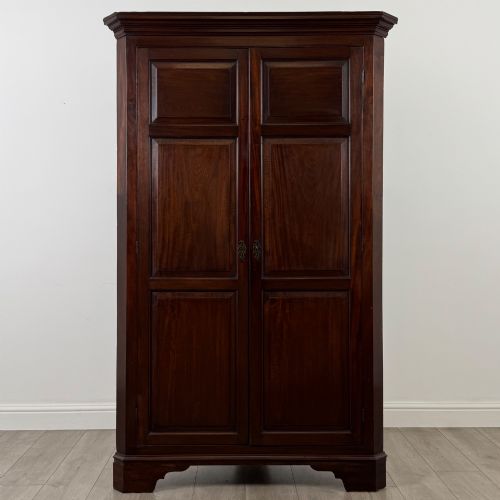
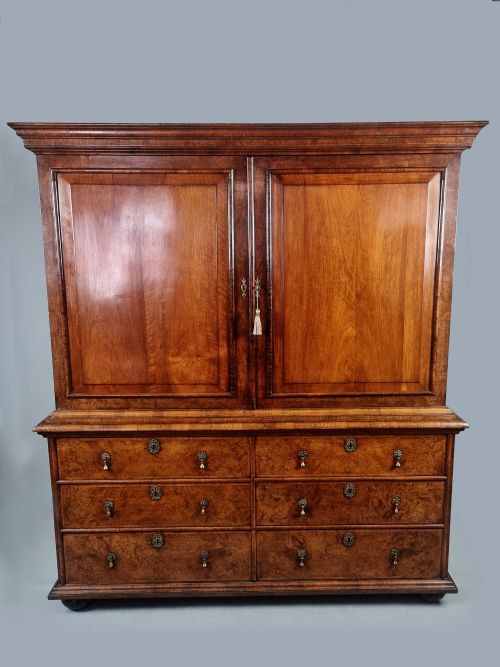
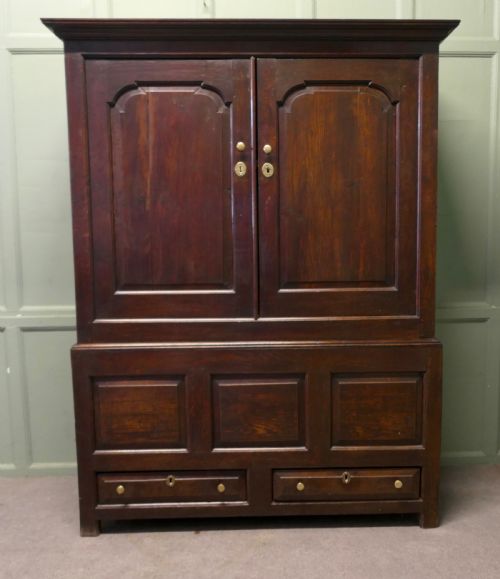
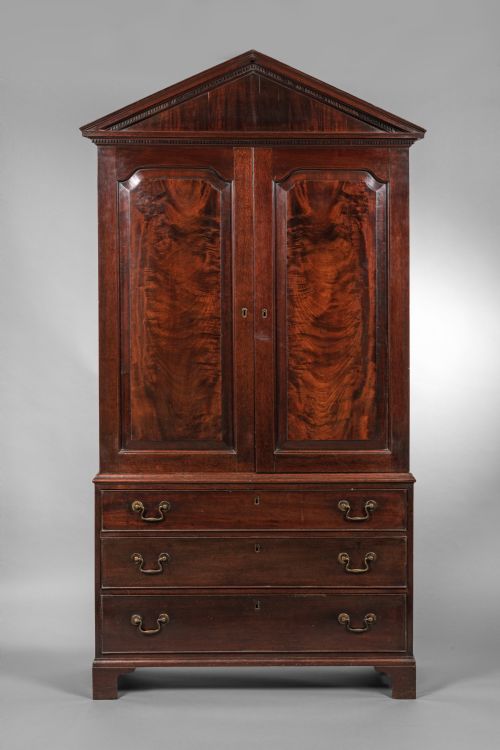
A prominent projecting cornice sits at the very top. This section often detaches to make moving the bulky carcase easier.
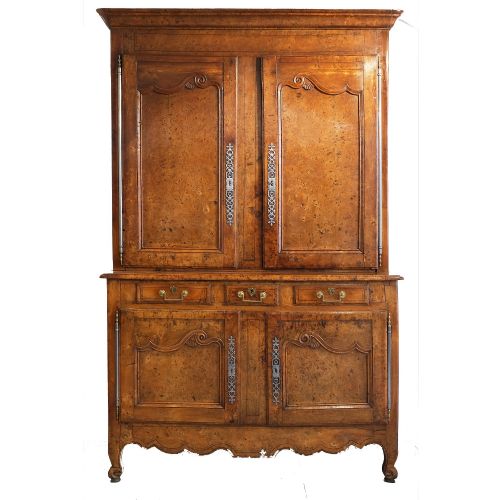
Deeply carved fielded panels on the doors help prevent the solid timber from warping as it expands and contracts.
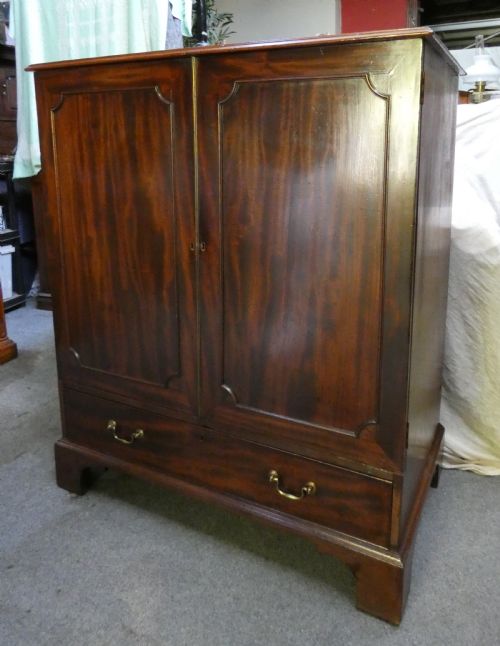
Long barrel hinges allow the heavy doors to swing open wide, giving clear access to the interior space.
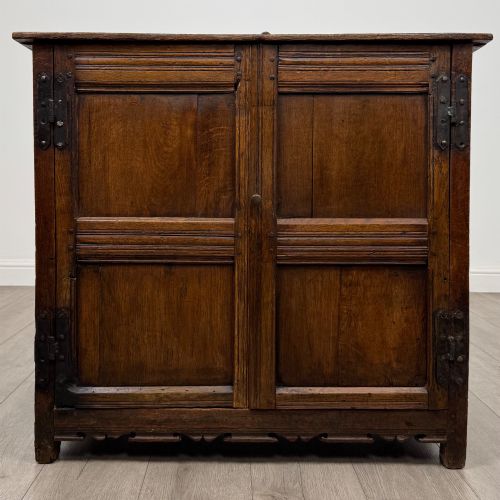
Traditional pegged mortise and tenon joints hold the main carcase together. You'll spot square wooden pegs driven through the frames.
Floating panels sit loose within the door frames. This method stops the wood splitting when humidity changes.
Hand-forged nails secure the back boards. The distinct square heads show the marks of the blacksmith's hammer.
"Many provincial armoires break down into flat panels. This clever wedge-and-peg system allowed families to move them up narrow staircases."
"Hidden compartments sometimes sit beneath the bottom shelf. Makers built these shallow cavities for storing private papers."
"The distinct scent of cedar or camphor inside some pieces comes from later drawer linings added to deter moths."
Based on almost 25 years of Sellingantiques UK antique market data, Antique Armoires appeared 3868 times (out of 1,100,000 antiques) which gives it a rarity score of 46/100.
This score measures scarcity within the Sellingantiques archive only and is not a survey of the entire antiques market, so these statistics may not be indicative of the general availability of Antique Armoires elsewhere.
Most early armoires were built for folded linens rather than hanging clothes. You'll often find them fitted with a stack of wide shelves.
Later generations adapted them by removing the upper boards and fitting a wooden rail. A piece deep enough to hold modern coat hangers proves practical today.
Measure your ceiling height before you buy. Many grander pieces stand over two metres tall, especially those with arched tops or deep cornices.
Think about the staircase too. Unless the carcase features a knockdown design, a solid oak armoire can be hard to navigate around tight corners.
It is a clever construction method using wooden wedges rather than permanent glue to hold the frame together.
You simply knock the wedges out to dismantle the piece into a flat stack of boards.
Flight holes are common in the softer secondary woods used for the back boards. In most cases, this indicates historical activity rather than a live infestation.
Tap the wood gently. If it feels firm and no fine dust falls out, the structure is usually sound. Dealers often treat these pieces as a precaution anyway.
Please note: This Antique Armoires guide and its associated pricing data are provided for general informational purposes only. It does not constitute formal financial, investment, or appraisal advice and should not be relied upon as the sole basis for any commercial activity, purchasing, or sales decisions. Sellingantiques.co.uk accepts no liability for any actions taken in reliance on this information. Always consult with a qualified professional or independent appraiser.
