




A 2026 Guide by Sellingantiques
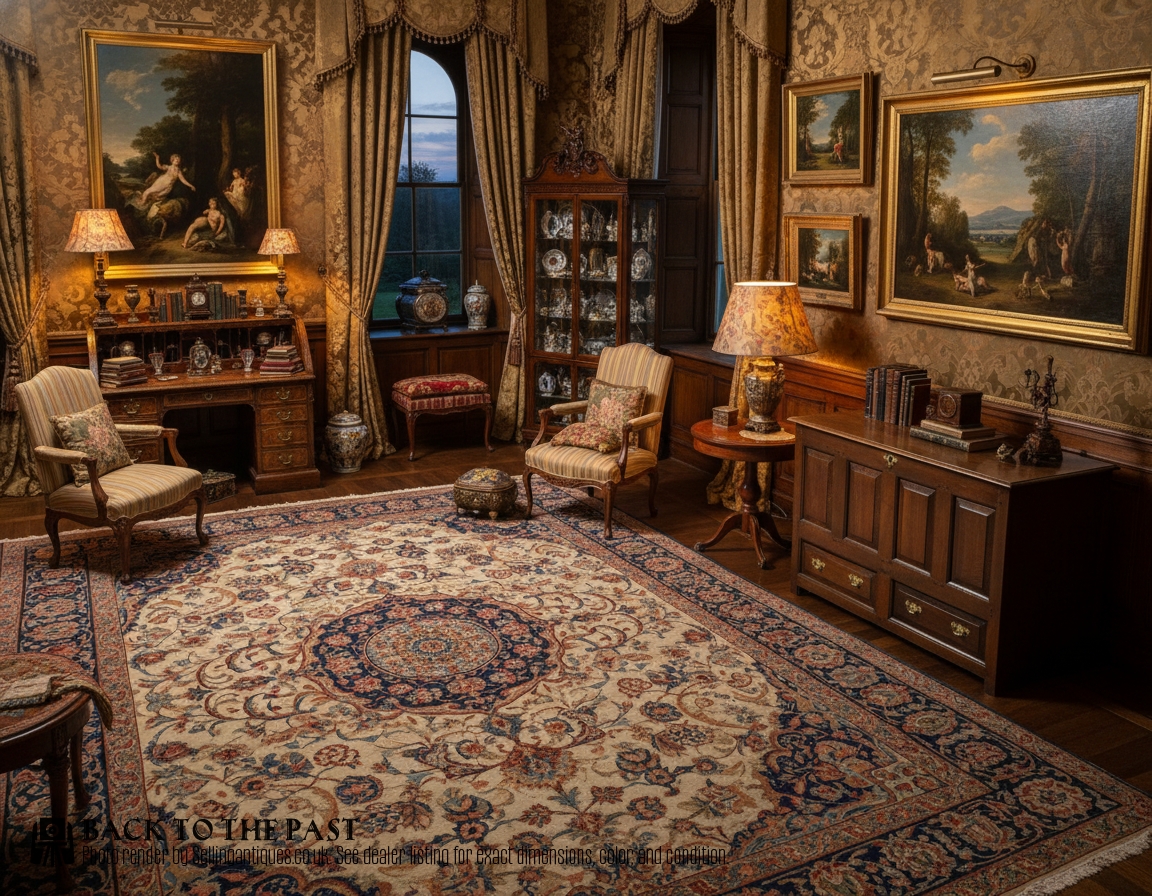
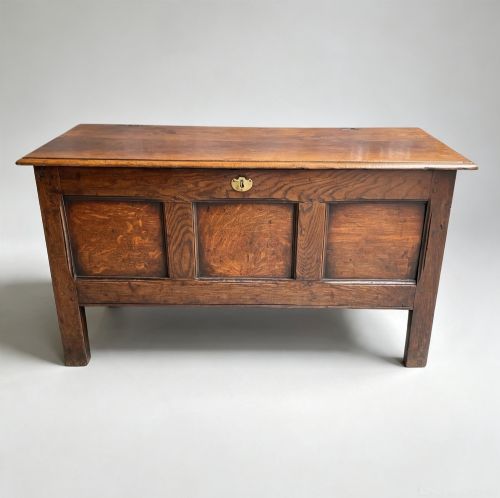
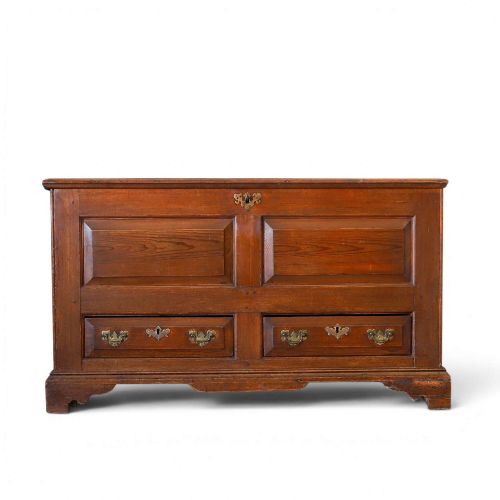
Georgian Oak Mule Chest, 18th Century
Priced at £875 from Brookside Antiques
They bridge the gap between simple coffers and the later chest of drawers.
Originating in the seventeenth century, these solved the problem of digging through deep boxes for smaller items.
Look at how regional makers adapted the form across rural England and Wales over successive decades.
The name supposedly refers to the hybrid nature of the piece, sharing traits of two different forms.
By the late Georgian period, tallboys and standard chests had largely replaced the antique mule chest in affluent homes, relegating them to servants' quarters and rural cottages.
Few antique mule chests bear a stamped name, as local joiners built most domestic examples.
Estate carpenters constructed many items to suit the specific dimensions of a farmhouse room.
Guild records in provincial towns occasionally list joiners charging for chests with drawers, though matching specific names to surviving examples remains a rare occurrence today.
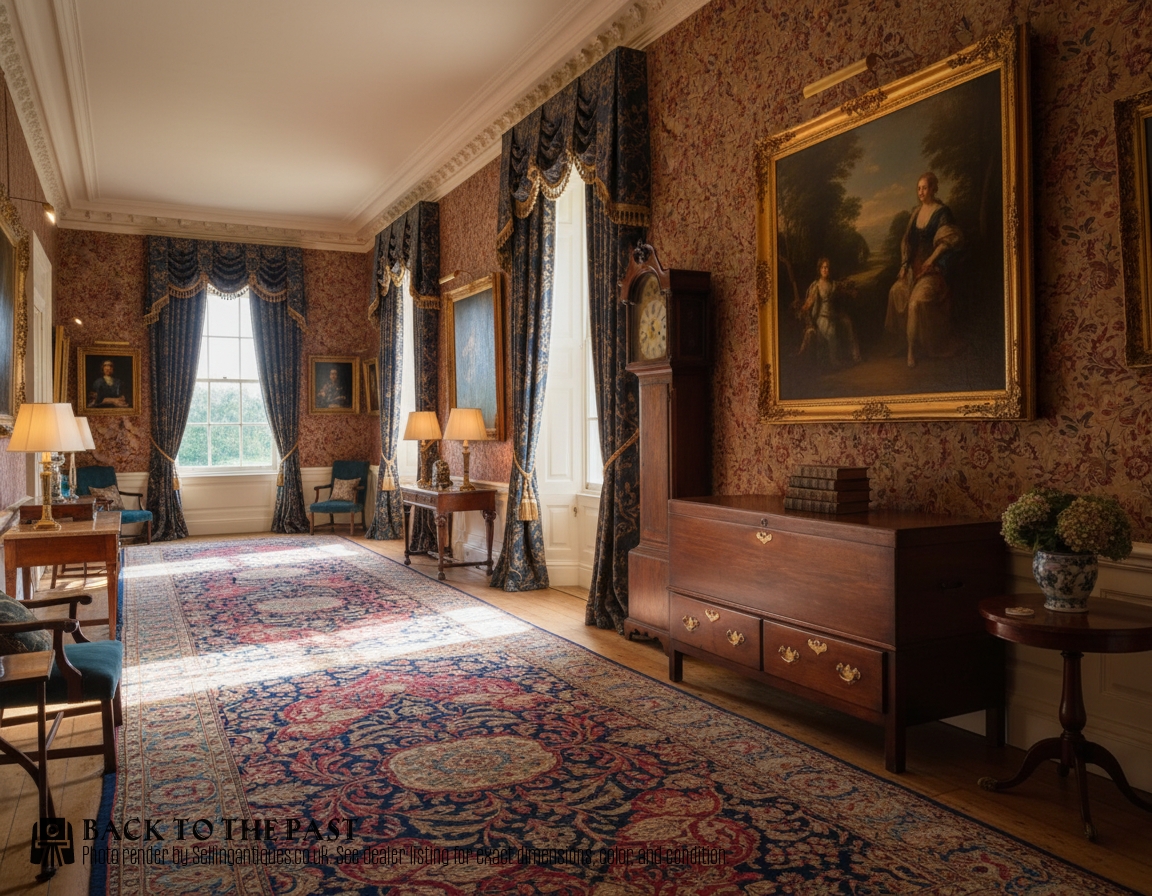
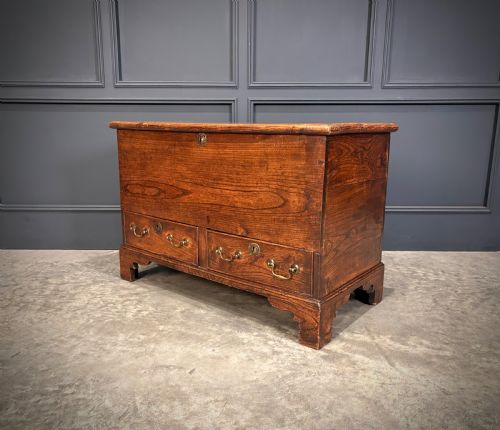
Georgian Mahogany Mule Chest / House Keeper's Trunk, Georgian
Priced at £950 from Sinclairs Antiques and Interiors
The 2026 retail price guide for Antique Mule Chests is drawn from a proprietary archive of over 1.1 million retail prices indexed by Sellingantiques since 2003. This guide relies exclusively on their own internal data; no external sources or auction records are used.
Analysing nearly 25 years of UK antique market history alongside current retail values, the data indicates that typical UK retail prices for Antique Mule Chests range between £500 and £1,600. Entry-level prices generally fall under £500 and premium examples upwards of £1,600.
A deep upper void accessed by a hinged lid remains the defining characteristic.
Lower drawers sit beneath the main compartment, usually arranged in a single or double tier.
False drawer fronts sometimes disguise the upper section to create the illusion of a standard, more expensive chest of drawers.
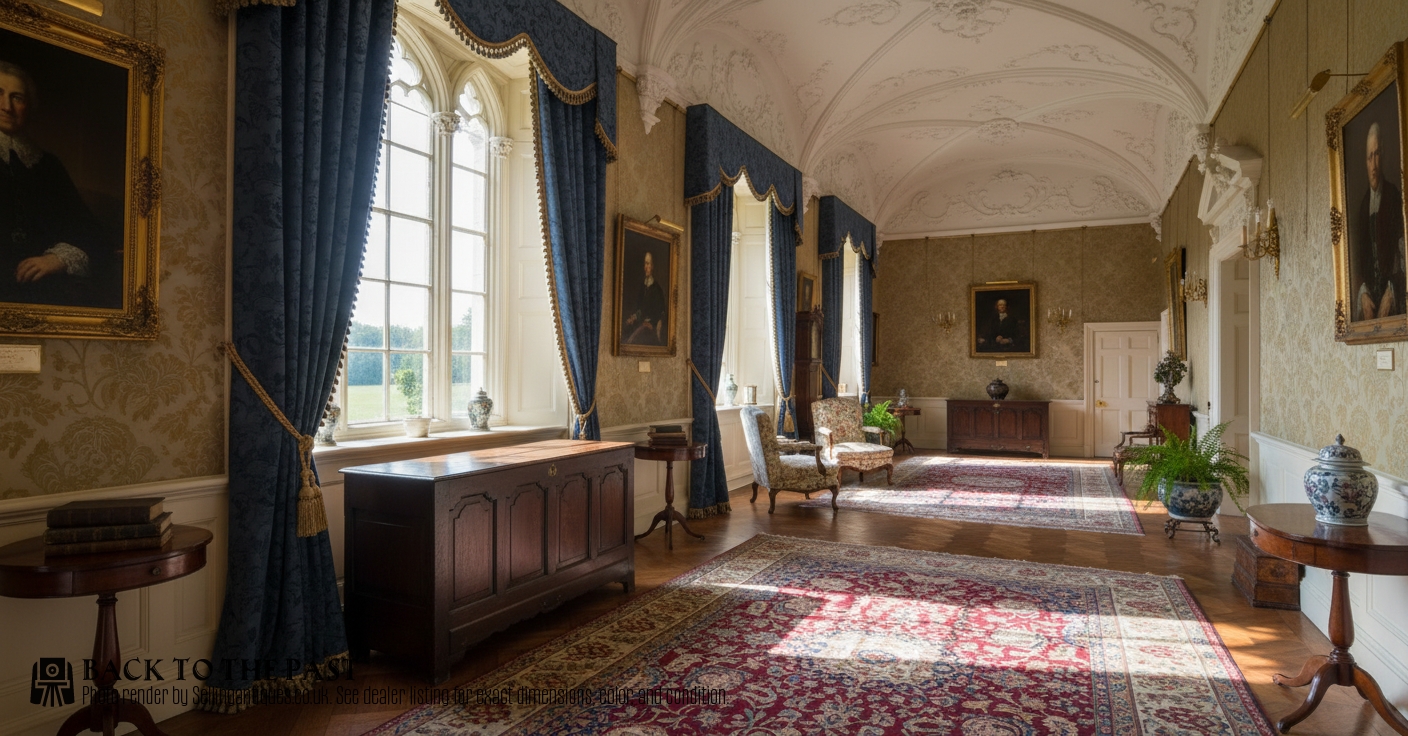
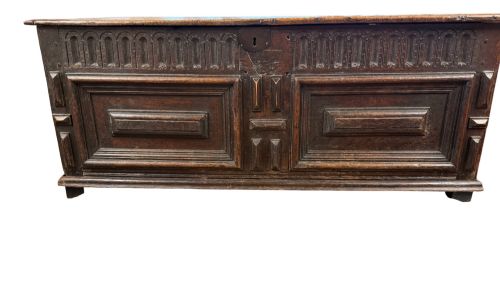
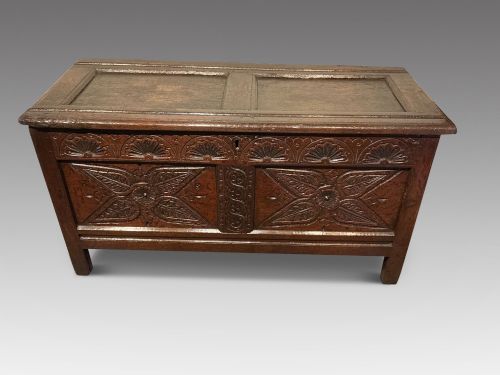
18th Century Oak Mule Chest / Coffer, 18th Century
Priced at £550 from Sinclairs Antiques and Interiors
Early versions rely on heavy joined panel construction with thick stiles.
Notice the transition to boarded construction in later centuries as wide imported timber became available.
Drawer construction shifted from side-hung channels in early pieces to bottom runners on eighteenth-century examples, changing how the lower section operates.
"The internal candle till often features a secret compartment hidden beneath a sliding false floor."
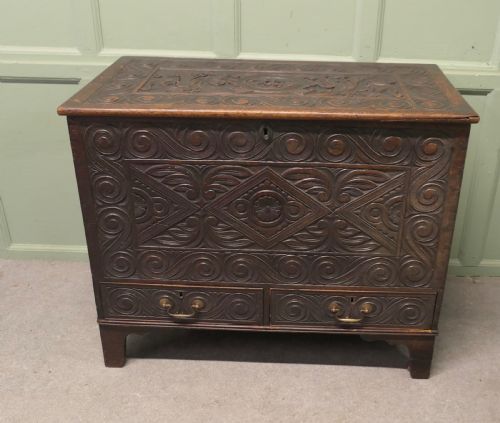
"Many early examples feature complex geometric mouldings run directly into the solid timber frame rather than applied later."
"Those broad top surfaces were sometimes used as extra seating or makeshift tables in crowded rural cottages."
Based on almost 25 years of Sellingantiques UK antique market data, Antique Mule Chests appeared 1425 times (out of 1,100,000 antiques) which gives it a rarity score of 75/100.
This score measures scarcity within the Sellingantiques archive only and is not a survey of the entire antiques market, so these statistics may not be indicative of the general availability of Antique Mule Chests elsewhere.
Most solid oak examples require at least two strong people to move them safely. The thick timber frame and heavy fielded panels add up to significant weight.
Taking the drawers out before you lift makes a big difference to the overall load. Removing the lid helps if the hinges are simple pins that allow easy separation.
Most antique mule chests sit higher than modern coffee tables. A single-tier chest might work, but double-tier versions are usually too tall for standard seating.
They function much better as hallway benches or blanket boxes at the foot of a bed.
Sometimes the drawers feature individual iron locks.
Early makers also employed internal pegs dropping from the main void to secure the lower section.
Regional joiners frequently matched the upper dummy fronts to the working lower drawers to create a balanced facade. It gives the piece the visual status of a full chest of drawers.
This approach allowed households to display fashionable taste while keeping the practical open void for bulky textiles.
Please note: This Antique Mule Chests guide and its associated pricing data are provided for general informational purposes only. It does not constitute formal financial, investment, or appraisal advice and should not be relied upon as the sole basis for any commercial activity, purchasing, or sales decisions. Sellingantiques.co.uk accepts no liability for any actions taken in reliance on this information. Always consult with a qualified professional or independent appraiser.
