


18th Century Enamel
When you handle 18th century enamel, you hold miniature painted worlds fused by fire onto copper and porcelain.
18th Century Enamel
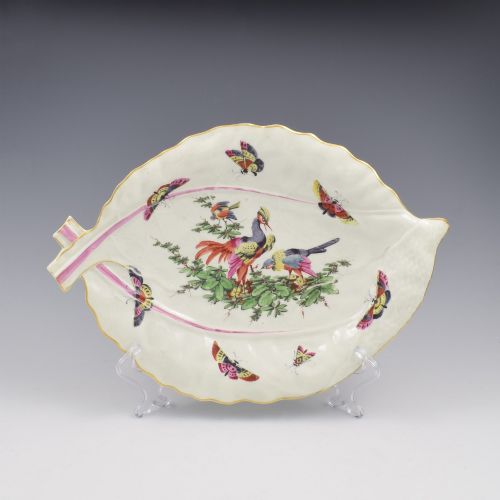
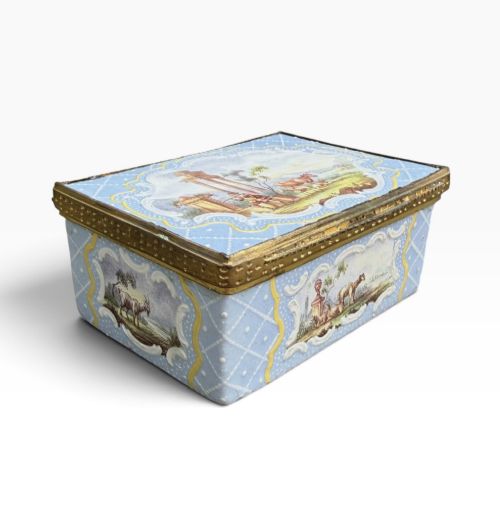
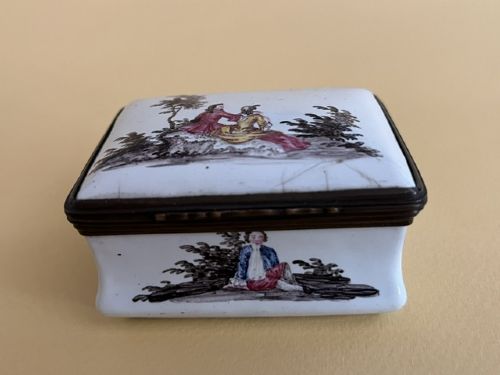
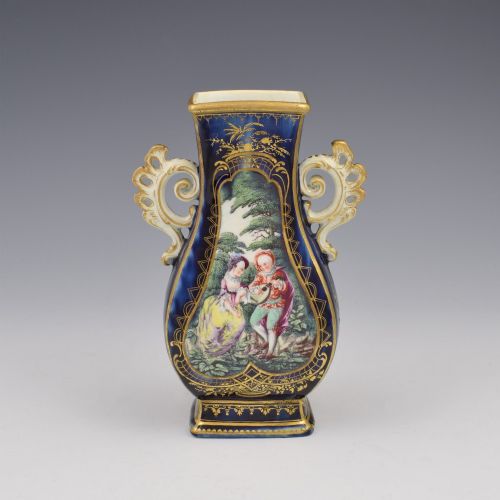
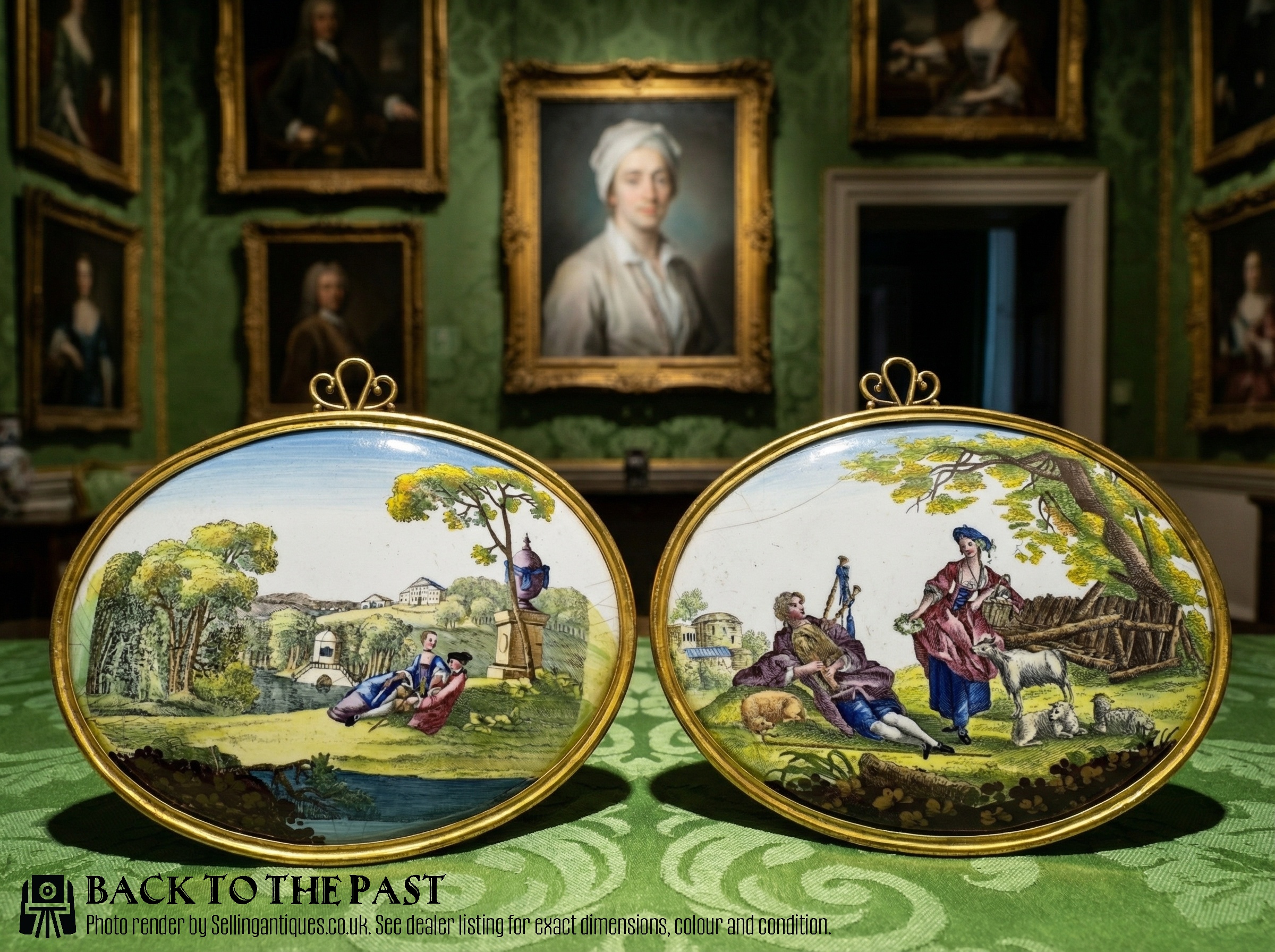
Collectors seeking 18th century enamel encounter small, portable containers such as patch boxes, snuff boxes, scent flasks, and decorative plaques created across English and European workshops. These objects frequently display hand-painted pastoral scenes, floral motifs, or portraits rendered with fine brushwork on smooth vitreous surfaces.
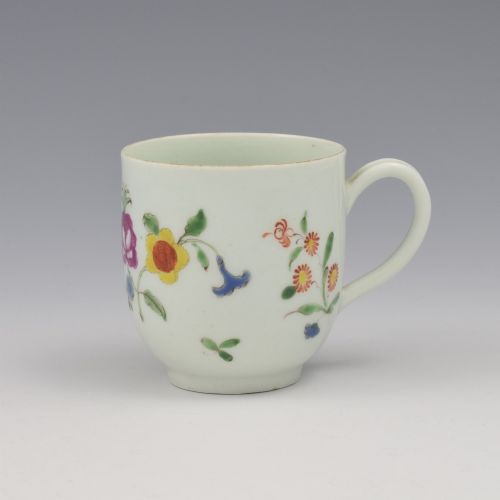
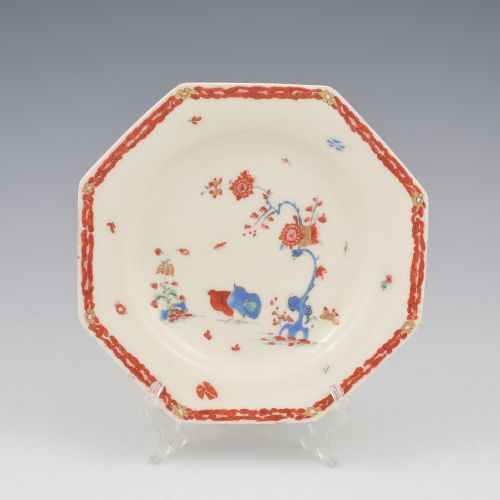
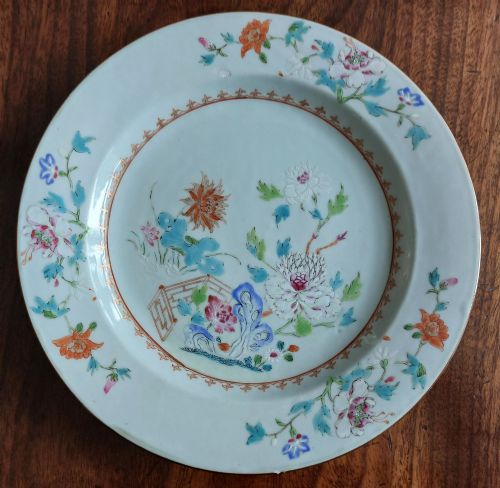
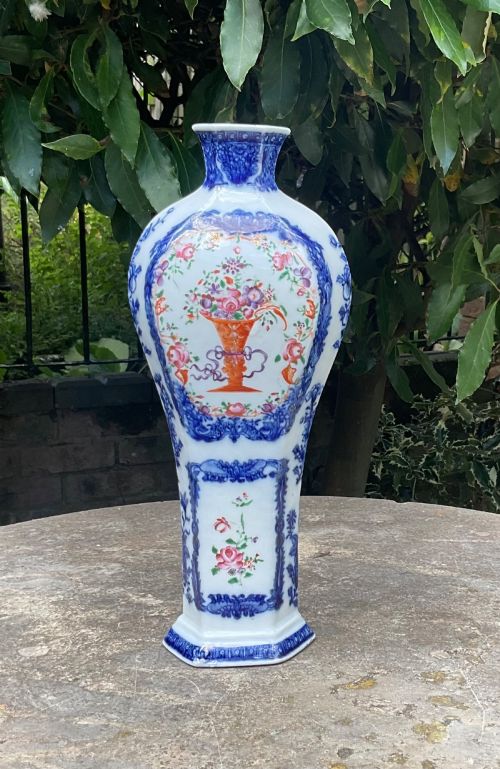
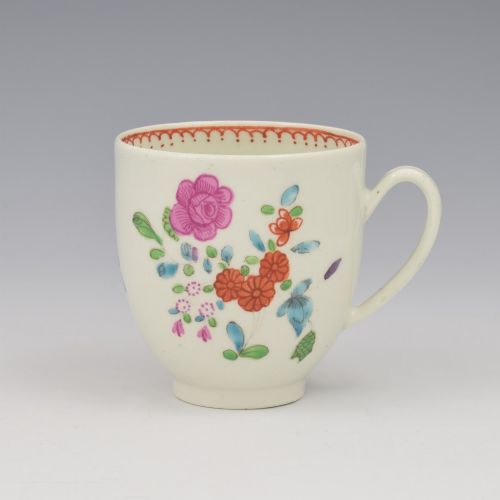
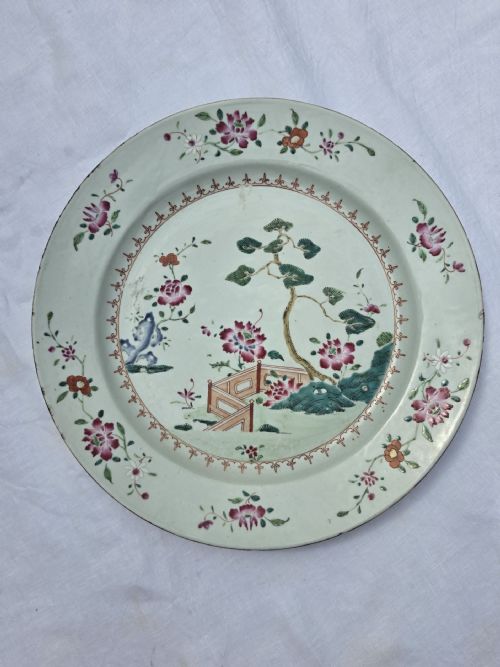
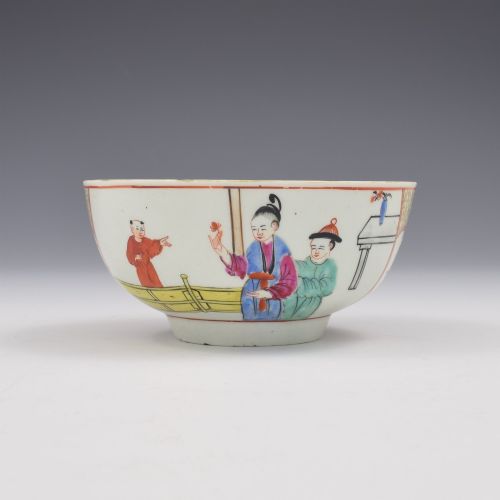
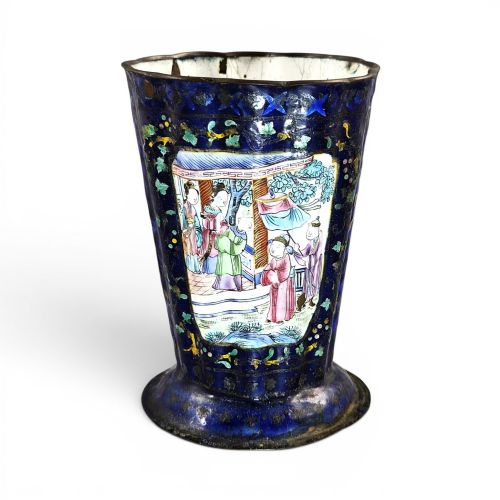
English centres such as Bilston and South Staffordshire dominate the available small boxes and trinket containers, often featuring pink, white, or deep blue grounds with gilt metal mounts. Alongside English production, Chinese export porcelain and Beijing enamel vessels incorporate comparable polychrome enamelling techniques tailored for international markets.
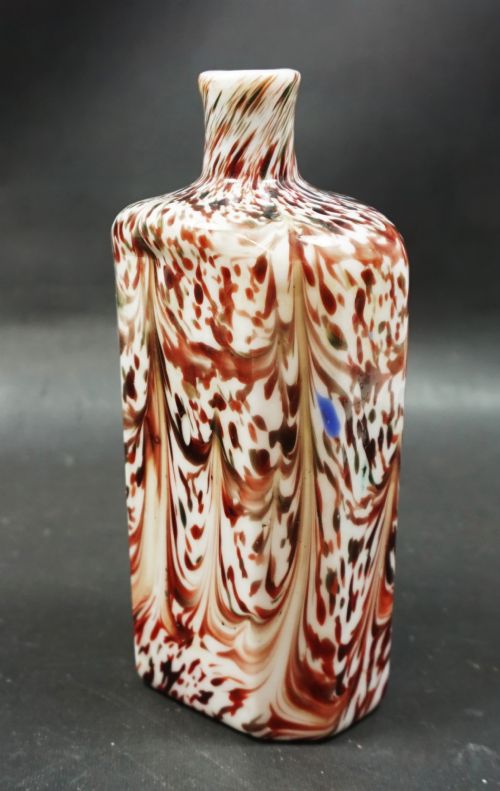
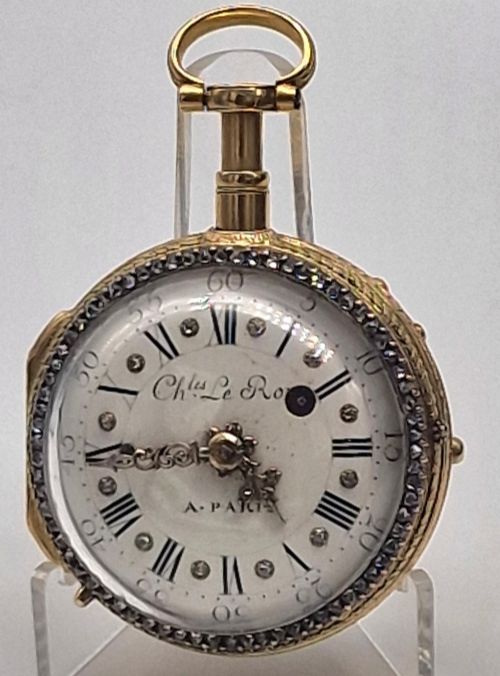
The material also extends into pocket watch cases, portrait miniatures, and glassware decorated with fired enamel colours, connecting utilitarian items with ornamental artistry. Surviving examples demonstrate the versatility of glass and metal as bases for decorative pigments during the Georgian period.
Materials and construction methods
Enamelling involves fusing powdered glass to a metal or ceramic substrate through high-temperature firing, creating a durable and glossy decorated surface. Copper serves as the primary metal base for English boxes and plaques, while soft-paste porcelain and lead glass provide alternative grounds for polychrome painting.
Gilt metal mounts and hinges frame the hinged lids of patch boxes and snuff boxes, joining the enamel components with mechanical precision. Artisans applied metal oxides by hand to achieve specific colour palettes before subjecting the pieces to repeated kiln firings.
Georgian sweethearts exchanged enamelled boxes bearing painted birds and secret love tokens before sending them off to sea.
Markers of superior execution
Quality rests in the crispness of the miniature painting, the smoothness of the enamel surface free from heavy pitting, and the delicacy of the surrounding metal mounts. Superior pieces display refined brushwork on figural scenes or botanical subjects rather than formulaic application.
The integrity of the hinged joints and the retention of original gilding separate masterwork boxes from standard production items. Workshop provenance, particularly pieces attributed to documented English enamel hubs or fine Chinese imperial workshops, elevates the standing of an object.
Henry Bone ARA·Richard Chaffers·Christian Friedrich Zincke·Charles Le Roy
The 18th Century Enamel Glossary
- Patch box
- A small container with a mirrored interior, originally used to hold cosmetic fabric patches worn on the face during the Georgian era.
- Bilston
- A Staffordshire town renowned for eighteenth-century enamel production, particularly small hinged boxes and trinket containers.
- Puce
- A brownish-purple or dark red colour derived from manganese, frequently used for monochrome or camaieu painting on ceramics and enamel.
- Verge
- An early type of mechanical watch escapement utilising a crown wheel and a vertical pallet axis.
- Famille rose
- A Chinese porcelain palette introduced in the eighteenth century, distinguished by opaque pink enamel derived from colloidal gold.
18th Century Enamel: Frequently Asked Questions
What were enamel patch boxes used for?
Enamel patch boxes served as personal accessories for carrying small silk or velvet cosmetic patches, which fashionable individuals adhered to their faces to conceal blemishes or display social status.
Inside the hinged lid, makers frequently fitted a small mirror to assist the owner in placing these decorative shapes while away from home.
How do I distinguish Bilston enamel from other regions?
Bilston enamel pieces typically feature copper bases coated in opaque white or coloured enamel, finished with delicate hand-painted landscapes, figures, or sentimental inscriptions. They often take the form of small rectangular, oval, or bird-shaped patch and pill boxes with gilt metal mounts.
Comparative English output from South Staffordshire shares these characteristics, while continental and Asian pieces employ distinct palette choices and copper preparation methods.
How should I clean 18th century enamel?
These delicate objects require gentle maintenance using a soft, dry cloth to remove dust from the surface and the metal mounts. Moisture can seep into hairline fractures in the glass paste or degrade exposed copper, so chemical cleaning agents and water must be avoided.
Can I use an antique pocket watch daily?
Georgian pocket watches with verge escapements function as mechanical historical artefacts rather than reliable daily timekeepers. Regular wear exposes fragile internal components and outer horn or metal cases to accidental impact and environmental stress.