


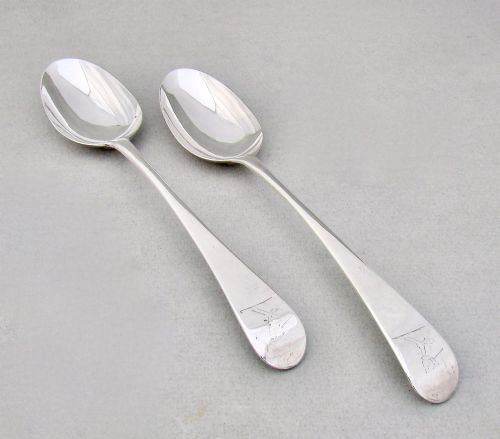
Antique Silver Spoons
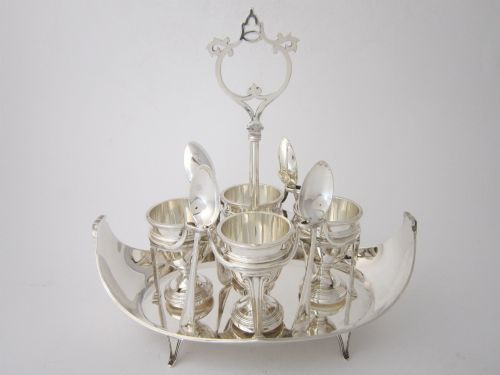
Small silver spoons made for one job at table, from measuring tea out of a caddy to serving berries, dusting sugar or lifting salt and mustard.
Antique Silver Spoons
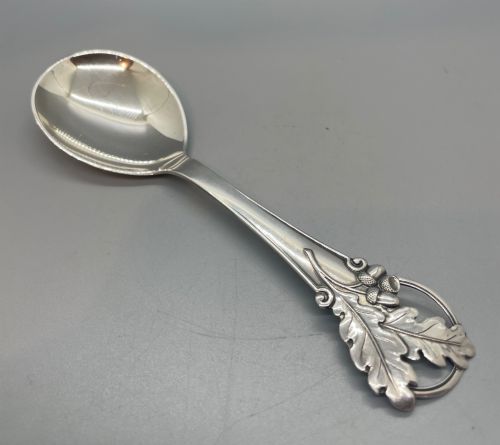
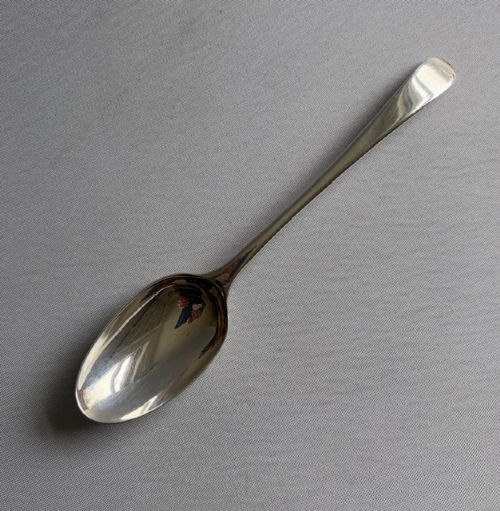
The spoon is one of the oldest surviving forms of English domestic silver, made as a personal possession long before matched cutlery services existed. From the 18th century the trade multiplied bowls and handles for particular jobs, which is why so many small distinct types survive: caddy, sifter, salt, mustard, berry, basting, christening.
Most of what carries the heading is English hallmarked sterling, and the single caddy spoon and the pair or set of servers do the heavy lifting. "Caddy" appears in around a fifth of titles, "serving" in one in seven, and "pair" turns up more often than "six". A plain table spoon is not the usual meeting.
Georgian and Victorian are the two commonest period words, with London and Birmingham the assay towns named most. Twentieth-century decades are well represented too, the 1930s especially, so cased sets of enamelled coffee spoons sit alongside 18th-century work. The samples run earlier than the headline dates as well, to 17th-century seal-top, trefid and slip-top spoons.
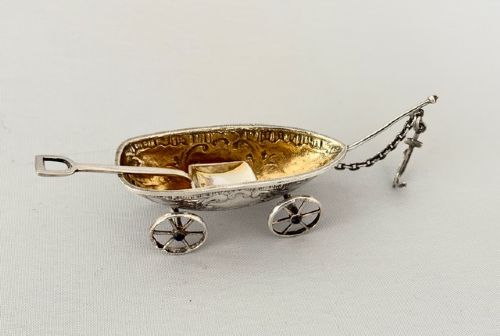
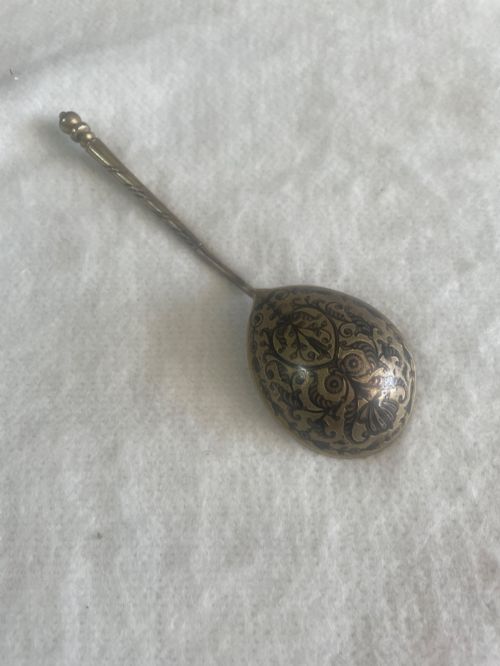
Around the two main branches sit condiment pieces sold with their spoon, mustard pots, salts and cayenne bottles, and a visible minority of Scottish, Irish and continental silver: Norwegian 830S, Danish, Dutch, German, French, Russian cloisonné, plus American, Chinese export, Indian and New Zealand pieces. A smaller slice is silver plate or EPNS.
What Separates Them
Age of the form does most of the work. The early spoons, seal-top, trefid, slip-top and dognose, sit at the top of the range, while single 20th-century spoons occupy the lower reaches. An Elizabethan seal-top dated 1585 is the earliest thing the samples record.
Weight is quoted here more often than in most silver, and it tracks value. Sampled titles run from a 12g caddy spoon to a 198g pair of crested servers, with one George I hash spoon at 35cm and 175 grams. Berry and serving pairs stating 96g to 198g sit above the light singles.
Completeness and marks account for the rest. A set of six or twelve in its original case ranks above a single spoon, sterling ranks above plate, and a named maker or a provincial assay office is used as the selling point when there is one. Exeter, Newcastle, Chester, York, Aberdeen, Inverness, Elgin, Dundee and Glasgow all appear.
Antique Silver Spoons Retail Price Guide 2026
Typical UK retail prices for silver spoons, calculated from the Sellingantiques database of over a million retail prices indexed since 2003. This retail price guide relies exclusively on Sellingantiques data; no external sources or auction records are used, so the figures do not describe the wider market.
Around two hundred and eighty silver spoons are listed on Sellingantiques each year, from a hundred and twenty-seven dealers.
George Unite·Hester Bateman·Walker & Hall·Joseph Taylor·Elizabeth Morley·George Adams·William Pugh
The Antique Silver Spoons Glossary
- Caddy spoon
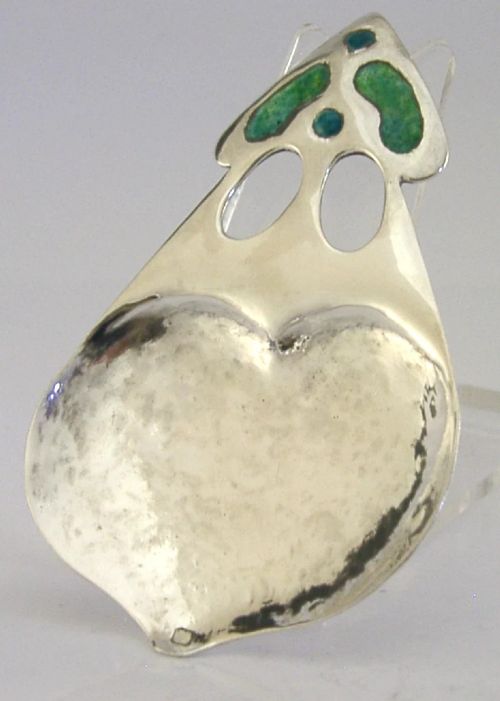
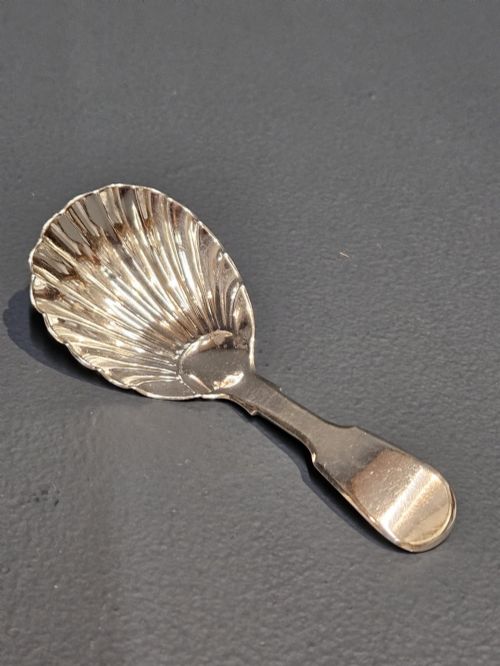
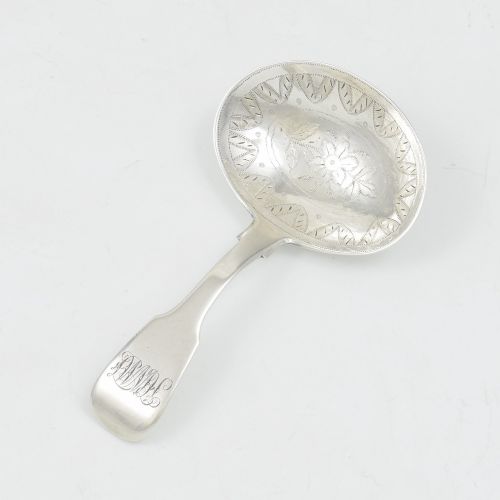
- Short-handled spoon with a broad bowl for measuring tea out of a caddy. The commonest named type in the category, and sampled forms include shovel, leaf, jockey cap, filigree, vine leaf and frying-pan.
- Sifter spoon
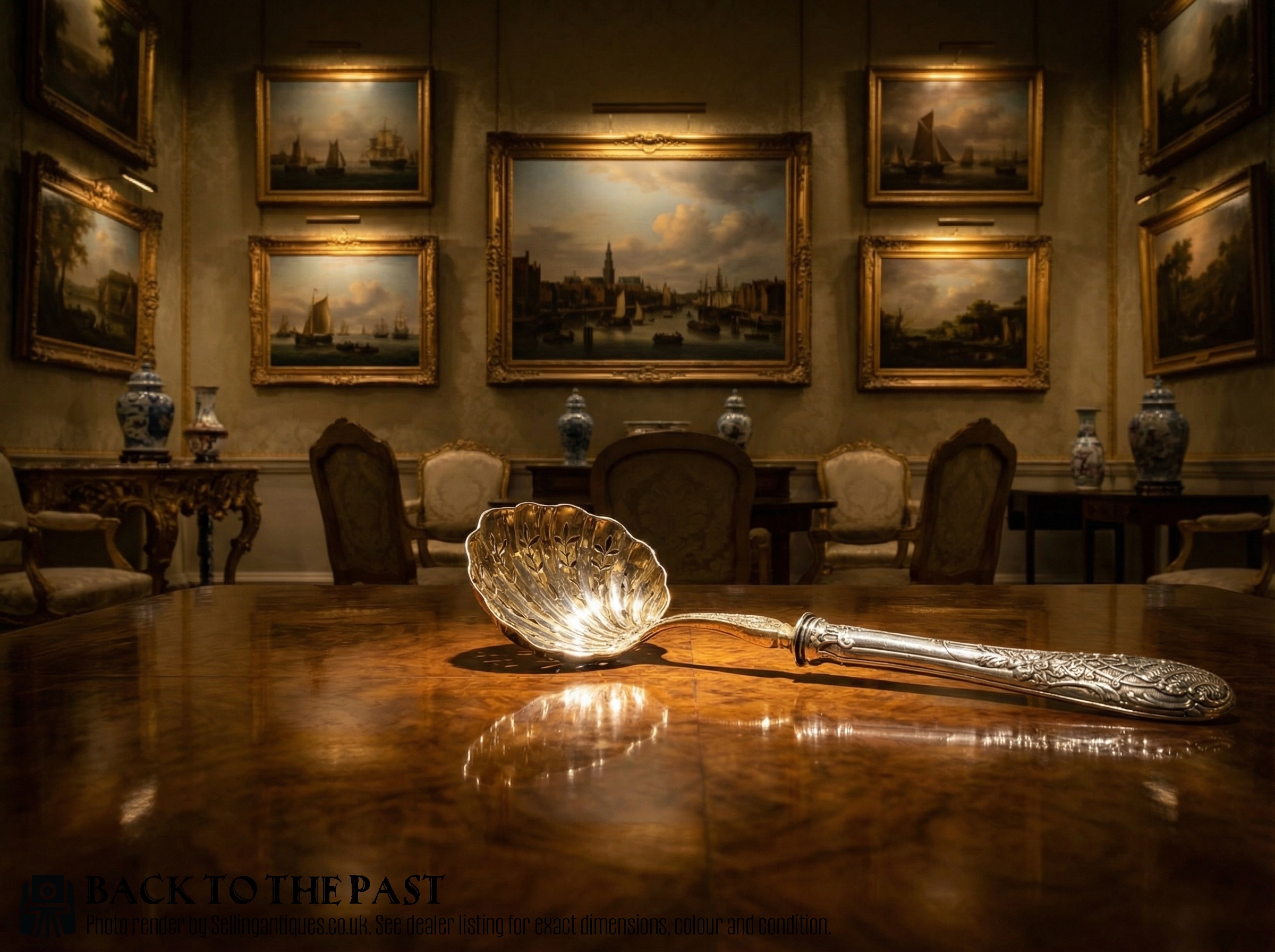
- Pierced-bowl spoon for dusting sugar or spice. Named in around a hundred titles.
- Berry spoon
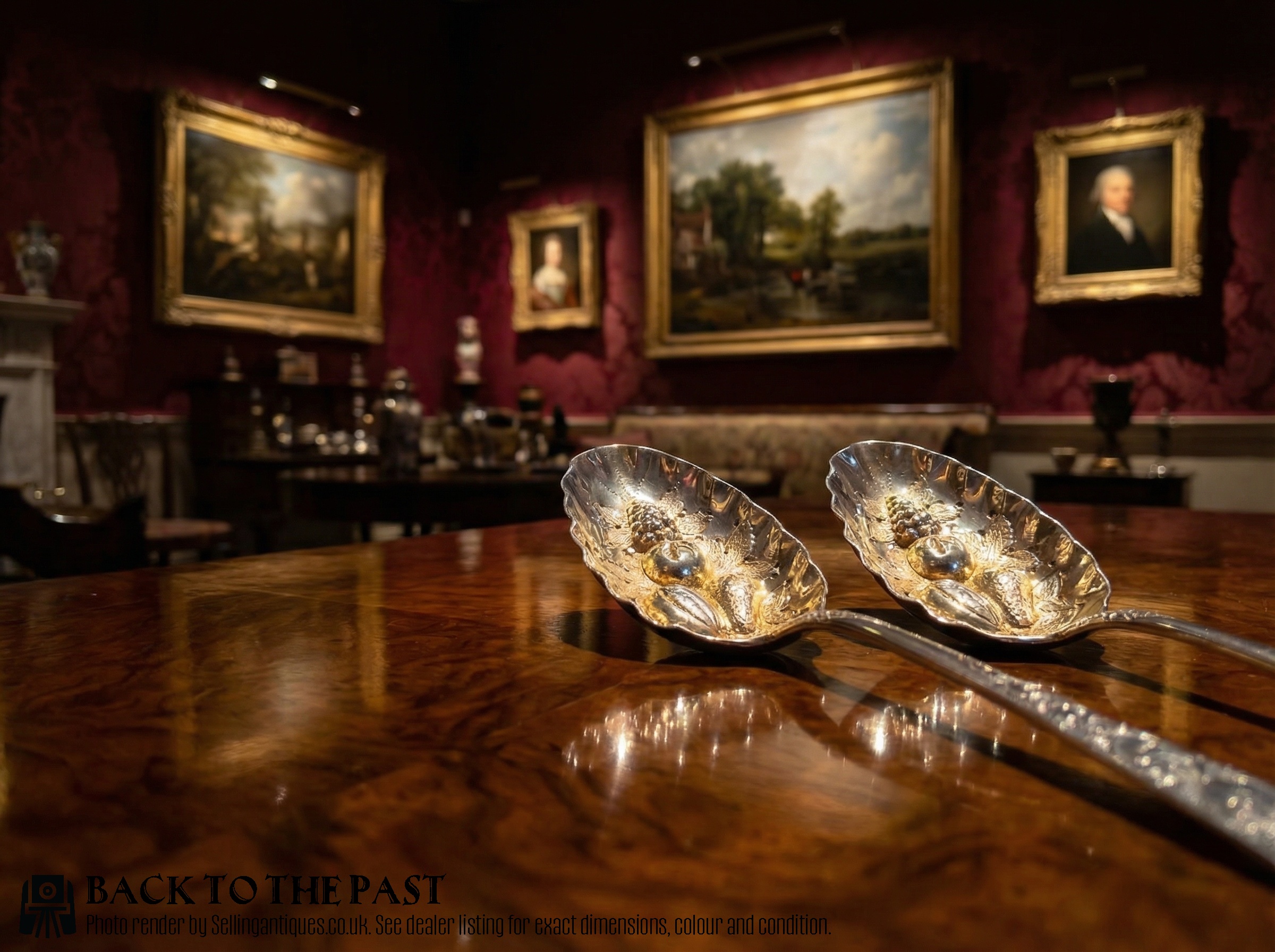
- Serving spoon with an embossed, often gilded fruit-decorated bowl. Usually met as a pair rather than singly.
- Basting spoon
- Long heavy serving spoon, the sampled examples stating 140 to 154 grams.
- Fiddle pattern
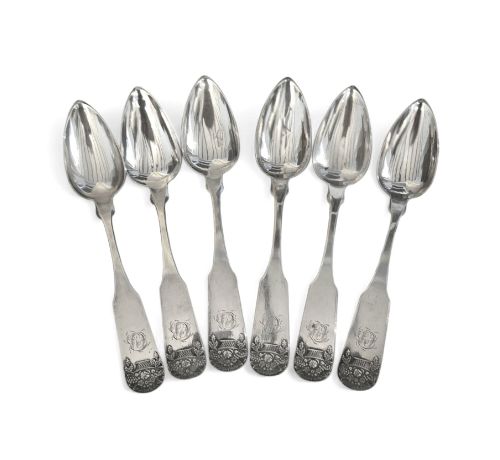
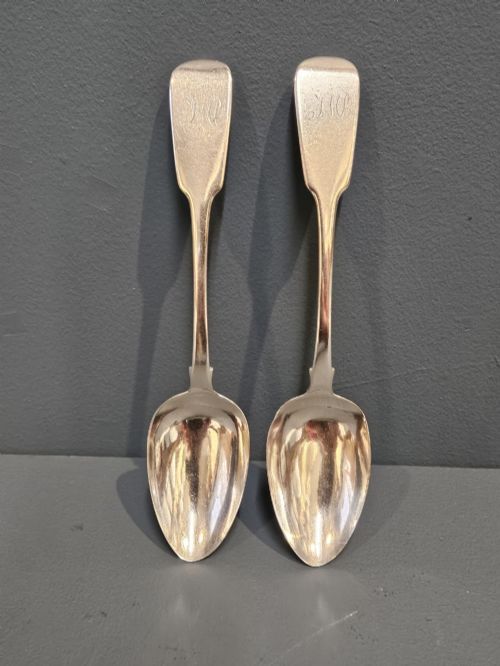
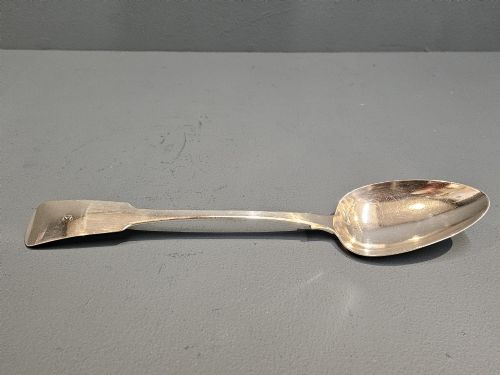
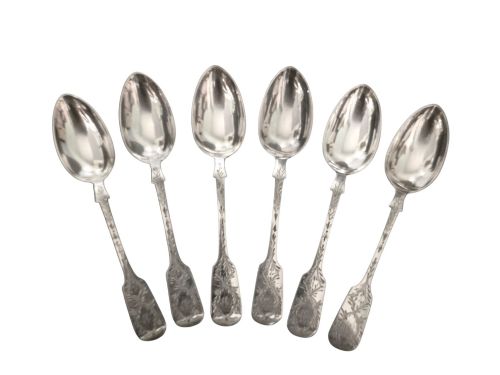
- Broad-shouldered handle form, sometimes with thread and shell additions. A recurring pattern name in titles, alongside Onslow, with its ribbed scroll end, and Kings, heavier and shaped with scroll and shell.
- Guilloche enamel
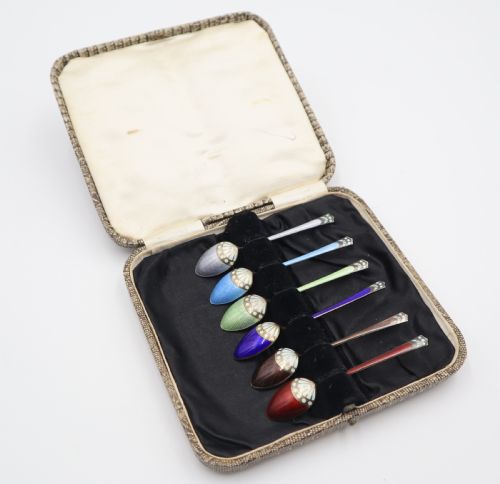
- Translucent enamel laid over engine-turned silver, the finish on many cased coffee spoon sets of six.
Antique Silver Spoons: Frequently Asked Questions
What is a caddy spoon for?
It measures dry tea out of a caddy, so the handle is short and the bowl broad. Nothing about it suits eating.
The form is the single commonest named type on Sellingantiques, appearing in roughly a fifth of titles, and the bowls take all sorts of shapes: shovel, leaf, jockey cap, vine leaf, filigree, frying-pan, some with mother-of-pearl handles.
Are these spoons sold singly or in sets?
Both. Single specialist spoons carry a large part of the category, and "pair" appears in titles more often than "six".
Cased and boxed sets are a branch of their own, mainly sets of six coffee, tea or grapefruit spoons, many with guilloche enamel handles. Sets of six and twelve with their original cases recur through the upper half of the sampled range.
How old are silver spoons on Sellingantiques?
The dealer-entered dates run from 1700 to 1960, with Georgian and Victorian the two commonest period labels and Edwardian third.
Twentieth-century decades are well represented, the 1930s most of all, so this is not a purely antique heading. At the other end, the samples include 17th-century seal-top, trefid and slip-top spoons, and one Elizabethan seal-top dated 1585.
Which assay offices turn up on these spoons?
London and Birmingham are the two named most often in titles.
Provincial marks are a real seam rather than a curiosity. Exeter, Newcastle, Chester and York appear, along with Scottish provincial towns including Aberdeen, Inverness, Elgin and Dundee, and Glasgow, Edinburgh and Dublin. Elgin and St Andrews are among the scarcest to surface.
Is all of it English sterling silver?
Sterling dominates, with "sterling" and "solid" between them accounting for a large share of titles against a small number saying plated or EPNS.
Roughly one sampled piece in ten is not English. Scottish and Irish silver is well represented, and beyond Britain there is Norwegian 830S, Danish, Dutch, German, French, Russian cloisonné, American, Chinese export, Indian and New Zealand work.
What are the unusual types worth knowing about?
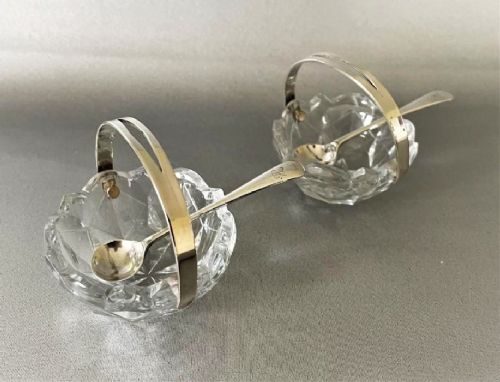
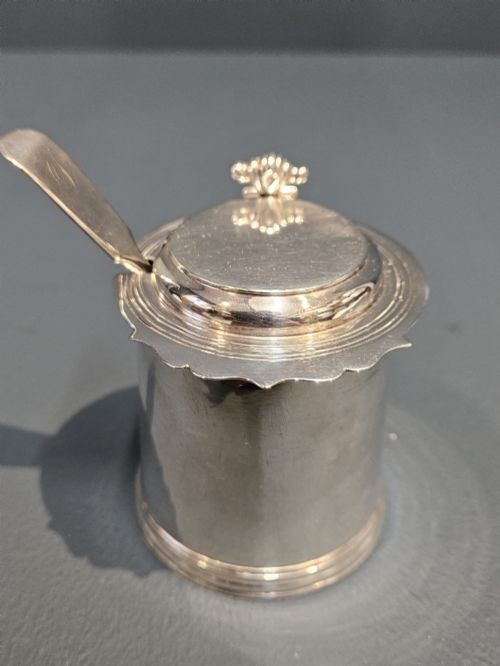
Condiment ware often arrives with its spoon still in it, so mustard pots, salts and cayenne pepper bottles sit inside the category.
Then there are the one-offs that turn up once and not again: a moustache spoon, a folding spoon and fork, a runcible spoon-fork, a Maori jade-handled spoon, a laudanum spoon with a devil terminal, and a shoe-shaped spoon warmer. Christmas spoons dated year by year form a small run too.