
A 2026 Guide by Sellingantiques
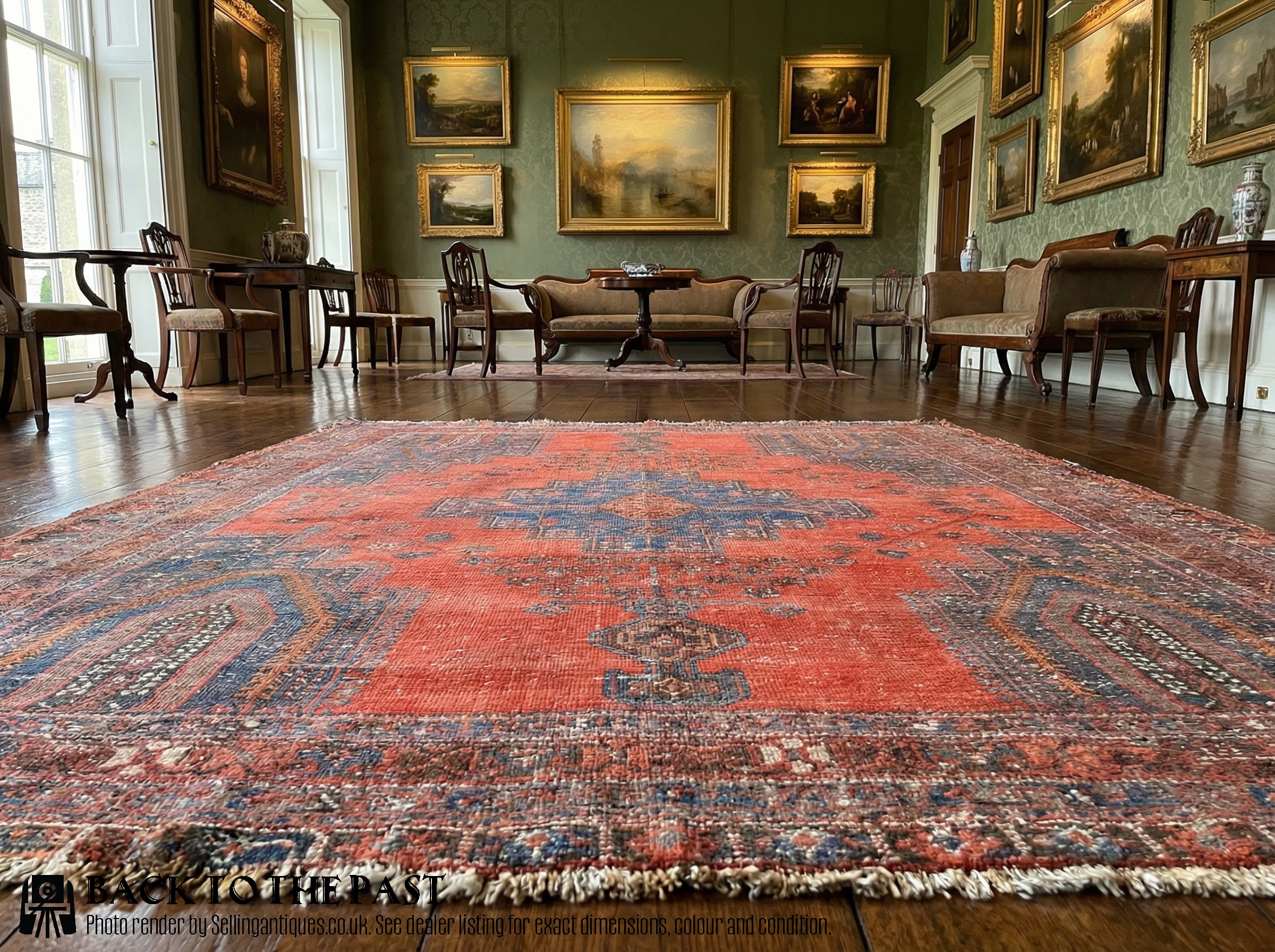
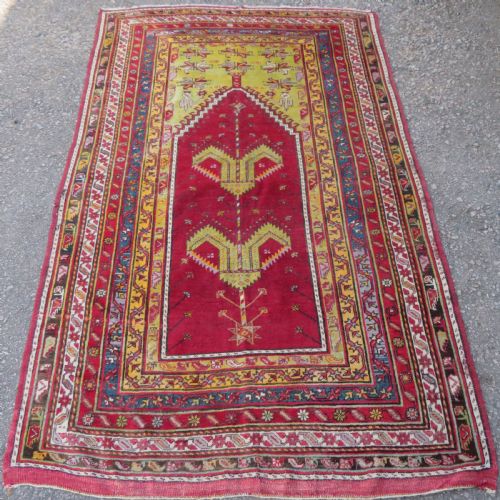
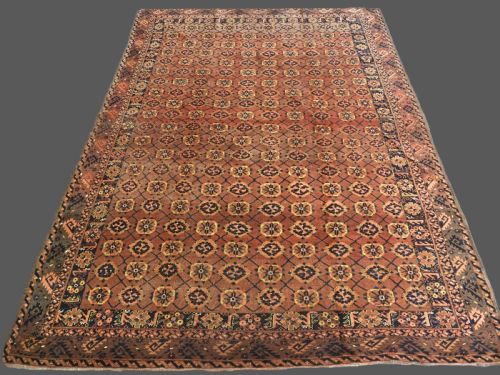
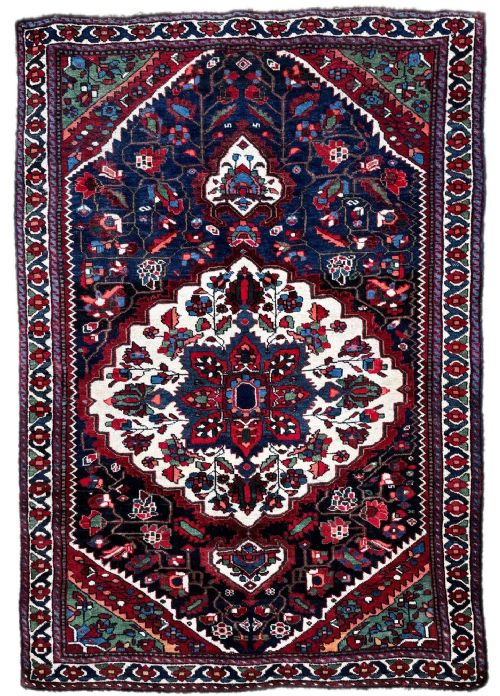
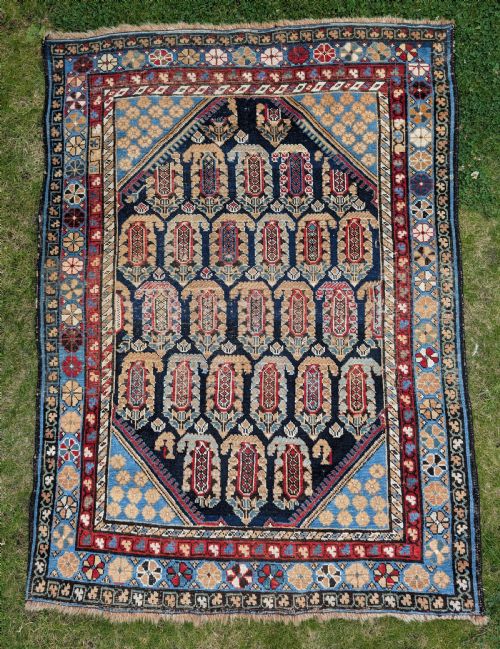
Antique Victorian 6ft by 5ft Persian Islamic Tribal Wool Red & Blue Floor Rug (Circa 1900), 1900
Priced at £475 from Yolanda Gray Antiques
Weavers across the Caucasus, Persia, and Central Asia created these textiles for their own domestic needs rather than commercial export.
Look at the early trade routes. Merchants eventually began buying surplus pieces directly from the encampments as demand grew in Western markets.
Settlement policies in the early twentieth century disrupted the nomadic lifestyle. This shift forced many weavers into permanent villages.
Traditional patterns were passed down verbally through generations. Mothers taught daughters the specific motifs belonging to their particular group.
Most antique tribal rugs you encounter date from the late nineteenth century. Older examples rarely survived the harsh conditions of camp life.
The Qashqai confederacy in southern Persia produced tightly woven examples. Their work often features multiple diamond medallions and stylised animal figures.
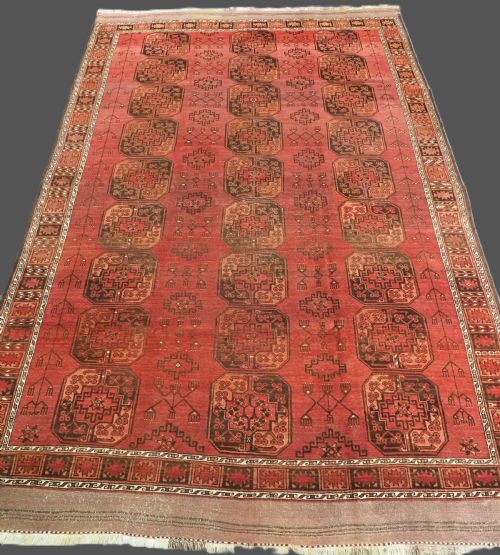
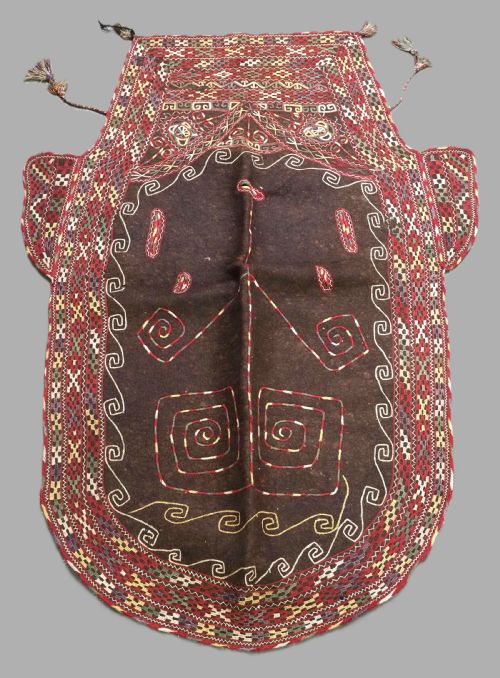
Turkmen tribes like the Tekke and Yomut favoured repeating güls on rich red grounds. They relied on specific tribal crests to distinguish their work.
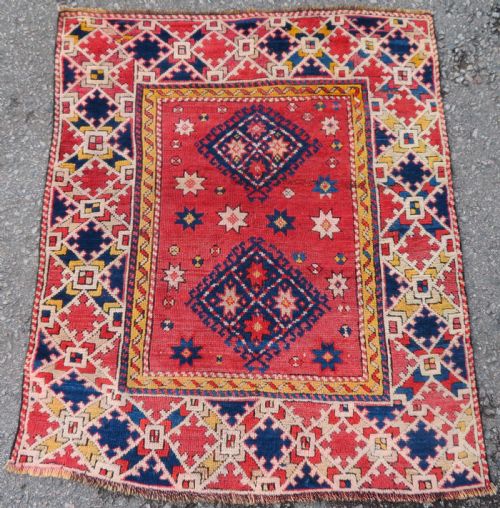
Caucasian weavers from the Kazak region are known for long pile and heavily geometric star patterns.
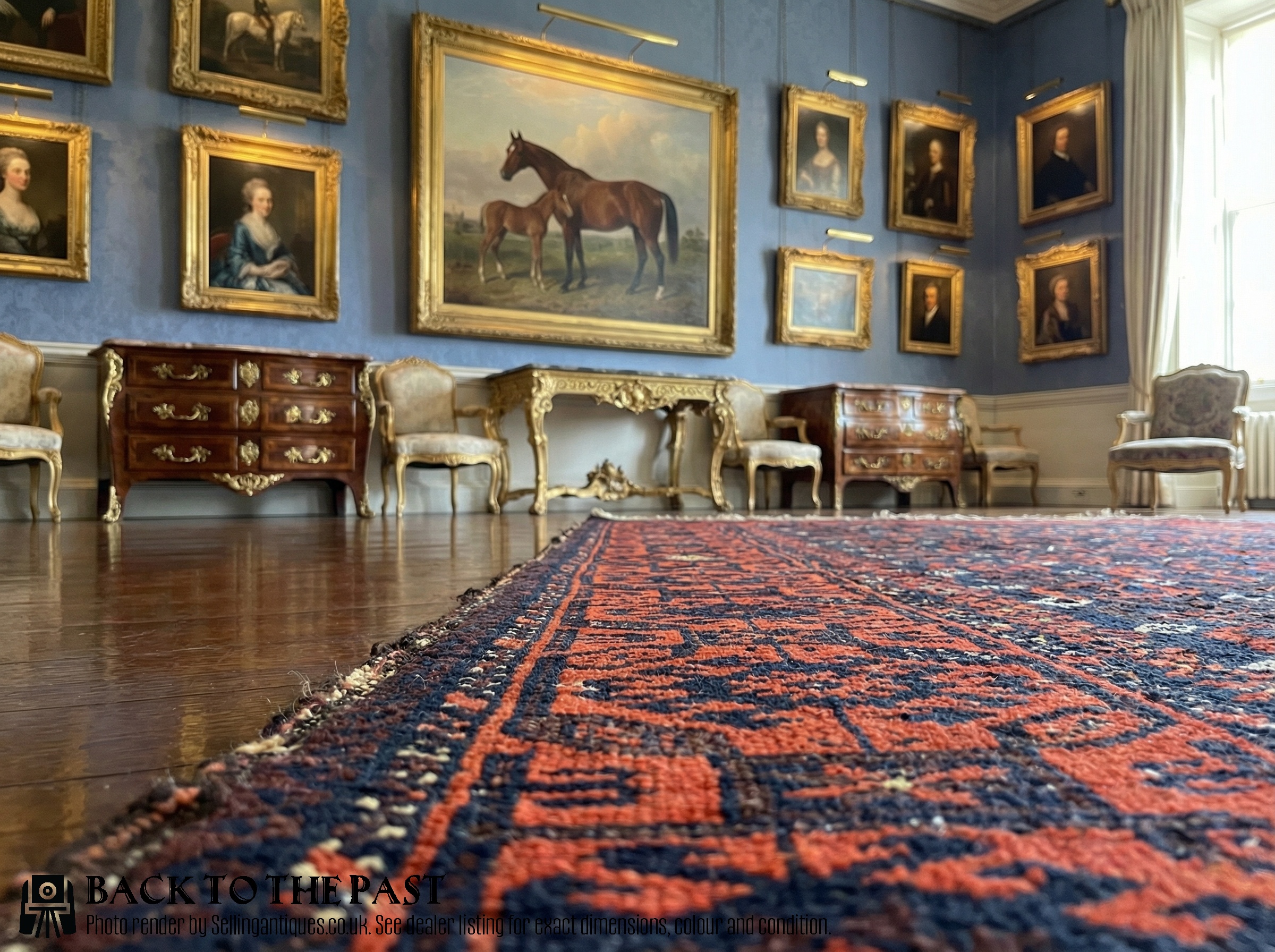
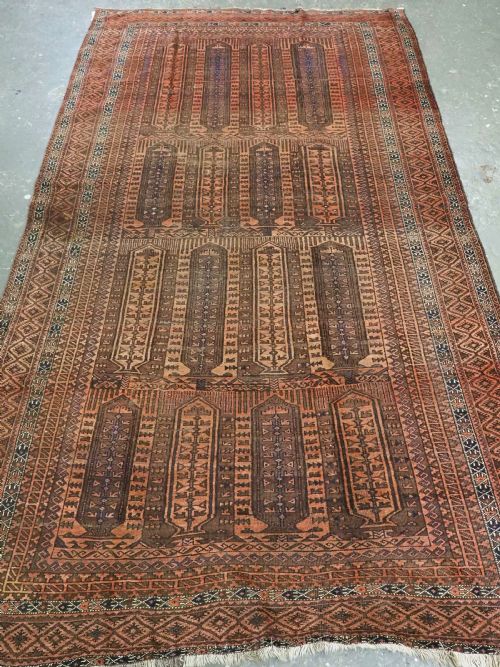
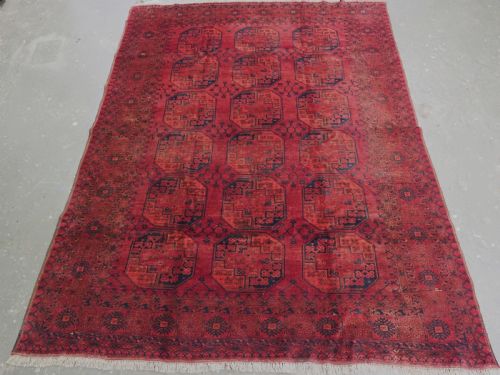
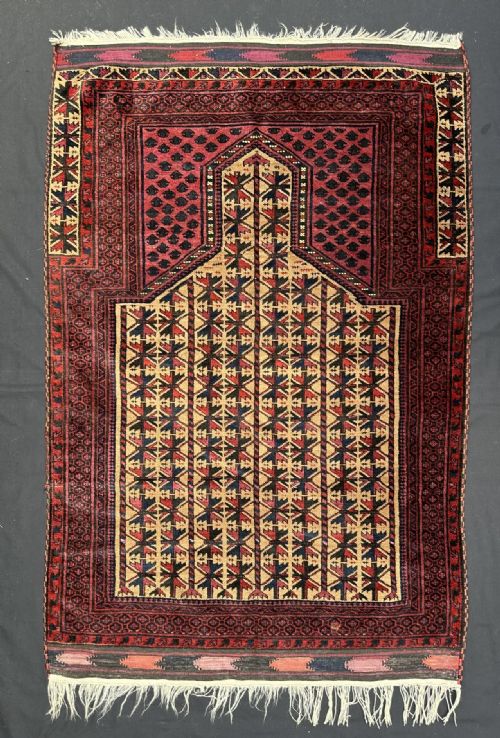
Antique Baluch Mina Khani, 19th Century
Priced at £325 from Siez Gallery
The 2026 retail price guide for Antique Tribal Rugs is drawn from a proprietary archive of over 1.1 million retail prices indexed by Sellingantiques since 2003. This guide relies exclusively on their own internal data; no external sources or auction records are used.
Analysing nearly 25 years of UK antique market history alongside current retail values, the data indicates that typical UK retail prices for Antique Tribal Rugs range between £800 and £5,400. Entry-level prices generally fall under £800 and premium examples upwards of £5,400.
Bold geometric motifs dominate the field. Unlike workshop carpets, these designs are often asymmetrical and lack strict formal planning.
Abrash is a sudden change in colour across the width. This happens when a weaver switches to a new batch of hand-dyed yarn.
Notice the edges and ends. Long kilim finishes and braided tassels helped protect the woven knots from unravelling during transit.
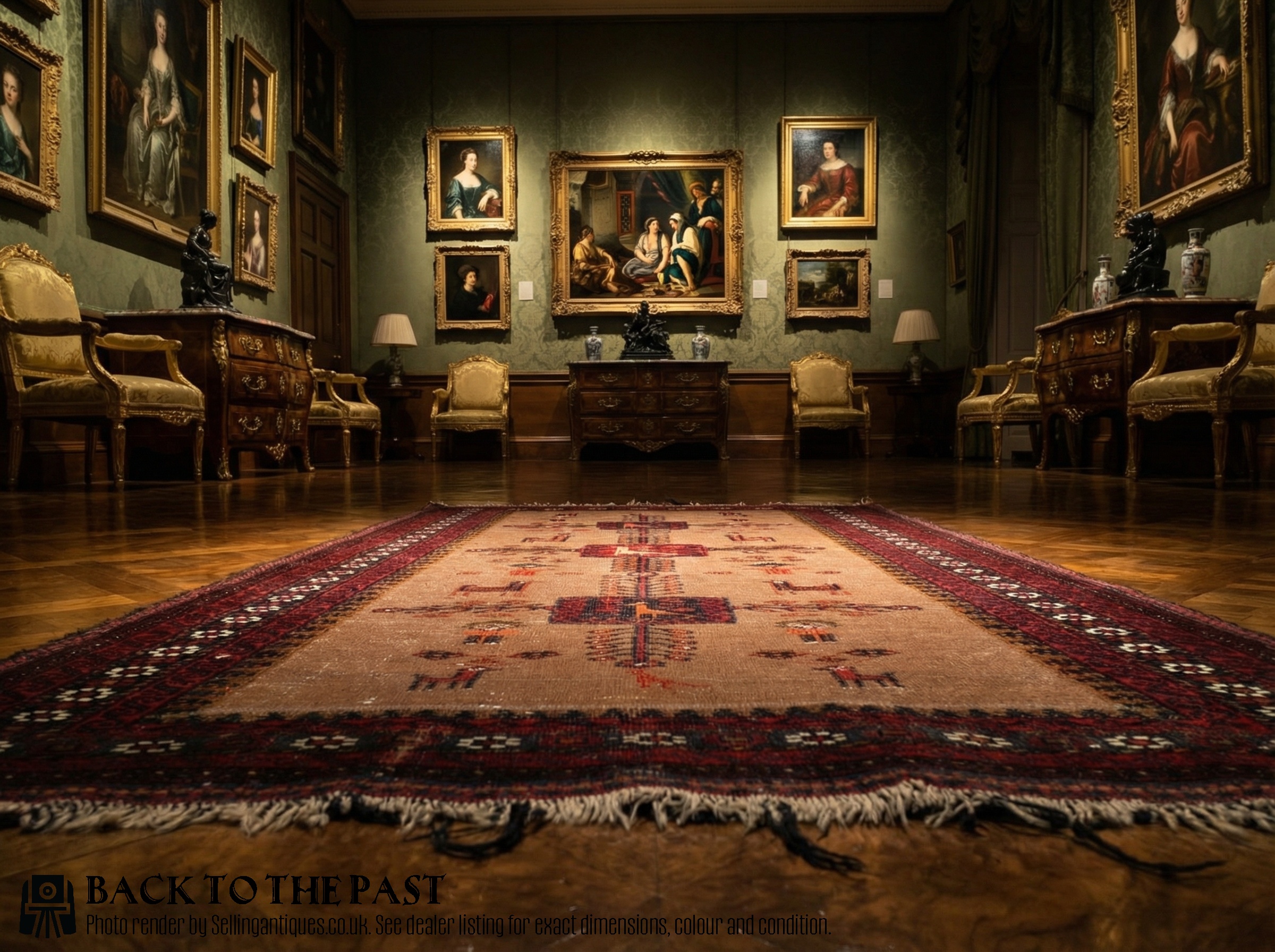
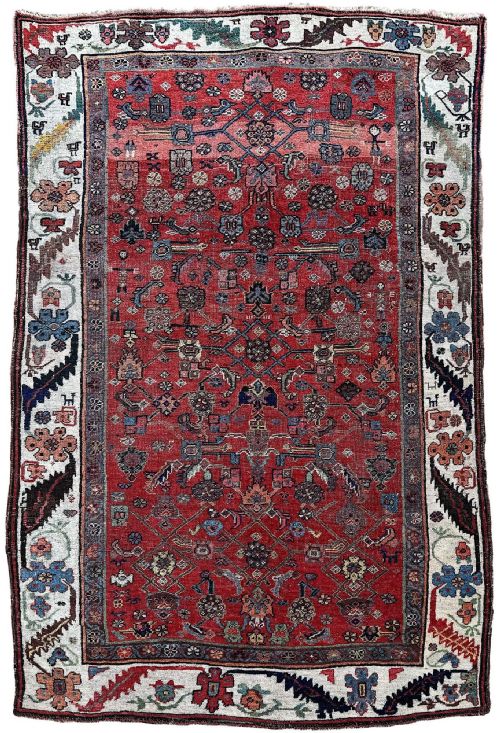
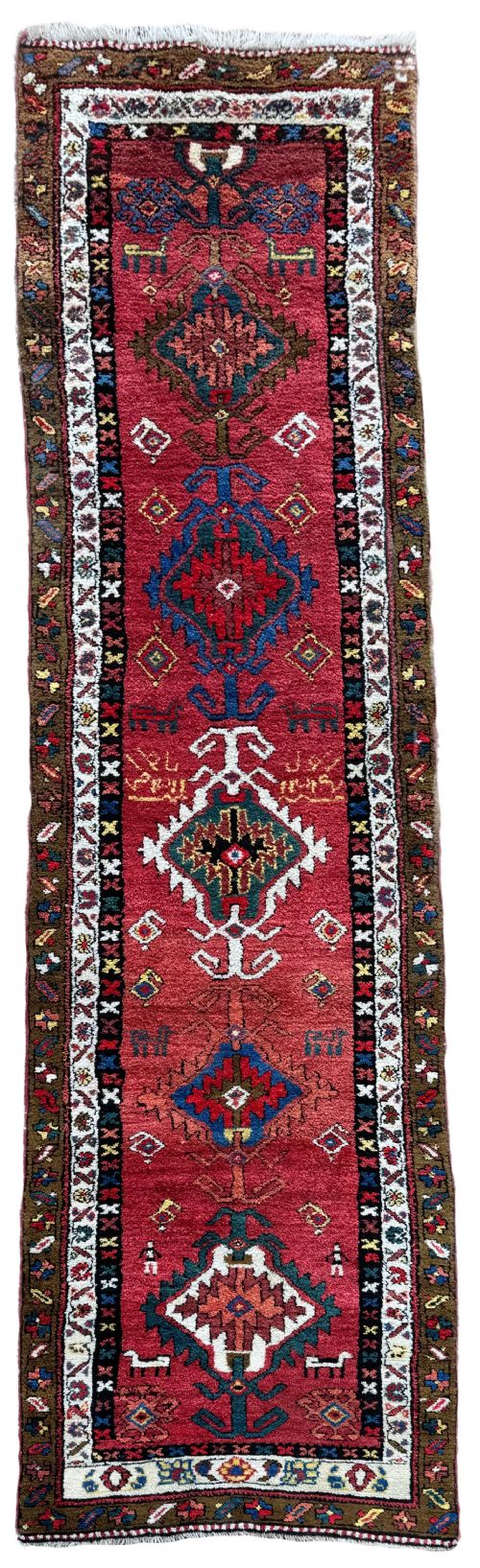
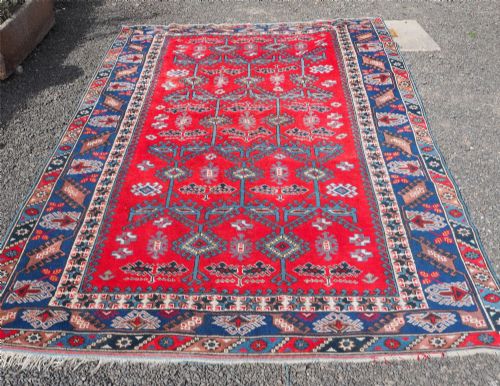
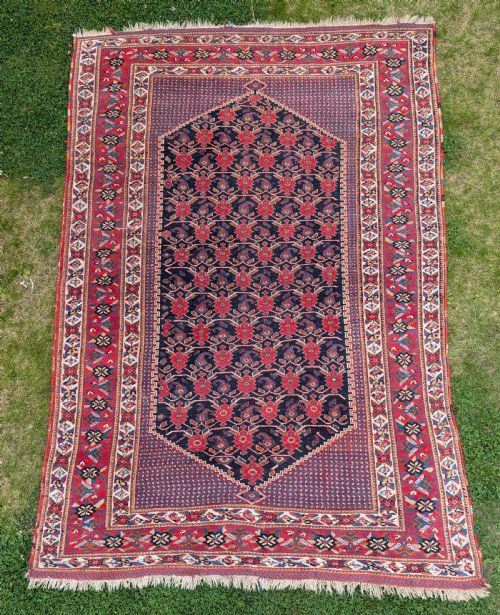
Vintage Iranian Handwoven Rug, 1920
Priced at £225 from Sinclairs Antiques and Interiors
Horizontal ground looms were staked directly into the earth. This allowed families to dismantle the setup quickly when moving camp.
Crooked shapes often occur. Tension on a ground loom shifts naturally during the weaving process, resulting in less rigid symmetry.
Symmetrical Turkish knots and asymmetrical Persian knots form the main techniques. The choice of knot dictates how fine or chunky the finished pile will feel.
"Small deliberate mistakes are sometimes woven into the pattern. These break the symmetry on purpose to ward off the evil eye."
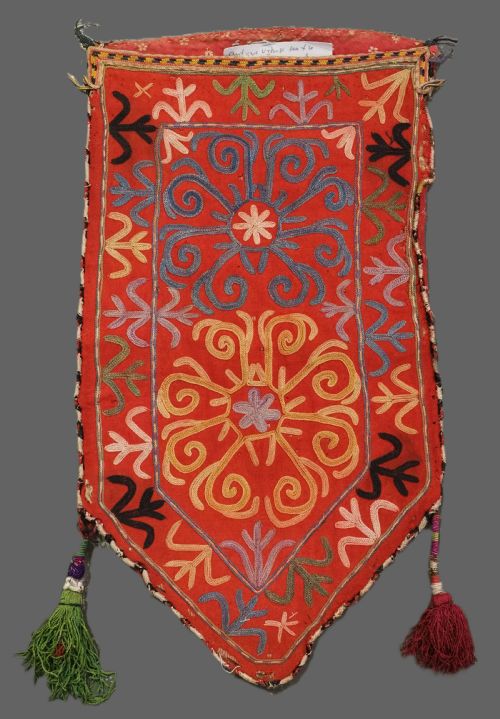
"Certain bag faces were woven as matched pairs. They sat over the flanks of a pack animal during migrations."
"Many vibrant orange tones actually come from a natural dye process using dried pomegranate rinds."
Based on almost 25 years of Sellingantiques UK antique market data, Antique Tribal Rugs appeared 2876 times (out of 1,100,000 antiques) which gives it a rarity score of 56/100.
This score measures scarcity within the Sellingantiques archive only and is not a survey of the entire antiques market, so these statistics may not be indicative of the general availability of Antique Tribal Rugs elsewhere.
Never use a modern vacuum cleaner with a rotating beater bar. The stiff bristles catch the wool pile and can pull older knots right out of the foundation.
Sweep it gently with a soft broom in the direction of the pile. If it needs a proper wash, hand it over to a specialist who deals in hand-knotted textiles.
Worn fringes mean the foundation warps are exposed. If they continue to wear away, the structural knots holding the pile will begin to slide off the ends.
You should have a restorer secure the ends with a blanket stitch. This stops the unravelling process and protects the main body of the rug from further damage.
Most dealers consider end stopping a standard maintenance procedure rather than a restorative flaw.
Tribal weavers made double-pouched storage bags called khorjins for transporting goods on donkeys and camels. The face is simply the decorative knotted front panel of one of those pouches.
Dealers often find these faces separated from their plain-woven backs. They are collected as small display pieces.
That colour shift is called abrash. Nomadic weavers dyed their wool in small batches over open fires, making it hard to match the exact shade of red every time.
When one batch of yarn ran out, they tied on the next. The slight difference in the dye lot creates horizontal bands of varied tone across the piece.
Collectors actively look for abrash. It highlights the non-industrial conditions of the weaving process.
Please note: This Antique Tribal Rugs guide and its associated pricing data are provided for general informational purposes only. It does not constitute formal financial, investment, or appraisal advice and should not be relied upon as the sole basis for any commercial activity, purchasing, or sales decisions. Sellingantiques.co.uk accepts no liability for any actions taken in reliance on this information. Always consult with a qualified professional or independent appraiser.
