





A 2026 Guide by Sellingantiques

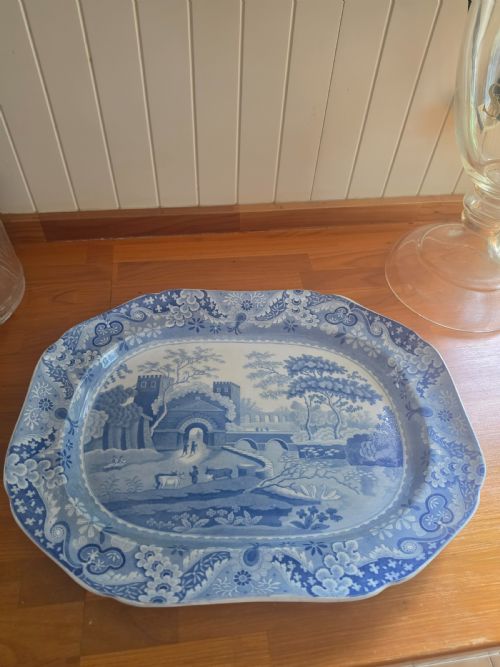
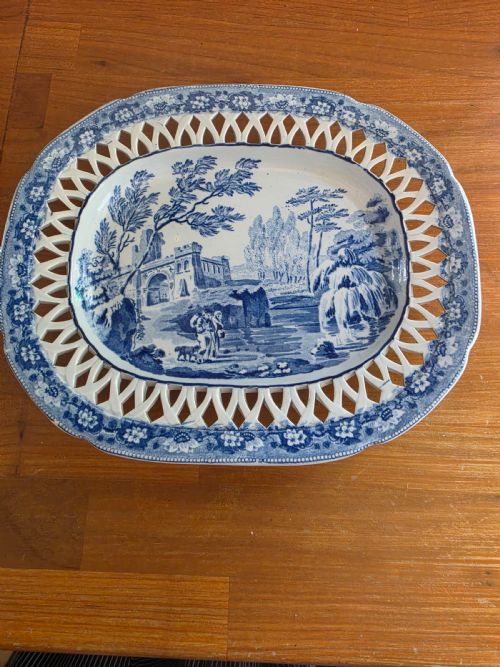
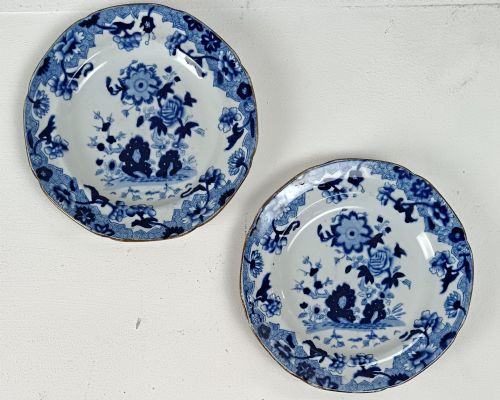
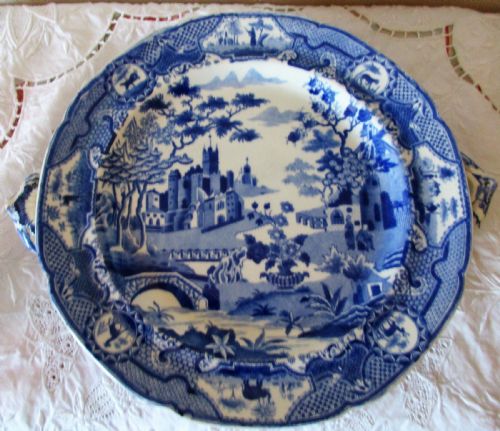
3 E19thc +1l19c Blue and White Perfect Pictorial Plates, 19th Century
Priced at £240 from Mike Melody Antiques
Developed in Staffordshire during the mid-eighteenth century. The technique allowed potteries to mass-produce complex patterns that previously required hand painting.
Blue was the dominant colour early on. Cobalt oxide held up well under the intense heat of the glost kiln.
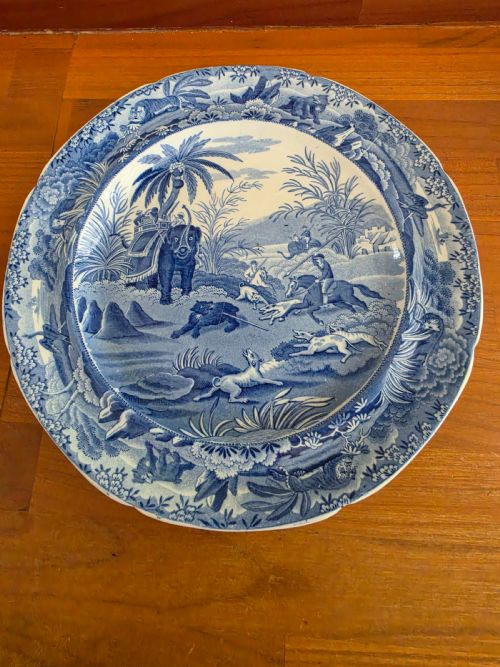
Look for changing subjects over time. Romantic landscapes replaced Chinese-inspired motifs by the 1820s, heavily influenced by travel prints.
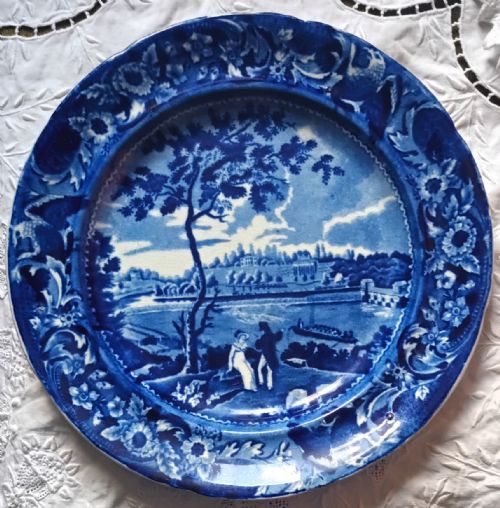
North America became a massive export market. Potteries designed specific historic scenes just for buyers across the Atlantic.
Spode pioneered the underglaze blue transfer printing process around 1784. They dominated the early production of these wares.
Enoch Wood operated from 1790 to 1846. His factory turned out huge quantities of dark blue plates for export.
James and Ralph Clews worked in Cobridge between 1814 and 1834. The brothers are known for their American scenes.
The 2026 retail price guide for Antique Transferware Plates is drawn from a proprietary archive of over 1.1 million retail prices indexed by Sellingantiques since 2003. This guide relies exclusively on their own internal data; no external sources or auction records are used.
Analysing nearly 25 years of UK antique market history alongside current retail values, the data indicates that typical UK retail prices for Antique Transferware Plates range between £100 and £600. Entry-level prices generally fall under £100 and premium examples upwards of £600.
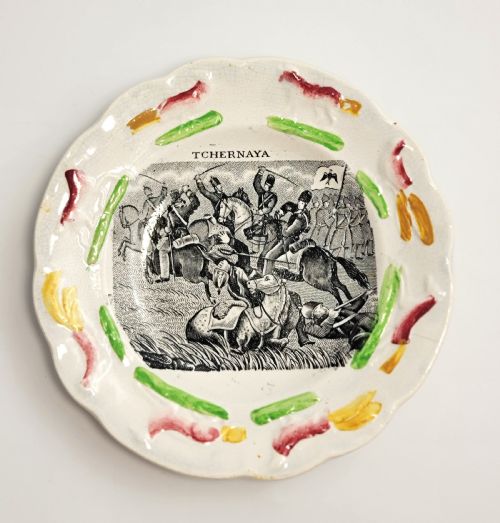
Check the borders. Often they feature dense floral or geometric bands framing the central scene.
Join lines where the tissue paper met. You frequently see small overlaps or slight gaps near the rim.
Maker marks stamped on the reverse. These transfer-printed cartouches often include the pattern name alongside the factory initials.
Engravers tapped patterns into flat copper plates using a burin. It was slow work requiring steady hands to create varied tonal depth.
Printers pressed warm inked copper onto thin tissue. Women known as transferrers then rubbed this paper firmly onto the porous biscuit clay.
Water washed the paper away. The oil-based ink remained fixed to the plate ready for the final glaze.
"The paper used for the transfers was specially treated with soap. This helped it release from the clay cleanly during washing."
"Some early patterns act as a visual record of lost buildings. Artists copied architectural prints of country houses that no longer stand."
"Borders were sometimes mixed and matched. A pottery might pair one popular floral rim with a dozen different central landscapes."
Based on almost 25 years of Sellingantiques UK antique market data, Antique Transferware Plates appeared 174 times (out of 1,100,000 antiques) which gives it a rarity score of 97/100.
This score measures scarcity within the Sellingantiques archive only and is not a survey of the entire antiques market, so these statistics may not be indicative of the general availability of Antique Transferware Plates elsewhere.
Wash them by hand in warm soapy water. Use a soft cloth rather than an abrasive sponge. Modern dishwashers run too hot and the harsh detergents will dull the glaze over time.
Keep them out of the microwave. The moisture trapped inside old crazing lines can expand when heated and split the clay.
Most nineteenth-century potteries used lead in their clear glazes. It gave the plates their smooth, glass-like finish. As long as the glaze is intact without heavy wear or deep crazing, the lead is sealed in the glass matrix.
If the surface is highly scratched or dull, acidic foods might leach trace amounts. Many collectors choose to display heavily worn antique transferware plates rather than use them for dining.
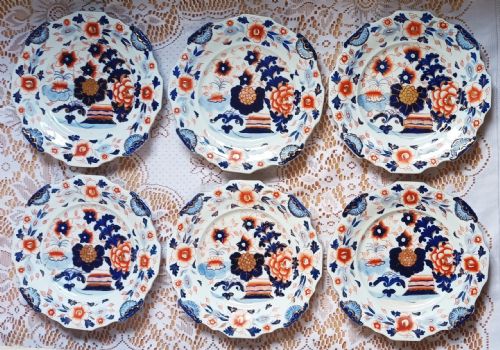
Ironstone is a dense, durable type of earthenware introduced in the early nineteenth century. It contains china stone and sometimes slag, firing harder than standard pottery.
It feels heavier in the hand. Tapping the rim yields a sharper sound.
That blurring is an intentional effect known as flow blue. Potteries added a volatile chemical, often lime or ammonia, to the kiln during the glazing process. This caused the cobalt oxide to vapourise slightly and bleed into the surrounding glaze.
It became highly popular in the 1840s. The softened, atmospheric look hid minor printing errors and gave the plates a distinct aesthetic appeal that buyers favoured.
Please note: This Antique Transferware Plates guide and its associated pricing data are provided for general informational purposes only. It does not constitute formal financial, investment, or appraisal advice and should not be relied upon as the sole basis for any commercial activity, purchasing, or sales decisions. Sellingantiques.co.uk accepts no liability for any actions taken in reliance on this information. Always consult with a qualified professional or independent appraiser.
