
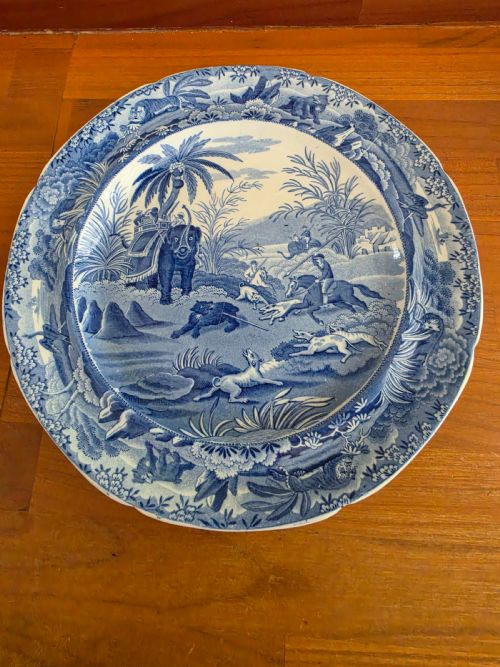


A 2026 Guide by Sellingantiques
Josiah Spode established his works at Stoke-on-Trent around 1770. He focused on refining earthenwares before shifting industry standards.
Look at the transition to the second Josiah. He took over in 1797 and brought bone china to the commercial market.
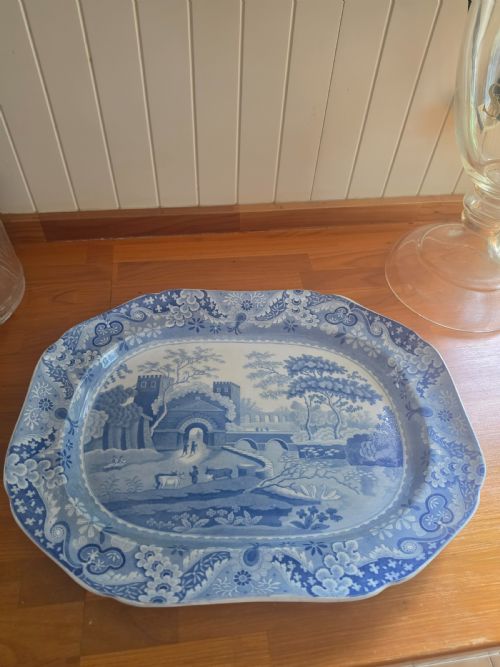
Antique Spode plates dominated early nineteenth-century tables. The company secured royal warrants and supplied London retailers.
William Copeland became an equal partner in 1813. You will often see the Copeland name tied to Spode production after 1833.
Thomas Minton engraved early patterns for the factory. He worked for Spode before setting up his own successful pottery.
Henry Daniel managed the enamelling department until 1822. His workshop handled the elaborate gilding and overglaze colours applied to the bone china.
The 2026 retail price guide for Antique Spode Plates is drawn from a proprietary archive of over 1.1 million retail prices indexed by Sellingantiques since 2003. This guide relies exclusively on their own internal data; no external sources or auction records are used.
Analysing nearly 25 years of UK antique market history alongside current retail values, the data indicates that typical UK retail prices for Antique Spode Plates range between £100 and £900. Entry-level prices generally fall under £100 and premium examples upwards of £900.
Check the foot rim. Antique Spode plates usually have a smooth, well-finished foot that sits flat on a table.
Makers often marked the reverse. You might find impressed names, painted pattern numbers, or printed factory stamps.
Transfer prints show crisp lines. The tissue-paper application method allowed engraving details to transfer cleanly onto curved surfaces.
Workers pressed damp clay over plaster moulds to form the plate profile. A template tool then shaped the spinning reverse side on a wheel.
Transfer printing changed pottery decoration. Engravers cut designs into copper plates, printed them onto tissue paper, and rubbed the wet ink onto the bisque clay.
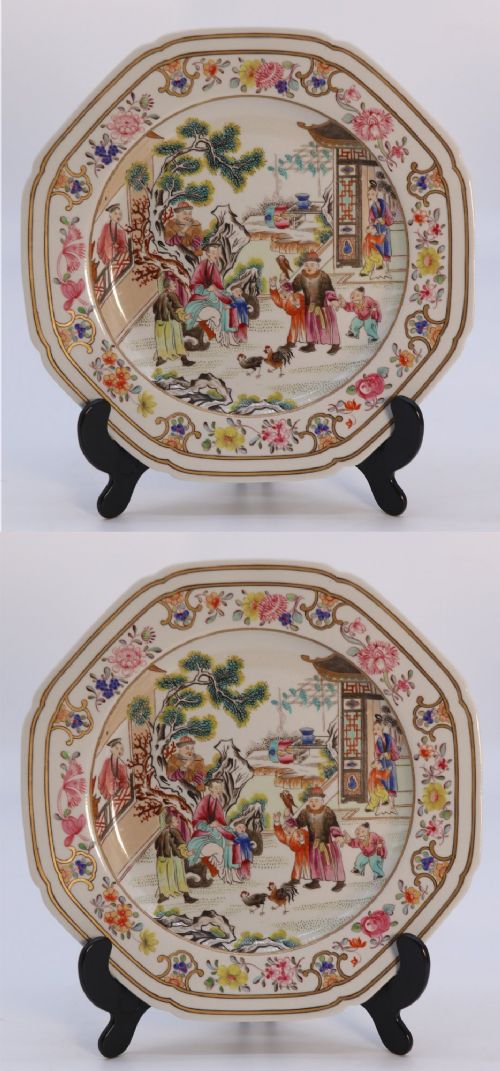
Enamellers added colour by hand over the fired glaze. They filled in printed outlines or painted freehand floral reserves.
"The factory kept detailed pattern books. These archives survive today and help identify exact production dates for specific designs."
"Spode supplied vast dinner services to the East India Company. Their heavy ironstone bodies stood up to long sea voyages."
"Many floral patterns copy actual botanical illustrations. The engravers used popular magazines of the period as direct source material."
Based on almost 25 years of Sellingantiques UK antique market data, Antique Spode Plates appeared 155 times (out of 1,100,000 antiques) which gives it a rarity score of 97/100.
This score measures scarcity within the Sellingantiques archive only and is not a survey of the entire antiques market, so these statistics may not be indicative of the general availability of Antique Spode Plates elsewhere.
The painted digits on the reverse are factory pattern numbers. Spode recorded every design in their books in numerical order.
Lower numbers indicate earlier designs. You can trace the introduction of a pattern by matching this number against the surviving factory archives.
Warm water and a soft cloth work best. Avoid harsh detergents or scrubbing brushes that can scratch the surface glaze. Never put antique ceramics in a modern dishwasher.
Old earthenware often develops crazing. Submerging these plates in water can let moisture seep through the cracks into the clay body and cause stains. Wipe them clean instead of soaking them.
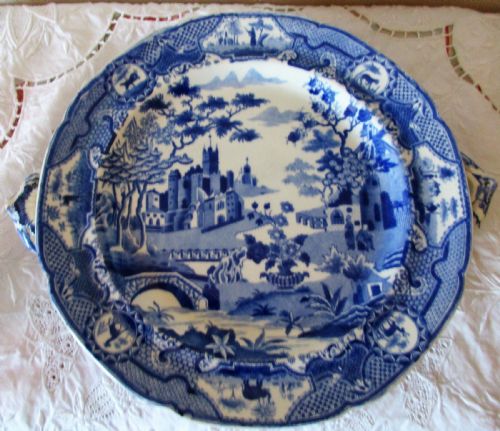
The Willow pattern was an industry standard. Almost every major British pottery produced a version of it during the nineteenth century. Spode did make high-quality Willow plates, but the pattern alone does not point to their factory.
To identify the maker, you have to look at the specific border details and the way the trees are drawn. Each factory had slight variations in their engraving. You might also find an impressed or printed maker's mark on the reverse.
The Copeland family took over the factory in the 1830s. They bought out the remaining Spode interests but wanted to keep the brand's strong reputation.
They used marks like 'Late Spode' to show continuity to their retail customers. It tells you the plate was made after the original Josiah Spode era, usually dating to the middle or late nineteenth century.
Please note: This Antique Spode Plates guide and its associated pricing data are provided for general informational purposes only. It does not constitute formal financial, investment, or appraisal advice and should not be relied upon as the sole basis for any commercial activity, purchasing, or sales decisions. Sellingantiques.co.uk accepts no liability for any actions taken in reliance on this information. Always consult with a qualified professional or independent appraiser.
