

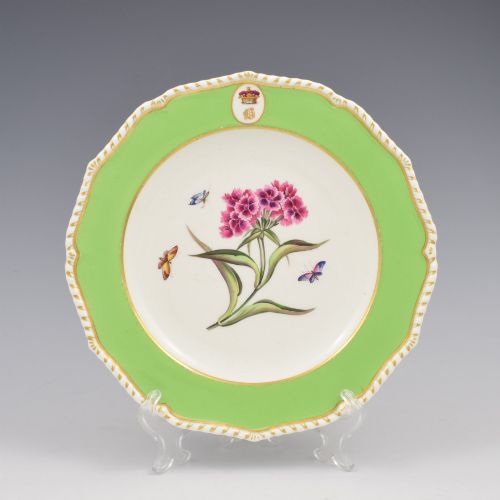


A 2026 Guide by Sellingantiques
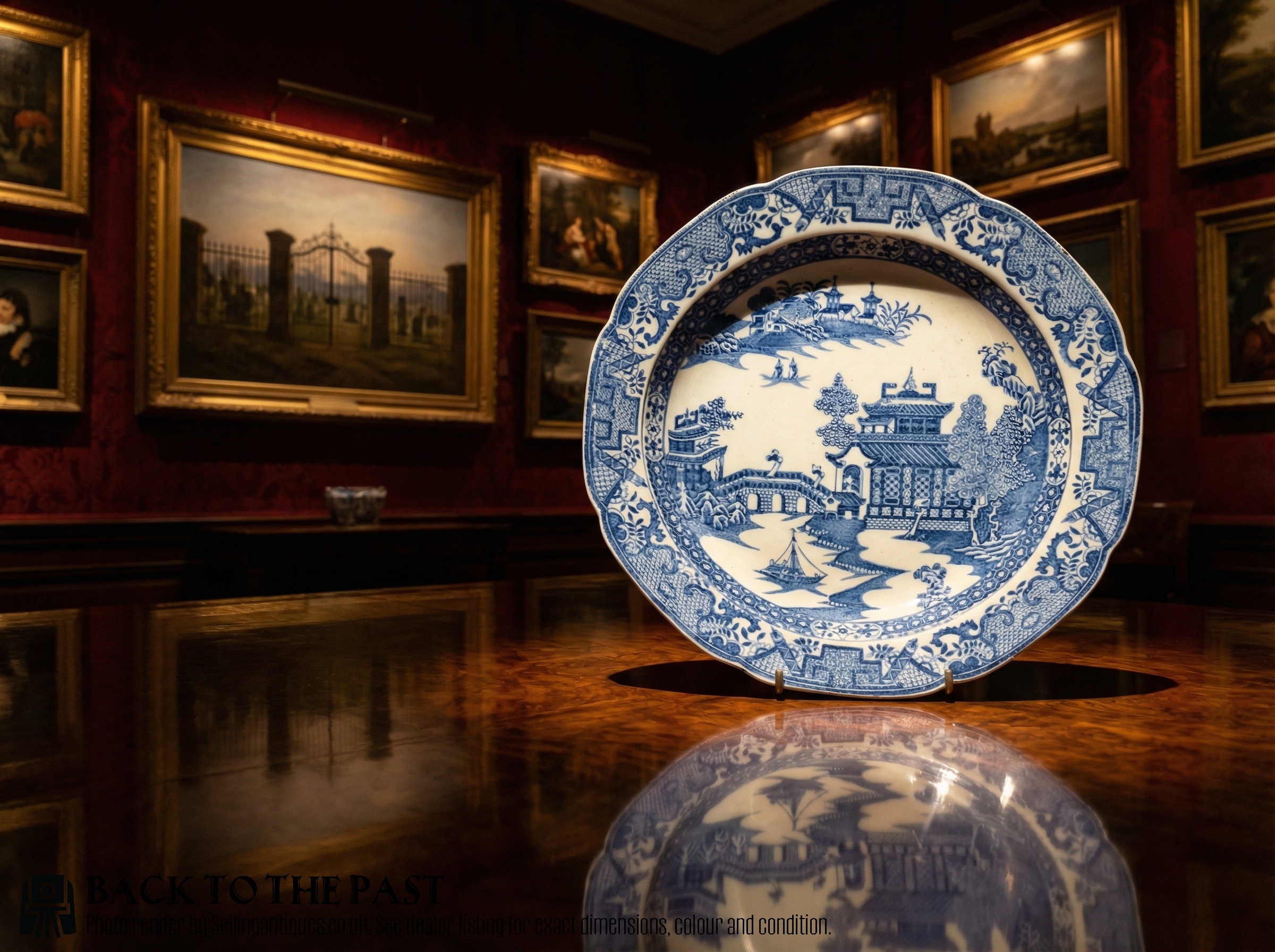
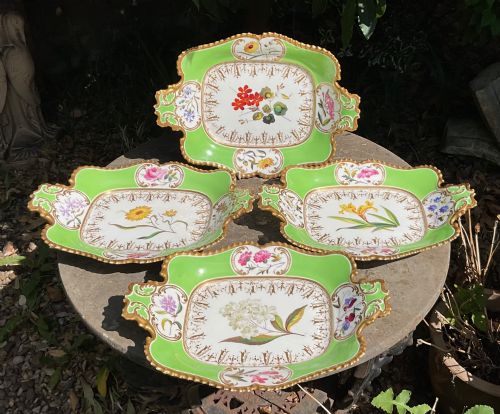
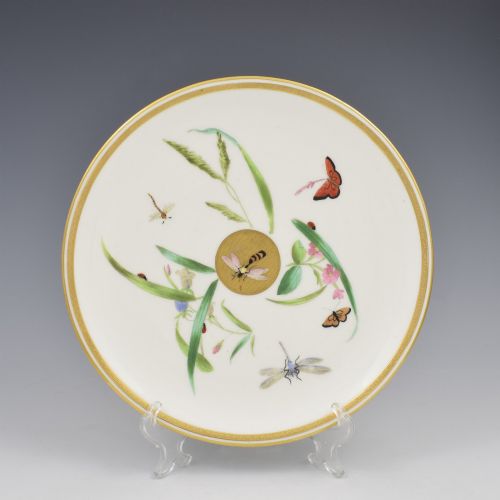
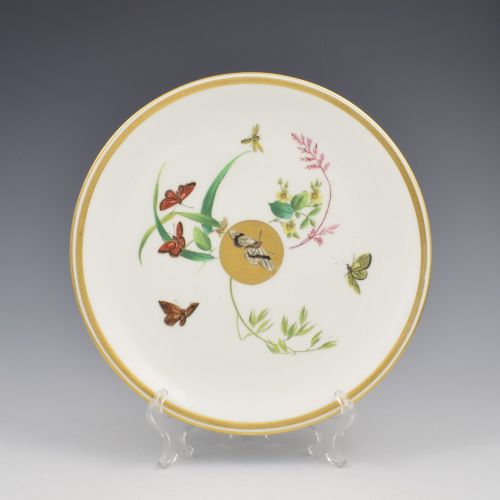
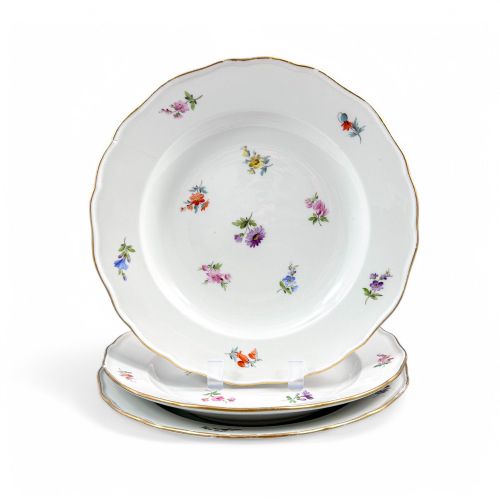
A Set of Four, Circa 1800, Leeds Pottery Desert Plates, 1800
Priced at £78 from Pear Tree Antiques
Introduced to formal dining when the dessert course became a distinct event rather than just table clearing.
Hostesses used antique dessert plates to show off wealth and refined taste when they didn't want a plain setting.
Look for the shift from large banqueting sets to smaller services as middle-class dining rooms grew popular.
The grandest services often featured botanical or topographical scenes painted by leading artists of the period.
Minton produced fine sets in Staffordshire throughout the nineteenth century. They often imitated earlier French patterns.
Worcester factories turned out painted armorial dessert services during the Flight and Barr periods.
Spode developed an industry standard for bone china that made their ornate plates both thin and durable.
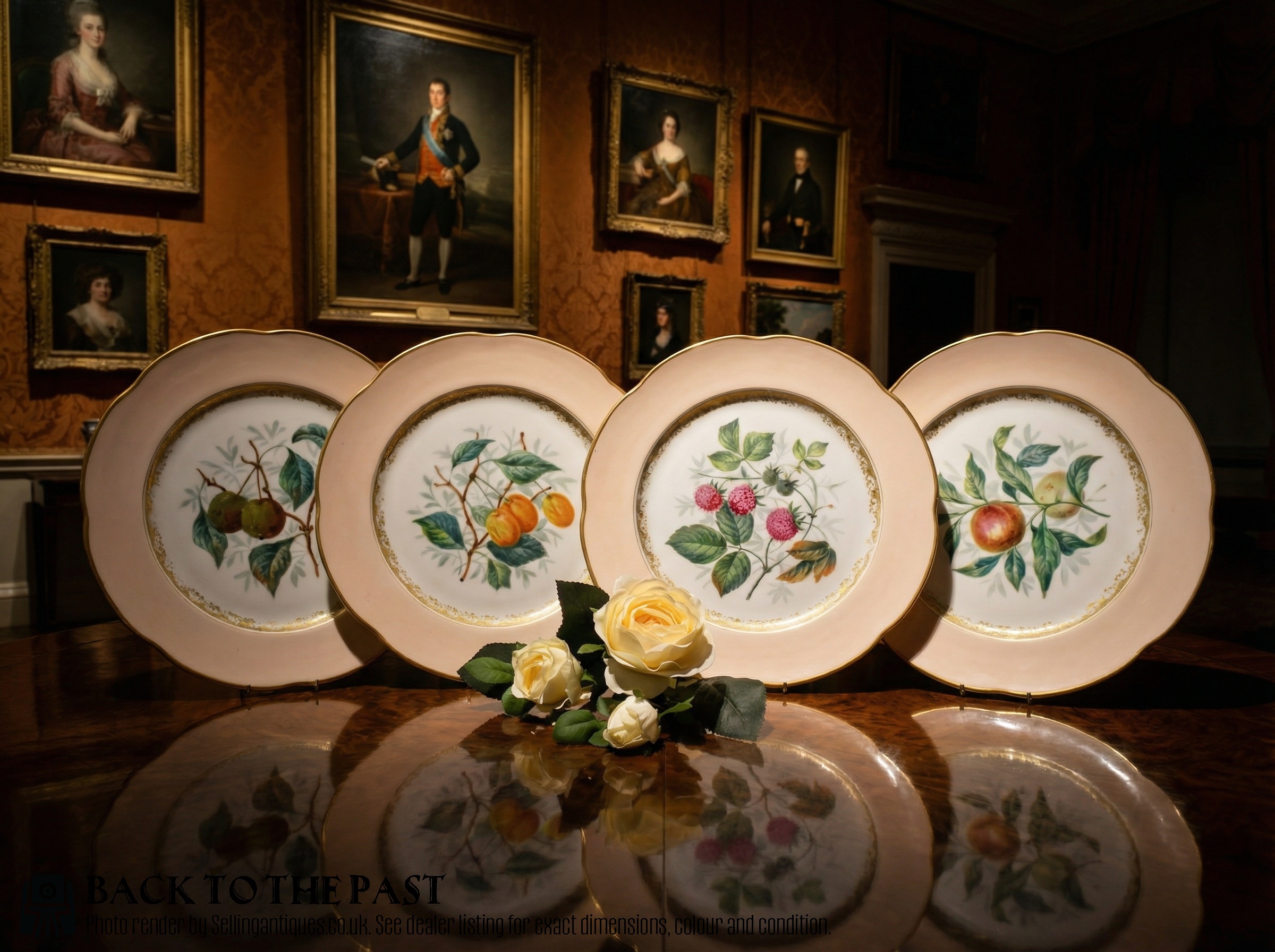
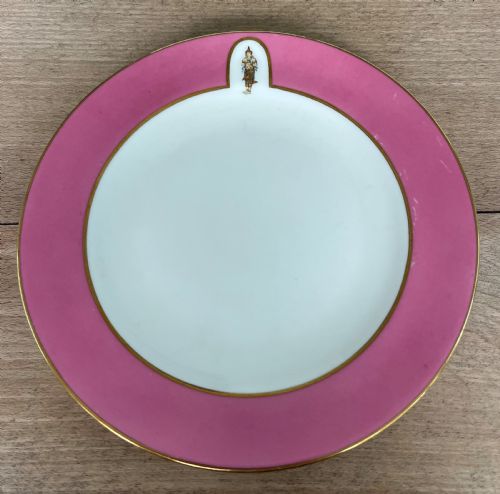
Rare Set of 4 Hand-painted Russian Imperial Plates by Kornilov Brothers, Circa 1861–1884, 1860
Priced at £950 from Touch of Time Antiques
The 2026 retail price guide for Antique Dessert Plates is drawn from a proprietary archive of over 1.1 million retail prices indexed by Sellingantiques since 2003. This guide relies exclusively on their own internal data; no external sources or auction records are used.
Analysing nearly 25 years of UK antique market history alongside current retail values, the data indicates that typical UK retail prices for Antique Dessert Plates range between £200 and £900. Entry-level prices generally fall under £200 and premium examples upwards of £900.
Most antique dessert plates lack the indented central well found on soup or dinner plates.
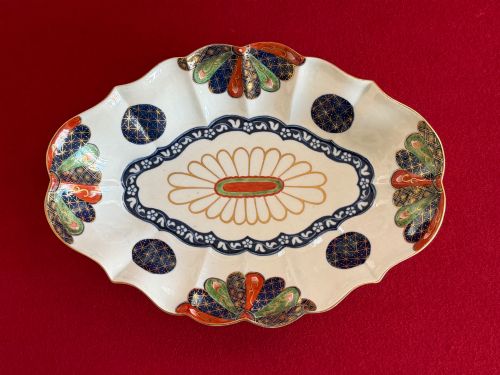
Notice the pierced borders on some high-end sets, cut out by hand before the clay dried.
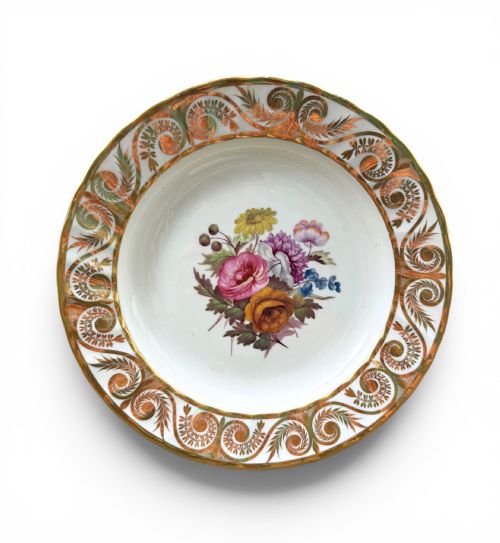
Heavy gilding around the rim to catch the candlelight during evening dining.
Early painted designs didn't last as the main method. They eventually gave way to bat printing for monochrome patterns.
Examine the gilding closely. Acid gold techniques later allowed craftsmen to create raised, textured metallic borders.
Slip-casting techniques replaced simple press-moulding for complex border shapes and pierced work.
"Many services included matching shaped dishes called compotes specifically designed to hold seasonal fruits alongside the plates."
"Botanical patterns were often copied directly from popular horticultural magazines of the day."
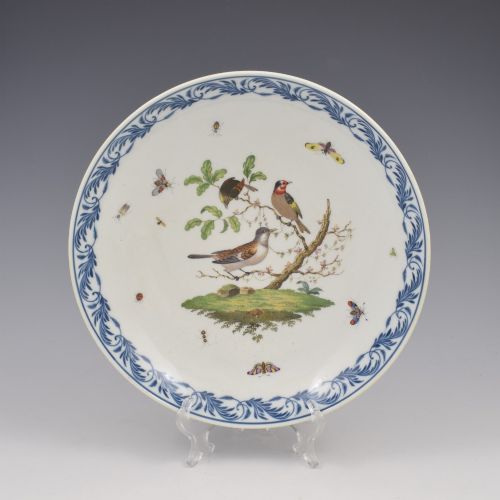
"Notice how some sets feature a different painted landscape on every single plate in the dozen."
Based on almost 25 years of Sellingantiques UK antique market data, Antique Dessert Plates appeared 544 times (out of 1,100,000 antiques) which gives it a rarity score of 90/100.
This score measures scarcity within the Sellingantiques archive only and is not a survey of the entire antiques market, so these statistics may not be indicative of the general availability of Antique Dessert Plates elsewhere.
Don't put them in a dishwasher. The harsh detergents and high heat strip away gilding and degrade overglaze enamels.
Wash them by hand in warm soapy water. Dry them right away with a soft cloth.
Crazing is a fine network of cracks in the transparent glaze. It happens when the ceramic body and the glaze cool and contract at different rates after firing.
It shows up often on nineteenth-century earthenware and ironstone dessert plates. The plates are still sound for display and occasional use.
Just avoid soaking them in water. Moisture can seep into those tiny fissures and cause staining beneath the surface.
Many early nineteenth-century factories simply didn't mark their wares. They relied instead on pattern numbers painted on the base by the decorators.
Retailers sometimes requested that factories leave pieces blank. This allowed the London shops to sell the dessert services under their own names rather than the Staffordshire maker.
Those rough patches are stilt marks from the kiln. When plates were glazed and fired, they had to be supported on small ceramic pins so they wouldn't stick to the shelf.
Workers snapped those pins off after firing. This left three small unglazed dots on the back of the rim. It is a standard part of the making process for antique plates.
Please note: This Antique Dessert Plates guide and its associated pricing data are provided for general informational purposes only. It does not constitute formal financial, investment, or appraisal advice and should not be relied upon as the sole basis for any commercial activity, purchasing, or sales decisions. Sellingantiques.co.uk accepts no liability for any actions taken in reliance on this information. Always consult with a qualified professional or independent appraiser.
