





A 2026 Guide by Sellingantiques
Formal dining shifted in the eighteenth century. Service à la française required dozens of serving dishes laid out on the table at once.
The Victorians preferred service à la russe. Servants brought individual courses around the table on these vessels instead of leaving them out.
Look at early nineteenth-century examples. Heating became a priority as room layouts changed.
Silver tureens and platters signalled status long before porcelain dominated the table.
Paul Storr produced substantial silver serving dishes in London during the early nineteenth century.
Wedgwood made vast creamware dinner services in Staffordshire. Their shapes frequently imitated earlier silver forms.
Spode perfected bone china around 1800. They supplied huge armorial serving sets to wealthy families across Britain.
The 2026 retail price guide for Antique Serving Dishes is drawn from a proprietary archive of over 1.1 million retail prices indexed by Sellingantiques since 2003. This guide relies exclusively on their own internal data; no external sources or auction records are used.
Analysing nearly 25 years of UK antique market history alongside current retail values, the data indicates that typical UK retail prices for Antique Serving Dishes range between £200 and £1,500. Entry-level prices generally fall under £200 and premium examples upwards of £1,500.
Handles vary widely. Some form cast silver loops, while ceramic examples often feature moulded tabs integral to the body.
Domed covers retain heat. Many have recessed rings so they can be inverted and used as secondary bowls.
Check the base. Meat carving dishes often incorporate deep reservoirs and draining trees to catch juices.
Silversmiths raised early dishes from flat sheets of bullion by hand. Hammers pushed the metal into deep bowl shapes over anvils.
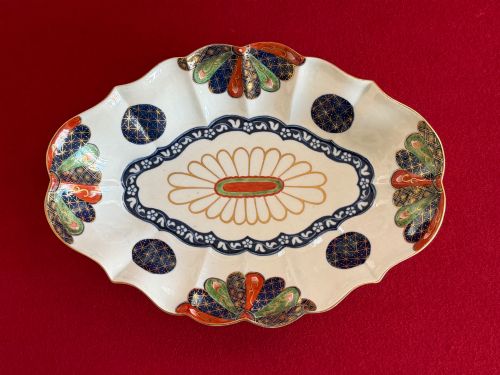
Slip-casting changed ceramic production. Factories poured liquid clay into plaster moulds to create uniform oval platters.
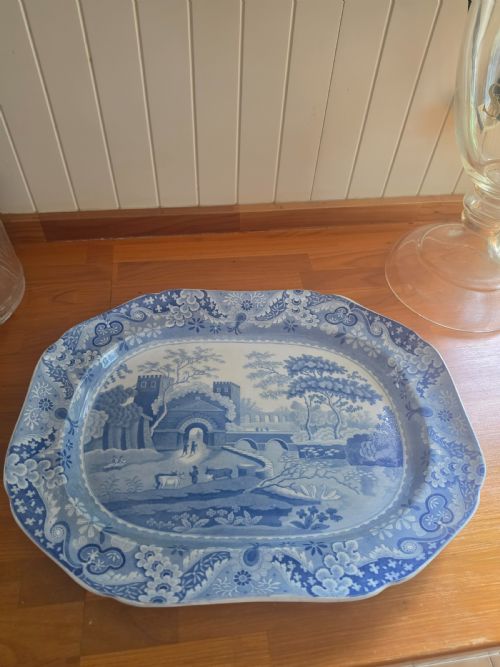
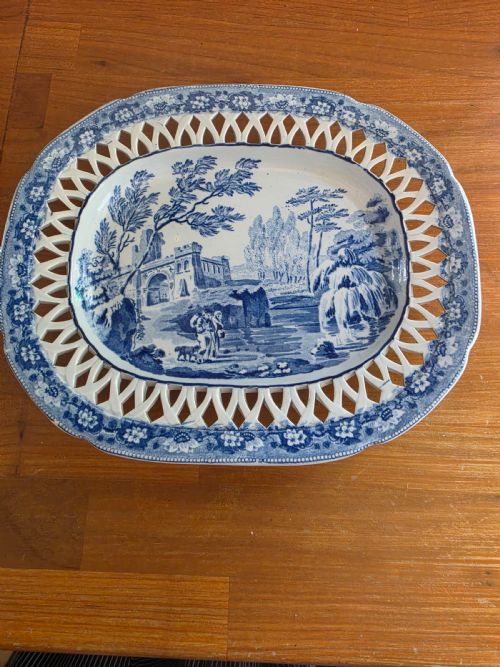
Transfer printing allowed complex patterns to be applied quickly. Engraved copper plates inked with cobalt blue transferred designs onto tissue paper.
"Many heavy silver meat platters double as heating jackets. Hot water goes into a hollow chamber beneath to keep roasts warm."
"Elaborate covers sometimes feature removable finials. The handle unscrews so the dome can sit flat."
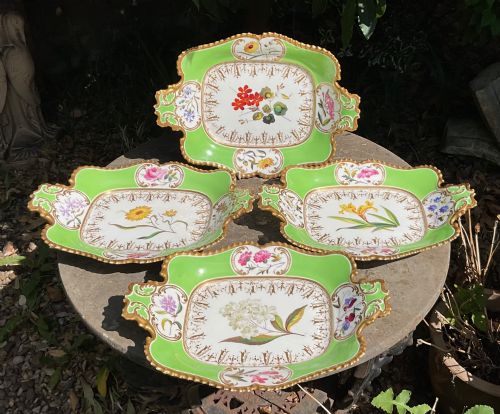
"Ceramic vegetable dishes occasionally stack together. The bases lock into the rims below to save space on crowded tables."
Based on almost 25 years of Sellingantiques UK antique market data, Antique Serving Dishes appeared 1301 times (out of 1,100,000 antiques) which gives it a rarity score of 77/100.
This score measures scarcity within the Sellingantiques archive only and is not a survey of the entire antiques market, so these statistics may not be indicative of the general availability of Antique Serving Dishes elsewhere.
Wash them in warm soapy water using a soft sponge. Dry the metal immediately with a cotton cloth to prevent water spots.
If the piece is tarnished, apply a mild silver polish sparingly. Rub gently. Aggressive polishing will eventually strip the silver layer and expose the copper base. Avoid abrasive scouring pads.
Yes, most antique serving dishes handle hot food well. They were fired at high temperatures and designed for this exact purpose.
Warm the dish gradually before placing hot meat on it. A sudden temperature shock might crack cold earthenware or porcelain.
Those tiny lines are called crazing. The glaze shrinks at a different rate to the clay body during firing or over time, creating a network of fine cracks.
Moisture and grease can seep into these fissures and cause the brown staining. While many people still use crazed serving dishes for dry foods, they are hard to sanitise properly.
Serving wet or greasy food on a heavily crazed platter is risky. Bacteria can hide in the porous clay beneath the glaze.
Many antique serving dishes have a clever locking mechanism on the cover. The top handle, or finial, attaches with a bayonet fitting or a simple screw thread.
Turn the handle to release it, then flip the domed cover upside down. It sits flat on the table and becomes an open serving bowl for vegetables or side dishes.
Please note: This Antique Serving Dishes guide and its associated pricing data are provided for general informational purposes only. It does not constitute formal financial, investment, or appraisal advice and should not be relied upon as the sole basis for any commercial activity, purchasing, or sales decisions. Sellingantiques.co.uk accepts no liability for any actions taken in reliance on this information. Always consult with a qualified professional or independent appraiser.
