



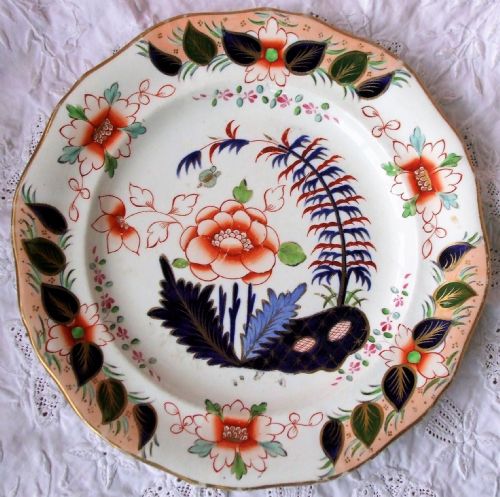
A 2026 Guide by Sellingantiques
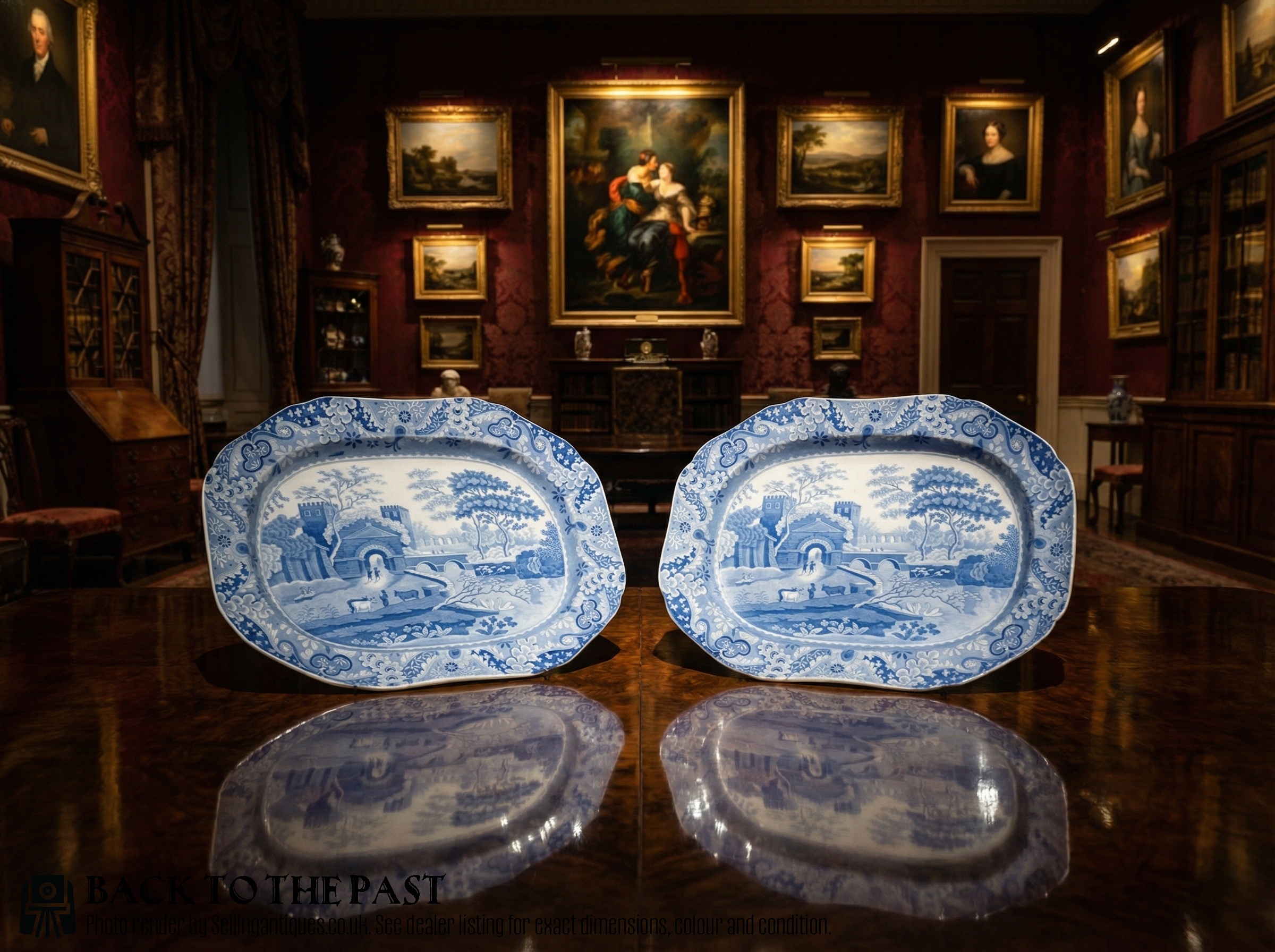
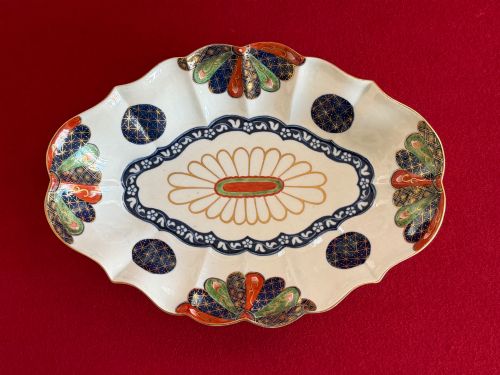
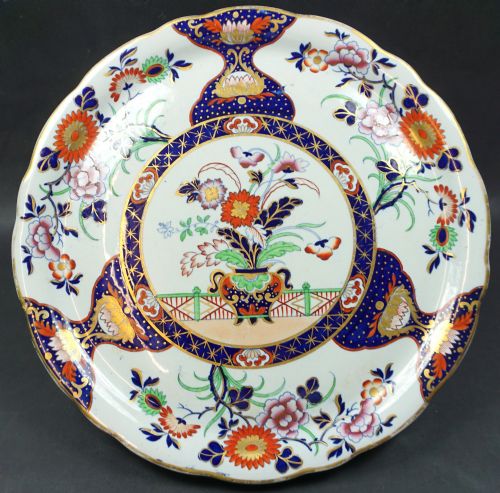
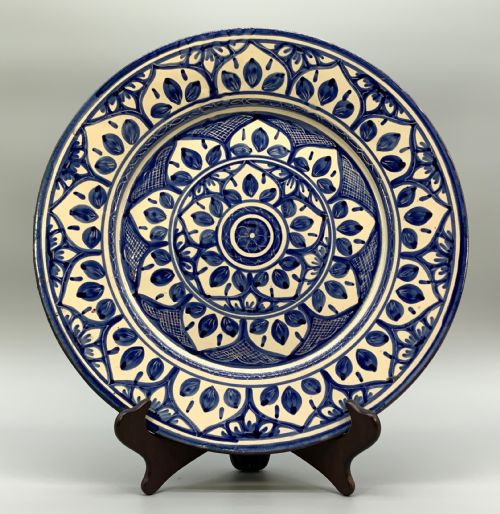
Pair of Spode Plates, 1910
Priced at £495 from Shackladys Antiques
Serving meat required scale. Early antique platters emerged as massive timber boards before metal and ceramic took over.
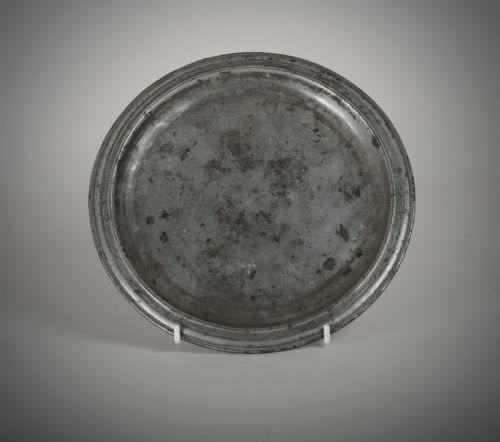
Pewter dominated the tables of the middling sort during the seventeenth century.
Look at eighteenth-century dining habits. Service a la francaise meant laying out dozens of dishes at once, demanding vast matching sets.
The transition to dining a la russe shifted focus. Servants brought individual courses around, making the large meat dish a focal point for carving on a sideboard.
Vast ironstone examples solved a practical problem for large institutions, surviving heavy kitchen use better than delicate porcelain.
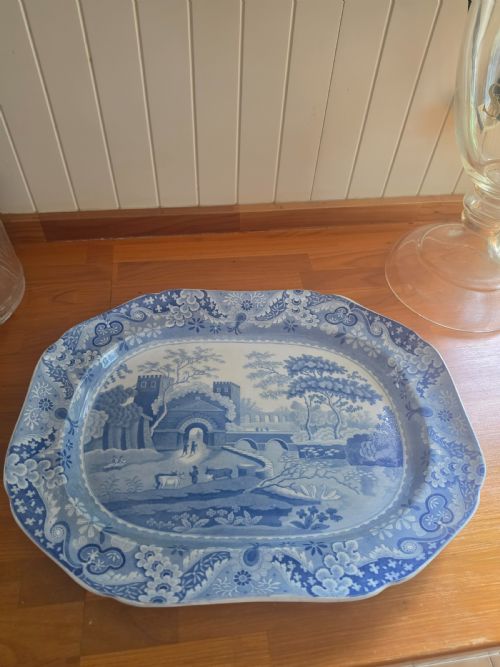
Spode produced vast quantities of blue-and-white transfer-printed earthenwares. Their meat dishes often feature the Italian pattern.
Paul de Lamerie shaped silver platters in the mid-eighteenth century. His rococo silver borders feature cast masks and shells.
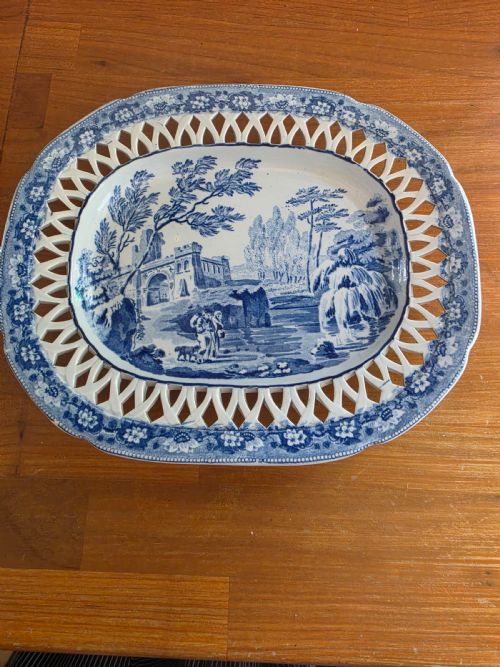
Wedgwood turned out fine creamware examples. These often have simple pierced rims or painted borders rather than heavy moulded decoration.
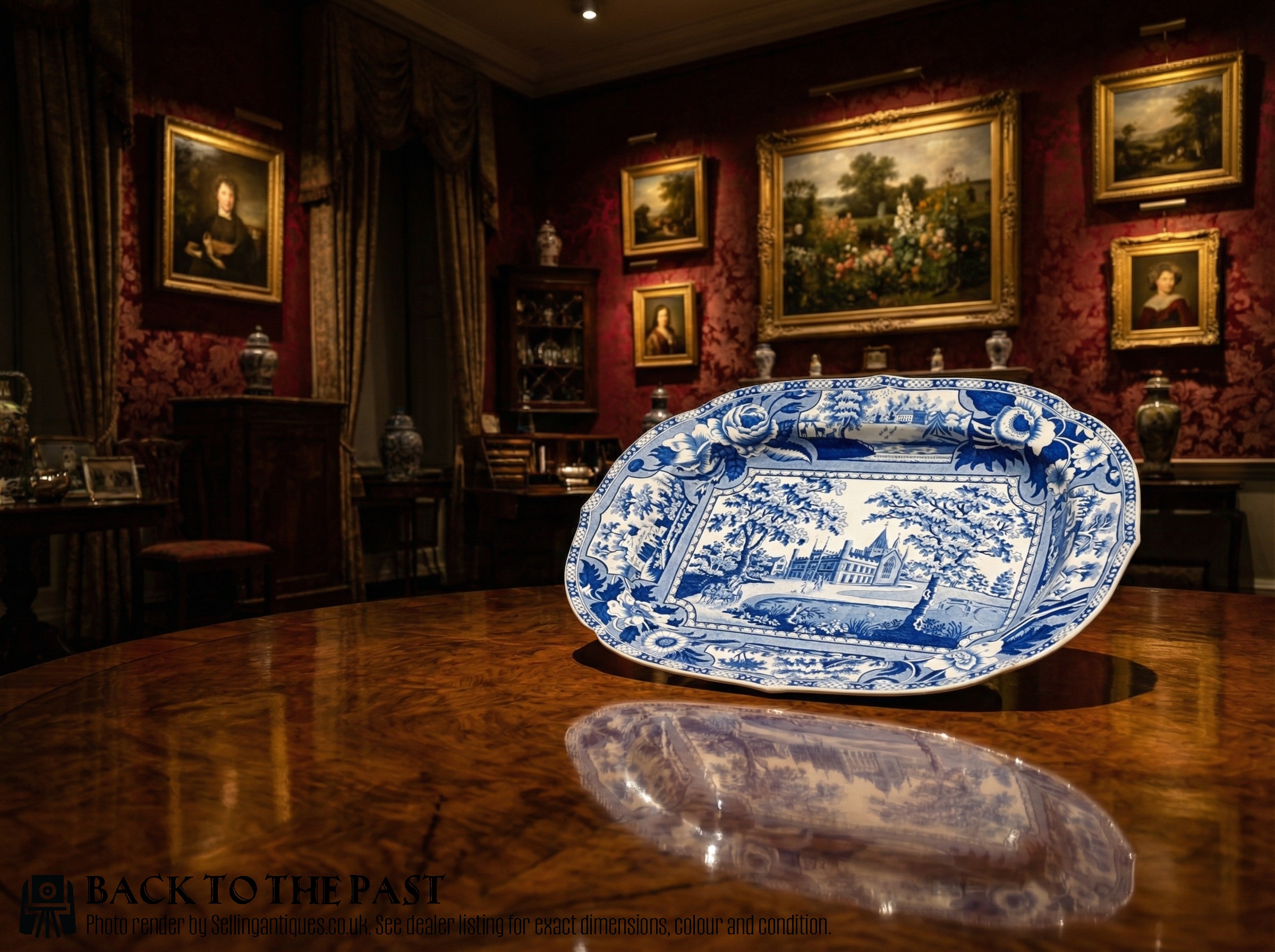
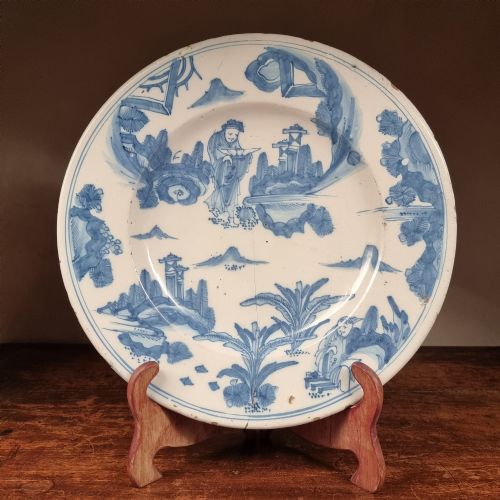
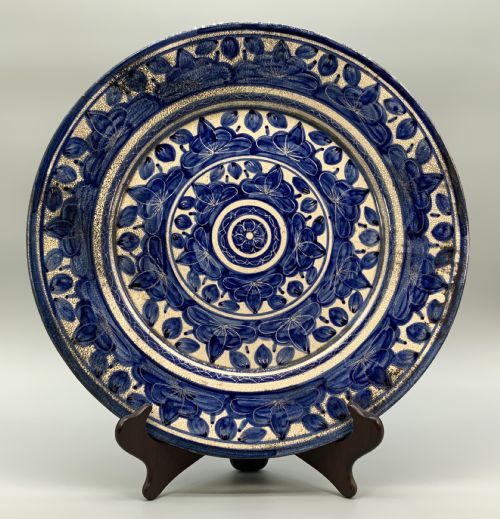
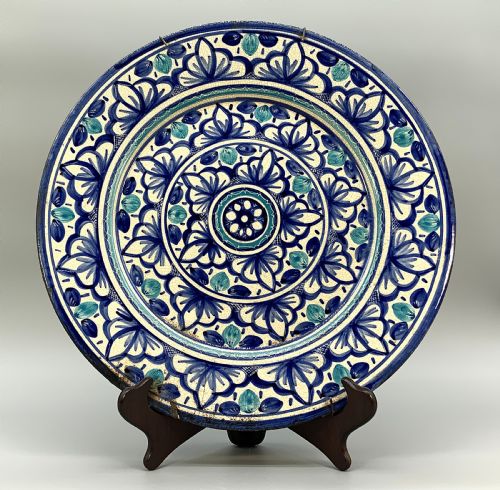
Staffordshire 19th Century Blue and White Plate, 19th Century
Priced at £375 from Shackladys Antiques
The 2026 retail price guide for Antique Platters is drawn from a proprietary archive of over 1.1 million retail prices indexed by Sellingantiques since 2003. This guide relies exclusively on their own internal data; no external sources or auction records are used.
Analysing nearly 25 years of UK antique market history alongside current retail values, the data indicates that typical UK retail prices for Antique Platters range between £200 and £2,000. Entry-level prices generally fall under £200 and premium examples upwards of £2,000.
Meat platters often feature a tree-and-well pattern. Deep grooves channel juices into a hollow reservoir at one end.
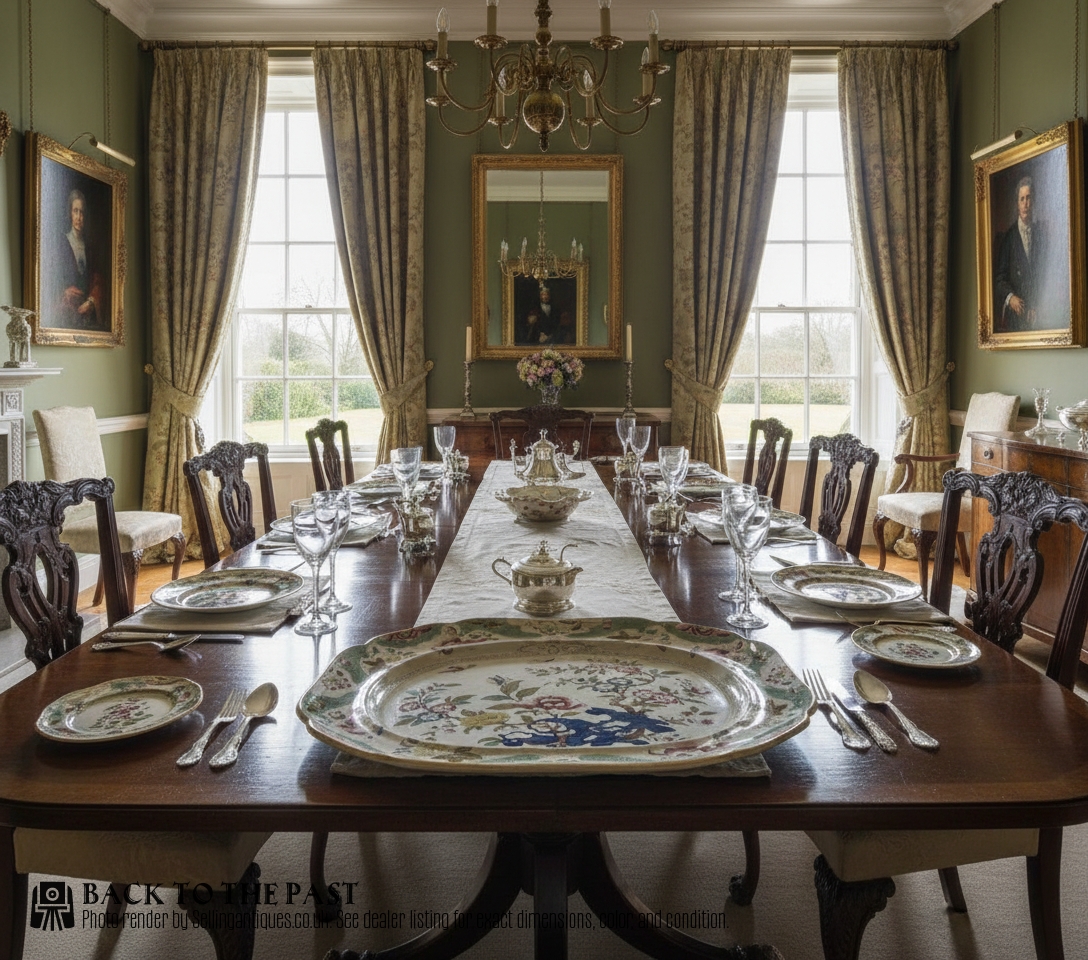
Many large examples sit on raised foot rims to keep hot bases off polished mahogany tables.
Look for shaped edges. Gadrooned or scalloped borders gave a grip for footmen carrying heavy loads from distant kitchens.
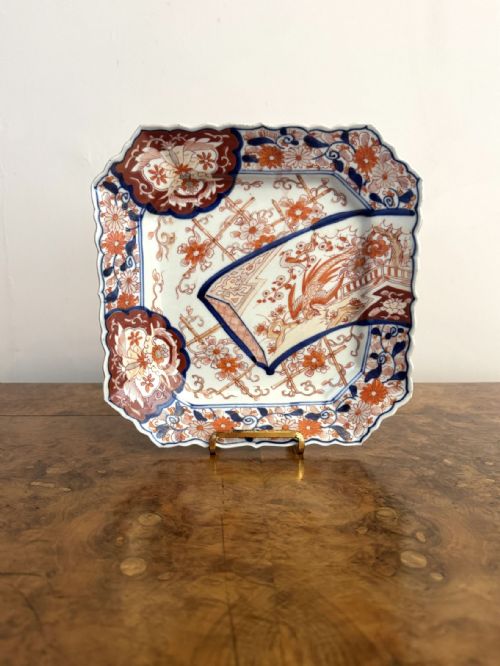
Large Antique Victorian Meat Plate, 1850
Priced at £475 from London City Antiques
Early silver examples were raised by hand from a single flat sheet of bullion. Silversmiths hammered the metal over anvils to form the deep well.
Transfer printing changed ceramic production. Engraved copper plates transferred blue patterns onto thin tissue paper, which was pressed onto the biscuit earthenware.
Press moulding shaped many heavy ironstone pieces. Clay was pushed into a two-part plaster mould to form thick robust bodies.
"Huge ceramic meat dishes occasionally feature hollow bases. Cooks filled these compartments with hot water to keep the joint warm during long services."
"Many matching silver sets carry distinct numbering systems engraved on the reverse to help butlers keep track of the pantry inventory."
"Drainer plates were sometimes made to sit inside the main dish. Pierced ceramic slabs kept boiled fish lifted away from cooking water."
Based on almost 25 years of Sellingantiques UK antique market data, Antique Platters appeared 1569 times (out of 1,100,000 antiques) which gives it a rarity score of 73/100.
This score measures scarcity within the Sellingantiques archive only and is not a survey of the entire antiques market, so these statistics may not be indicative of the general availability of Antique Platters elsewhere.
Plate hangers work for medium sizes, provided the wire springs grip firmly without biting into the glaze. Always use plastic tubing over the wire hooks to protect the edges from chipping.
For massive turkey platters, standard wire hangers fail. Stand them upright on a robust shelf behind a wooden gallery rail. You can also use deep custom-made wooden display brackets fixed directly to wall studs.
A star crack indicates an impact blow to the reverse. These tight radiating lines usually remain stable if the piece stays out of the dishwasher and avoids sudden temperature shifts.
You can still use it for dry serving. Wet or greasy foods might seep into the porous clay body through the damaged glaze and cause dark stains over time.
Most dealers accept minor star cracks on the back of early transfer-printed wares. It rarely affects the display value if the front pattern remains intact.
You certainly can use them for dining. Put down a linen napkin first if you want to protect the central well from modern serrated carving knives.
Avoid ovens and microwaves. Old ceramics lack the thermal shock resistance of modern cookware, and sudden heat will crack a thick ironstone base.
Silver was a liquid asset and families often sold their dining silver when times got hard. The next owner would have their silversmith rub out the original coat of arms.
Erasing an engraving meant scraping away the silver until the surface was smooth again. The silversmith would then polish it up and engrave the new crest in the same spot, leaving a slight depression in the metal.
Please note: This Antique Platters guide and its associated pricing data are provided for general informational purposes only. It does not constitute formal financial, investment, or appraisal advice and should not be relied upon as the sole basis for any commercial activity, purchasing, or sales decisions. Sellingantiques.co.uk accepts no liability for any actions taken in reliance on this information. Always consult with a qualified professional or independent appraiser.
