



A 2026 Guide by Sellingantiques

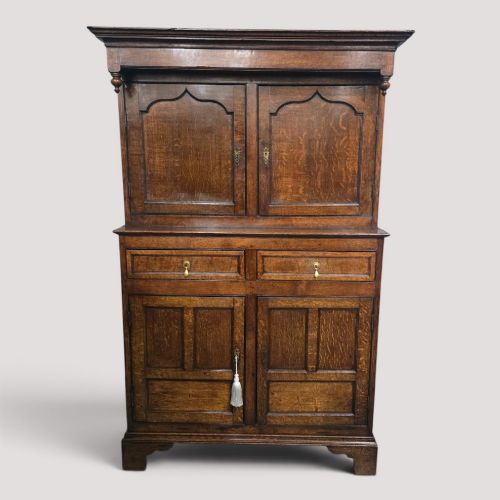
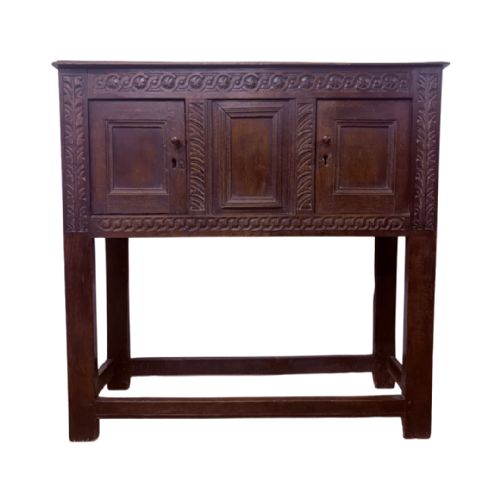
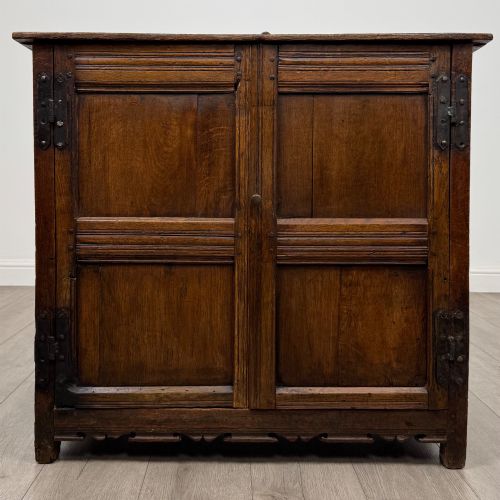
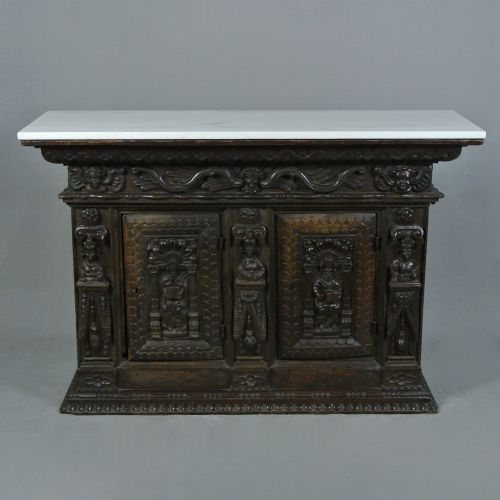
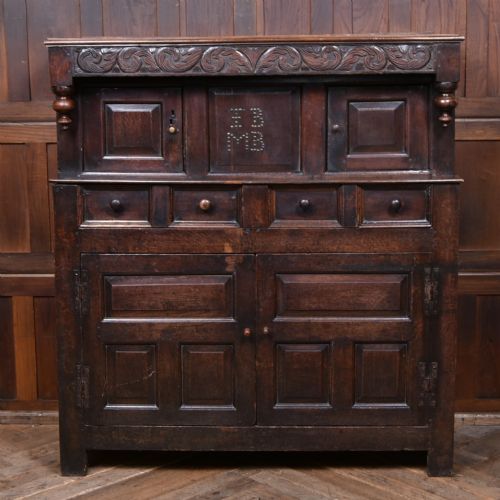
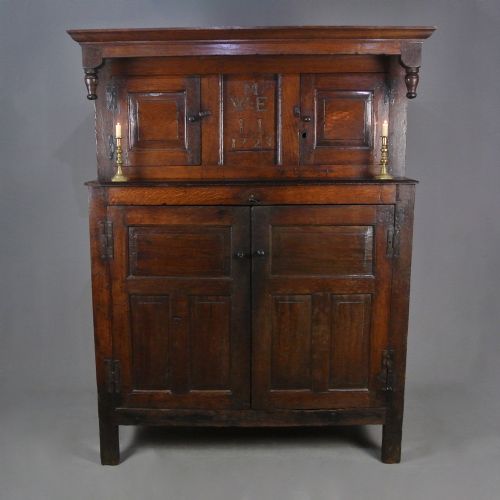
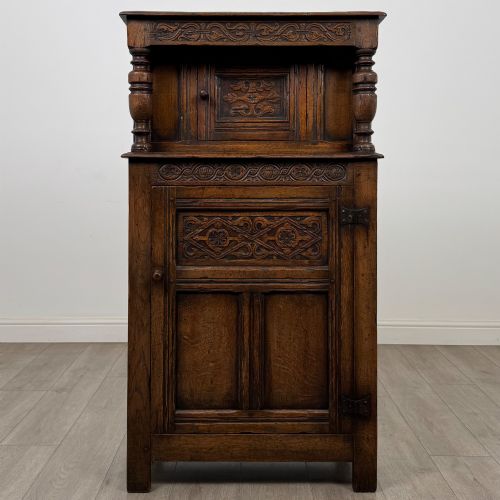
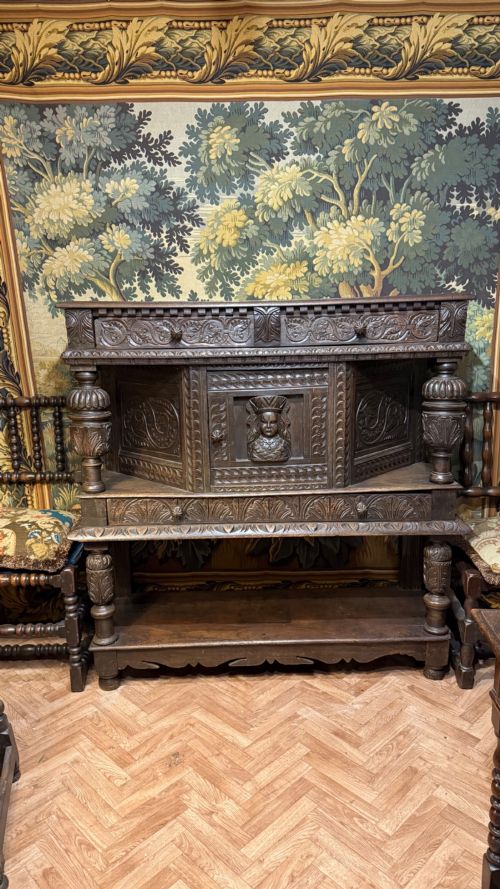
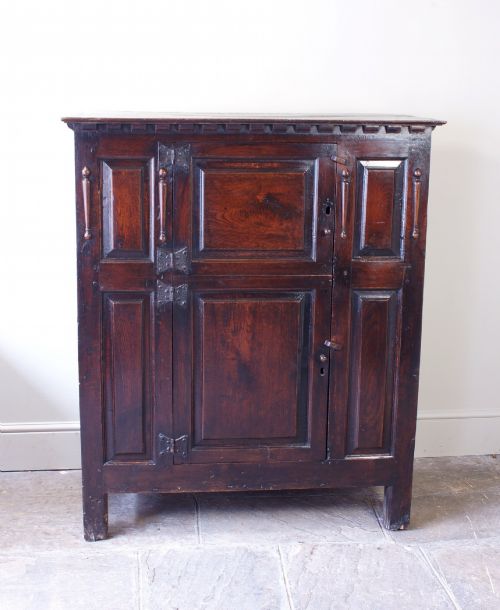
Charles II Oak Mural Livery Cupboard, 17th Century
Priced at £3,450 from Shackladys Antiques
Named from the French word 'livrer', meaning to deliver or hand out.
These held the bread and ale issued to a household for the evening.
Look at late medieval household records to see them listed in bedchambers rather than kitchens.
Antique livery cupboards faded from use as dining habits shifted and separate pantries became standard by the late seventeenth century.
Documented individual makers for early oak furniture remain virtually unknown.
Regional joiners built these using local timber, passing traditional techniques down through the guild system.
Carving patterns sometimes help identify where an antique livery cupboard originated within Britain.
The 2026 retail price guide for Antique Livery Cupboards is drawn from a proprietary archive of over 1.1 million retail prices indexed by Sellingantiques since 2003. This guide relies exclusively on their own internal data; no external sources or auction records are used.
Analysing nearly 25 years of UK antique market history alongside current retail values, the data indicates that typical UK retail prices for Antique Livery Cupboards range between £1,300 and £4,500. Entry-level prices generally fall under £1,300 and premium examples upwards of £4,500.
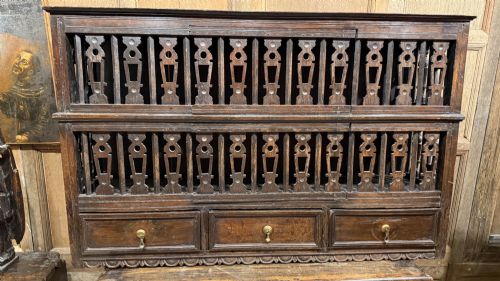
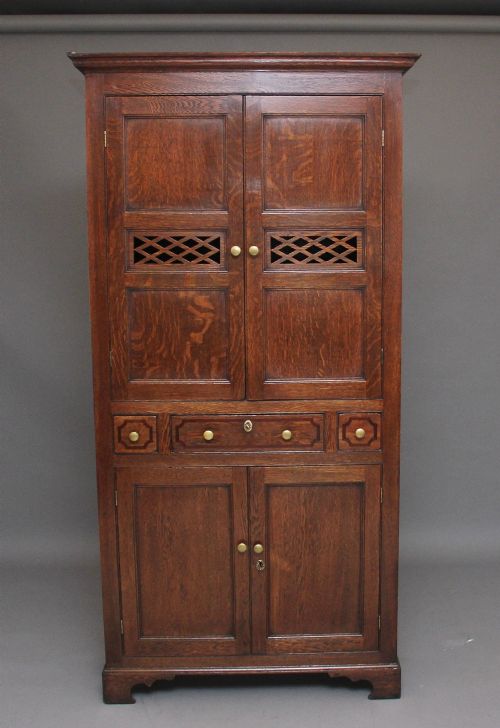
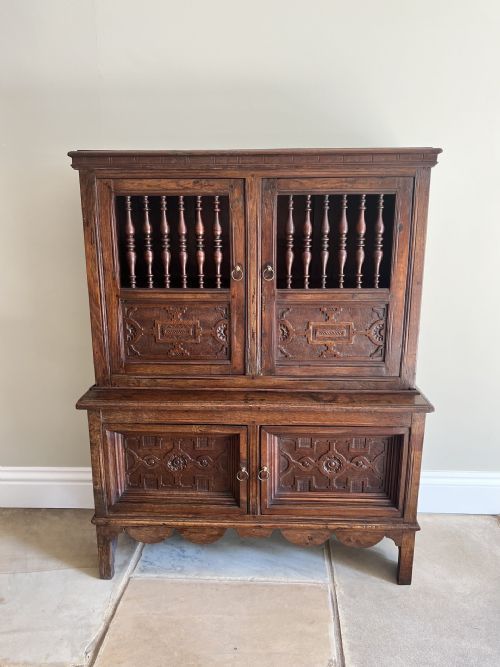
Spindled or pierced openings on the doors and front panels allow air to circulate around the stored food.
Many sit quite low, designed to stand on a side table or hang directly on a bedchamber wall.
Flat tops provide a surface for setting down a candlestick or pouring a cup of ale.
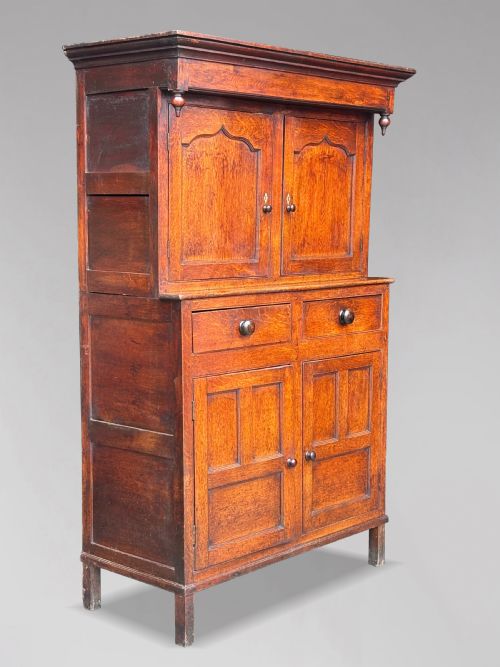
Joined construction relies on solid wood panels floating loosely inside grooved frames to prevent splitting.
Cleaved timber gives the secondary boards a rough, uneven texture on the hidden rear surfaces.
Gouge carving often decorates the front rails, applied by hand before the frame was assembled.
"Some large estates had specific cupboards for different ranks of servants, dictating the quality of the timber used."
"A few regional pieces incorporate decorative pierced panels cut into geometric shapes instead of using turned spindles."
"Traces of original bright paint still survive deep in the carving crevices of certain examples."
Based on almost 25 years of Sellingantiques UK antique market data, Antique Livery Cupboards appeared 244 times (out of 1,100,000 antiques) which gives it a rarity score of 95/100.
This score measures scarcity within the Sellingantiques archive only and is not a survey of the entire antiques market, so these statistics may not be indicative of the general availability of Antique Livery Cupboards elsewhere.
Bread, cheese and ale formed the standard late-evening ration for most households during the sixteenth and seventeenth centuries. The ventilated doors allowed fresh air to circulate while keeping pests away from the food overnight.
Servants would collect their portion from the pantry before retiring to their sleeping quarters. These rations ensured nobody went hungry between the main mid-day meal and breakfast the following morning.
The terms often get mixed up today, but they originally served different functions. Dole cupboards held bread intended for charity, usually distributed to the poor at a church or large civic building.
Antique livery cupboards lived inside domestic homes for private household use. While both forms rely on open spindles to ventilate stored bread, their original locations and social purposes separate them.
Most early examples were designed to sit on a tabletop or hang from a wall.
Keeping the food elevated protected the rations from damp stone floors and wandering domestic animals.
Bedchambers in large early houses often featured an open hearth to keep the room warm during winter. Cupboards stored in these rooms naturally absorbed wood smoke over the centuries.
The porous surface of unvarnished oak traps odours quite easily. That faint smoky scent usually indicates the piece spent a long time in a house with open fires rather than closed stoves.
Please note: This Antique Livery Cupboards guide and its associated pricing data are provided for general informational purposes only. It does not constitute formal financial, investment, or appraisal advice and should not be relied upon as the sole basis for any commercial activity, purchasing, or sales decisions. Sellingantiques.co.uk accepts no liability for any actions taken in reliance on this information. Always consult with a qualified professional or independent appraiser.
