

A 2026 Guide by Sellingantiques
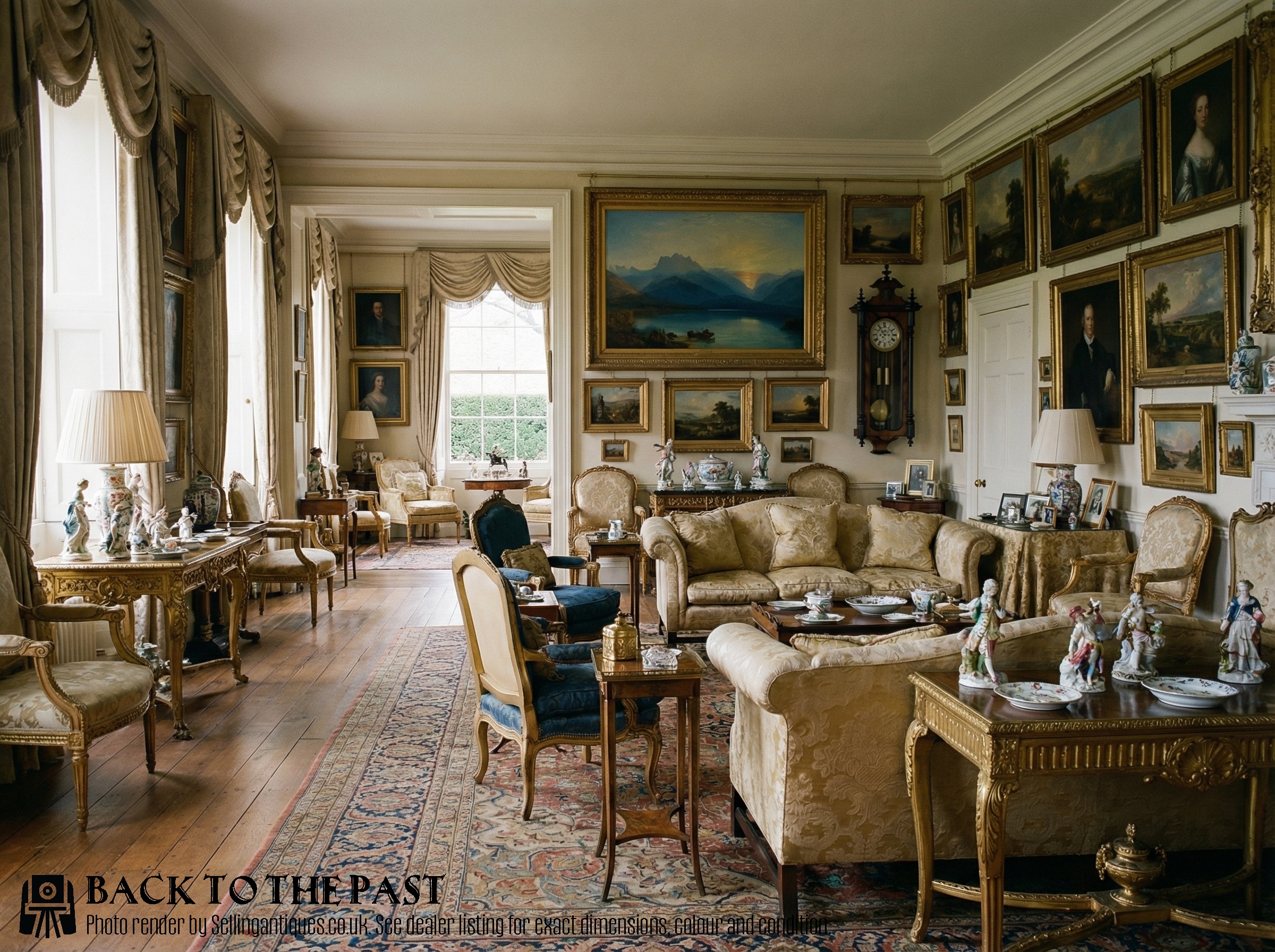
Gustav Becker, Twin-weight,
vienna Wall Clock., 1890
Priced at £825 from Masons Antiques
Production started around 1780. Earlier Vienna wall clocks often had simpler lines known as the Laterndluhr style.
Watch the transition. The Dachluhr style followed, bringing a neat architectural roofline into the 1830s.
A rising middle class drove demand across the Austro-Hungarian Empire. Clockmakers shifted from single-piece bespoke work to small batch runs.
German factories eventually dominated the trade. Workshops in the Black Forest adopted the Vienna wall clock look but mechanised the process.
Spring-driven movements crept in later. You find them more often as the nineteenth century closes out.
Philipp Fertbauer worked in Vienna from 1795 until 1820. His Laterndluhr cases set early standards for the form.
Keep an eye out for Gebrüder Resch. They operated a large factory in Ebensee from 1862, producing high-grade weight-driven regulators.
Gustav Becker started making similar styles in Silesia in 1850. His workshop turned out huge numbers of solid, dependable examples.
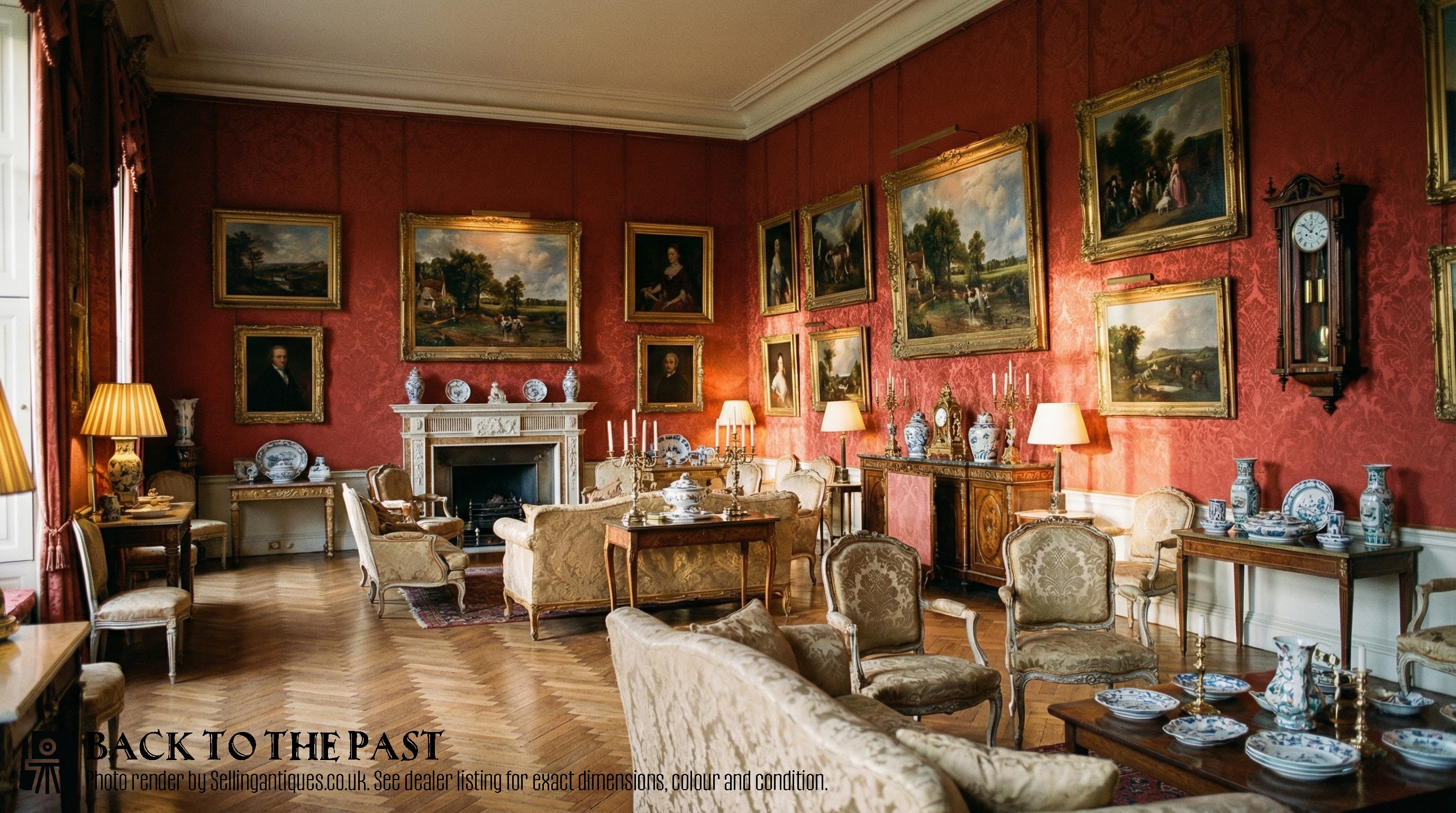
Outstanding Gustav Becker, Double Weight, Vienna Wall Clock., 1890
Priced at £795 from Masons Antiques
The 2026 retail price guide for Vienna Wall Clocks is drawn from a proprietary archive of over 1.1 million retail prices indexed by Sellingantiques since 2003. This guide relies exclusively on their own internal data; no external sources or auction records are used.
Analysing nearly 25 years of UK antique market history alongside current retail values, the data indicates that typical UK retail prices for Vienna Wall Clocks range between £600 and £2,800. Entry-level prices generally fall under £600 and premium examples upwards of £2,800.
Glazed doors and side panels define these cases. They let dust fall past the mechanism while keeping the works visible.
Look for the pie-crust bezel. This pressed brass surround frames the enamel dial on many mid-century Vienna wall clocks.
Wood-rod pendulums expand less than metal ones. A heavy brass bob sits at the bottom, regulated by a simple rating nut.
Early makers cut their own gears by hand using dividing plates. They matched every wheel and pinion individually.
Cases required precise veneering over softwoods. Cabinetmakers book-matched walnut to create repeating grain patterns down the long backboards.
Pulley wheels turn on fine steel arbors. The cords route neatly through the seat board to keep the weights tracking straight.
"The ticking acts as a diagnostic tool. A trained ear can hear if the escapement is worn just by the rhythm."
"Some complex mechanisms run for up to thirty days on a single wind."
"Wooden rods were often boiled in linseed oil. This sealed the timber against damp air and prevented swelling."
Based on almost 25 years of Sellingantiques UK antique market data, Vienna Wall Clocks appeared 872 times (out of 1,100,000 antiques) which gives it a rarity score of 84/100.
This score measures scarcity within the Sellingantiques archive only and is not a survey of the entire antiques market, so these statistics may not be indicative of the general availability of Vienna Wall Clocks elsewhere.
Most weight-driven Vienna wall clocks run for eight days. You should aim to wind them once a week on a set schedule. Sunday mornings work well for most people.
Always wind smoothly and steadily. Letting the weight drop back sharply can strip teeth from the winding barrel. The mechanism needs gentle handling.
The clock is likely out of beat. The tick and the tock need to be even for the escapement to function properly.
If the case does not hang squarely on the wall, the pendulum swing becomes uneven. You can sometimes fix this by nudging the bottom of the case left or right until the ticking sounds balanced.
It means a complex striking mechanism. These clocks strike the quarter hours, and then strike the full hour count at every quarter.
You usually see three weights driving this setup.
They are generally quite quiet compared to spring-driven mantel clocks. The long pendulum swing and heavy wooden case tend to muffle the mechanical noise.
However, a quiet house at night amplifies any sound. Hallways with hard floors and bare walls bounce the ticking around, making it more noticeable.
Please note: This Vienna Wall Clocks guide and its associated pricing data are provided for general informational purposes only. It does not constitute formal financial, investment, or appraisal advice and should not be relied upon as the sole basis for any commercial activity, purchasing, or sales decisions. Sellingantiques.co.uk accepts no liability for any actions taken in reliance on this information. Always consult with a qualified professional or independent appraiser.
