


A 2026 Guide by Sellingantiques
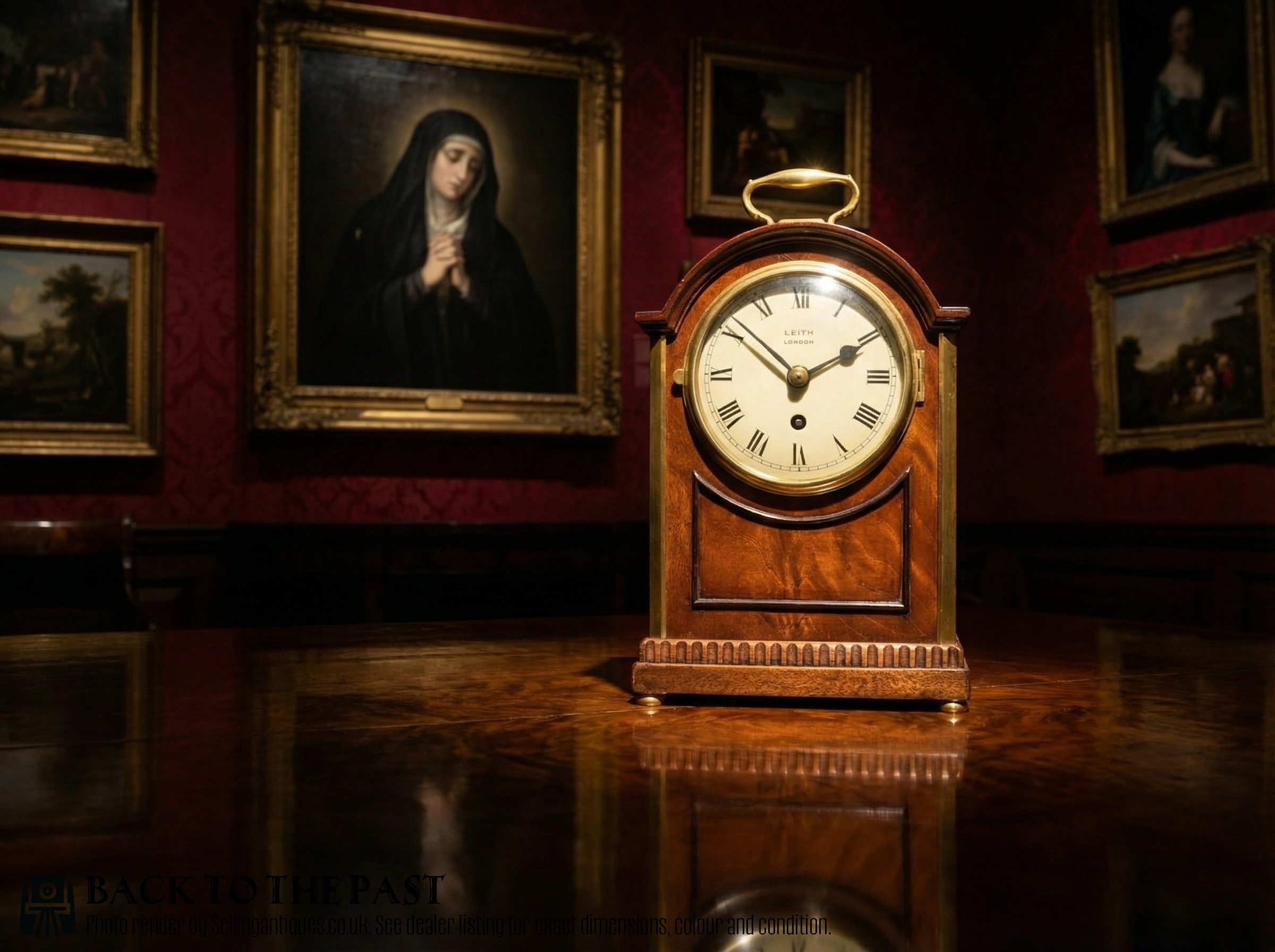
London Fusee Library/table/mantel/bracket Clock. Leith of London., 1890
Priced at £950 from Masons Antiques
The earliest English fusee movements date to the seventeenth century.
Watchmakers adapted this cone mechanism from earlier spring-driven table clocks to solve the problem of waning spring tension.
Look for them in later railway stations, schools and government offices.
They provided reliable timekeeping for the working day before electric networks made pendulum clocks obsolete.
Antique fusee clocks remained the standard for precision domestic timekeeping well into the nineteenth century.
Thwaites & Reed supplied movements to many nineteenth-century retailers.
Provincial clockmakers bought rough blanks and finished them locally under their own names.
Benjamin Lewis Vulliamy produced high-grade fusee examples for government buildings during his working period.

J.w.benson Twin Fusee Wall Clock, 1880
Priced at £2,550 from Its About Time
The 2026 retail price guide for Antique Fusee Clocks is drawn from a proprietary archive of over 1.1 million retail prices indexed by Sellingantiques since 2003. This guide relies exclusively on their own internal data; no external sources or auction records are used.
Analysing nearly 25 years of UK antique market history alongside current retail values, the data indicates that typical UK retail prices for Antique Fusee Clocks range between £800 and £3,800. Entry-level prices generally fall under £800 and premium examples upwards of £3,800.
A brass cone wrapped in gut line or steel chain sits between the plates.
Check the dial for heavy painted iron or sometimes silvered brass.
Regulating the escapement requires a heavy pendulum bob hanging below the mechanism.

A Twin Fusee Bracket Clock by Dela Salle and Christie, London., 19th Century
Priced at £3,975 from Chalfont Clocks
Clockmakers cut the brass teeth by hand with simple files in the early days.
Wheel-cutting engines later allowed workshops to produce identical gears in larger batches.
Finishing the steel pinions required hardening and polishing to reduce friction between moving parts.
"Maintaining power mechanisms keep the clock ticking even while you wind it."
"The spiralled grooves on the cone are cut at a specific angle to match the spring tension curve."
"Drop dials often hide a small door on the side for adjusting the pendulum swing."
Based on almost 25 years of Sellingantiques UK antique market data, Antique Fusee Clocks appeared 2518 times (out of 1,100,000 antiques) which gives it a rarity score of 60/100.
This score measures scarcity within the Sellingantiques archive only and is not a survey of the entire antiques market, so these statistics may not be indicative of the general availability of Antique Fusee Clocks elsewhere.
Turn the key slowly and steadily. You should feel an even resistance as the chain or gut wraps around the cone.
Stop immediately when you feel a sudden, solid resistance. Overwinding can snap the chain or damage the mainspring inside the barrel.
The movement is likely fouled with old oil and dust. Over time, clock oil dries into a sticky paste that stops the gear train from turning freely.
Another common cause is a worn pivot hole. When the holes wear into an oval shape, the gears push apart and bind up under the mainspring pressure.
A clockmaker will need to dismantle the plates, clean the components and bush any worn holes with fresh brass.
Fitting a new gut line involves stripping the movement down. The spring tension must be let down safely before removing the plates.
Most people leave this to a clockmaker. The risk of the mainspring unwinding suddenly can cause serious injury or damage the gears.
Those doors serve for routine adjustments rather than dismantling the case. The side door lets you check the pendulum swing and listen to the tick to ensure it sounds even.
The bottom door gives access to the pendulum bob. You reach up through here to turn the rating nut, which raises or lowers the bob to speed the clock up or slow it down.
Please note: This Antique Fusee Clocks guide and its associated pricing data are provided for general informational purposes only. It does not constitute formal financial, investment, or appraisal advice and should not be relied upon as the sole basis for any commercial activity, purchasing, or sales decisions. Sellingantiques.co.uk accepts no liability for any actions taken in reliance on this information. Always consult with a qualified professional or independent appraiser.
