
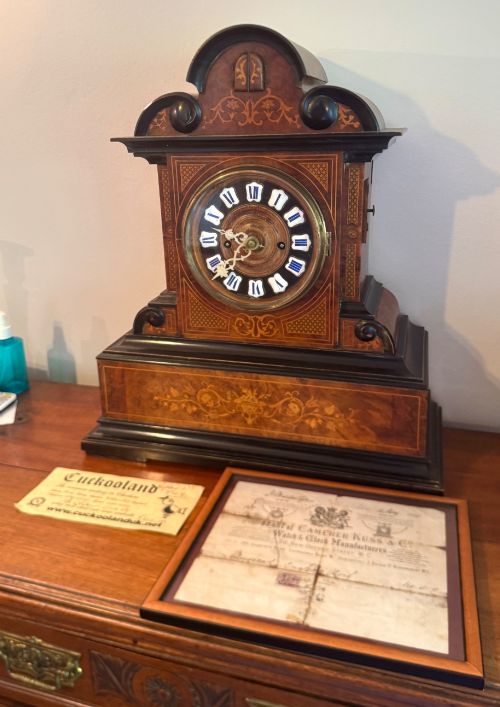
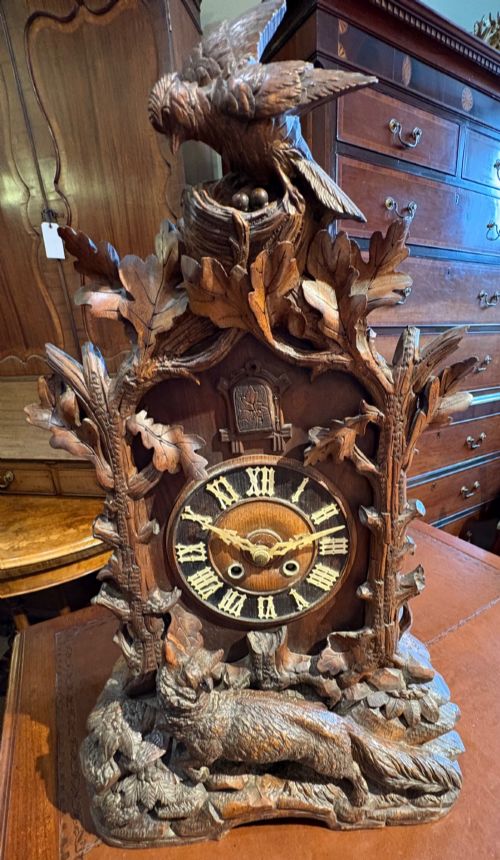


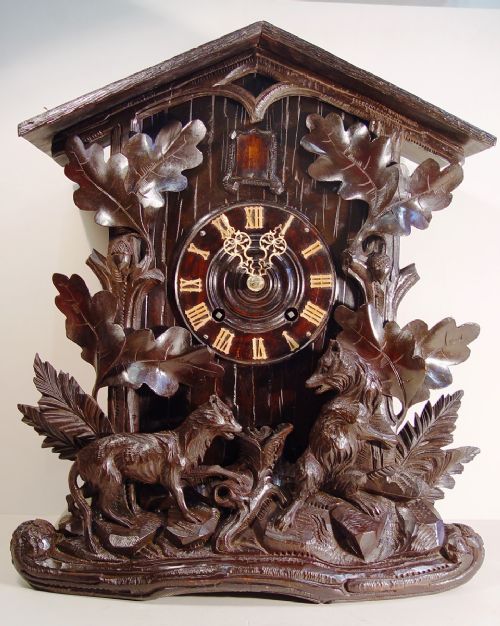
A 2026 Guide by Sellingantiques
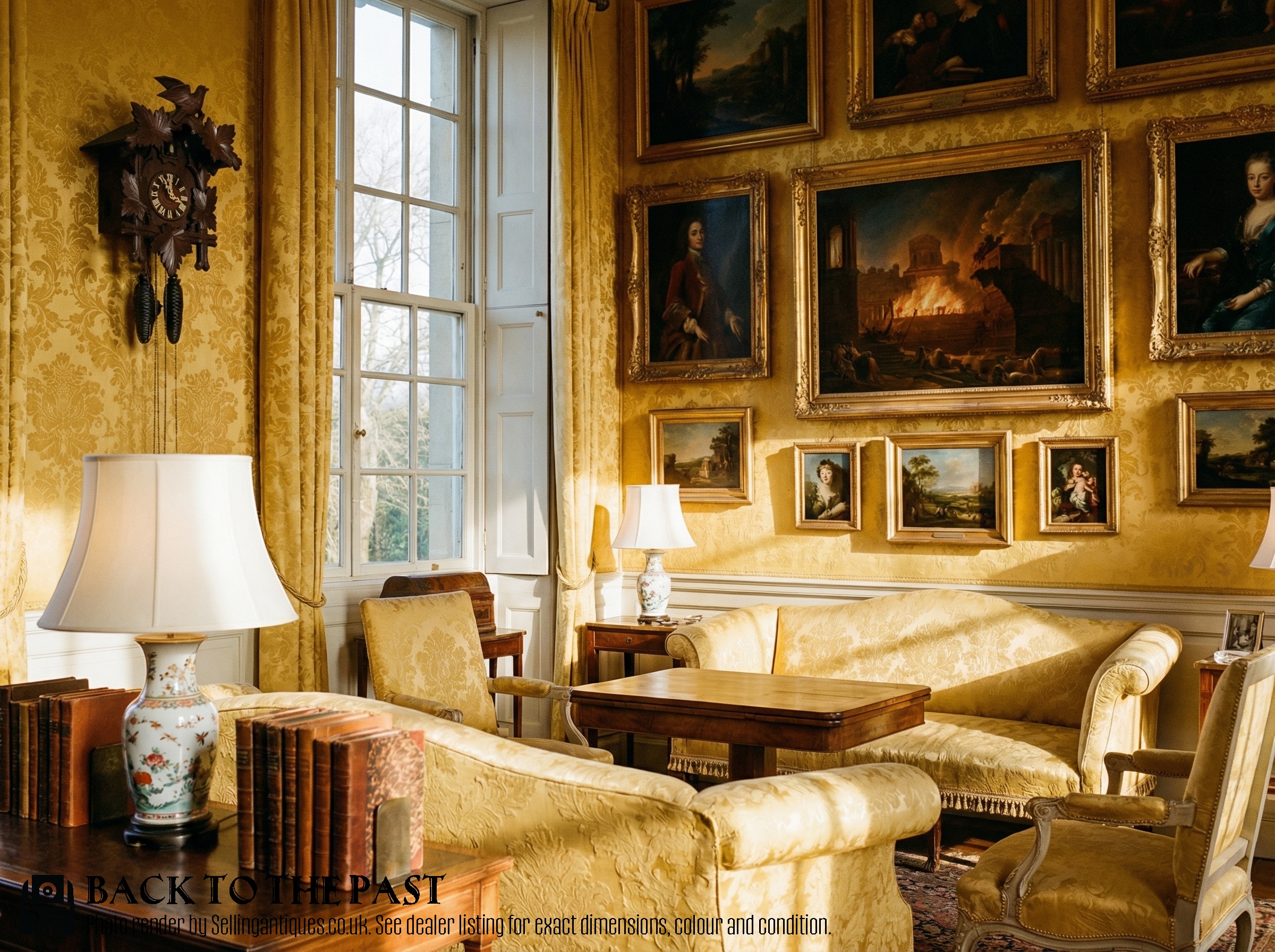
Quality Antique Black Forest Cuckoo Clock, 1890
Priced at £795 from Rebecca Sarah Antiques
Clockmaking in the Black Forest region started as winter work for farmers looking to supplement their income during the colder months.
Look for early shield clock designs. These preceded the carved chalet styles we usually associate with antique cuckoo clocks today.
The classic railway house shape emerged around the mid-nineteenth century, inspired by trackside watchmen buildings.
Export markets grew rapidly by the late Victorian period, sending these timepieces across Europe and over to America.
Johann Baptist Beha worked from the mid-nineteenth century, known for producing high-quality table models and heavily carved wall variations.
The Gordian Hettich Sohn factory operated during the late nineteenth century, exporting large numbers of affordable weight-driven pieces.
Many antique cuckoo clocks carry no maker's name at all. They relied instead on a network of specialised village craftsmen.
Fine Quality Antique 19th Century Black Forest Cuckoo Clock, 1860
Priced at £995 from Unique Antiques by Emma Jade
The 2026 retail price guide for Antique Cuckoo Clocks is drawn from a proprietary archive of over 1.1 million retail prices indexed by Sellingantiques since 2003. This guide relies exclusively on their own internal data; no external sources or auction records are used.
Analysing nearly 25 years of UK antique market history alongside current retail values, the data indicates that typical UK retail prices for Antique Cuckoo Clocks range between £700 and £3,700. Entry-level prices generally fall under £700 and premium examples upwards of £3,700.
Two small wooden bellows pump air into whistles to create the distinctive two-note call.
Pinecone-shaped cast iron weights hang from brass chains to drive both the timekeeping and the striking train.
Check the automated figures. Some feature moving woodchoppers or dancers that activate when the clock strikes.

Large Musical Black Forest Cuckoo Clock, 1950
Priced at £500 from Cross Antiques
Early examples used wooden plates for the movements before the trade transitioned to brass in the late nineteenth century.
Carving techniques shifted from hand-cut individual elements to batch-produced components that were pinned together at the final assembly stage.
Notice the dials. Painted wooden numerals gradually gave way to applied bone or plastic digits on dark carved chapter rings.
"Some early models featured a quail that called the quarter hours before the main bird appeared."
"The automaton figures in the oldest examples flap their wings and open their beaks in exact time with the sound."
"Certain makers experimented with glass gongs instead of coiled wire to produce a softer strike tone."
Based on almost 25 years of Sellingantiques UK antique market data, Antique Cuckoo Clocks appeared 110 times (out of 1,100,000 antiques) which gives it a rarity score of 98/100.
This score measures scarcity within the Sellingantiques archive only and is not a survey of the entire antiques market, so these statistics may not be indicative of the general availability of Antique Cuckoo Clocks elsewhere.
Move the small carving or metal disc on the pendulum rod up or down to adjust the timekeeping.
Pushing the bob up makes the clock run faster. Sliding it down slows the movement.
You will need to take the wooden back off the case to access the movement. Look for the lowest wheel on the strike or time train where the chain should sit.
Feed the loose chain over the spiked sprocket wheel, making sure the links sit flat. Pull gently to ensure it engages the teeth before hanging the weight back on.
Many later movements feature a wire lever on the side or bottom of the case. Pulling this lever down locks the strike train.
Older antique cuckoo clocks often lack a silencing mechanism. You either let them run down or unhook the strike weight to keep things quiet at night.
This usually indicates an issue with the wire linkage connecting the bird block to the small wooden door.
Check if the wire has bent slightly, catching on the edge of the case opening. A gentle adjustment to the wire loop often solves the friction and lets the door close freely.
Sometimes a drop of oil on the hinge pin helps.
Please note: This Antique Cuckoo Clocks guide and its associated pricing data are provided for general informational purposes only. It does not constitute formal financial, investment, or appraisal advice and should not be relied upon as the sole basis for any commercial activity, purchasing, or sales decisions. Sellingantiques.co.uk accepts no liability for any actions taken in reliance on this information. Always consult with a qualified professional or independent appraiser.
