




A 2026 Guide by Sellingantiques

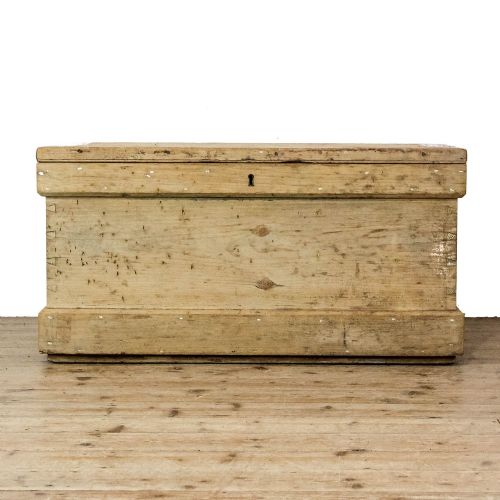
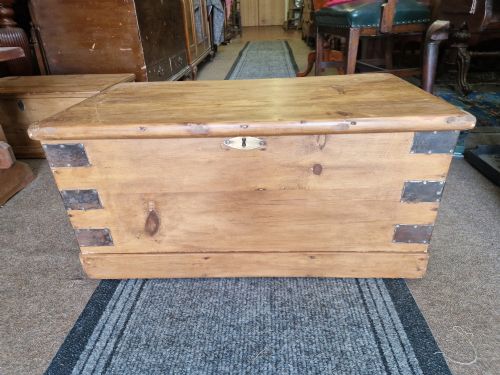
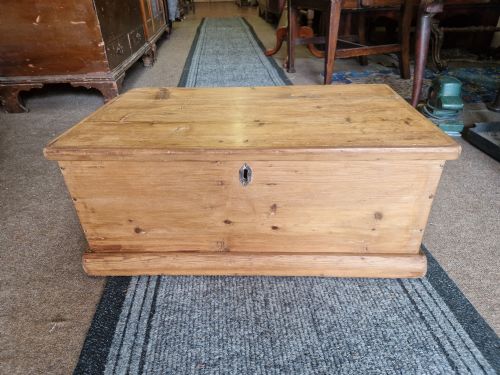
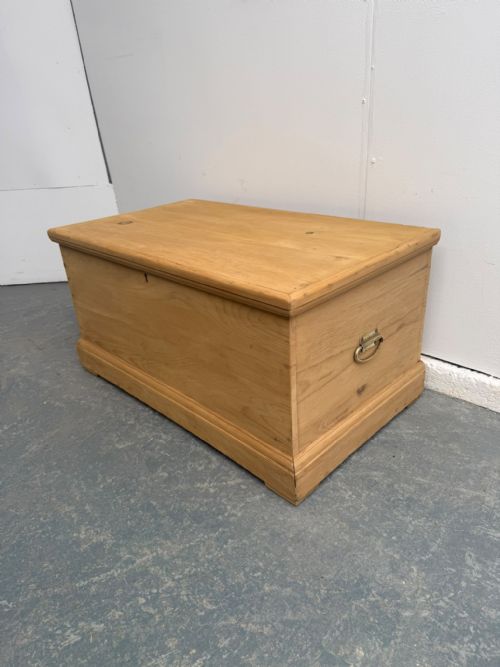
Small Welsh Painted Pine Artisan's Chest, Circa 1840, 19th Century
Priced at £340 from WelshAntiques
Country carpenters turned out antique pine chests in large numbers from the eighteenth century onwards.
Emigrants often used them as packing crates for sea voyages to North America or Australia.
Most ordinary homes relied on a basic six-plank box before fitted cupboards became standard.
Look at the early painted examples. Surviving pigment shows they originally sat in main living spaces.
Famous cabinetmakers ignored this form. Village carpenters and joiners built almost all the antique pine chests we see today.
Trade labels are scarce. A few late nineteenth-century examples carry paper stencils from provincial furniture warehouses.
Different counties favoured specific paint colours. Variations in the original scumble glaze often point to regional origins.

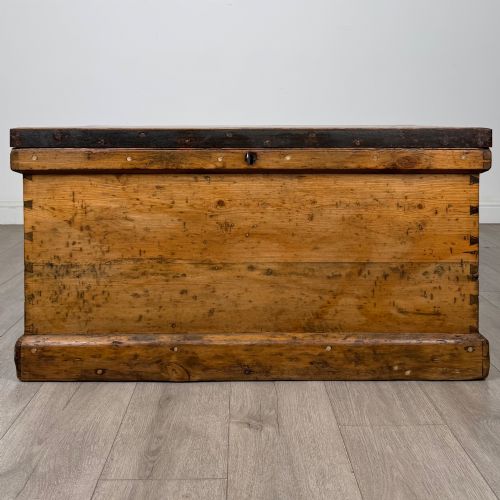
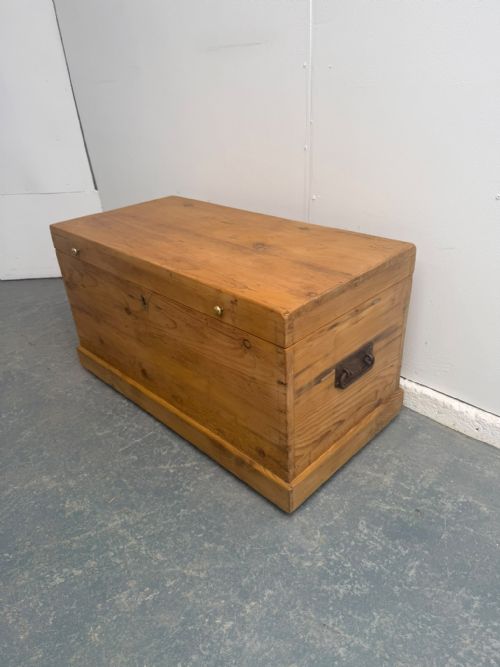
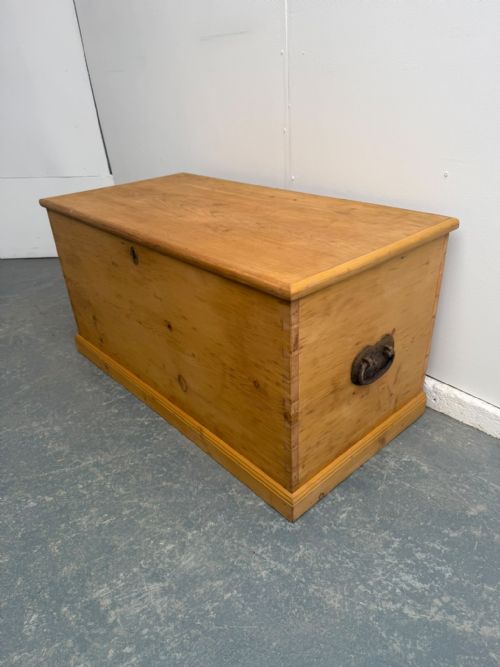
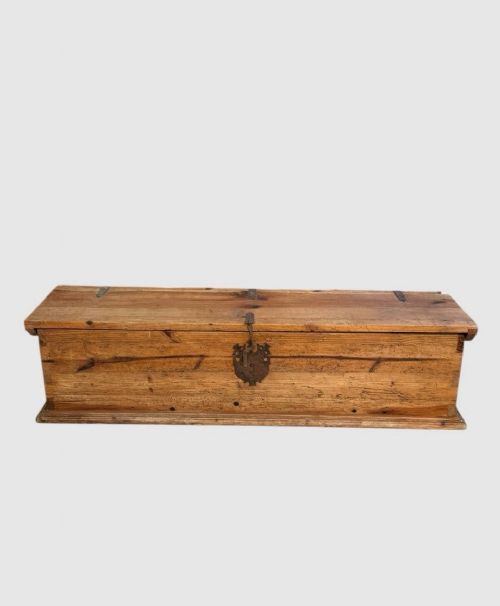
Welsh Pine Panelled Chest, Circa 1760, Georgian
Priced at £780 from WelshAntiques
The 2026 retail price guide for Antique Pine Chests is drawn from a proprietary archive of over 1.1 million retail prices indexed by Sellingantiques since 2003. This guide relies exclusively on their own internal data; no external sources or auction records are used.
Analysing nearly 25 years of UK antique market history alongside current retail values, the data indicates that typical UK retail prices for Antique Pine Chests range between £300 and £900. Entry-level prices generally fall under £300 and premium examples upwards of £900.
Heavy iron carrying handles sit on either end of the carcase.
A small internal candle box is a frequent addition at one side.
Check the base. Plinth bases or simple bracket feet support the main box.

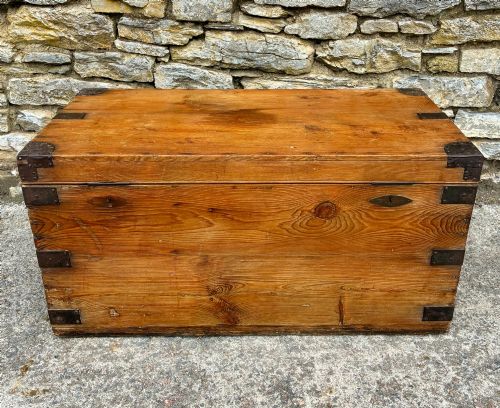
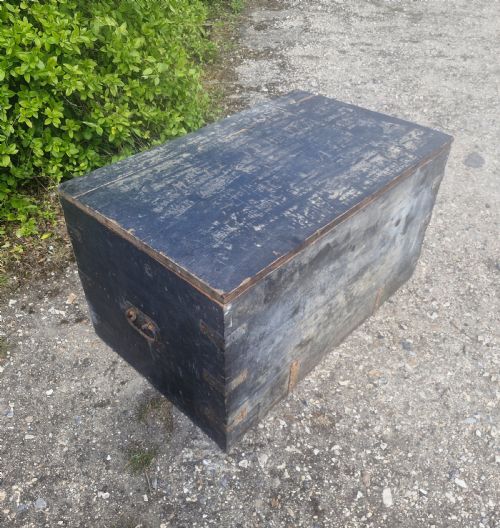
Georgian Painted Pine Mule Chest, Georgian
Priced at £485 from The Old Yard
Early examples rely on simple butt joints held fast by hand-forged iron nails.
Joinery improved over the nineteenth century. Machined dovetails eventually replaced the earlier nailed plank construction.
Look at the backboards. Rough circular saw marks indicate later nineteenth-century mechanised timber milling.
"Many were built with specific proportions to fit awkward spaces under farmhouse stairs."
"Original camphor wood linings give off a pungent scent when the lid opens."
"Thick paint layers hide the timber grain. Stripped pine became a major trend in late twentieth-century decorating."
Based on almost 25 years of Sellingantiques UK antique market data, Antique Pine Chests appeared 6261 times (out of 1,100,000 antiques) which gives it a rarity score of 29/100.
This score measures scarcity within the Sellingantiques archive only and is not a survey of the entire antiques market, so these statistics may not be indicative of the general availability of Antique Pine Chests elsewhere.
Fill the old holes first. A traditional trick is to glue in wooden dowels or matchsticks.
Once the glue sets hard, you can drill a fresh pilot hole. Drive a new screw into the solid wood to secure the ironwork.
That residue comes from past restoration. During the late twentieth century, dealers dipped these chests in caustic soda to remove the original paint.
After stripping, they often applied thick layers of beeswax. The soft wax never fully hardens and transfers easily to textiles stored inside.
You can line the interior with unbleached cotton calico to protect your fabrics. Alternatively, wash the inside with white spirit to remove the excess wax.
It is just a trade term. Dealers use it interchangeably with antique pine chests.
The name highlights their common use for bedroom storage at the foot of a bed.
Domed or camel-back lids shed water. They were popular for coaching trunks and pieces expected to travel outside on carriages.
The curved shape also stops other heavy luggage from resting on top during transit. This protected the chest from crushing under heavy loads.
Please note: This Antique Pine Chests guide and its associated pricing data are provided for general informational purposes only. It does not constitute formal financial, investment, or appraisal advice and should not be relied upon as the sole basis for any commercial activity, purchasing, or sales decisions. Sellingantiques.co.uk accepts no liability for any actions taken in reliance on this information. Always consult with a qualified professional or independent appraiser.
