10,628  PAGES BROWSED TODAY PAGES TODAY • 29 ANTIQUES UPLOADED TODAYNEW ARRIVALS
GIFTS
29 ITEMS ADDED TODAY
Sort Order
Items Per Page
Browse Categories
Sort order
Relevant Links
Items per page
ID #SA1032282
SOLD
Email Phone
Save
Pair 19th Century Cut Jelly Glasses C1840
Sold by Exhibit Antiques
sold SA1032282
Sorry, but this item has been sold.
Exhibit Antiques

Exhibit Antiques

Sellingantiques Verified Since Mar 2019
Browse dealers 145 items
  • About Us
    Specialists in 18th & 19th century antique glass
Id #SA1032282
PDF SHARE
SAVE

Pair 19th Century Cut Jelly Glasses C1840

19th century
Sold 8 August 2025 · Exhibit Antiques
This “Pair 19th Century Cut Jelly Glasses C1840” found a buyer.

It was listed by Exhibit Antiques. Sold pieces stay on Sellingantiques as a record of what has passed through, and the next one is rarely far away.

Description

Technical Description

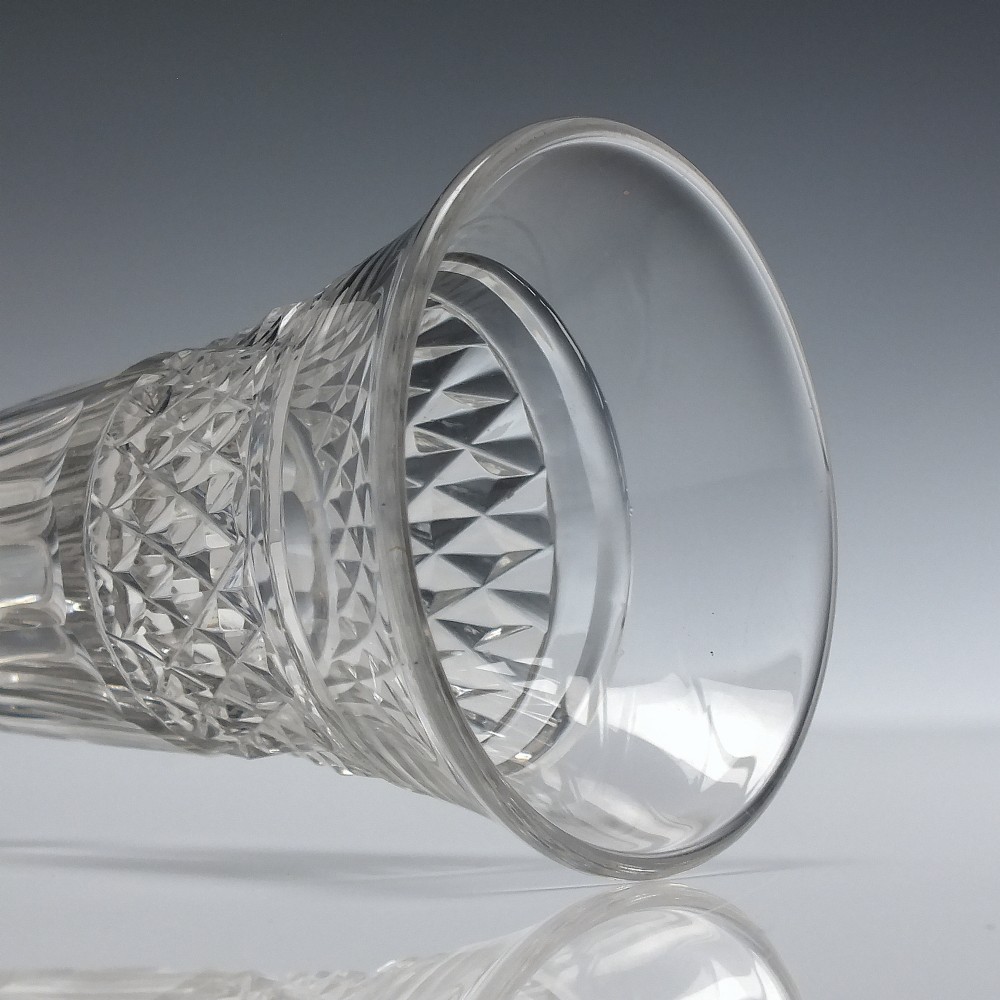
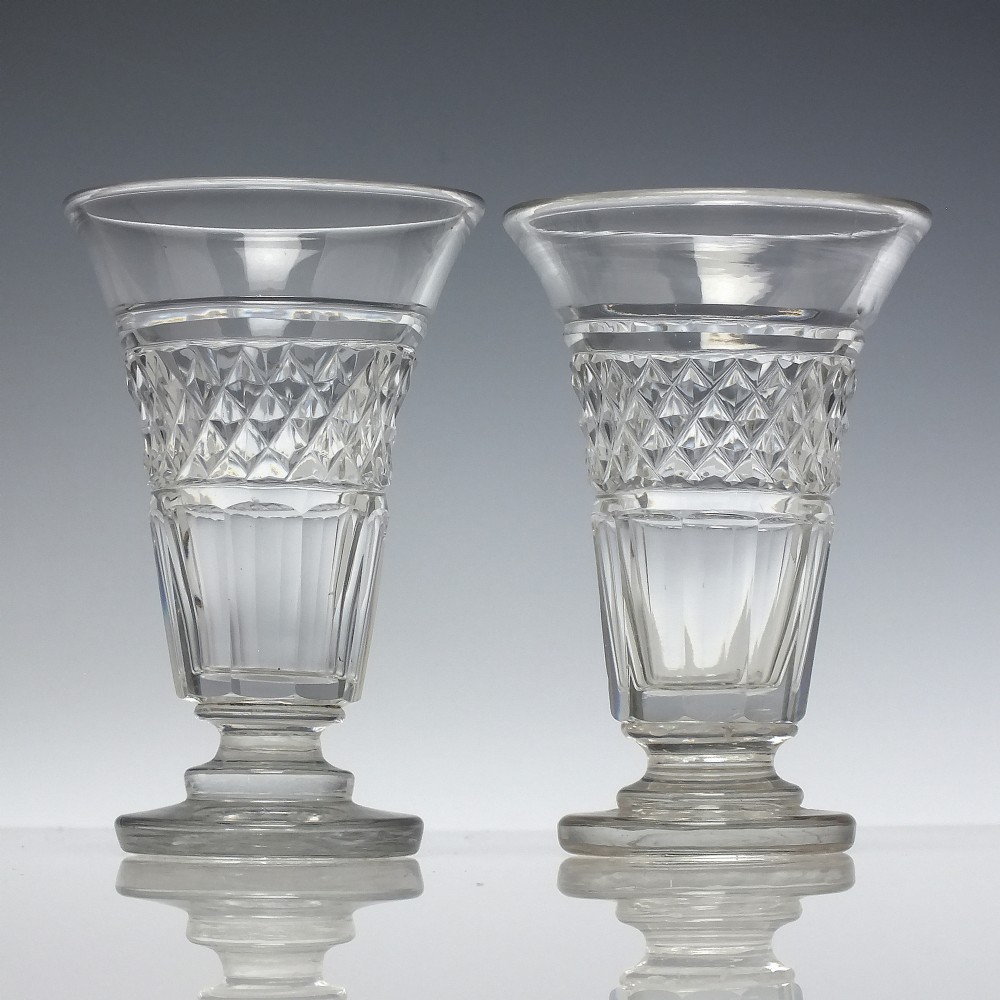
A very fine pair of 19th century cut Jelly glasses dating to c1840.

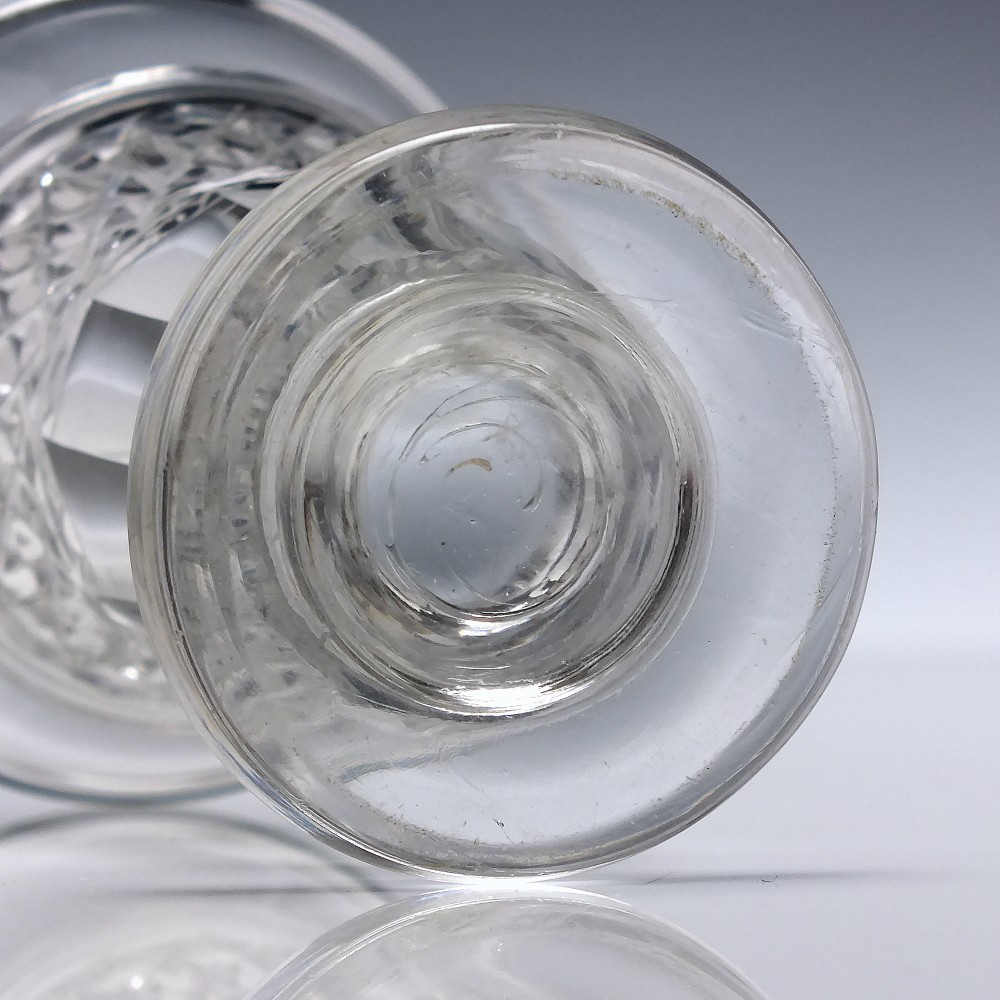
They have round funnel bowl with a band of diamonds and slice cuts separated by prisms. Solid helmet feet with polished pontils.

They come from a small, but high quality collection of Jelly and Syllabub glasses we will be presenting over the next few weeks.

Date & Origin

England, c1840. Period of Victoria.

Condition

Excellent, age-related wear as shown. No chips cracks or restoration.

Dimensions

Height: 10.1cm Rim diameter: 6.5cm Foot diameter: 4.7cm.

Physical Dimensions
Height
10cm (3.94")
Width
6cm (2.36")
Declaration

Exhibit Antiques has dated these Antique Cut Glass Jelly Glasses to the 1850s.

Reference Numbers
Sellingantiques Reference
SA1032282
Dealers Internal Reference
2023102009
Description
Technical Description

A very fine pair of 19th century cut Jelly glasses dating to c1840.

They have round funnel bowl with a band of diamonds and slice cuts separated by prisms. Solid helmet feet with polished pontils.

“
They come from a small, but high quality collection of Jelly and Syllabub glasses we will be presenting over the next few weeks.
Exhibit Antiques

Date & Origin

England, c1840. Period of Victoria.

Condition

Excellent, age-related wear as shown. No chips cracks or restoration.

Dimensions

Height: 10.1cm Rim diameter: 6.5cm Foot diameter: 4.7cm.

Height
10cm (3.94")
Width
6cm (2.36")
Date of Manufacture

Exhibit Antiques has dated these Antique Cut Glass Jelly Glasses to the 1850s.

Reference Numbers
Sellingantiques Ref
SA1032282
Dealers Internal Ref
2023102009
Exhibit Antiques
Exhibit Antiques
Sellingantiques verified Since Mar 2019

Specialists in 18th & 19th century antique glass

Dealer Profile

You can view the stock and full dealer information on the Exhibit Antiques Profile Page
PDF SHARE
SAVE
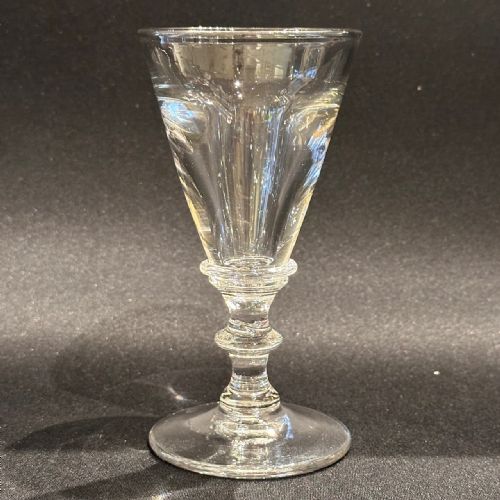
A pair of 19th-century clear cut glass jelly glasses featuring diamond cutting and fluted stems. SOLD6+ MONTHS AGO
1 / 4
Archive I A pair of 19th-century clear cut glass jelly glasses featuring diamond cutting and fluted stems. SOLD6+ MONTHS AGO

Pair 19th Century Cut Jelly Glasses C1840
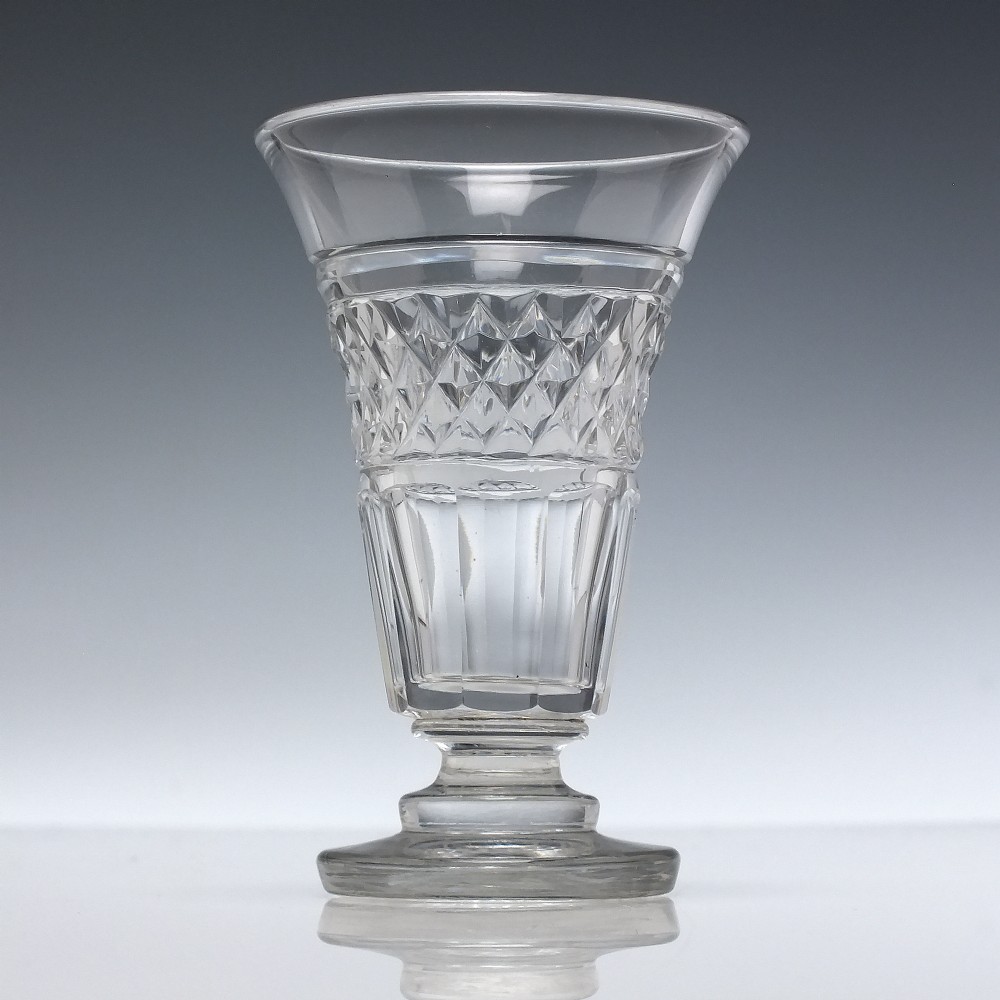
Archive II A pair of 19th-century clear cut glass jelly glasses featuring diamond cutting and fluted stems. View II
Archive III A pair of 19th-century clear cut glass jelly glasses featuring diamond cutting and fluted stems. View III
Archive IV A pair of 19th-century clear cut glass jelly glasses featuring diamond cutting and fluted stems. View IV
FURTHER BROWSING

Visitors also looked at these ⇣

Enlarged Archival View
Telephone 01501 228 282
Location
Glasgow
Scotland
United Kingdom
Verified Since Mar 2019
Items For Sale 145
Items Sold 2,193
Exhibit Antiques
Exhibit Antiques
Verified Since Mar 2019
View Dealer Info
Location: Glasgow, Scotland, United Kingdom
Verified
Mar 2019
For Sale
145
Sold
2,193
A pair of 19th-century clear cut glass jelly glasses featuring diamond cutting and fluted stems.
Pair 19th Century Cut Jelly Glasses c1840
Ref: SA1032282
A pair of 19th-century clear cut glass jelly glasses featuring diamond cutting and fluted stems.
Detail View 1
Detail View 2
Detail View 3
Archival Detail
Every single antique dealer on our platform is individually approved by our internal team. We verify their professional trade history, ethical standards, and photographic quality to ensure a secure, high-standard buying environment. Upon joining, every dealer agrees to a strict 9-point code of conduct. While issues can occasionally arise, our dealers typically resolve them swiftly and directly with the buyer. In fact, since our founding in 2002, Sellingantiques has only had to step in to help resolve an issue on roughly five occasions—a true testament to the quality of our dealers and their dedication to your happiness.
Our dealers are highly experienced in packing and shipping fragile, high-value antiques. Because you are in direct contact with the dealer, you will be able to easily go through all available shipping and insurance options together to ensure your item arrives safely.
Antiques are the ultimate green purchase. By choosing historical pieces over newly manufactured goods, you completely eliminate the carbon footprint of modern mass production while preserving exceptional, timeless craftsmanship.
Written by Sellingantiques from the dealer’s photographs and listing
  • ObjectGlassware
  • Period19th century
  • StyleVictorian
  • MaterialLead glass
  • ColourClear
  • MotifsDiamond cut band, Fluted bowl, Stepped foot, Splayed rim
  • SizeH 10 cm (4 in) x W 6 cm (2 in)

Victorian jelly glasses became popular during the 19th century as dining habits shifted towards multi-course meals featuring elaborate dessert tables. They were specifically designed to serve syllabubs, jellies, and small trifles, reflecting the periods obsession with refined presentation.

These items were typically crafted from lead crystal or flint glass, which offered high clarity and weight. Artisans utilised hand-blowing techniques combined with wheel-cutting to create intricate geometric patterns, fluting, and panel cuts.

Authentic pieces often exhibit signs of age such as pontil marks on the base, minor surface wear, and subtle irregularities inherent in hand-blown and hand-cut manufacturing. The weight and high refractive index of period lead glass are also key indicators.

Antique glassware can be displayed on open shelving, utilized as small flower vases on a dining table, or arranged in glass-fronted cabinets to add historical texture and reflective light to modern spaces.

Antique glass should be washed by hand using lukewarm water and mild detergent. Avoid abrasive sponges, dishwasher cycles, and sudden temperature changes to prevent thermal shock and damage to the delicate cut surfaces.
items
Add keywords to the filter
Price
£100
£250000
Era
Period
Style
Material
Origin
Stock Location
Recently Added
Online Payments
Categories