


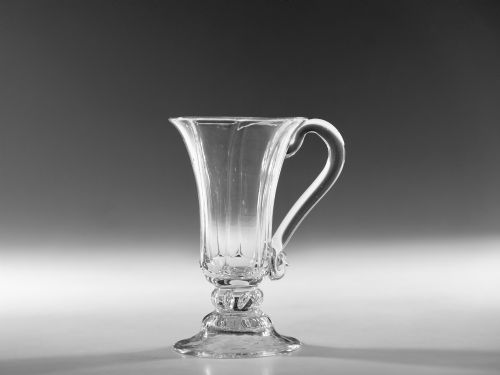



Antique Dessert Glasses
These antique dessert glasses span from 18th-century Georgian jelly vessels to Victorian finger bowls, offering refined table service.
Antique Dessert Glasses
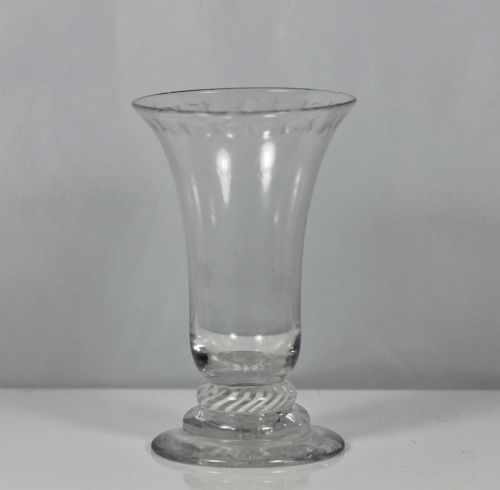
When you search for antique dessert glasses, you encounter a varied assortment of tableware designed for sweet courses at the end of a meal. The selection spans Georgian jelly and sweetmeat glasses alongside Victorian finger bowls, custard cups, and etched dessert wine glasses.
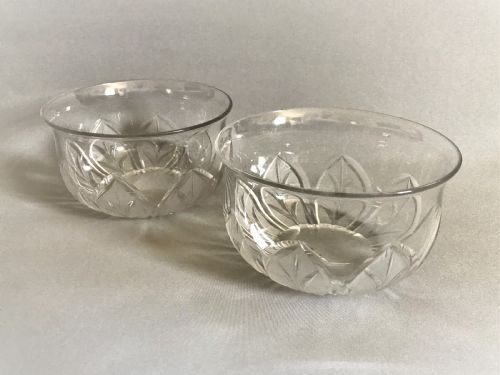
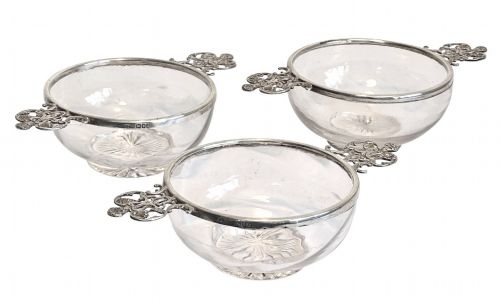
You are most likely to meet Victorian pieces on this page, particularly cut and frosted finger bowls, etched dessert wine glasses, and matching sets of glass custard cups. Pieces range from single 18th-century baluster sweetmeat glasses to larger suites and silver-mounted glass bowls.
The forms encompass deep bowls, stemmed tazzas, ice plates, and handled jelly glasses originating from English, French, and Austrian makers. These items reflect formal dining traditions where individual courses required specialised glassware for jellies, creams, and wines.
How they were made
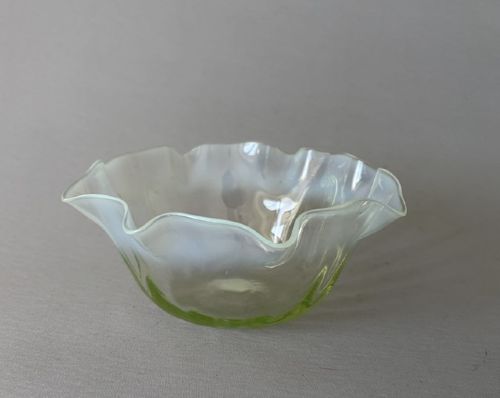
Makers utilised clear glass, lead glass, flint glass, and coloured variants including vaseline, uranium, cranberry, red, and yellow over crystal. Techniques involve free blowing, panel moulding, and cutting to shape the heavy material.
Surface decoration relies on engraving, frosting, and acid etching with motifs such as fruiting vines and Greek key patterns. Selected items incorporate sterling silver or silver plate mounts, pierced spoons, and enamel details.
Antique Dessert Glasses Retail Price Guide 2026
Typical asking prices for dessert glasses among the pieces listed under this phrase on Sellingantiques today, from the lower quarter to the upper quarter. They describe what is for sale here now, not the wider market.
Some Victorian bowls come equipped with pierced silver spoons, ensuring nobody chases runaway dessert fruits around the table.
What varies in quality
Quality rests upon the crispness of the cutting, the depth and precision of the engraving, and the purity of the metal. Early 18th-century pieces often display the weight and tactile feel characteristic of heavy baluster and opaque twist production.
Matching sets command attention through uniform colour, consistent dimensions across multiple items, and the presence of original accompaniments like silver-mounted glass bowls or paired plates.
William Comyns·Whitefriars·Viners
The Antique Dessert Glasses Glossary
- Finger bowl
- A small bowl filled with water, placed on the table during dessert for rinsing fingers between courses.
- Sweetmeat glass
- A tall-stemmed glass vessel intended for serving small sweet confections, nuts, or preserved fruits.
- Tazza
- An elevated shallow bowl or plate supported on a central foot or pedestal, used for displaying fruit or sweet dishes.
- Custard cup
- A small vessel designed specifically for holding individual portions of creamy custards during dessert service.
- Jelly glass
- A small glass container shaped to hold moulded jellies, frequently featuring panel moulding or handles.
Antique Dessert Glasses: Frequently Asked Questions
How were dessert glasses used?
These glasses served specific courses at the end of formal meals, holding jellies, custards, sweetmeats, or dessert wines.
Finger bowls sat at individual places for rinsing fingers, while larger tazzas and ice plates presented fruit and chilled confections.
How do I care for antique glass?
Wash pieces by hand in warm water using a mild detergent, avoiding sudden temperature changes that can crack old glass.
Dry them carefully with a lint-free cloth and store them securely on stable shelving away from edge hazards.
What periods do these glasses cover?
The pieces span from the 18th century through the Victorian era up to the 1930s Art Deco period.
Early examples feature Georgian baluster and opaque twist forms, while later items include Victorian etched wine glasses and French Art Deco suites.
Are these glasses safe to use?
Most antique dessert glasses function well for serving cold foods and drinks during special gatherings.
Take care with uranium or vaseline glass pieces, and avoid serving acidic foods in older vessels for extended periods.