



Vintage Sweetmeat Glasses
These vintage sweetmeat glasses are small pedestal vessels and handled dishes made for sweet treats, prized for their decorative presence on any table.
Vintage Sweetmeat Glasses
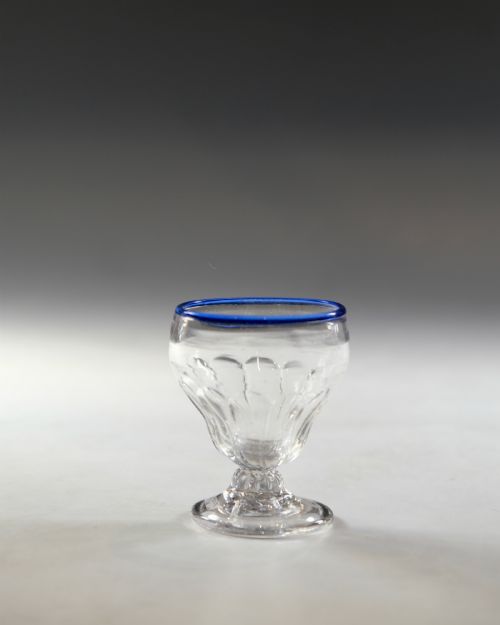
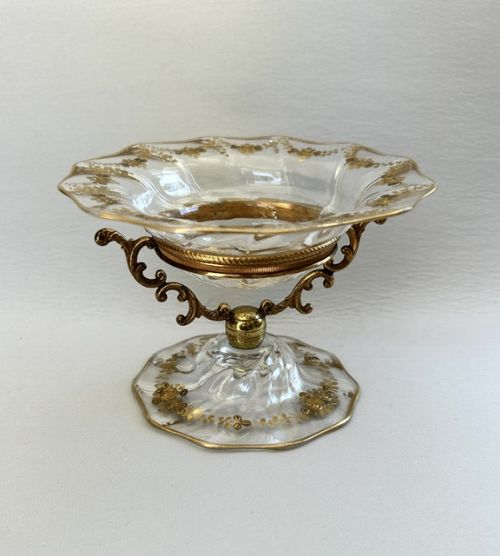
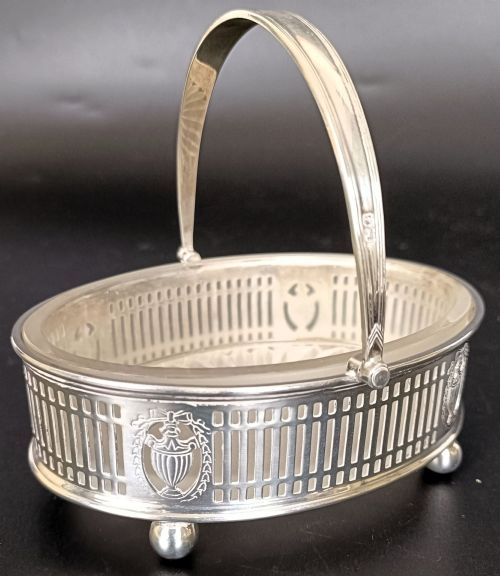
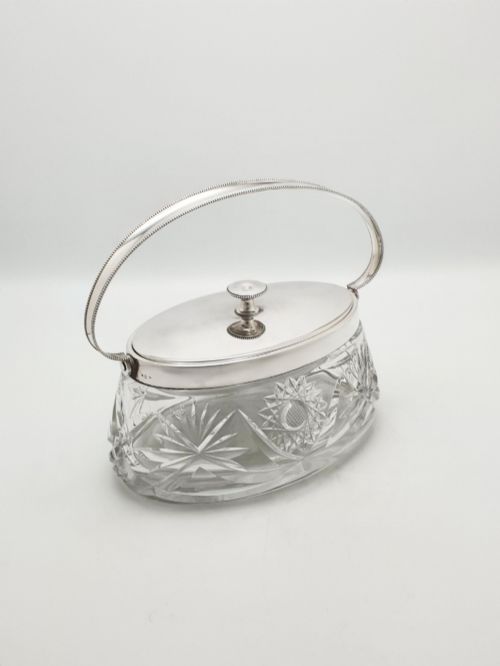
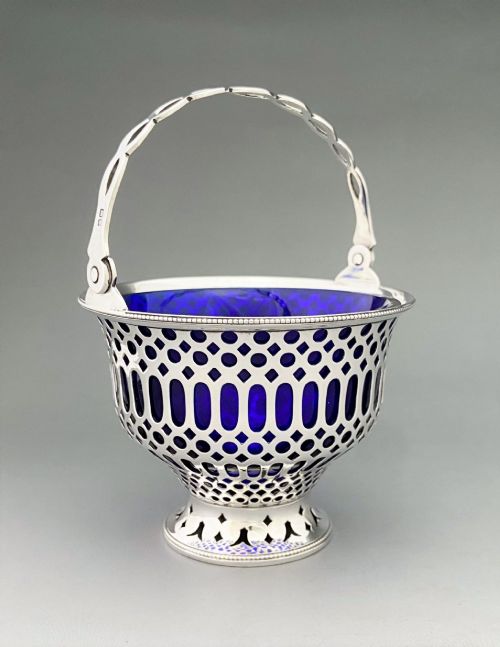
When you search for vintage sweetmeat glasses, you encounter a varied selection of antique glassware and small silver-mounted dishes designed for confectionery and sugar service. The examples seen on this page span several centuries, taking the form of bonnet glasses, tazzas, bon-bon dishes, and lidded jars.
The earlier end of the selection brings forth eighteenth-century English forms such as pedestal glasses and blue-rimmed sugar bowls. Moving into the nineteenth and early twentieth centuries, the offerings expand to include Victorian cut glass, Edwardian cobalt pieces encased in silver, and French gilded ormolu stands.
How they were made
The glass elements rely upon traditional methods of blowing, cutting, and moulding, utilising lead crystal, opaque glass, and vibrant colours such as cobalt and cranberry. Molten metal was shaped by hand, then cooled, polished, and occasionally decorated with delicate latticinio canes or grapevine motifs.
Metal mounts and stands incorporate sterling silver, silver plating, and ormolu, often featuring pierced work, swing handles, and intricate gilding. These metal components were cast and soldered separately before being fitted securely around the glass vessels.
Vintage Sweetmeat Glasses Retail Price Guide 2026
Typical asking prices for vintage sweetmeat glasses among the pieces listed under this phrase on Sellingantiques today, from the lower quarter to the upper quarter. They describe what is for sale here now, not the wider market.
Sweetmeats were once thought to aid digestion after heavy feasts, making these decorative glasses the ultimate post-dinner indulgence.
What varies in quality
Quality reveals itself in the crispness of the glass cutting and the weight of the material, where heavier lead crystal and precise faceting distinguish finer pieces from simpler moulded wares. The clarity of the glass and the richness of coloured tints also play a significant role in determining the standard of a piece.
The finesse of the metalwork further separates the range, with hand-pierced silver baskets and finely chased ormolu mounts representing superior craftsmanship compared to basic plated fittings. Attention to detail in the assembly, such as the snug fit of a silver collar around a glass bowl, indicates a higher grade of manufacture.
Baccarat·Lalique·WMF·Verlys
The Vintage Sweetmeat Glasses Glossary
- Bonnet glass
- A small pedestal sweetmeat glass with a shallow bowl, named for its supposed resemblance to a ladies' bonnet of the eighteenth century. These pieces typically stand on a folded foot.
- Tazza
- A low pedestal dish or shallow bowl used for serving sweetmeats and small fruits. The form sits upon a central foot and appears in both glass and gilded metal.
- Latticinio
- A decorative glass technique utilising opaque white or coloured glass threads embedded within clear metal to form delicate network patterns. This method adds visual texture to bowls and covers.
- Ormolu
- Gilded bronze or brass used widely in French decorative metalwork during the nineteenth and early twentieth centuries. It provides a rich golden frame for glass dishes and stands.
- Sugar bowl
- A small open or covered vessel designed for holding sugar, frequently produced in coloured glass, cut crystal, or silver during the eighteenth and nineteenth centuries.
Vintage Sweetmeat Glasses: Frequently Asked Questions
What were sweetmeat glasses used for?
These vessels held small sweet confections, preserved fruits, nuts, and dry sweetmeats served at the end of a meal or during formal gatherings.
Guests would help themselves to the contents from low bowls, pedestal glasses, or handled baskets placed centrally on the table.
How do I date an antique sweetmeat glass?
Dating relies upon examining the manufacturing technique, the form of the foot, and the characteristics of the glass metal itself, such as lead content and colour. Eighteenth-century examples often feature pontil marks and thicker pedestals, while later Victorian and Edwardian pieces show machine-pressed patterns or silver mounts with assay marks.
Stylistic cues like French rococo revival or Jugendstil metalwork also help place a piece within a specific era.
Are these glasses safe to use for food?
While historic glassware can technically hold food, many collectors prefer to use them strictly for display due to their age and delicate nature. Hand washing in lukewarm water without harsh detergents is essential if you choose to use them for entertaining.
Harsh temperature changes should be avoided entirely to protect the antique glass from cracking.
What is the difference between a tazza and a bonnet glass?
A bonnet glass typically has a smaller, rounder bowl on a slender stem and foot, originating mainly in the eighteenth century for specific sweet treats. A tazza presents a wider, flatter dish supported by a central pedestal, serving a similar function for fruits and confections.
Both forms elevate the sweetmeats above the tabletop to create an attractive display.