

Vintage Silver Spoon Set
A vintage silver spoon set brings practical elegance to the table, offering matched craftsmanship across periods from Georgian to Mid-Century Modern.
Vintage Silver Spoon Set
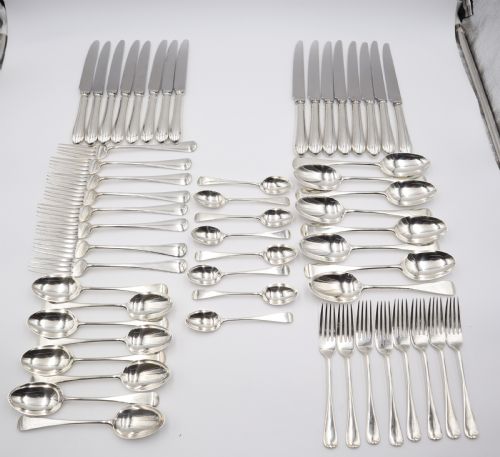
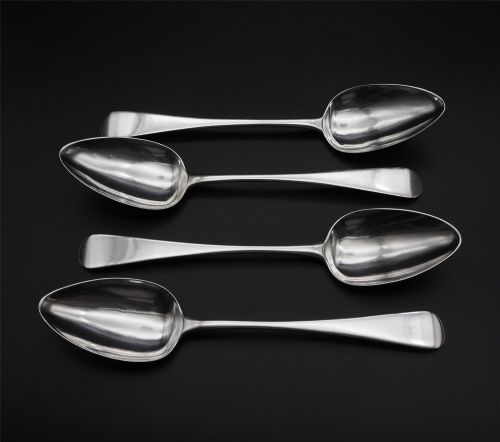
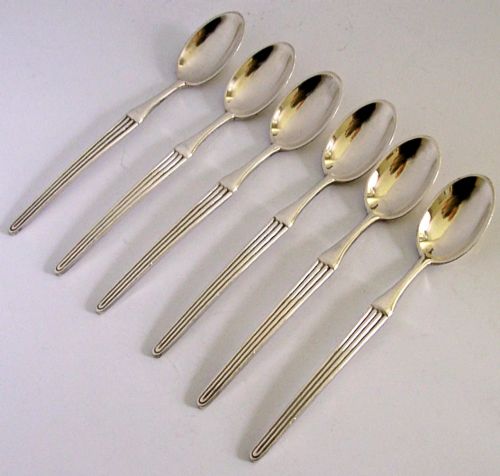
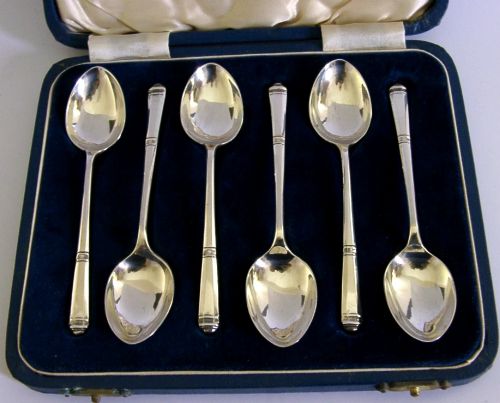
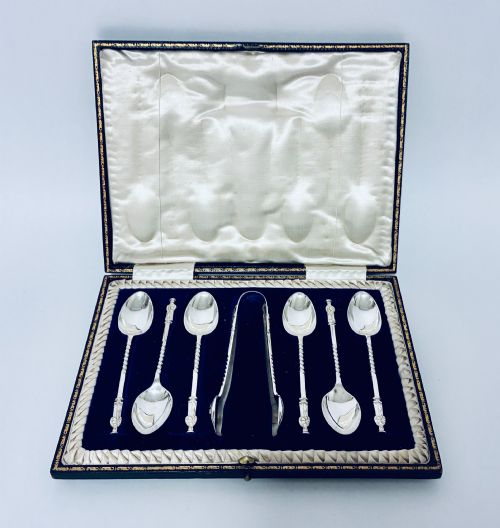
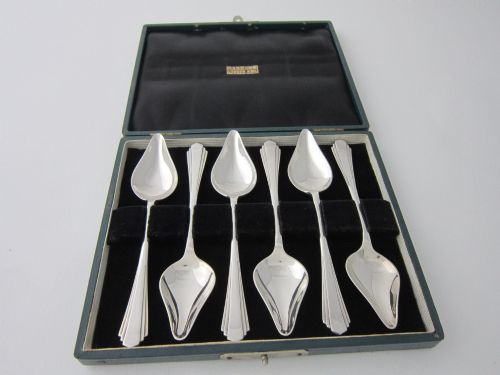
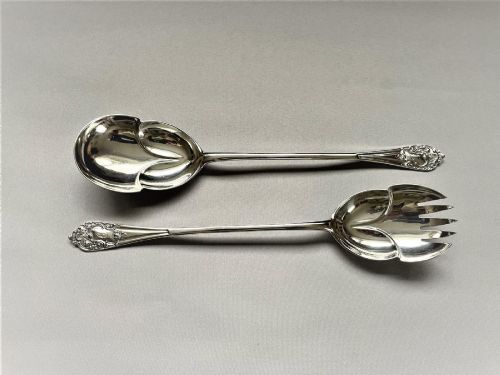
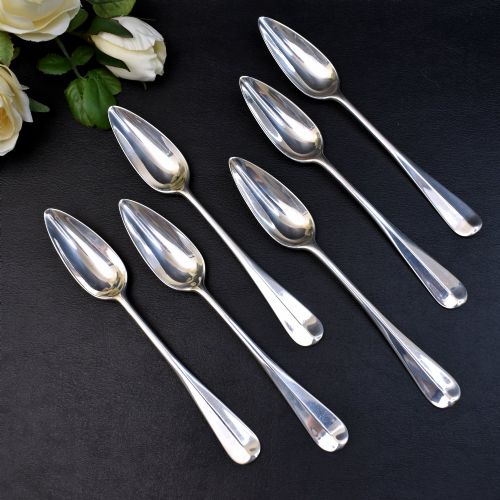
A vintage silver spoon set comprises curated collections of cutlery, teaspoons, serving pieces, and condiment utensils designed for dining and display. When searching for a vintage silver spoon set, buyers encounter diverse forms ranging from cased Art Deco tea spoons to Edwardian fruit sets and Georgian ladles.
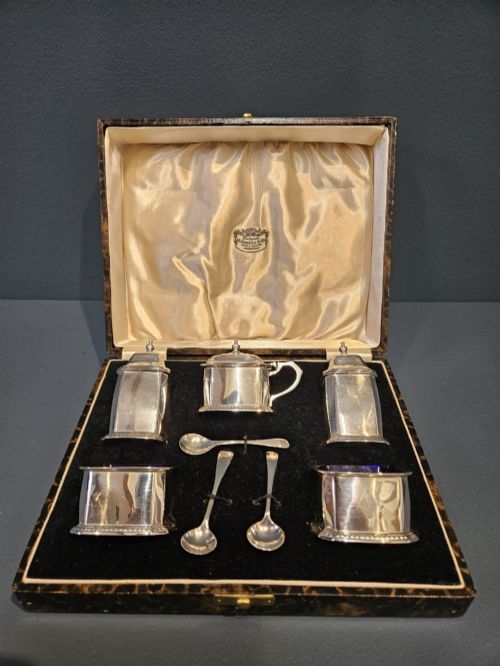
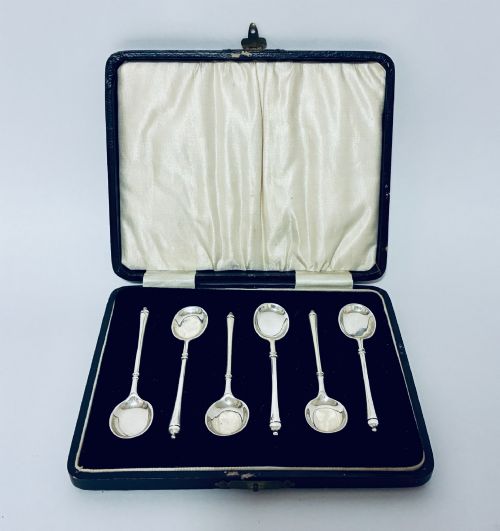
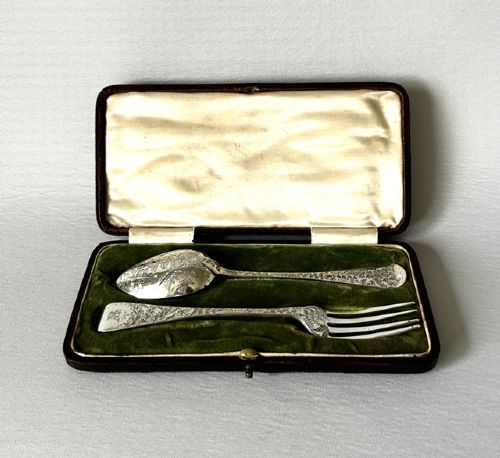
The selections span multiple eras, encompassing Victorian christening sets, Ottoman figural designs, and Dutch mid-century solid silver items. Most examples appear alongside fitted presentation boxes lined with velvet, silk, or leatherette, preserving the contents through decades of domestic use.
Makers and regional silversmiths shaped these sets across distinct stylistic movements, including Art Nouveau, Neo-Renaissance, and functional Mid-Century Modern. Buyers select these groupings for their historic utility, decorative engraving, and unified table service aesthetic.
Materials and construction
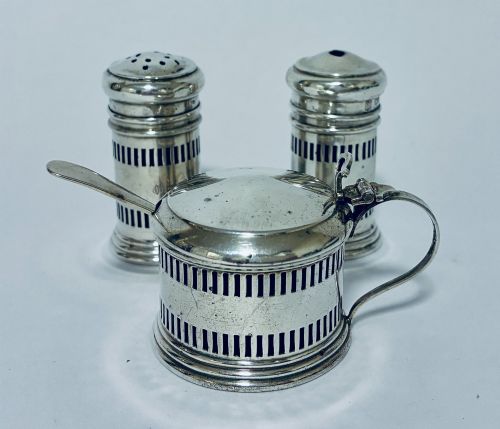
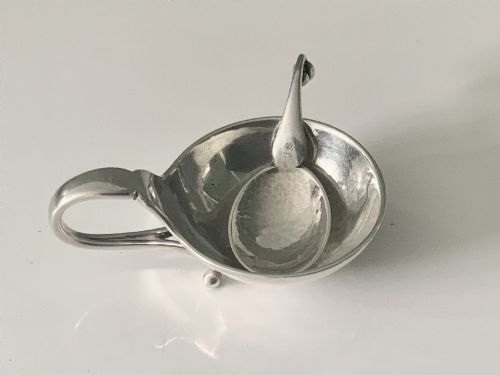
Silversmiths formed these utensils primarily from solid sterling silver or silver plate, utilising techniques such as casting, hammering, and rat-tail reinforcement. Many sets incorporate supplementary media like cut glass for condiment containers, coloured enamel for decorative highlights, and fitted wooden or metal travel casings.
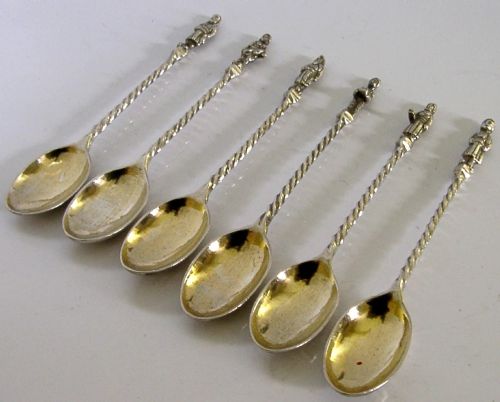
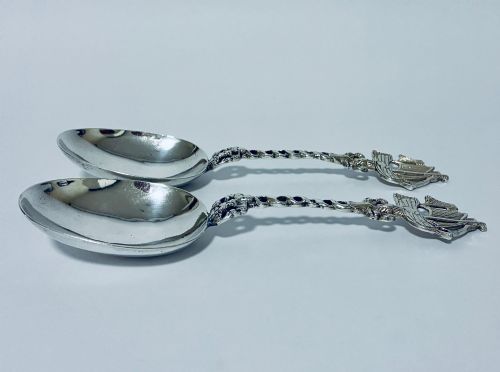
Surface ornamentation relied on hand engraving, figural casting, and structural piercing, particularly evident in Apostle spoons and berry ladles. Cased sets often integrated satin linings and protective leatherette exteriors to safeguard the precious metal finishes during storage.
Listings feature items spanning the Georgian, Victorian, Edwardian, and Art Deco periods, alongside mid-century solid silver productions.
Distinctions in quality
The standard of a set rests upon the weight of the metal, the crispness of the engraved or cast details, and the integrity of the original presentation case. Heavier gauge silver provides durability and tactile balance, distinguishing finer domestic sets from lighter production runs.
Completeness significantly influences a grouping, as sets retaining their matching tongs, original glass inserts, and fitted boxes demonstrate greater preservation. Maker marks, clear hallmarking, and uniform stylistic execution across every individual spoon separate standard utilitarian ware from distinguished silversmith output.
Georg Jensen·Hamilton & Inches·Goldsmiths & Silversmiths·Tiffany·Bricks & Sons
The Vintage Silver Spoon Set Glossary
- Sterling silver
- An alloy containing ninety-two point five percent silver by mass, with the remainder usually copper. This standard composition provides the durability required for functional cutlery sets.
- Cruet set
- A matched assemblage of small bottles, castors, or open vessels for holding condiments at the dining table, frequently accompanied by dedicated spoons.
- Rat tail
- A tapering ridge of metal on the back of a spoon bowl, running down from the handle junction to strengthen the joint.
- Apostle spoon
- A spoon featuring the figure of an apostle or saint cast upon the terminal of the handle, popular in historic commemorative sets.
- Silver plate
- A base metal substrate coated with a thin layer of silver through electroplating or older fusion methods.
Vintage Silver Spoon Set: Frequently Asked Questions
How do I clean vintage silver spoons?
Use a soft microfiber cloth and a mild silver cleaning paste formulated to preserve the original patina and fine engravings.
Avoid abrasive scrubbing pads and harsh chemical dips, which can strip away subtle details and damage applied enamel or glass elements.
Are these silver sets suitable for daily use?
Solid sterling silver and sturdy silver plate utensils withstand regular dining when washed by hand promptly after use.
Storing pieces back in their fitted velvet or silk-lined cases prevents surface scratching between meals.
How can I identify the age of my spoons?
Examine the reverse of the handle for hallmark stamps, which include maker marks, standard quality symbols, and date letters.
Reference guides correlate these official assay office hallmarks with specific decades spanning from the Georgian era to the mid-century period.
What is the difference between tea and coffee spoons?
Coffee spoons feature noticeably smaller bowls and shorter handles, scaled to fit demitasse cups rather than standard tea cups.
Both variants frequently appear within matched cased sets alongside sugar tongs and specialised fruit knives.