
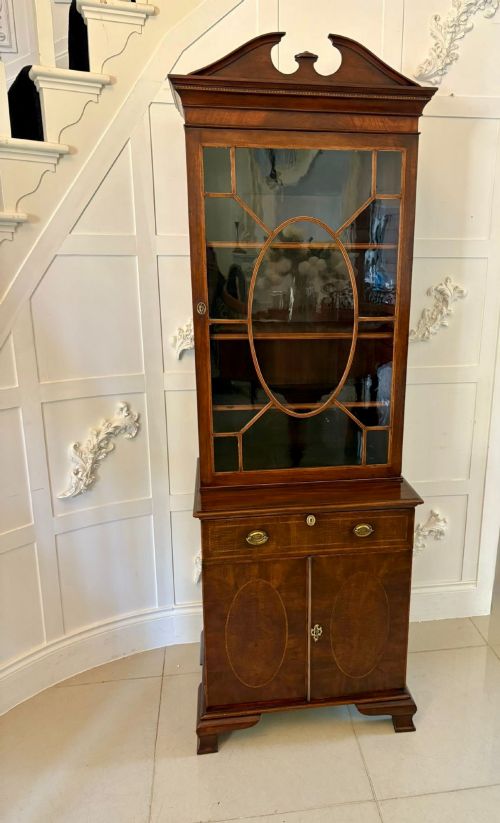
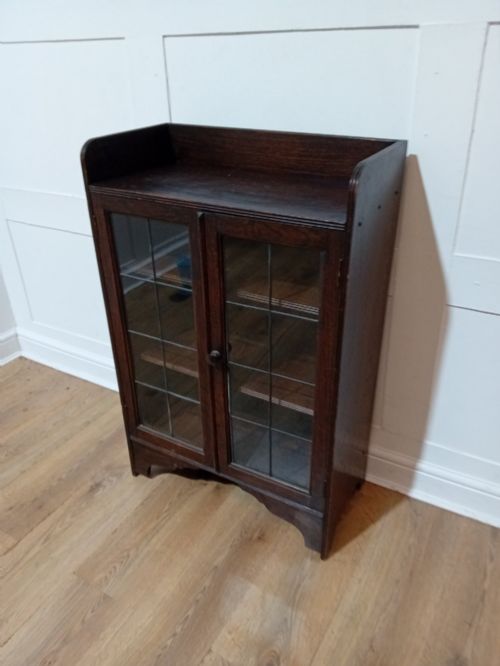

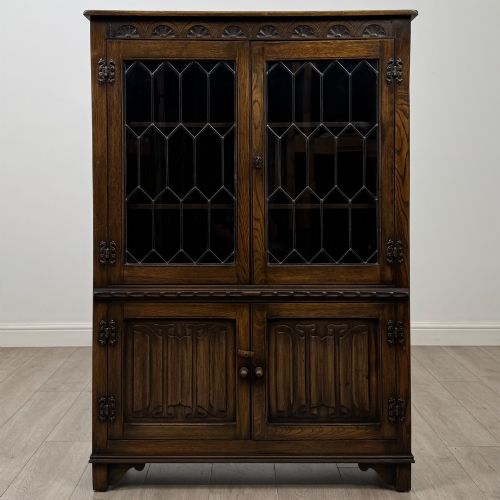
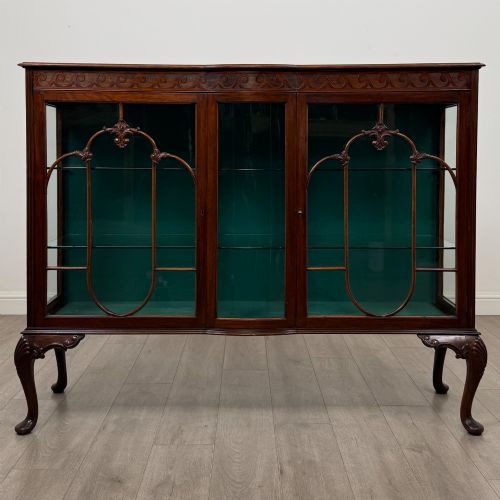
Vintage Glass Display Cupboard
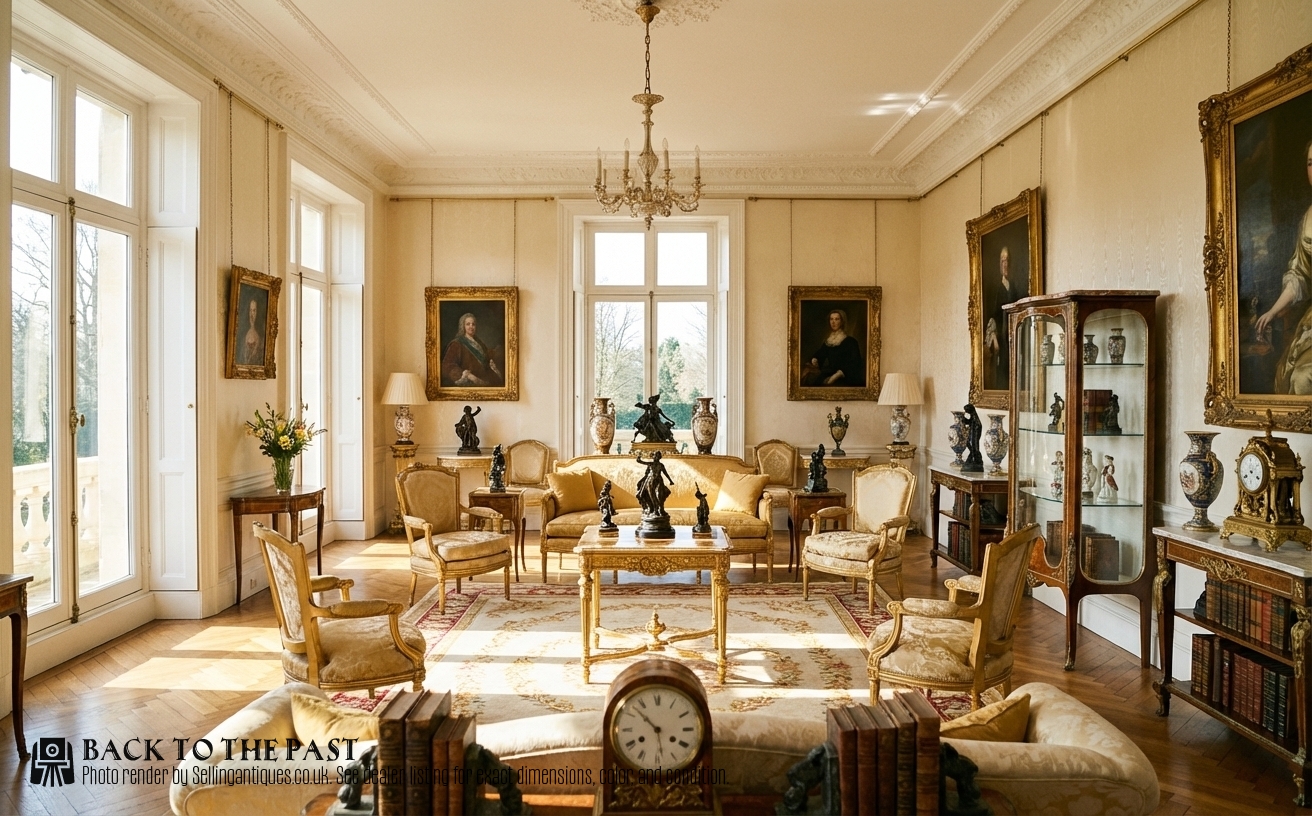
A vintage glass display cupboard brings light into a room, holding cherished objects behind glazed panels that protect them from dust.
Vintage Glass Display Cupboard
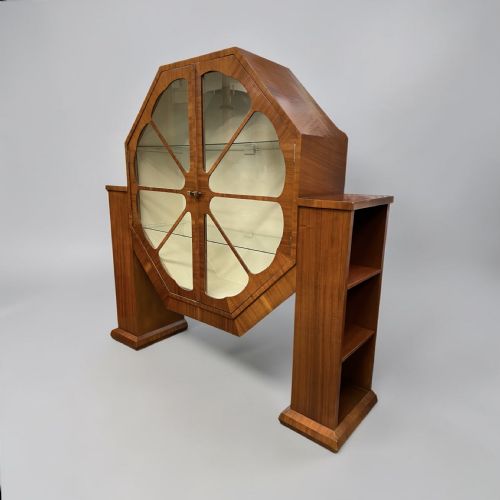
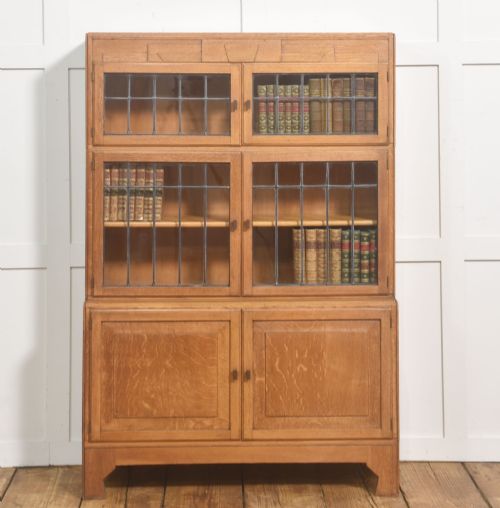
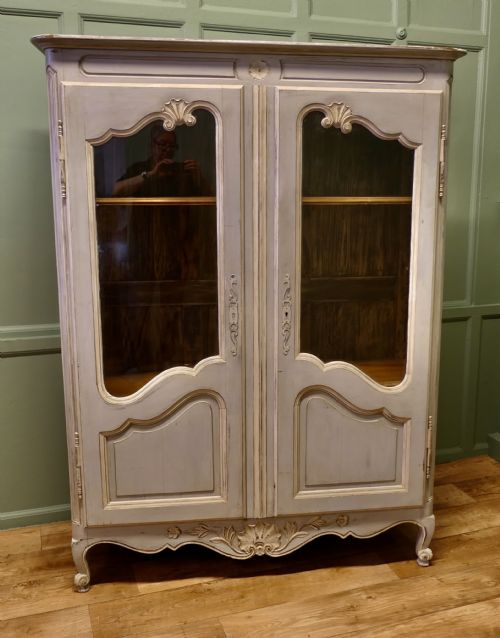
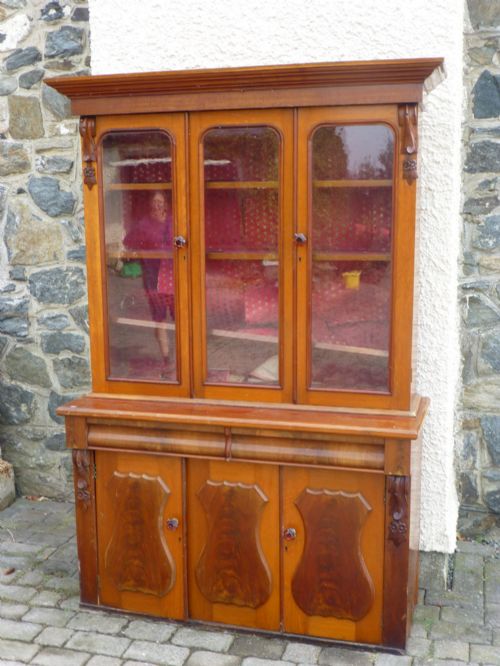
When searching for a vintage glass display cupboard, buyers encounter glazed cabinets, bookcases, and vitrines designed to showcase collections while keeping items secure. These pieces originate from various periods including the Victorian and Edwardian eras, alongside later Art Deco designs.
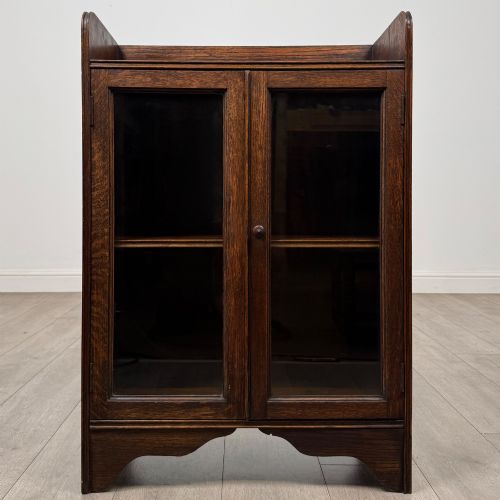
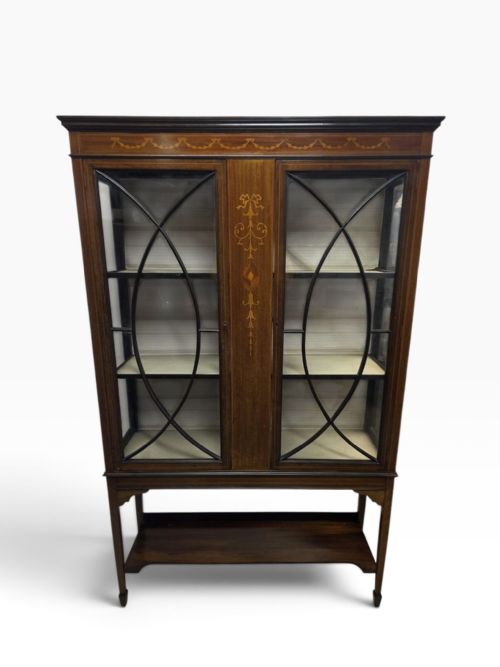
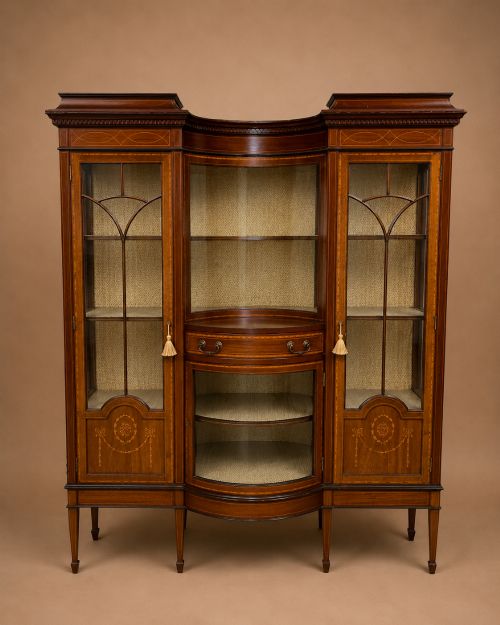
The most common examples on this page are Edwardian mahogany display cabinets, often featuring inlaid satinwood or mirror backs. Buyers also frequently find oak variations and walnut pieces from the early twentieth century.
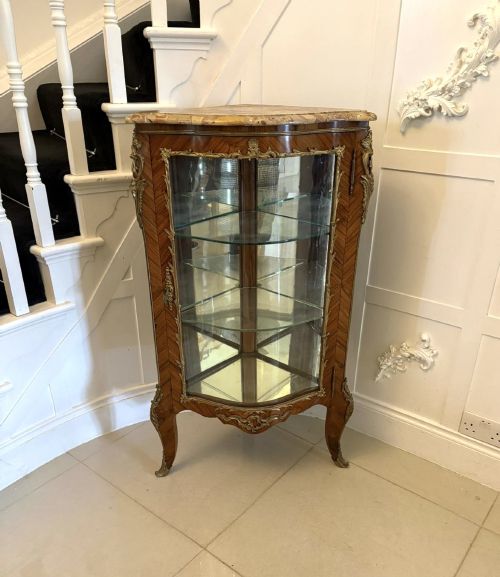
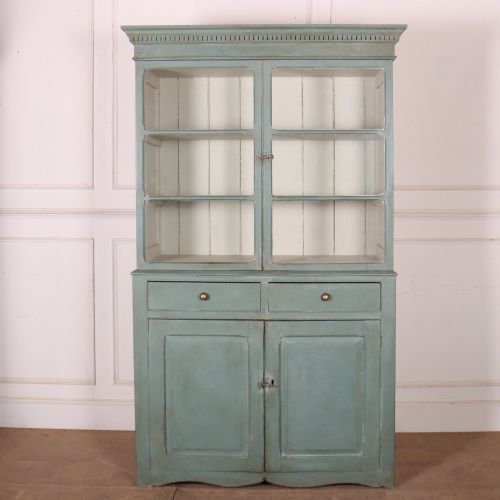
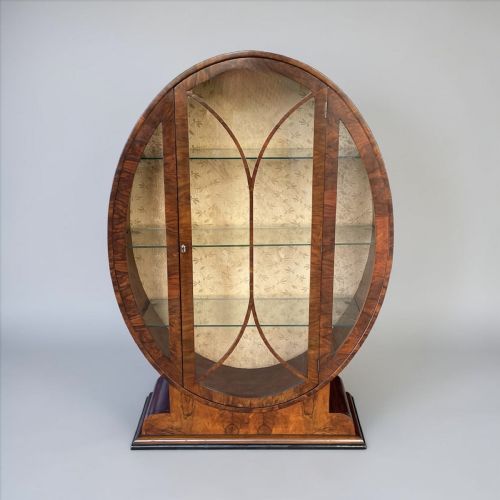
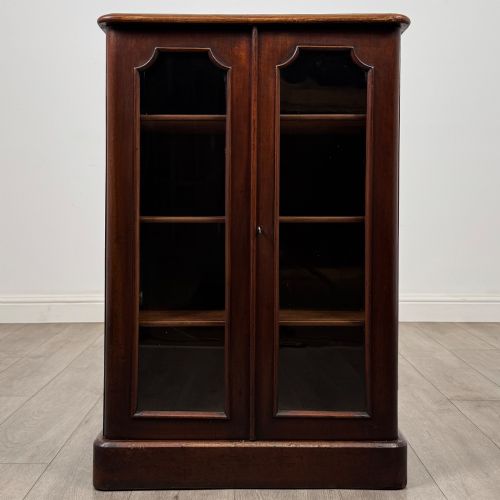
Forms range from tall bookcases and double-door cupboards down to small corner cabinets and oval shapes suited to tighter spaces. Many incorporate glass shelving or leaded glass details that catch the light from multiple angles.
Materials and construction
Cabinet makers utilised dense hardwoods such as mahogany, oak, and walnut, frequently applying figured veneers or marquetry inlay to enhance the primary surfaces. Satinwood details and brass hardware appear regularly across Edwardian and Victorian examples.
Glazing forms the central functional element, utilising clear glass panes supported by wooden framing, lead cames, or brass mounts. Fabric linings inside the display area provide a contrasting background for porcelain and glassware.
Structural integrity relies on traditional joinery techniques combined with fitted shelving and sturdy wooden backs. Ormolu mounts and marble tops emerge on French-influenced pieces from the nineteenth century.
Vintage Glass Display Cupboard Retail Price Guide 2026
Typical asking prices for vintage glass display cupboard among the pieces listed under this phrase on Sellingantiques today, from the lower quarter to the upper quarter. They describe what is for sale here now, not the wider market.
What separates the grades
The degree of refinement in timber selection and decorative inlay dictates the standing of a piece. Finer examples display carefully matched figured walnut or detailed floral marquetry rather than plain surfaces.
Proportion and cabinetwork sophistication separate standard storage furniture from high-end display pieces. Superior items integrate subtle architectural elements like serpentine fronts, carved mouldings, and quality brass or ormolu mounts.
Maple & Co
The Vintage Glass Display Cupboard Glossary
- Vitrine
- A glass-sided cabinet designed specifically for displaying fine objects and porcelain. These pieces often feature all-glass doors to maximise visibility from multiple angles.
- Marquetry
- Decorative woodwork where thin pieces of veneer are fitted together to form pictorial patterns. This technique appears frequently on Edwardian cabinet doors and friezes.
- Leaded glass
- Glass panes held together by lead cames, common in Art Deco and Arts and Crafts pieces. This method creates geometric or stylistic patterns across the cupboard door.
- Serpentine
- A gently curving front shape that undulates outward in the centre and inward at the sides. It demands high skill from the cabinet maker.
- Ormolu
- Gilded bronze mounts applied to furniture for decorative effect. They appear mainly on nineteenth-century pieces influenced by French design.
Vintage Glass Display Cupboard: Frequently Asked Questions
How do I date a glass display cupboard?
Dating relies on combining timber types, hardware, and stylistic details. Edwardian pieces often show light mahogany with satinwood inlay, while Art Deco examples favour geometric oak or walnut.
Construction methods inside the cabinet also provide clues, as machine-cut elements indicate later nineteenth or twentieth-century manufacture.
Can these cupboards hold heavy books?
Many glazed cabinets double as bookcases, particularly sturdy oak and mahogany versions from the Victorian and Edwardian periods. Fixed wooden shelves generally bear more weight than adjustable glass tiers.
Buyers should assess the thickness of the shelving and the strength of the interior supports before loading heavy volumes.
Where should I place a corner cabinet?
Corner cabinets make efficient use of unused room angles, turning dead space into a focal point. They work effectively in dining rooms or living areas where floor space is limited.
Ensure the adjacent walls accommodate the door swing without obstruction.
How do I clean the interior fabric?
Many vintage display cupboards feature fabric-lined interiors that require gentle vacuuming with a soft brush attachment. Avoid liquid cleaners which can stain aged backing materials.
Test any cleaning method on a hidden area first to prevent damage.