

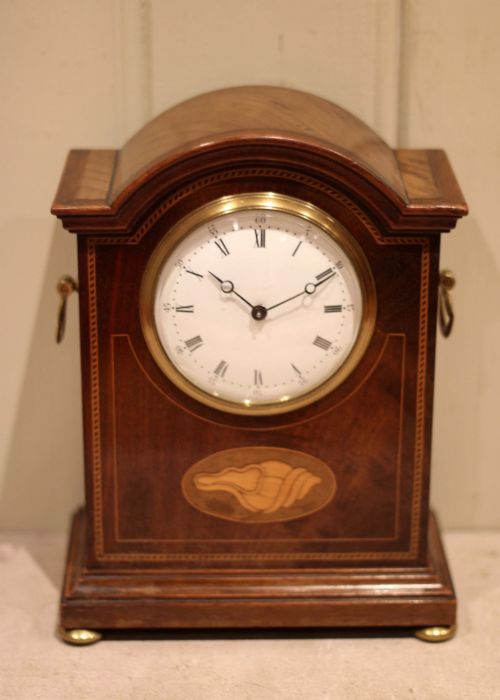
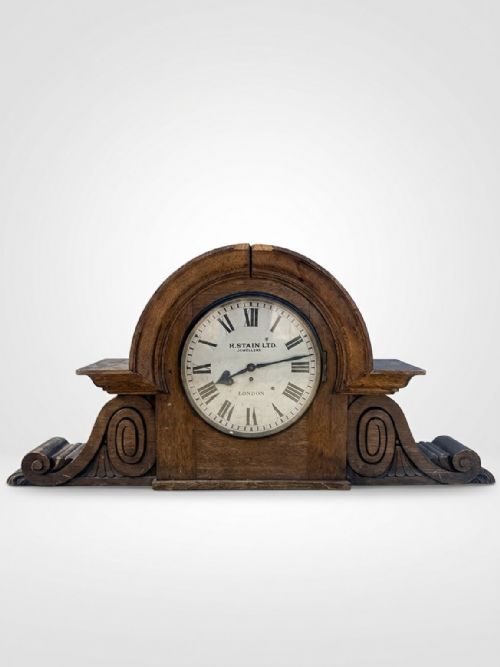
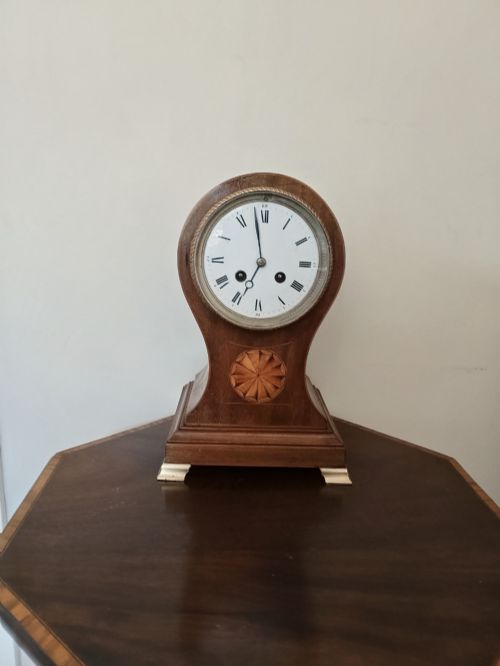
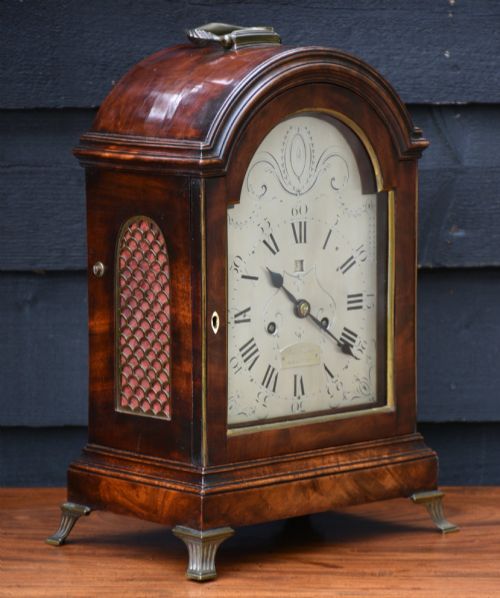
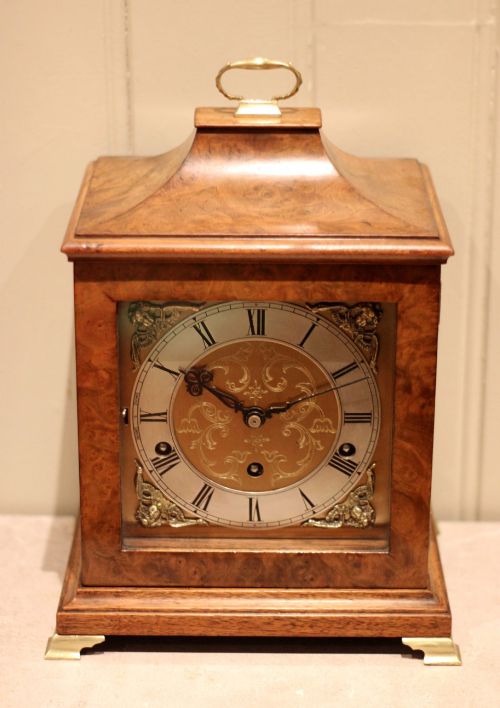
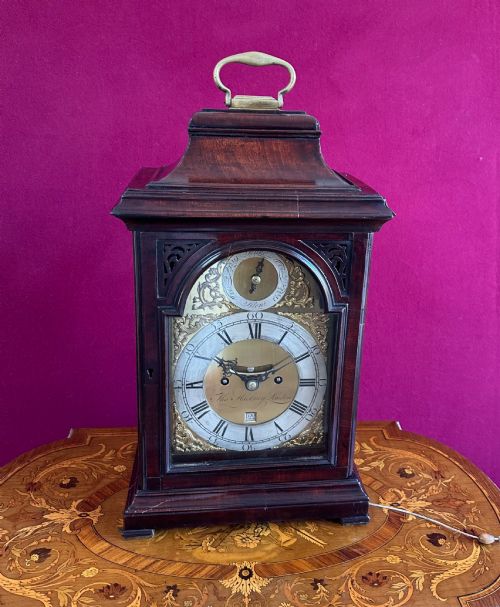

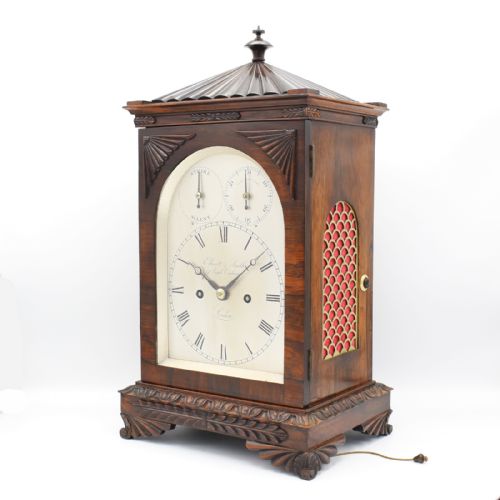
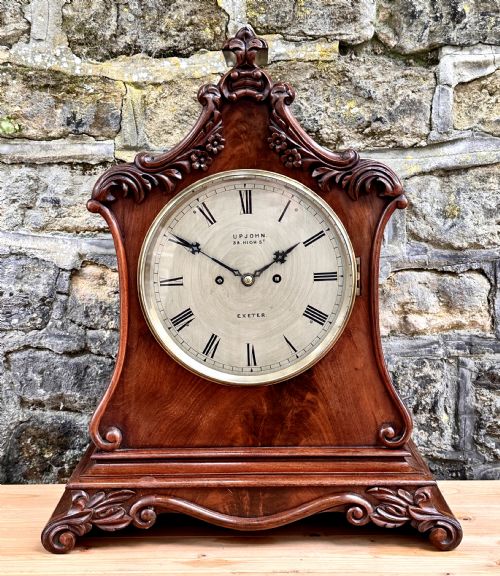
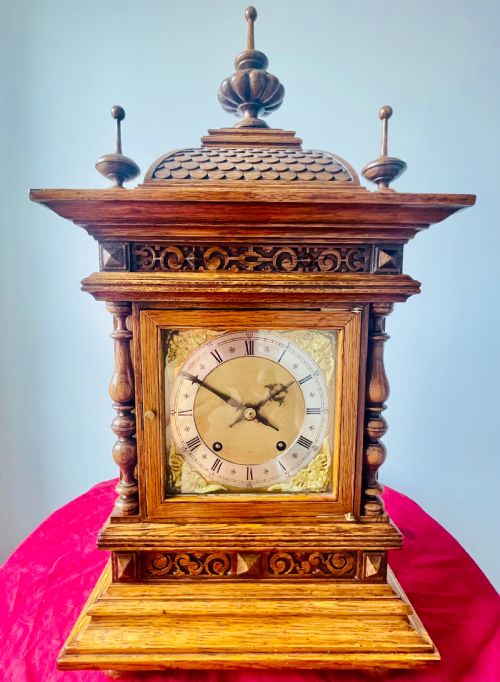
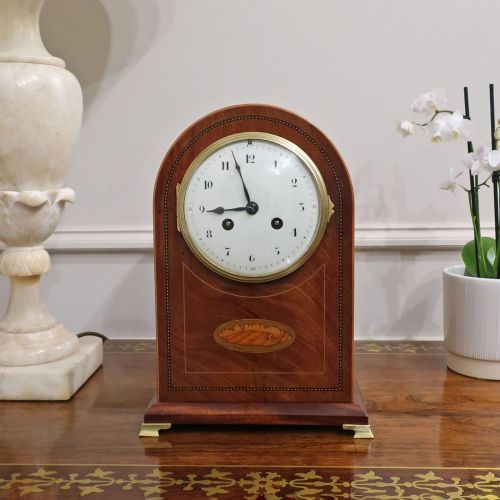
Traditional Wooden Table Clock
A traditional wooden table clock brings mechanical precision and rich timber warmth to a mantel, shelf, or desk.
Traditional Wooden Table Clock
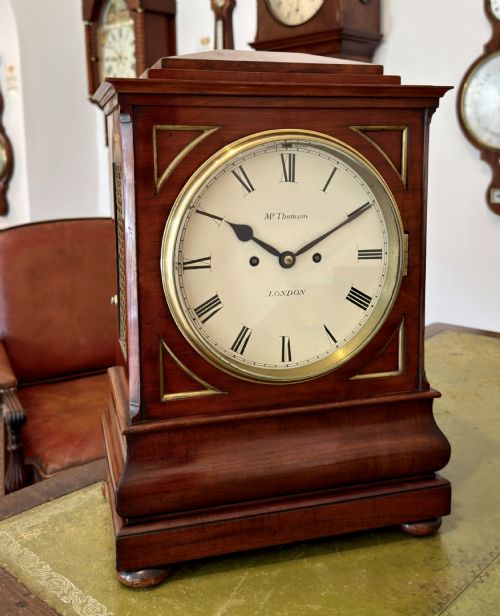
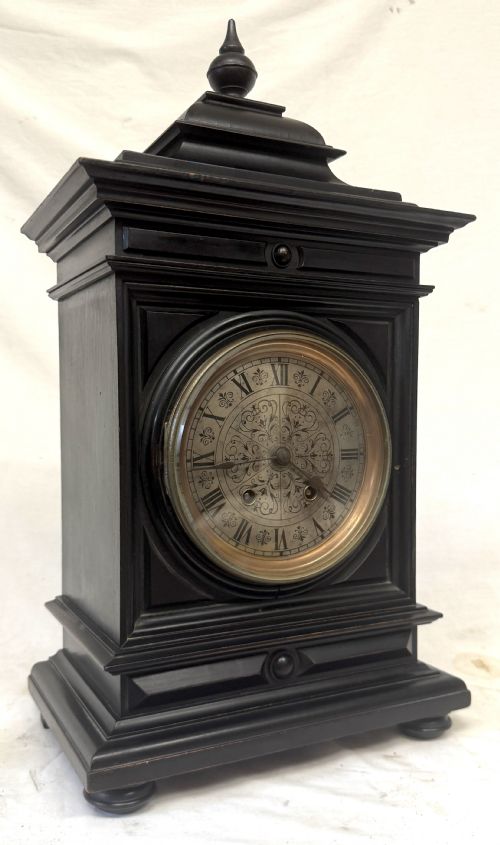
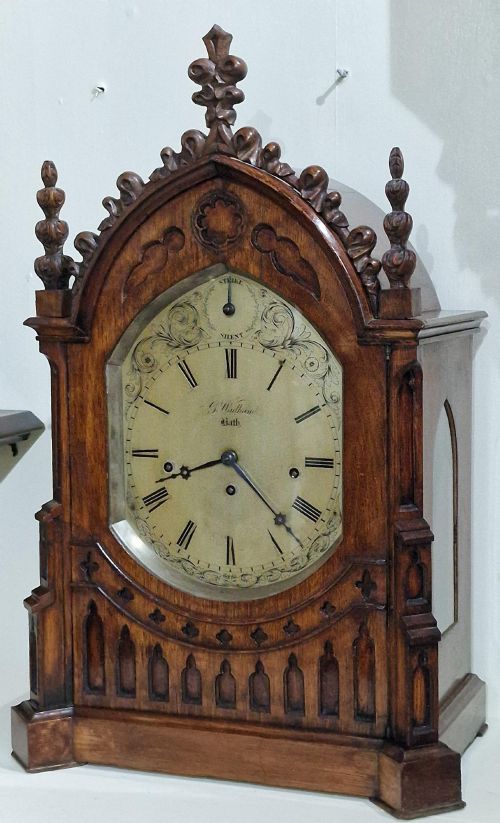
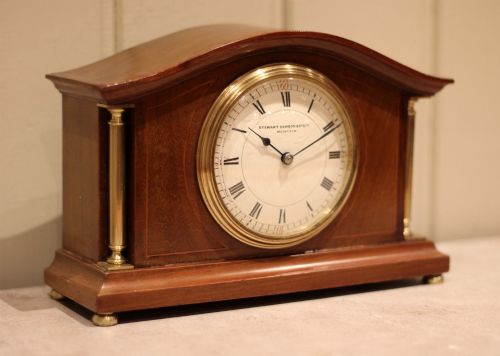
A traditional wooden table clock comprises timepieces, mantel clocks, and bracket clocks housed in timber cases dating from the Georgian, Victorian, and Edwardian eras. Buyers searching for a traditional wooden table clock encounter mahogany, oak, and walnut enclosures ranging from plain Georgian designs to inlaid Edwardian specimens.
Most examples function as shelf or bracket clocks, often featuring mechanical movements driven by springs, fusees, or pendulums. The selections span simple timepieces to striking models with bells or chimes.
Origins include English workshops by makers such as Thomson and Mappin & Webb, alongside continental German and French productions. The predominant forms utilise dark hardwoods and brass dial details.
How they were made
Cabinetmakers constructed these clock cases primarily from solid and veneered timbers including mahogany, walnut, oak, and satinwood, occasionally employing ebonised wood for contrast. Brass components such as bezels, carrying handles, feet, and dial plates provide structural and decorative accents.
Movements rely on traditional brass gear trains, verge escapements, and fusee mechanisms or striking cylinder systems. Dials feature silvered brass, enamel, or engraved metal plates protected by glazed doors.
Listings feature wooden table clocks from Victorian, Edwardian, and Georgian periods, utilising mahogany, walnut, and oak.
What varies in quality
The sophistication of the internal movement dictates the standard of the piece, moving from simple single-fusee or timepiece mechanisms up to complex triple-fusee striking systems with bells. Maker attribution also separates standard commercial output from workshop pieces bearing signatures from respected London or provincial clockmakers.
Cabinetwork execution defines the exterior grade, observed through the choice of figured timber, delicate stringing or marquetry inlay, and cast brass mountings. Intricacy in dial engraving and the preservation of original components further distinguish superior examples.
Thomson of London·German H.A.C.·Lenzkirch·George Wadham Bath·Mappin & Webb·Ellicott & Smith·Winterhalder·L Vick of Stroud·Webster Cornhill London·Thomas Moss·Turner of London·Cording of London·W Burton
The Traditional Wooden Table Clock Glossary
- Bracket clock
- A portable mechanical clock traditionally designed to sit on a wall bracket or a table surface.
- Fusee
- A conical pulley connected to the mainspring by a chain or cord that equalises the driving force as the spring unwinds.
- Verge escapement
- An early type of mechanical escapement employing a crown wheel and a swinging rod with pallets.
- Silvered dial
- A brass clock face treated with a silver solution to create a matte metallic finish beneath the numerals.
- Quarterly striking
- A movement mechanism that chimes the quarters of the hour on bells or gongs.
Traditional Wooden Table Clock: Frequently Asked Questions
How do I wind a mechanical table clock?
Use the appropriate winding key to turn the arbours located on the dial face until firm resistance is felt. Care must be taken not to overwind the mainspring.
Ensure you follow the specific instructions for fusee or spring-driven movements to avoid placing undue strain on the internal gear train.
What is the difference between a timepiece and a striking clock?
A timepiece simply indicates the hours and minutes without producing any sound. It contains a basic movement focused entirely on timekeeping.
A striking clock includes additional mechanical gear trains and hammers that sound the hours or quarters on bells, gongs, or chimes.
Where should I place a wooden bracket clock?
Position the clock on a stable, level surface such as a mantelpiece, sideboard, or sturdy table away from direct sunlight and draughts. A level foundation is essential for the pendulum and escapement to function accurately.
Avoid placing wooden cases near radiators or heat sources that could cause the timber or veneer to dry out and split.
How do I identify the period of a wooden clock?
Examine the timber selection, case silhouette, and decorative motifs such as inlay or brass mounts. Georgian pieces often feature architectural mahogany cases, while Edwardian models frequently display lighter satinwood stringing.
Inspect the dial construction, signature style, and movement type for further clues regarding the manufacturing era.