


Marquetry Bracket Clock
A marquetry bracket clock combines precise horology with intricate inlaid wood, offering a functional centrepiece built to command attention.

Marquetry Bracket Clock
A marquetry bracket clock is a timekeeper designed to sit on a bracket or shelf, though many function equally well as mantel clocks. When you search for a marquetry bracket clock, you encounter pieces spanning the nineteenth century, the Edwardian era, and the Regency period.
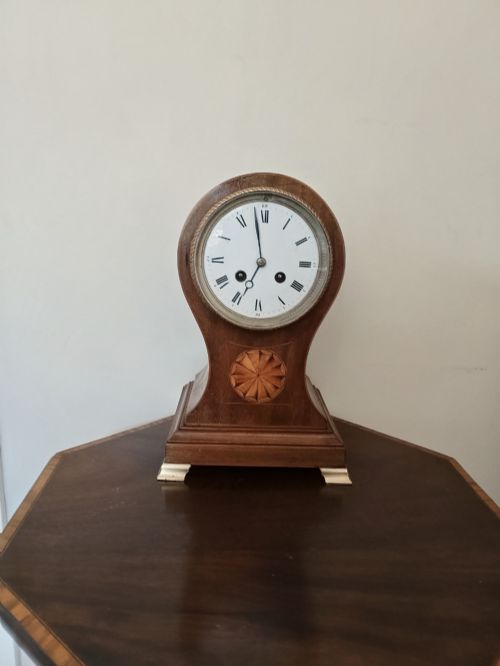
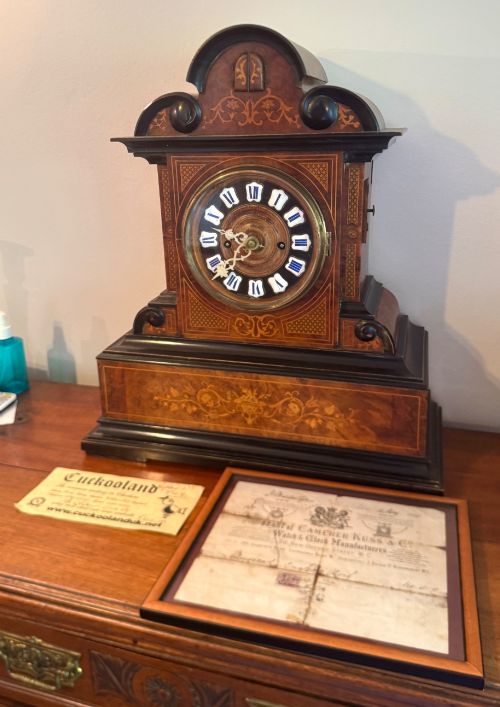
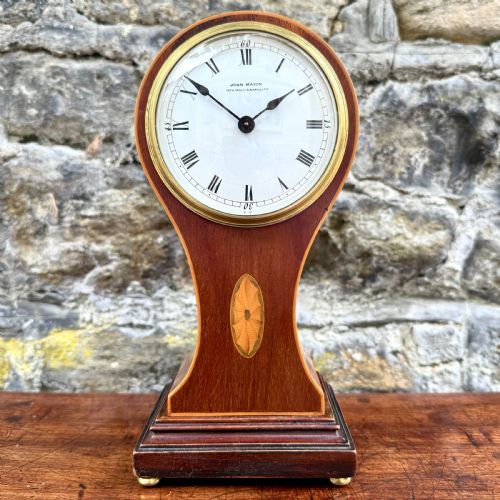
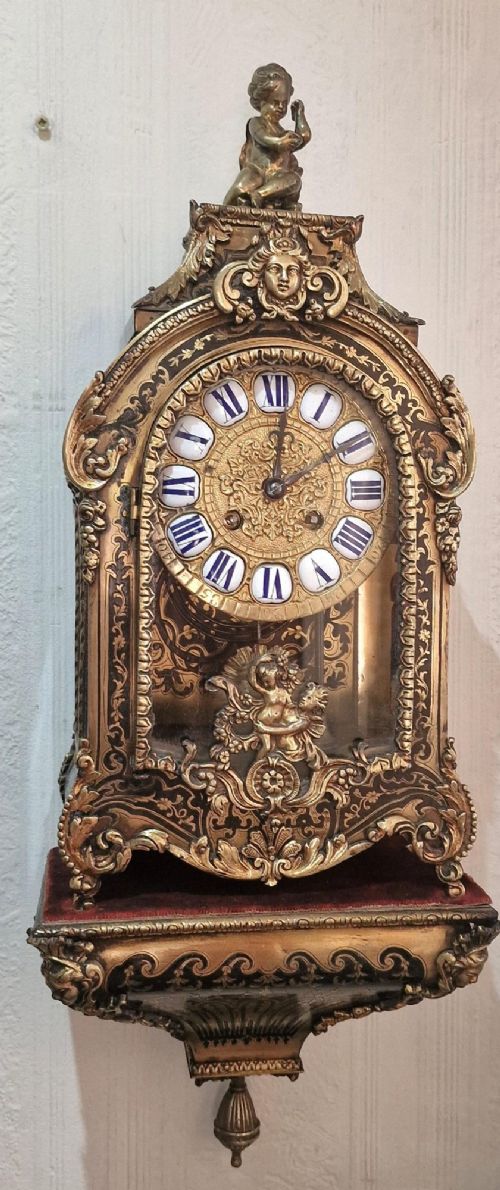
The specimens on this page encompass various formats including balloon cases, wall brackets, and traditional mantel designs. French workshops and English makers alike produced these timepieces, frequently drawing on Louis style revivals and Rococo influences.
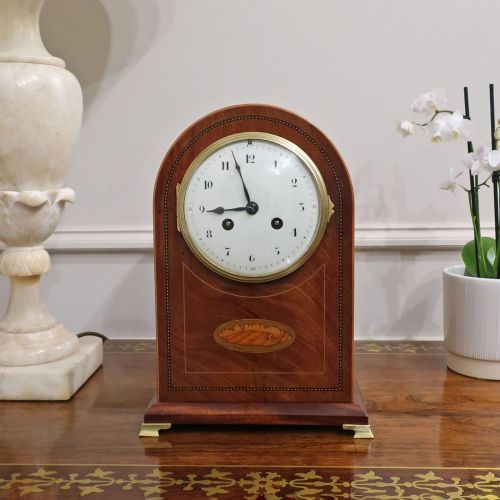
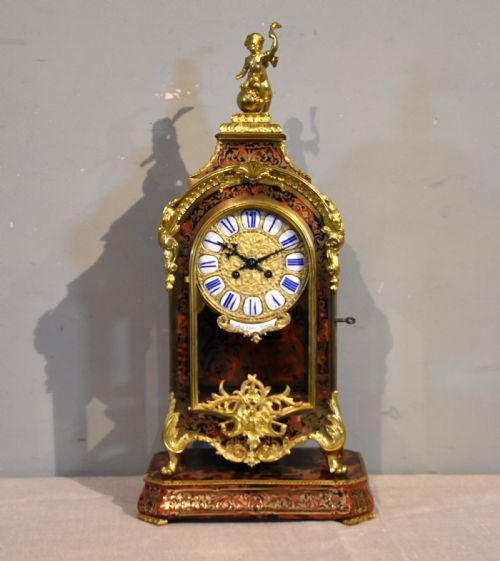
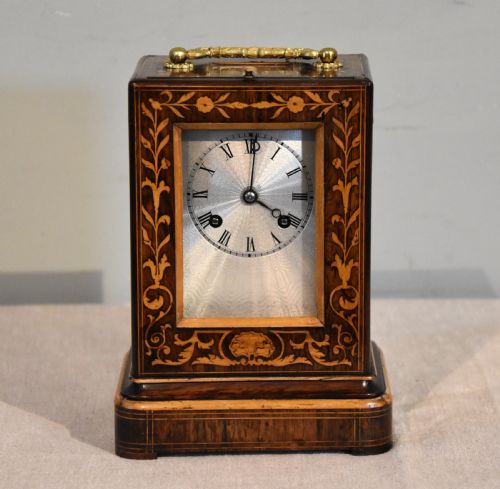
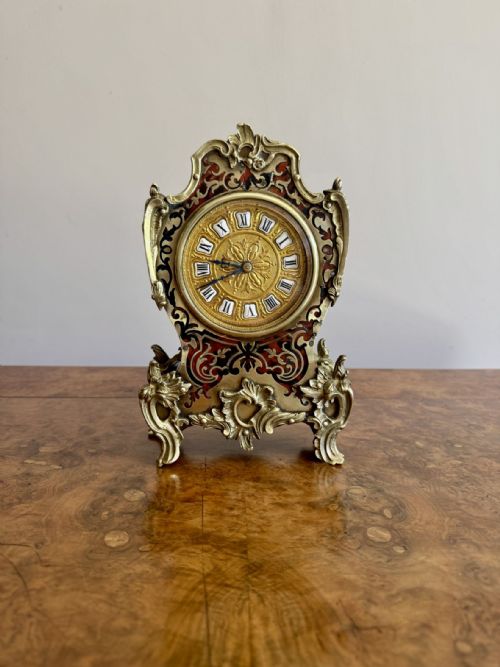
Mahogany, rosewood, and tortoiseshell form the primary bodies of these clocks, often enhanced by brass inlay or delicate floral marquetry. Edwardian examples often feature satinwood or poppy motifs, while earlier nineteenth-century models lean towards elaborate Boulle work.

Materials and construction
Cabinet makers utilised dense hardwoods such as mahogany, rosewood, and walnut as foundations for intricate surface decoration. Artisans then applied contrasting veneers of satinwood, tortoiseshell, and brass to create pictorial marquetry scenes or geometric patterns across the case.
Movements within these cases rely on brass gears, silvered dials, and enamel chapters, sometimes housing single fusee mechanisms or eight-day striking trains. Ormolu mounts and cast brass feet frequently frame the wooden and shell construction, adding structural definition and visual contrast.
Marquetry Bracket Clock Retail Price Guide 2026
Typical asking prices for marquetry bracket clock among the pieces listed under this phrase on Sellingantiques today, from the lower quarter to the upper quarter. They describe what is for sale here now, not the wider market.
Several Edwardian models swap traditional geometric marquetry for whimsical inlaid depictions of Dutch girls and flowering poppies.
Assessing quality and execution
Quality rests upon the precision of the veneer work and the integration of the brass or tortoiseshell inlay. Superior examples display tight, seamless joints in the marquetry and crisp casting in the accompanying ormolu mounts.
The sophistication of the internal movement further separates standard production from finer output. Signed movements by established makers like Henri Marc, Samuel Marti, or Thomas provide tangible evidence of superior horological pedigree.
HENRI MARC OF PARIS·Thomas A Paris·W. Burton·Samuel Marti·Paul Philip Barraud
The Marquetry Bracket Clock Glossary
- Marquetry
- Decorative veneer applied to a wooden structure in patterns or pictorial designs. Craftsmen cut contrasting woods, shell, or metal together to achieve tight, flush fits.
- Boulle
- A style of marquetry utilising tortoiseshell and brass inlay, developed extensively in France. Named after the royal cabinetmaker André-Charles Boulle.
- Fusee
- A conical pulley used in spring-driven clocks to maintain equal power as the mainspring unwinds. This mechanism ensures more accurate timekeeping throughout the running cycle.
- Ormolu
- Gilded bronze used for decorative mounts, feet, and bezels on clock cases. The technique involves applying a mercury and gold amalgam to bronze.
- Balloon clock
- A mantel clock featuring a rounded, dome-shaped case resembling a hot air balloon. This silhouette proved particularly popular during the Edwardian period in mahogany.
Marquetry Bracket Clock: Frequently Asked Questions
Where should I place a bracket clock?
These timepieces suit sturdy mantelpieces, dedicated wall brackets, or heavy wooden sideboards where their weight and presence find proper support. Ensure the surface remains level to maintain the correct beat of the pendulum.
Keep the clock away from direct sunlight, radiators, and damp walls to protect the delicate wood veneers, tortoiseshell, and brass inlay from warping or lifting over time.
How do I wind an antique clock?
Use the appropriate winding key matching the square arbors on the dial face, turning gently until you feel firm resistance. Avoid over-winding, which can damage the internal springs.
Consult the specific movement type, whether single fusee or eight-day striking, to determine the correct winding interval and keep the mechanism running accurately.
How do I distinguish Edwardian from Victorian examples?
Edwardian models frequently utilise lighter satinwood or delicate floral inlay, reflecting a brighter aesthetic towards the turn of the twentieth century. Mahogany balloon cases also dominate this period.
Victorian and earlier nineteenth-century pieces often favour darker rosewood, heavier proportions, and elaborate Boulle work or French Rococo Revival styling with pronounced ormolu mounts.
What maintenance do these clocks require?
Regular professional servicing ensures the brass gears, pivots, and springs remain clean and properly lubricated. Avoid attempting internal repairs without specialist horological knowledge.
Dust the wooden cases and glass covers gently with a dry, soft cloth, avoiding commercial furniture polishes that might seep into the marquetry joints.