

Qing Dynasty Blue White
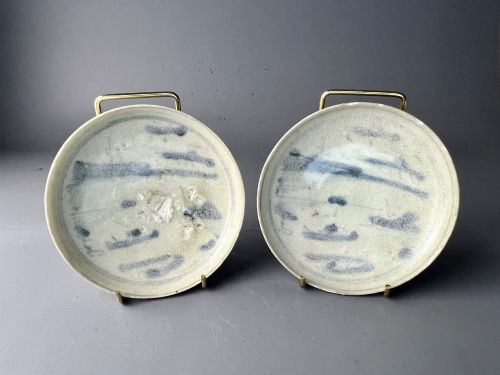
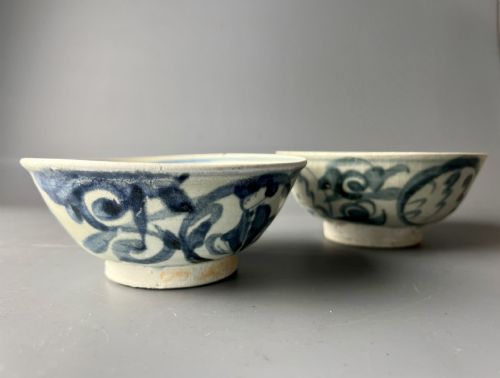
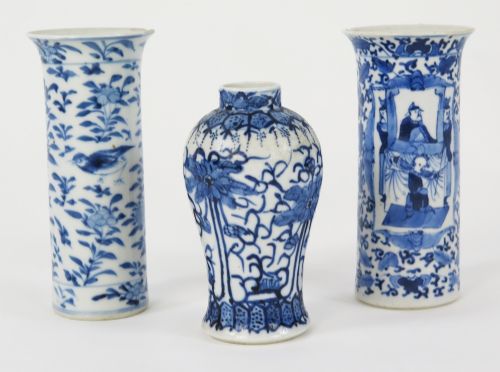
Qing dynasty blue white pieces bring centuries of ceramic artistry into domestic spaces through cobalt painted porcelain vessels and tableware.
Qing Dynasty Blue White
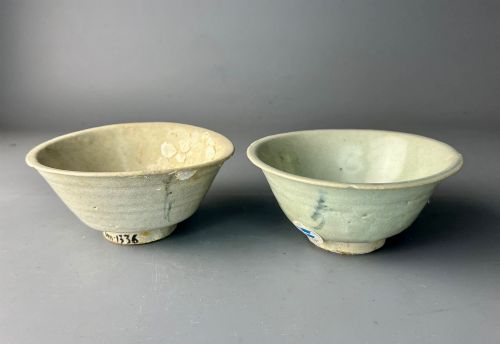
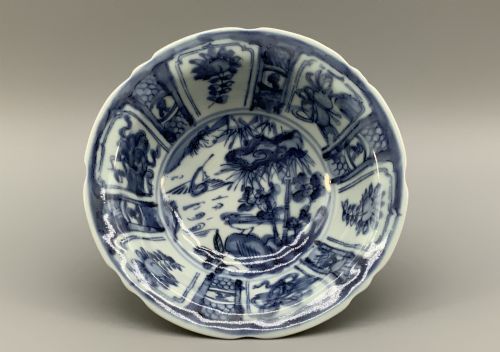
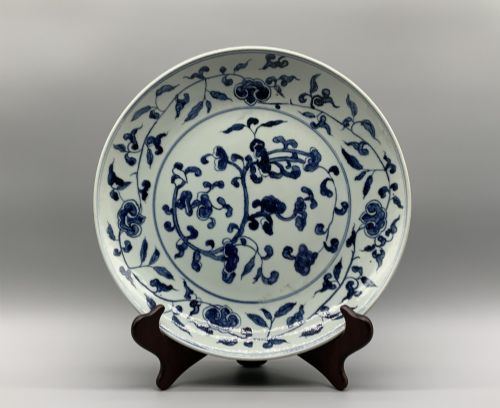
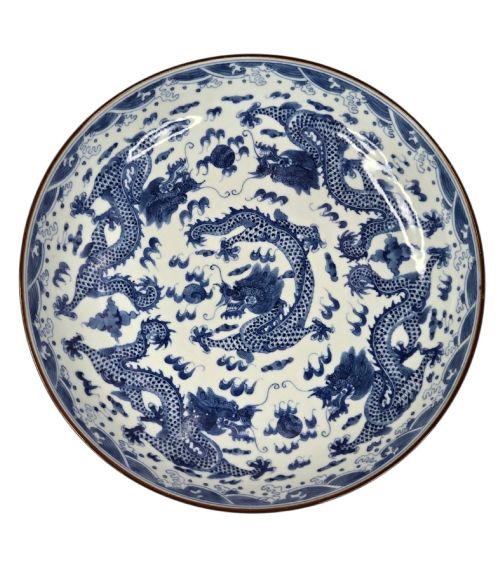
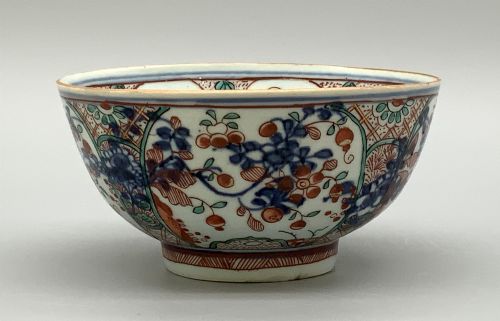
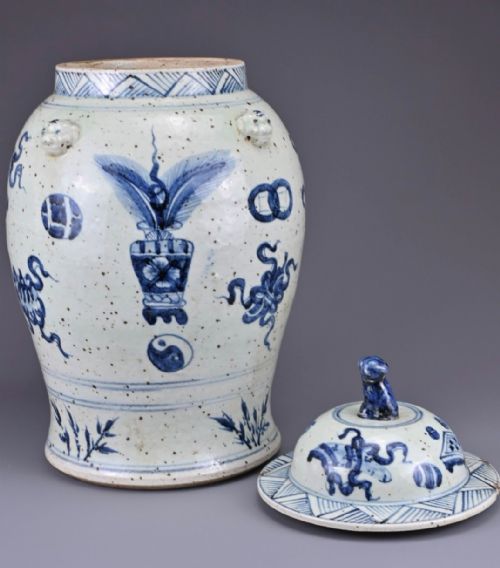
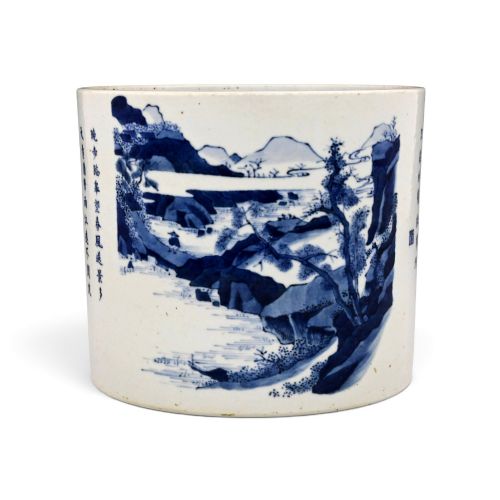
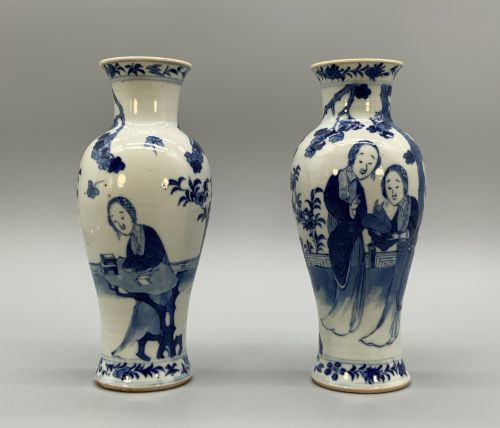
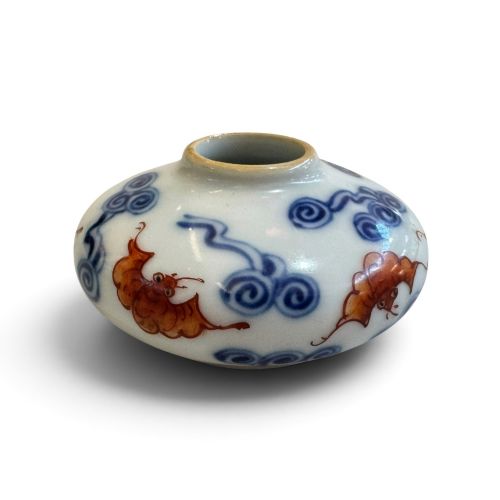
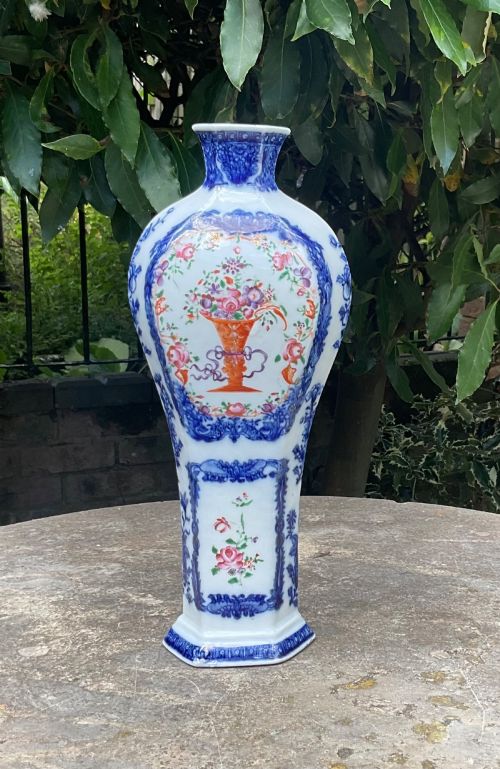
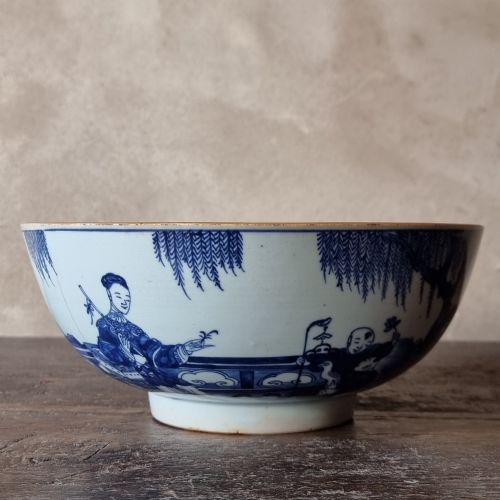
Buyers examining qing dynasty blue white pieces encounter a variety of forms including chargers, vases, bowls, and jars originating from different centuries. The pieces range from large seventeenth century chargers and Kangxi period vessels to nineteenth century items produced during the later decades of the dynasty.
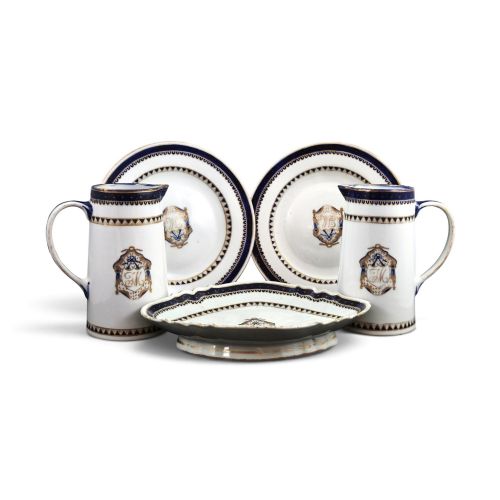
The selection includes export porcelain made for foreign markets alongside domestic wares such as scholar objects, brush pots, and stem cups. Vases, ginger jars, and plates dominate the forms, reflecting both utilitarian and decorative purposes within historical settings.
Many items display cyclical dates, reign marks, or stylistic traits associated with specific periods like the Kangxi, Qianlong, or Guangxu eras. These pieces demonstrate continuity in cobalt painting techniques applied across diverse vessel shapes over generations.
How they were made
The foundation of these objects is hard paste porcelain, shaped into vessels before receiving painted decoration applied with cobalt pigment beneath a transparent glaze. Artisans utilised cobalt underglaze methods to achieve blue designs that fused with the ceramic body during high temperature firing.
Secondary decorative elements sometimes incorporate enamel, copper-red, or gold leaf additions over the primary glaze. Potters also manipulated glazes to produce celadon surfaces or specialised colour effects alongside standard cobalt painting.
Among the scholarly brush pots and stately chargers, hidden erotic spring palace snuff bottles offer a glimpse into private Qing dynasty pastimes.
What varies in quality
Quality differences emerge in the precision of the cobalt underglaze painting, where fluid brushwork and detailed pictorial depth distinguish finer examples from standard production wares. The intensity and control of the blue pigment against the white porcelain ground dictate visual clarity.
Proportion and potting technique also define the tier of an object, with balanced forms and carefully potted walls representing higher standards of imperial or provincial manufacture. Marks, whether reign numerals or studio symbols, further influence the perceived standing of a piece.
The Qing Dynasty Blue White Glossary
- Cobalt Underglaze
- A method where blue pigment is applied to the unglazed ceramic body before a clear glaze is added and fired at high temperature. This technique protects the painted design beneath the glossy surface.
- Kangxi Period
- The era spanning from 1662 to 1722 within the Qing dynasty, noted for vibrant cobalt tones and refined porcelain forms. Pieces from this time often feature distinct botanical or narrative motifs.
- Chinese Export
- Porcelain manufactured specifically for trade markets in Europe and the West. These items frequently combine traditional motifs with shapes or monograms requested by foreign buyers.
- Doucai
- A decorative technique combining underglaze blue outlines with overglaze enamels filled in subsequently. The method requires multiple firings to set both the cobalt and the coloured pigments.
Qing Dynasty Blue White: Frequently Asked Questions
How do I identify a Kangxi period piece?
Kangxi period items often display brilliant cobalt blue tones and rigorous potting standards that reflect the stability of that era.
Look for fine underglaze painting, Artemisia leaf marks, or stylistic conventions characteristic of late seventeenth and early eighteenth century production.
What is Chinese export porcelain?
Chinese export porcelain refers to wares commissioned or adapted for international markets outside China during the Qing dynasty.
These pieces frequently incorporate Western monograms or service shapes alongside traditional cobalt blue landscape and floral motifs.
How were blue and white vessels used historically?
These ceramics served multiple domestic and scholarly functions, ranging from large punch bowls and chargers for dining to brush pots for scholars.
Jardinieres housed plants, while ginger jars and vases decorated reception rooms and imperial interiors.
What distinguishes underglaze blue from enamel decoration?
Underglaze blue involves applying cobalt pigment directly to the ceramic body before the transparent glaze is applied and fired.
Enamel decoration is added on top of the already fired glaze, requiring a secondary, lower temperature kiln run to bond the colours.