




Asian Export Blue White
Asian export blue white ceramics span centuries of maritime trade, offering painted cobalt porcelain that brings global history straight to your table.
Asian Export Blue White
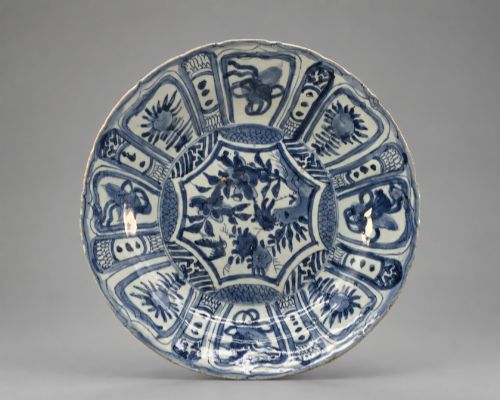
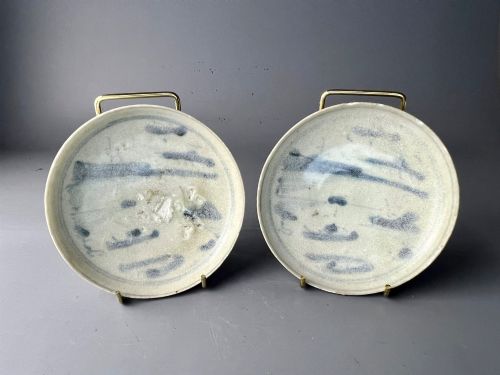
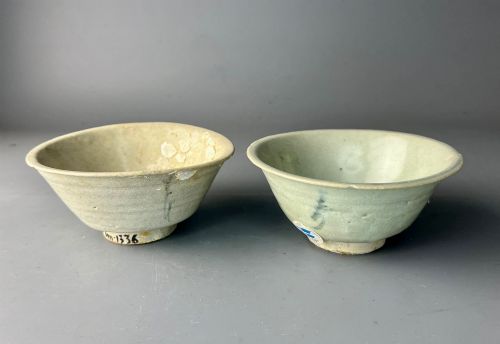
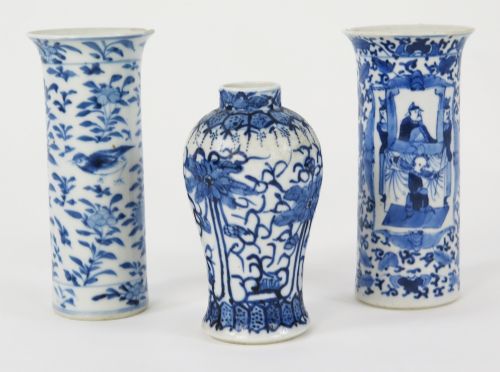
Asian export blue white encompasses utilitarian vessels and decorative objects created in East Asia for international markets, spanning the sixteenth century through the early twentieth century. You will encounter forms ranging from large Japanese flare neck Kutani vases and double gourd vases to provincial Chinese porcelain bowls and shipwreck dishes.
The material record on this page draws heavily from seventeenth-century cargoes, including items recovered from the Vung Tau shipwreck, alongside Qing Dynasty pieces and Edo period Japanese works. Collectors regularly find domestic tableware such as plates, platters, and deep Kraak porcelain plates alongside substantial vases and table lamps.
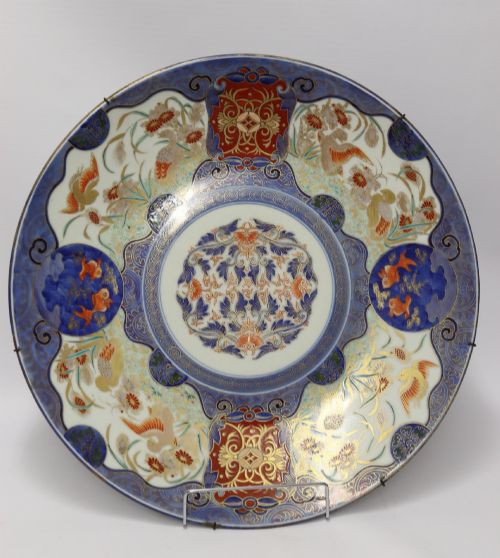
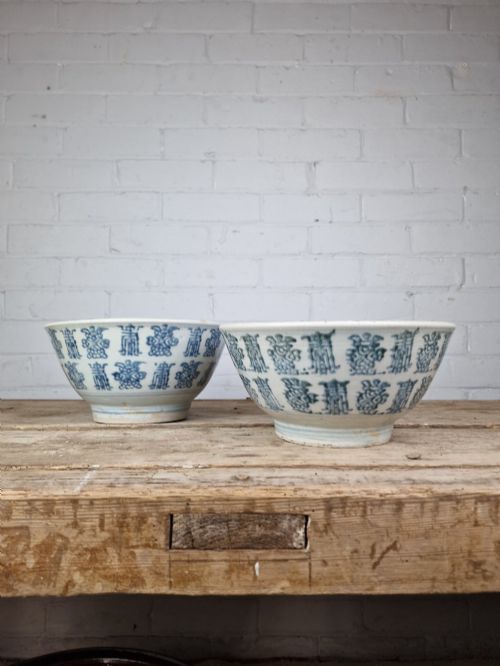
Chinese Ming and Qing periods are well represented alongside Japanese Imari and Arita wares, showing how regional kilns adapted traditional motifs for foreign buyers. Provincial bowls and cargo pieces sit alongside finely potted bottle vases, giving a broad view of historical export production.
Assessing quality in export ceramics
Quality rests upon the clarity and depth of the cobalt pigment against the white ground, alongside the crispness of the painted brushwork. Superior examples display confident, fluid brushstrokes that render dragons and floral motifs with vitality, while lesser pieces show muddy pigment or rushed, formulaic execution.
The potting technique itself separates standard wares from exceptional ones, seen in the balance of the vessel wall and the refinement of the foot rim. Cargo recovery pieces carry historical shipwreck provenance, whereas carefully preserved palace and domestic wares demonstrate pristine throwing and glazing standards.
Asian Export Blue White Retail Price Guide 2026
Typical asking prices for asian export blue white among the pieces listed under this phrase on Sellingantiques today, from the lower quarter to the upper quarter. They describe what is for sale here now, not the wider market.
Listings feature ceramics spanning from the 16th century to the 20th century, utilising porcelain, cobalt pigment, and gold leaf.
The Asian Export Blue White Glossary
- Cobalt underglaze
- Pigment applied to the unglazed clay body before glazing and high-temperature firing. This technique ensures the blue decoration remains permanent and protected beneath the glassy surface.
- Kraak porcelain
- A type of Chinese export porcelain characterised by panelled border designs and central motifs, often shipped globally by maritime trading companies. These deep plates and bowls date primarily from the late Ming and transitional periods.
- Imari porcelain
- Japanese ceramic ware decorated in underglaze blue, iron red, and gold, produced in Arita for export. The style gained immense popularity across Europe during the Edo period.
- Swatow bowl
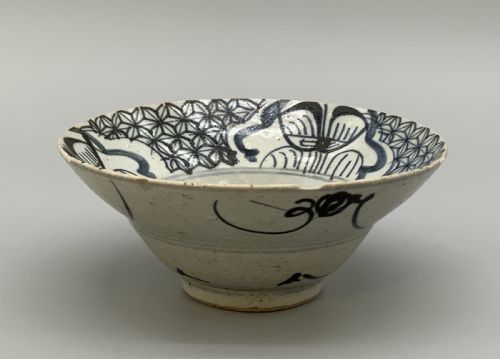
- Large, robust Chinese export ceramic made during the late Ming dynasty for Southeast Asian and Japanese markets. These pieces typically feature freely painted abstract designs under a crackled glaze.
- Double gourd vase
- A vessel shaped in the form of two stacked spheres resembling a gourd fruit, symbolising fortune and longevity. Potters shaped these balanced forms in both Chinese and Japanese kilns.
Asian Export Blue White: Frequently Asked Questions
How do I date these pieces?
Dating relies upon stylistic markers, reign marks, and historical context derived from kiln technology and shipping cargo records. Seventeenth-century items often exhibit specific cargo characteristics or transitional painting styles.
Later nineteenth-century productions reflect changing trade demands and revivalist aesthetics. Comparing potting weight and cobalt tone against known period examples clarifies the age.
What is cargo porcelain?
Cargo porcelain refers to ceramics recovered from historical merchant shipwrecks lost at sea centuries ago. These pieces are often documented with specific wreck names, such as the Vung Tau find.
Submerged in silt for centuries, the porcelain body remains intact under the glaze, though surfaces may show minor marine encrustation or wear. This provenance provides a precise date bracket for the cargo.
How were these ceramics used originally?
Export ceramics served practical dining and storage functions in Asian households before being shipped abroad for wealthy foreign interiors. Large platters and bowls were used for communal feasting, while vases decorated elite reception rooms.
Over centuries, European and American buyers repurposed these durable vessels into decorative mantel ornaments, umbrella stands, or table lamps.
How should I clean blue and white porcelain?
Cleaning requires only warm water and a mild, non-abrasive soap applied gently with a soft cloth. Avoid harsh scrubbing pads or chemical cleaners that can damage the exterior glaze or historic enamel highlights.
Items mounted as lamps or carrying delicate repairs demand extra care around wiring and old adhesive bonds.