






Antique Chinese Pottery Dishes
These antique chinese pottery dishes bring centuries of ceramic history to your table, spanning delicate Song celadon bowls and robust Ming cargo pieces.
Antique Chinese Pottery Dishes
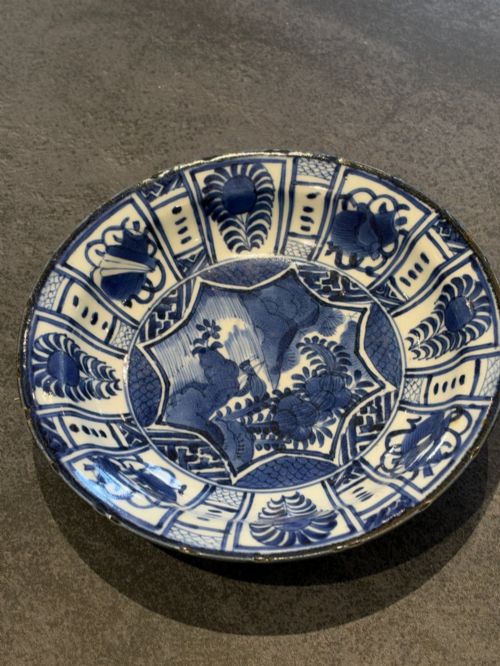
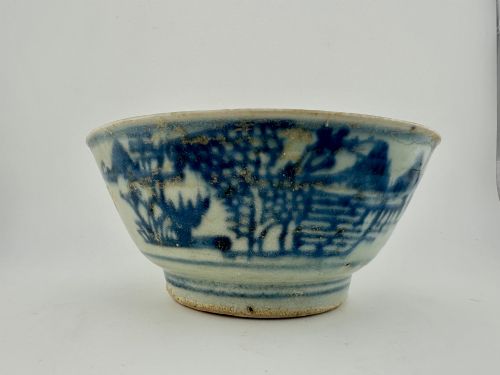
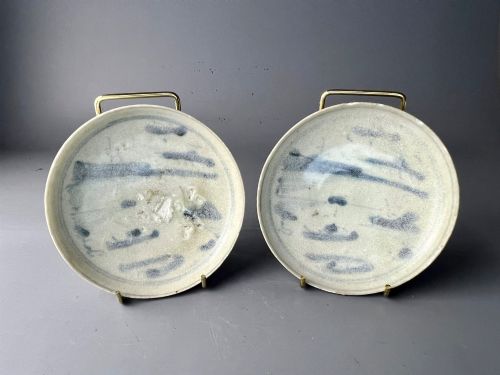
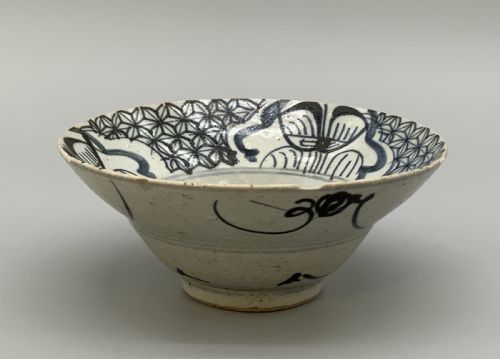
When you search for antique chinese pottery dishes, you encounter a remarkable span of ceramic traditions stretching from pre-sixteenth century wares through to nineteenth-century interpretations. The selection on this page encompasses decorative bowls, chargers, plates, and platters created across multiple dynasties and later European periods.
You are most likely to meet sixteenth-century Kraak porcelain chargers alongside seventeenth-century cargo shipwreck blue and white dishes. Alongside these authentic imports appear eighteenth-century Delft and nineteenth-century English transfer-printed plates influenced by Chinese export designs.
The forms range from deep klapmuts bowls to expansive serving platters and foliate-rim vessels. Each piece represents either direct Asian manufacture for domestic or export markets, or European responses to the enduring fascination with Eastern ceramics.
What varies in quality
Quality in these ceramics rests upon the clarity of the cobalt pigment and the precision of the underglaze brushwork. Superior examples display deep, luminous blues without bleeding, contrasting sharply with simpler or more hurried transfer prints.
The finesse of the potting also determines value, visible in the thinness of the porcelain walls, the symmetry of foliate rims, and the absence of firing distortions. Provenance, such as recovery from documented shipwrecks like the Vung Tau cargo, adds distinct historical weight to a piece.
Antique Chinese Pottery Dishes Retail Price Guide 2026
Typical asking prices for chinese pottery dishes among the pieces listed under this phrase on Sellingantiques today, from the lower quarter to the upper quarter. They describe what is for sale here now, not the wider market.
Materials represented across the selection include traditional porcelain, earthenware, and specialised glazes like celadon and cobalt underglaze.
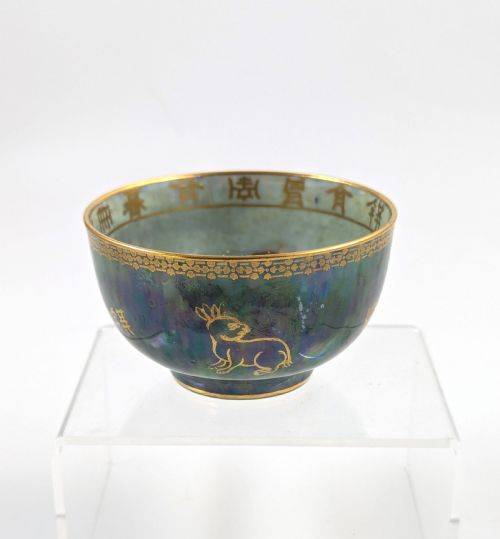
Daisy Makeig-Jones Wedgwood
The Antique Chinese Pottery Dishes Glossary
- Kraak porcelain
- A type of Chinese export porcelain produced mainly during the Wanli period, characterised by panelled border designs and central painted motifs.
- Celadon
- A term for pottery denoting both wares glazed in the jade-green colour typical of the Song dynasty and the specific green glaze itself.
- Klapmuts
- A distinctively shaped bowl with a flanged rim, common in seventeenth-century Kraak porcelain exports.
- Imari
- A style of porcelain originally produced in Japan and heavily influenced by Chinese aesthetics, featuring rich cobalt blue and iron red underglazes.
- Pearlware
- A fine-grained earthenware developed in late eighteenth-century England, possessing a bluish glaze that imitated true porcelain.
Antique Chinese Pottery Dishes: Frequently Asked Questions
Can I use these antique dishes for serving food?
While structurally sound, many older pieces feature microscopic glaze crazing or historical repairs that make modern culinary use risky. Acidic foods can also harm vulnerable glazes and exposed earthen bodies.
It is generally wiser to display these objects visually rather than using them for daily dining. Treat them as historical artworks rather than functional tableware.
What is the difference between porcelain and earthenware?
Porcelain is fired at extremely high temperatures using fine china clay and petuntse, resulting in a dense, vitrified material that rings when struck and does not absorb liquids. Earthenware uses common clay fired at lower temperatures, remaining porous unless fully glazed.
Antique Chinese export pieces are predominantly porcelain, whereas many European interpretations and earlier utilitarian vessels utilise earthenware bodies.
How can I tell a cargo shipwreck piece apart?
Artefacts recovered from marine archaeological excavations often exhibit characteristic marine encrustations or slight surface abrasion from sea burial. Documentation accompanying the vessel usually confirms the specific cargo context and date of sinking.
These pieces offer a precise historical snapshot frozen in time, distinct from items kept continuously in domestic collections.