
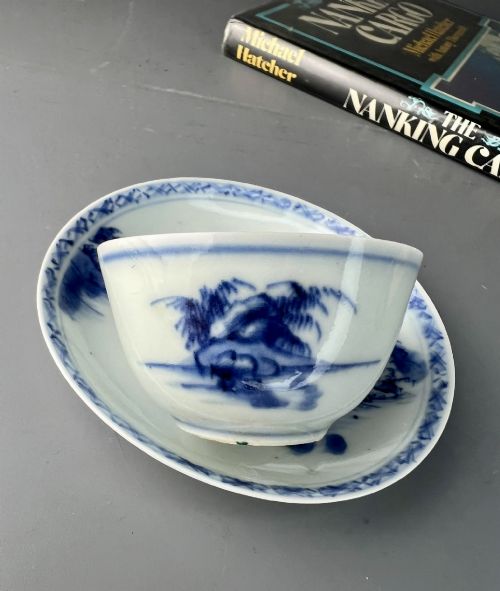
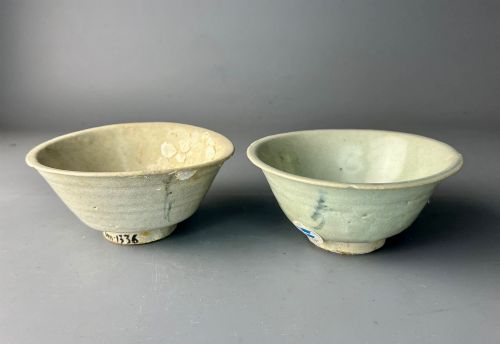
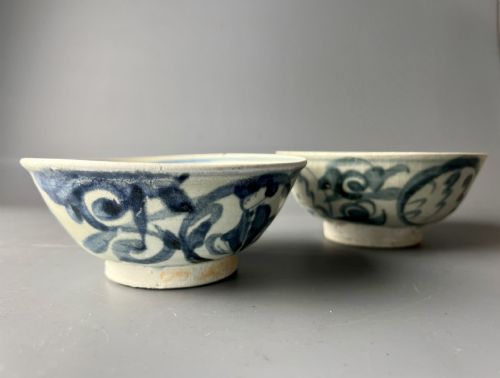
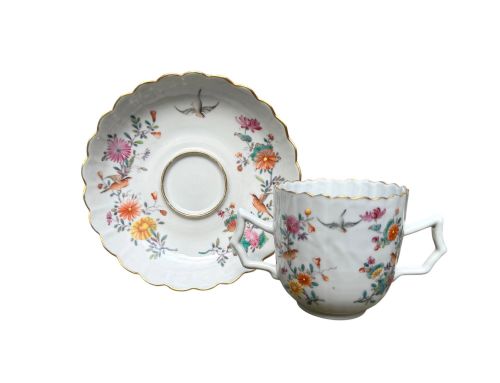
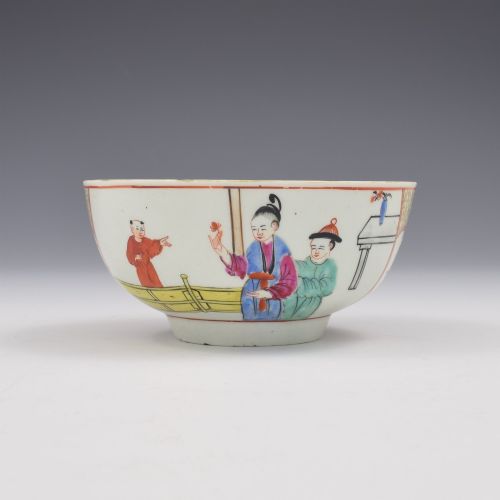
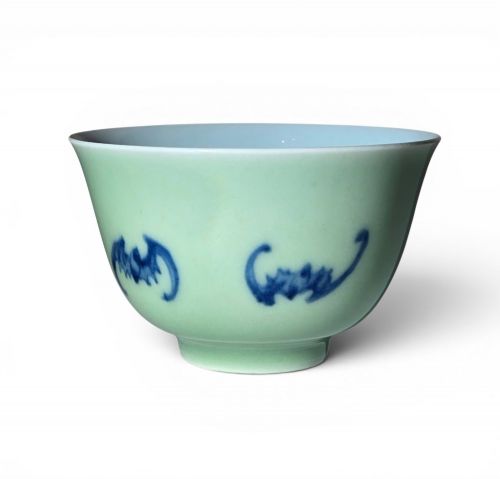


Chinese Ceramic Tea Bowl
These Chinese ceramic tea bowl selections bring delicate porcelain forms and historic glazes directly to your collection.
Chinese Ceramic Tea Bowl
A chinese ceramic tea bowl encompasses small vessels designed for holding tea, ranging from early Song dynasty pieces to Qing dynasty export wares. Buyers searching for a chinese ceramic tea bowl encounter diverse forms including conical bowls, delicate cups with stands, and matching saucers.
The selections span multiple centuries, showing periods such as the eighteenth century alongside pre-sixteenth century examples. These pieces demonstrate traditional utilitarian and decorative functions shaped by historical East Asian ceramic traditions.
What varies in quality
Quality differences emerge in the precision of cobalt underglaze painting and the vibrancy of overglaze enamel work. Early celadon-ground surfaces and finely incised motifs require high technical skill from the potter.
Condition plays a role, with some examples carrying marks of restoration or signs of extensive historic use. The presence of specific period marks, such as Kangxi or Qianlong indicators, distinguishes particular items within the range.
Listings feature pieces spanning the Song dynasty, eighteenth century, and nineteenth century, utilising porcelain, glaze, and gold leaf.
James Giles
The Chinese Ceramic Tea Bowl Glossary
- Celadon
- A pale green glaze originating in China, prized for its jade-like appearance. It often covers deeply incised floral or animal motifs.
- Famille Rose
- A palette of opaque enamel colours dominated by pink, introduced during the Qing dynasty. It allowed artists to render complex pictorial scenes with soft tonal gradations.
- Cobalt Underglaze
- Pigment applied to the unglazed ceramic body before a clear glaze is added and fired at high temperature. This technique protects the blue decoration from wear.
- Soft-paste Porcelain
- A ceramic material composed of clay mixed with ground glass or frit, fired at lower temperatures than hard-paste porcelain. It produces a slightly warmer texture and distinct translucency.
- Qingbai
- A bluish-white glaze developed during the Song dynasty, typically seen over white porcelain bodies with carved designs. The pooling glaze creates subtle tonal shifts in recessed areas.
Chinese Ceramic Tea Bowl: Frequently Asked Questions
How do I date a tea bowl?
Dating relies on examining the potting style, glaze characteristics, and decorative palette such as famille rose or cobalt underglaze. Period marks, when present, offer additional chronological context.
Material composition, including soft-paste porcelain or celadon surfaces, helps align pieces with known manufacturing eras from the Song dynasty onward.
What is export porcelain?
Export porcelain refers to ceramics manufactured specifically for markets outside China, particularly Europe, during the Qing dynasty. These pieces often blend traditional Chinese forms with decorative motifs tailored to foreign tastes.
Some examples received additional enamelling in Europe, creating distinct hybrid styles like Amsterdam Bont.
How were tea bowls used?
Tea bowls functioned as drinking vessels for prepared tea leaves, designed to be held comfortably in the hands without handles. Their open forms allowed drinkers to appreciate the colour and aroma of the brew.
Many forms were paired with saucers or stands, serving both practical dining purposes and display within household collections.
What does celadon mean?
Celadon describes a type of ceramic glaze known for its grey-green or pale green colour resembling jade. The shade results from iron oxide reacting within a reduction firing atmosphere.
This glaze often highlights carved or incised patterns beneath the surface, creating depth through pooling in the carved lines.