



Chinese Blue White Dish
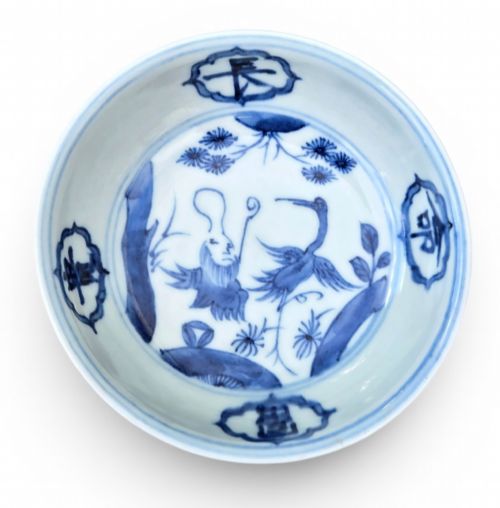
A chinese blue white dish brings centuries of ceramic artistry into your home through enduring cobalt painting on white clay bodies.
Chinese Blue White Dish
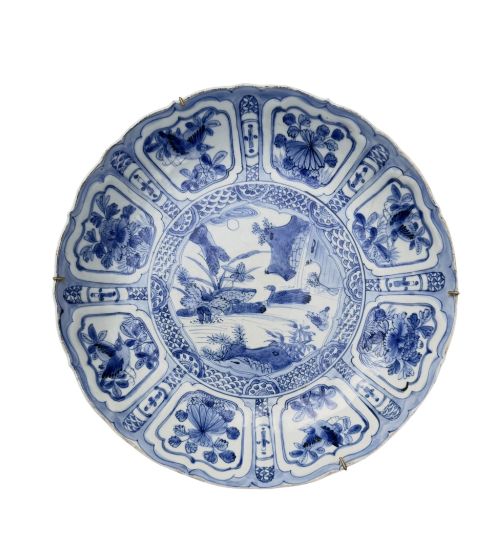
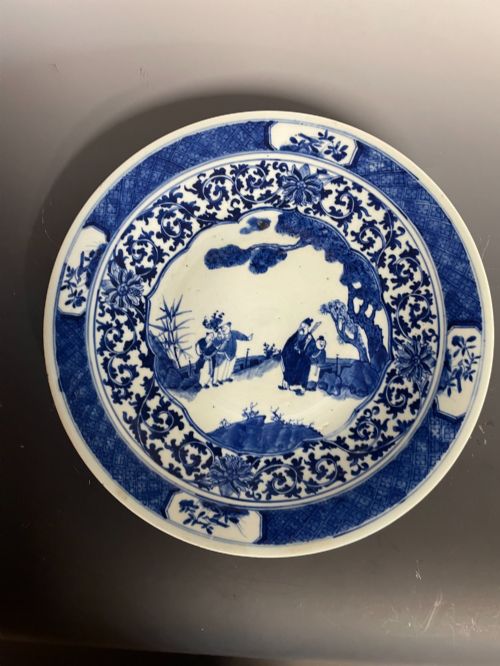
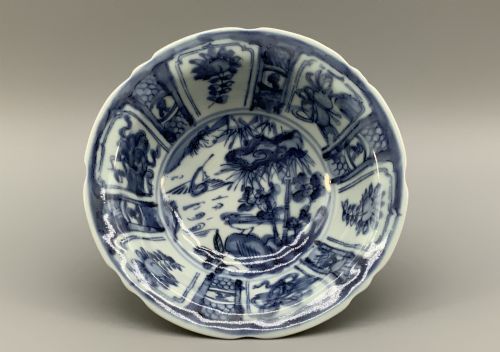
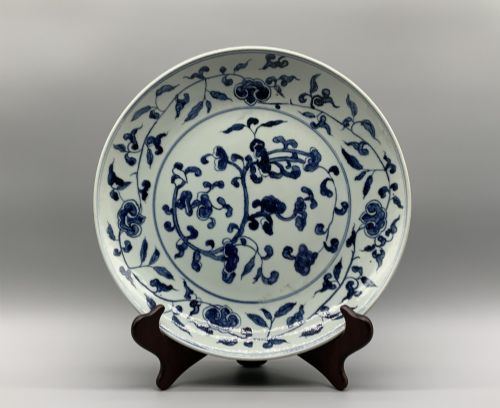
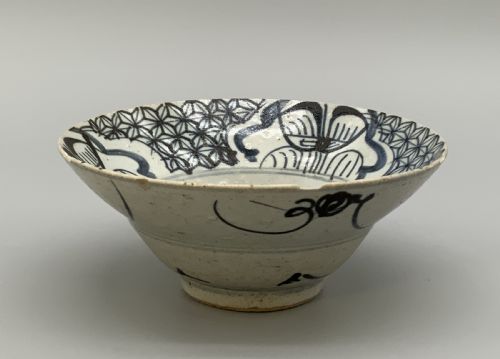
A chinese blue white dish encompasses plates, chargers, saucers, and serving platters spanning the Ming and Qing dynasties alongside later export wares.
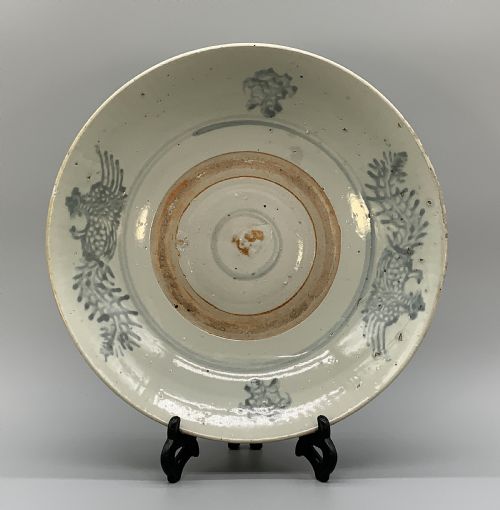
The selections here range from robust sixteenth-century Swatow and Kraak pieces to delicate Kangxi period vessels and nineteenth-century variations.
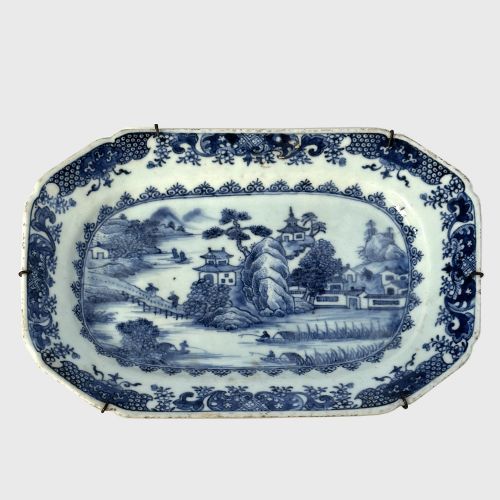
Buyers will encounter shallow plates with barbed rims, deep saucer-dishes, and large chargers intended for both display and service.
Clay and Cobalt
Potters shaped hard-paste porcelain and earthenware bodies, applying cobalt pigment beneath a clear glaze before high-temperature firing.
The chemical reaction during firing turns the cobalt underglaze into deep blue tones against a white ground, sometimes accompanied by enamel or moulded details.
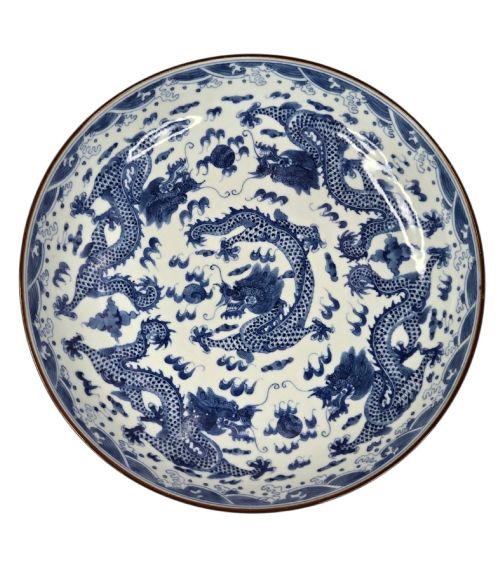
Dragons painted on these dishes frequently chase flaming pearls across the porcelain surface.
Execution and Detail
Quality rests in the precision of the hand-painted brushwork, the purity of the white porcelain body, and the clarity of the cobalt blue pigment.
Finer examples display careful control of the glaze and balanced composition across dragons, florals, or figurative motifs, while lesser pieces show hurried execution.
The Chinese Blue White Dish Glossary
- Kraak porcelain
- A type of Chinese export porcelain produced mainly during the Wanli period, typically featuring panelled designs radiating from a central motif.
- Swatow ware
- A term for sixteenth and seventeenth-century Chinese export ceramics made in Guangdong province, known for robust potting and loose brushwork.
- Underglaze blue
- A decorative technique where cobalt pigment is applied directly to the unglazed clay body before the piece receives a clear glaze and kiln firing.
- Kangxi period
- An era of the Qing dynasty spanning from 1662 to 1722, celebrated for brilliant cobalt pigments and high technical skill in porcelain production.
- Imari
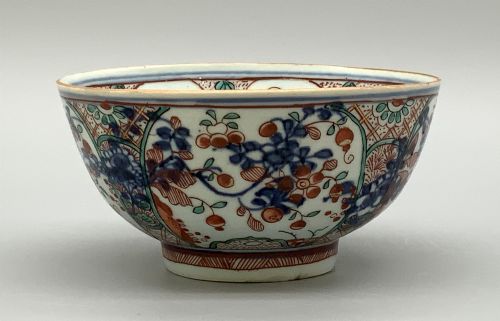
- A style of ceramics featuring cobalt blue and iron red combined with gilt highlights, adopted by Japanese and European potteries alike.
Chinese Blue White Dish: Frequently Asked Questions
How do I date an old dish?
Dating relies on examining the potting style, foot rim characteristics, and the specific tone of the cobalt blue pigment. Reign marks can offer guidance, though later pieces frequently replicated earlier marks.
Changes in porcelain body density and glaze texture across the Ming and Qing dynasties provide further clues for proper attribution.
Can I use these dishes daily?
Most antique pieces function better as decorative display items rather than for regular dining use. The fragile nature of centuries-old porcelain makes them vulnerable to modern dishwashers and cutlery.
Gentle hand washing in lukewarm water preserves the integrity of the glaze and the underglaze cobalt painting.
What causes the different shades of blue?
Shades vary depending on the purity of the cobalt mineral used and the exact temperature inside the kiln during firing. Earlier periods often utilised imported ores that produced deep violet-blue tones.
Later production runs achieved brighter, more uniform blue hues as refining techniques for the raw materials advanced.
Why do some pieces have reign marks?
Potters painted reign marks on the base of vessels to honour earlier emperors or to indicate the specific period of manufacture. These marks serve as traditional indicators of workshop standards.
Matching the style of the mark to the physical characteristics of the ceramic body helps determine whether the piece is of the period or a later tribute.