





Ming Dynasty Export Porcelain
Ming dynasty export porcelain brings sixteenth and seventeenth-century trade ceramics into the home, offering painted blue and white dishes and bowls made for global markets.
Ming Dynasty Export Porcelain
When searching for ming dynasty export porcelain, collectors encounter pieces spanning the sixteenth and seventeenth centuries, alongside later nineteenth-century examples. The selection includes decorative plates, deep saucer-dishes, punch bowls, chargers, bottle vases, and incense burners.
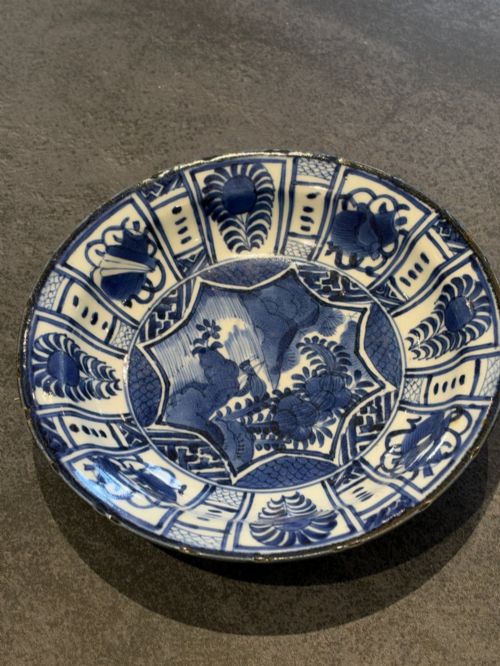
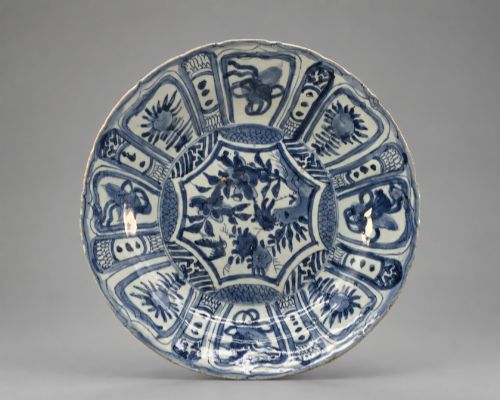
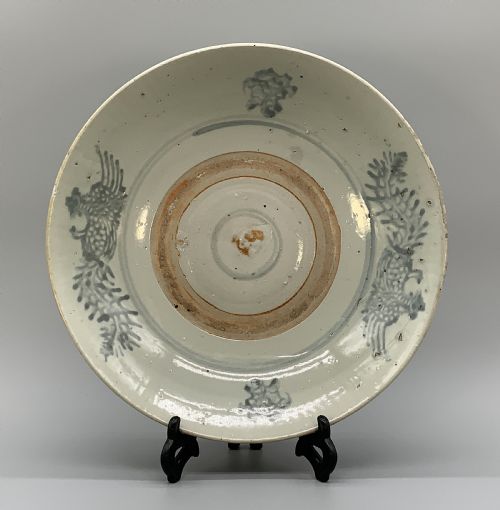
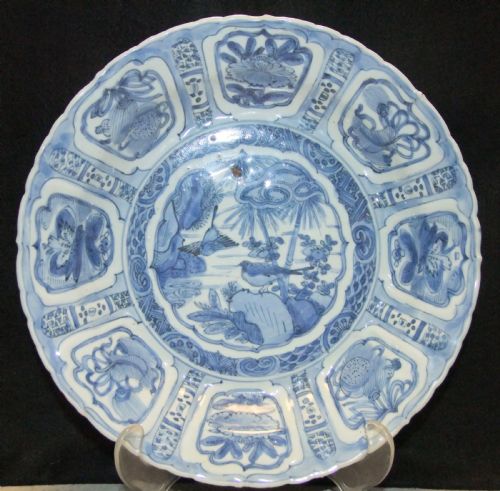
The objects on this page largely originate from specific historical traditions, including Kraak porcelain and Swatow ware, showing the breadth of ceramic production destined for export during the Ming Dynasty.
How they were made
These ceramic pieces utilise porcelain bodies decorated with cobalt blue glaze, cobalt underglaze, or coloured enamel paint. The mineral pigments fuse with the glaze during high-temperature firing, creating durable surface patterns.
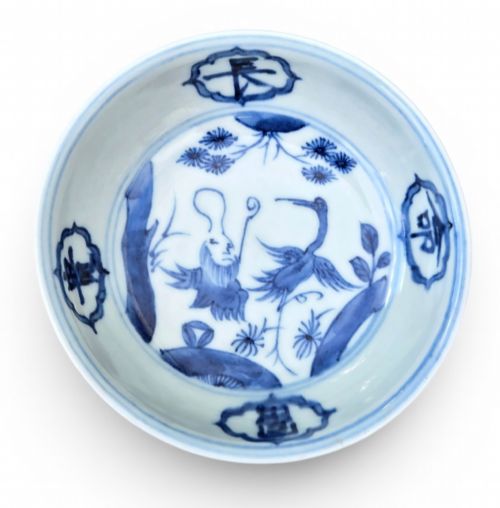
Potters shaped bowls, plates, and vases on the wheel or in moulds before applying the cobalt blue pigment and clear glazes. The resulting vessels display the characteristic painted dragons, figural scenes, and botanical motifs recorded across the listings.
Ming Dynasty Export Porcelain Retail Price Guide 2026
Typical asking prices for ming dynasty export porcelain among the pieces listed under this phrase on Sellingantiques today, from the lower quarter to the upper quarter. They describe what is for sale here now, not the wider market.
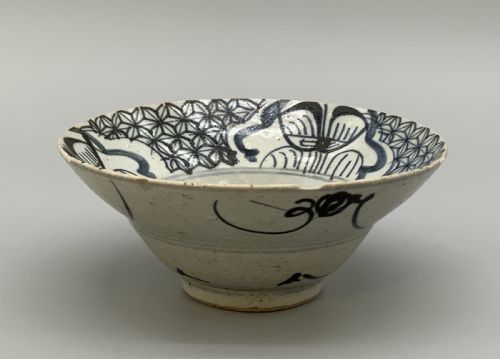
Swatow bowls carry the ghosts of the kiln in their bases, holding onto little patches of stubborn sand that survived a journey across oceans.
What varies in quality
Quality in these ceramics rests on the crispness of the cobalt underglaze painting and the overall balance of the vessel form. Finer dishes display steady brushwork and clear, deep blue tones against a clean porcelain ground.
The management of the kiln firing also distinguishes superior examples, where the glaze remains even and the cobalt blue decoration shows minimal blurring or pooling.
The Ming Dynasty Export Porcelain Glossary
- Kraak porcelain
- A type of Chinese export porcelain produced mainly during the Wanli period, characterised by panelled border designs and central painted motifs. It was widely traded by European East India companies.
- Swatow ware
- A category of Chinese export ceramics made in Guangdong province for Southeast Asian and Japanese markets, known for bold painted decoration under a thick glaze. These pieces often exhibit gritty sand adhering to the base from the firing process.
- Blanc de chine
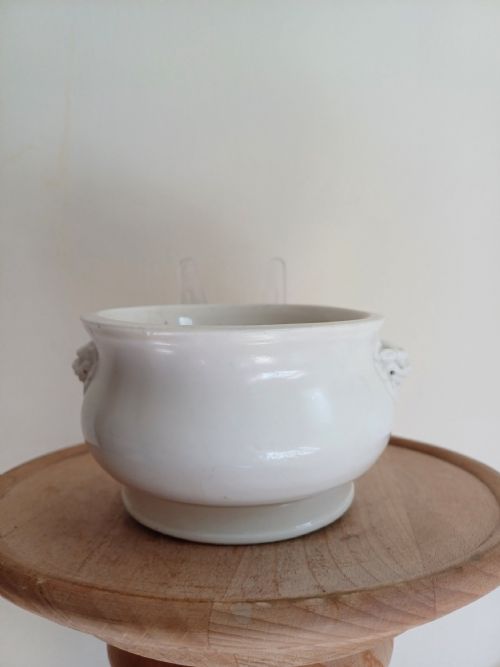
- A type of white porcelain made at Dehua in Fujian province, featuring a colourless glaze that fuses smoothly with the ceramic body. It was commonly used for censers and ritual figures.
- Cobalt underglaze
- A blue pigment applied directly to the unglazed ceramic body before a transparent glaze covers the surface and the piece is fired. This technique protects the pigment beneath a glossy layer.
- Klapmuts bowl
- A specific form of Kraak porcelain bowl with an everted, flanged rim, popular in Europe during the late sixteenth and seventeenth centuries.
Ming Dynasty Export Porcelain: Frequently Asked Questions
What is Kraak porcelain?
Kraak porcelain is a style of sixteenth and seventeenth-century Chinese export ceramic, recognised by its panelled borders and painted cobalt blue designs. These vessels were salvaged from trading ships and distributed globally.
Collectors prize these pieces for their distinct division of space and historical connection to early maritime trade routes.
How do I date a Ming export bowl?
Dating relies on examining the potting style, the tone of the cobalt blue pigment, and the characteristics of the glaze. Pieces from the Wanli period often feature specific border arrangements and floral motifs.
Comparison with documented examples from the sixteenth and seventeenth centuries helps clarify the period of manufacture.
What is Swatow ware?
Swatow ware refers to Chinese ceramic vessels produced for export during the late Ming dynasty, typically associated with coastal kilns in Guangdong. They are characterised by robust potting and bold painted or slip-decorated designs.
These pieces frequently display kiln grit adhering to the unglazed base, a result of how they were stacked in the kiln.
How were these ceramics used?
Export porcelain served both functional and decorative purposes in domestic settings across Asia and Europe. Punch bowls, chargers, and deep plates held food and drink during feasts and gatherings.
Smaller vessels like incense burners were utilised in scholarly and religious contexts, while bottle vases functioned as interior ornaments.
What is Blanc de chine?
Blanc de chine is a white porcelain tradition from Fujian province that lacks painted decoration, relying instead on the purity of the body and glaze. It was used primarily for ritual items such as censers and devotional figures.
The smooth, ivory-toned surface gives these ceramic pieces a distinctive sculptural quality.