




17th Century Chinese Ceramic
These 17th century chinese ceramic pieces span dynamic imperial dynasties and domestic export kilns, offering collectors remarkable porcelain and earthenware forms.
17th Century Chinese Ceramic
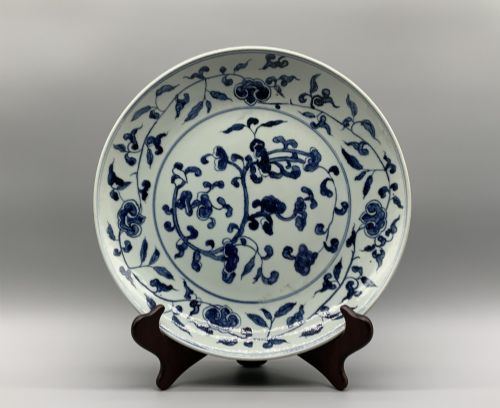
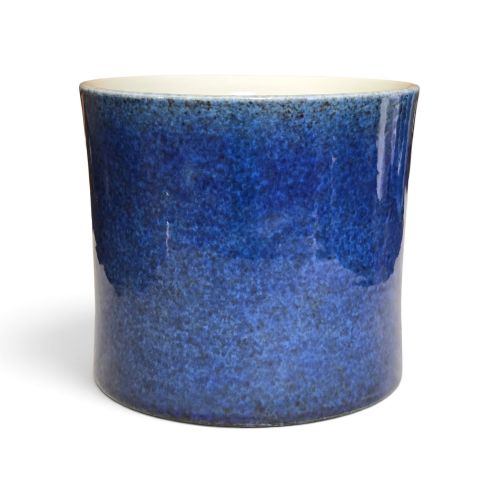
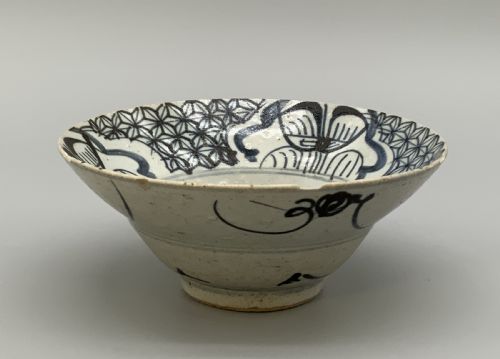
When you search for 17th century chinese ceramic, you are looking at items that bridge the late Ming Dynasty and the early Qing Dynasty, specifically the Kangxi period. The selections here include brush pots, chargers, vases, teapots, and bowls originating from kiln traditions that defined Asian ceramics. Buyers encounter blue and white porcelain most frequently, alongside monochrome glazes, polychrome wucai enamel, and swatow wares.
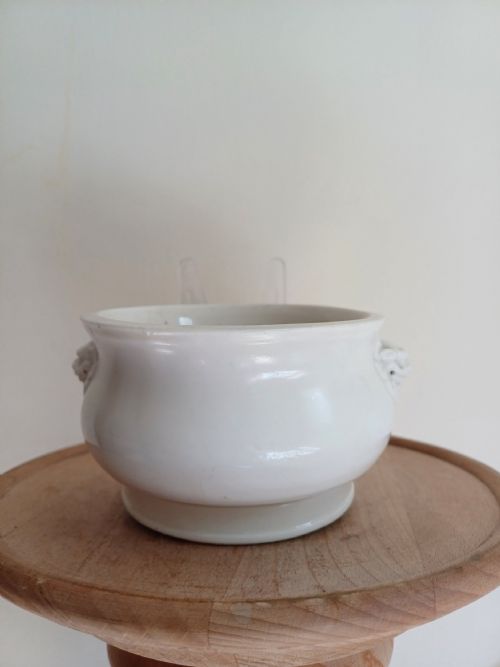
Objects range from scholar's items like bitong brush holders to large chargers and ritual vessels such as kendi and censers. The forms reflect both domestic Chinese scholarship and the vigorous trade of the era, which carried ceramic goods across maritime routes. Each piece demonstrates the transition from late imperial Ming aesthetics to the refined precision of the Qing Dynasty.
How They Were Made
Potters shaped high-fired porcelain and earthenware bodies, coating them with transparent or coloured glazes before placing them in wood-fuelled kilns. Cobalt pigment and cobalt glaze provided the deep blue decoration underneath the protective glassy surface, applied with fluent brushwork. Overglaze enamels such as iron red and green, alongside gilt highlights, added polychrome detail to bodies like the wucai jars.
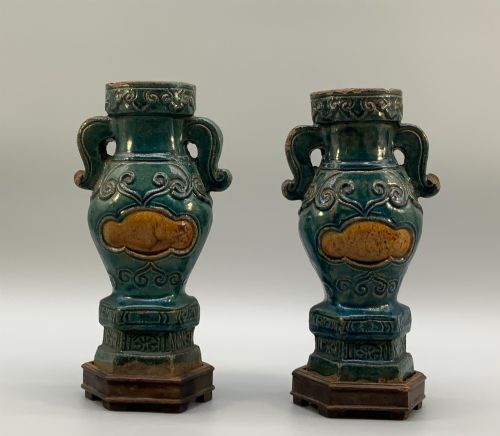
Specialised techniques such as crackle glazes, lead glazes, and turquoise and amber combinations reveal the diversity of workshop output. Artisans formed vessels by throwing on the wheel or moulding, ensuring structural integrity while accommodating intricate surface carving and painted scenes.
Listings feature porcelain, earthenware, and wood materials across Ming and Qing Dynasty styles, including Kangxi period brush pots and chargers.
What Varies in Quality
The sophistication of the cobalt pigment application and the clarity of the underlying porcelain body distinguish finer examples from standard production. Superior items display crisp, deeply saturated blue tones without blurring, matched by precise potting and balanced form. Lesser examples may exhibit uneven glaze pooling, murky pigment dispersion, or heavier potting that lacks the refinement of imperial or high-end export commissions.
The fidelity of the painting, particularly on figurative and landscape scenes on brush pots and chargers, signals the hand of a skilled artisan. Mastery in controlling kiln temperatures also determines whether the glaze achieves a lustrous, unblemished finish or suffers from firing imperfections.
The 17th Century Chinese Ceramic Glossary
- Bitong
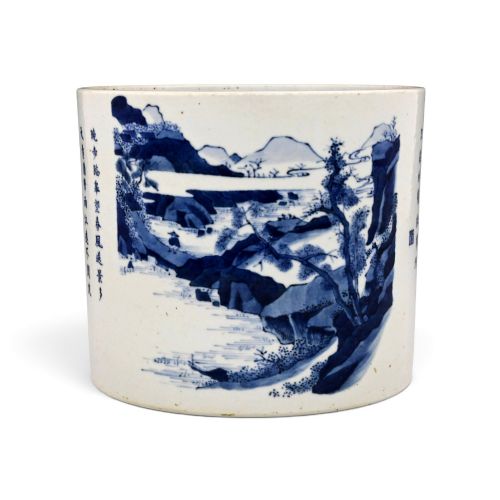
- A cylindrical brush pot used by scholars for holding writing brushes on a desk. These ceramic vessels often feature elaborate blue and white landscape or figural painting.
- Kraak porcelain
- A type of Chinese export porcelain characterised by panelled decoration radiating around a central medallion. It was widely shipped to Europe during the late Ming and transitional periods.
- Wucai
- A polychrome ceramic style meaning five colours, typically combining underglaze blue with overglaze iron red, green, and other enamel pigments. It flourished during the late Ming and transition eras.
- Kendi
- A spouted ritual vessel or drinking ewer used in Southeast Asia and exported from China. These vessels lack handles and rely on a central spout and globular body.
- Swatow
- A broad category of trade ceramics produced in southern Chinese kilns for export during the late Ming period. They are typically characterised by vigorous, spontaneous painted decoration under thick glazes.
17th Century Chinese Ceramic: Frequently Asked Questions
How do I identify a Kangxi period ceramic?
Kangxi period pieces typically exhibit brilliant cobalt blue underglaze painting, refined porcelain bodies, and vibrant compositions that often depict scholarly themes or landscapes.
Markings, stylistic finesse, and characteristic forms like yenyen vases or bitong pots further help separate this era from earlier Ming or later Qing productions.
What is transitional porcelain?
Transitional porcelain refers to wares made during the chaotic political period between the fall of the Ming Dynasty and the establishment of the Qing Dynasty. Kilns during this time experimented with narrative painting scenes and new enamel palettes.
These pieces bridge traditional imperial styles and the commercial export market.
Were these ceramics used for daily life?
Many objects served functional roles in Chinese households and scholarly studies, such as wine ewers, censers for burning incense, and brush pots for calligraphy. Other large chargers and bowls were created specifically for export and display abroad.
Their survival reflects both utilitarian durability and prized preservation by collectors.
How should I display antique Chinese ceramics?
Display these items on stable, level surfaces away from direct sunlight and high foot traffic to protect fragile porcelain and earthenware bodies. Using specialised mounts safely supports heavier forms like chargers and ovid jars.
Keeping them in stable indoor humidity preserves both glaze and body integrity over time.