


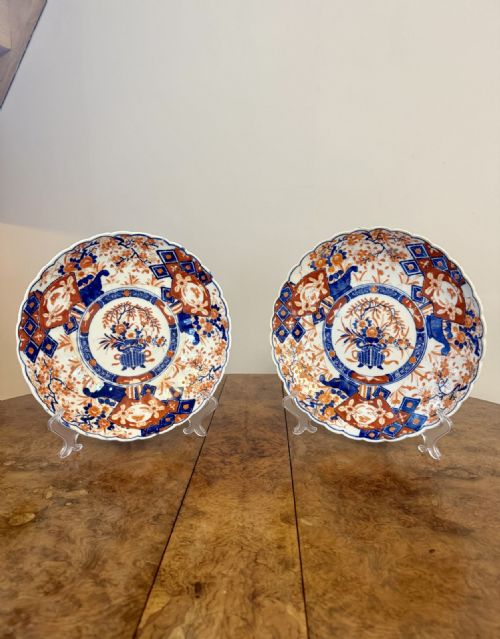

Antique Asian Wall Plate
An antique asian wall plate brings centuries of intricate hand-painted porcelain, cloisonne enamel, and lacquer artistry directly into a room.
Antique Asian Wall Plate
When you search for an antique asian wall plate, you encounter a diverse array of decorative chargers, dishes, and plaques originating from Japan and China. These circular and square vessels span periods from the Edo and Qianlong eras through the Meiji and Taisho periods up to the early twentieth century.
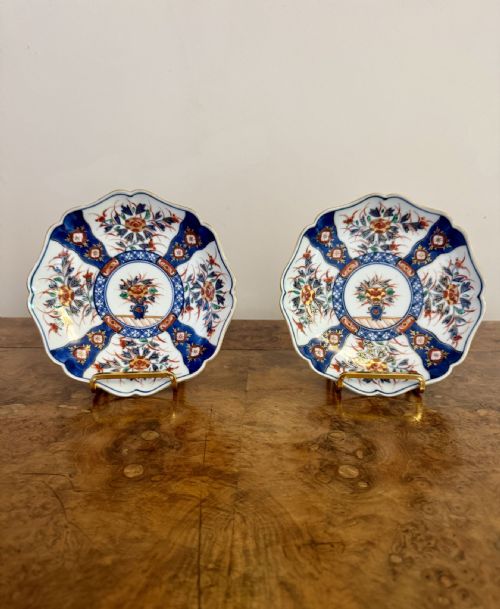
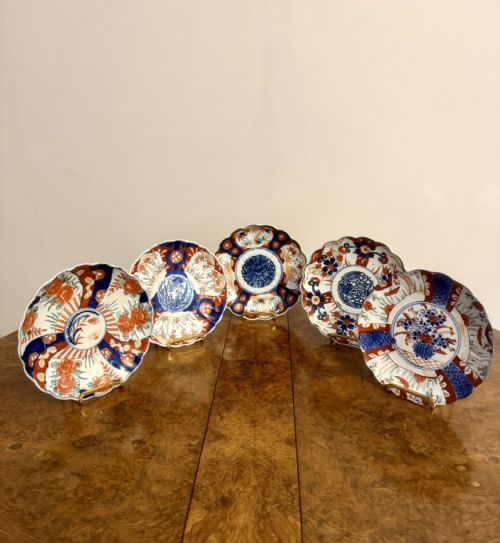
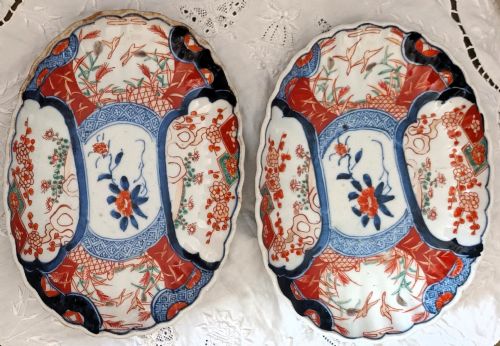
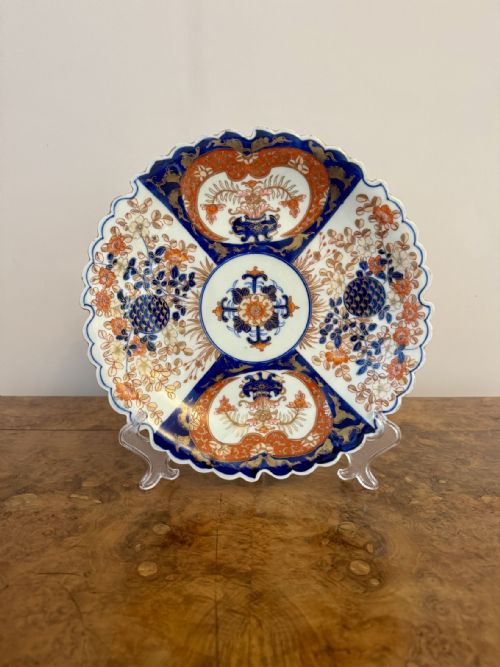
You are most likely to meet Japanese Imari porcelain plates and Meiji period cloisonne enamel chargers on this page. These pieces frequently display traditional motifs including birds, dragons, deities, and floral scenes rendered in rich pigments and metallic finishes.
How they were made
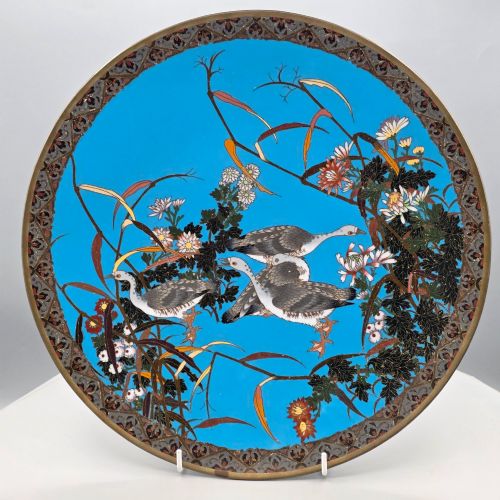
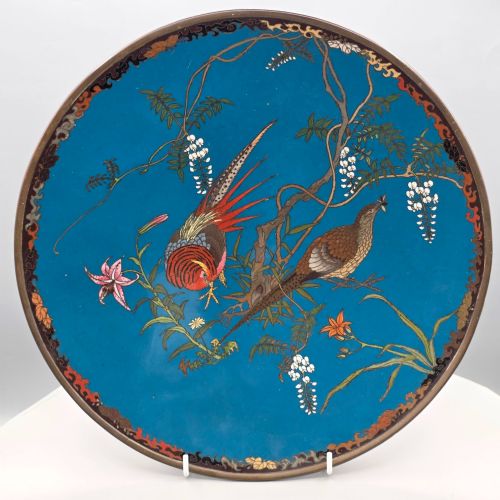
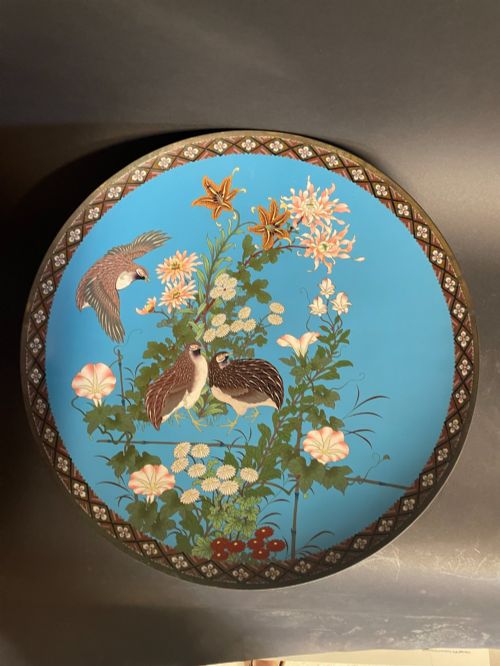
Potters and artisans formed these items from porcelain, copper, and lacquered wood, applying hand-painted glazes, enamel, and gold leaf. Cloisonne works required soldering fine metal wires onto a copper base to create cellular compartments that artisans filled with coloured enamel pastes before firing and polishing.
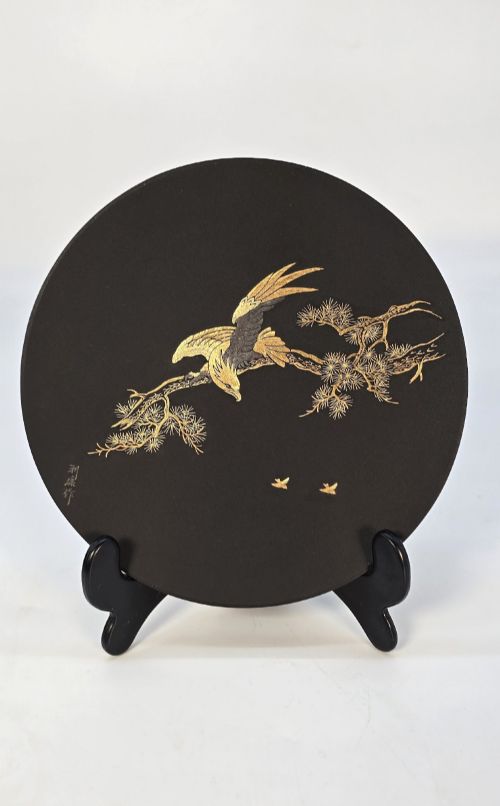
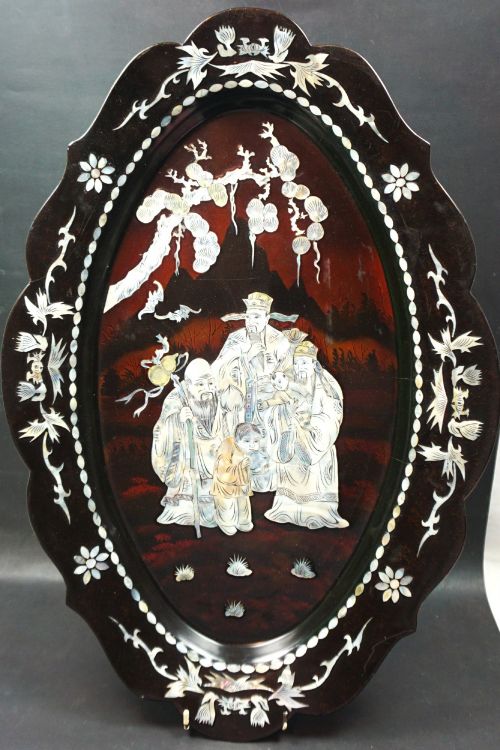
Plaques and platters incorporated additional techniques such as patinated iron surfaces inlaid with gold and silver, alongside detailed mother-of-pearl inlays set into lacquered wood. Porcelain pieces relied on cobalt blue and polychrome enamels fired at high temperatures to achieve permanent vibrancy.
Antique Asian Wall Plate Retail Price Guide 2026
Typical asking prices for asian wall plate among the pieces listed under this phrase on Sellingantiques today, from the lower quarter to the upper quarter. They describe what is for sale here now, not the wider market.
Certain early chargers depict shrimp and leaping koi alongside solemn Buddhas, proving that Meiji artisans possessed both profound reverence and a wonderful sense of humour.
What varies in quality
The sophistication of the hand-painted brushwork and the precision of the enamel or wirework dictate the standing of an individual charger. Finer examples display meticulous detail in complex subjects such as the Seven Lucky Gods, feathers, and scales, whilst simpler items rely on broader, repetitive patterns.
Material execution further separates the categories, observed in the weight of the porcelain body, the smoothness of the polished cloisonne surface, and the depth of the gold leaf or patinated metal inlay.
Koshida
The Antique Asian Wall Plate Glossary
- Imari
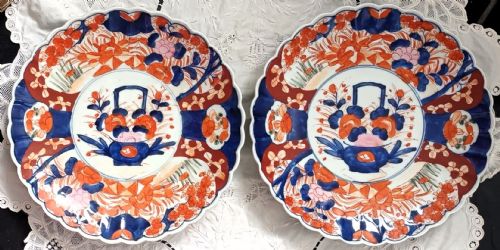
- A style of Japanese porcelain decorated in underglaze blue and overglaze iron red, gold, and other colours. This distinctive aesthetic originated in Arita and was widely exported to Europe.
- Cloisonne
- A decorative metalwork technique where thin wires form raised barriers on a copper base to hold coloured enamel. Artisans fire the piece multiple times to vitrify the paste.
- Meiji Period
- The era of Japanese history lasting from 1868 to 1912, characterised by a flourishing of decorative arts for international export. Pieces from this time often show exceptional technical mastery.
- Charger
- A large decorative plate utilised primarily for display on walls or tables rather than for serving food. These substantial vessels provide a wide canvas for intricate pictorial scenes.
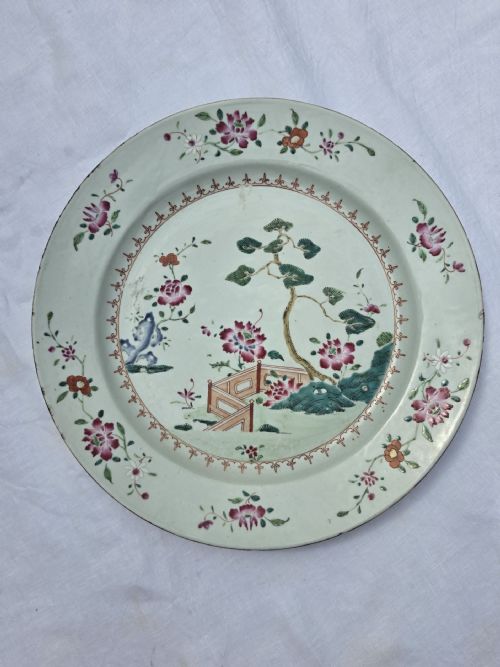
- Famille Rose
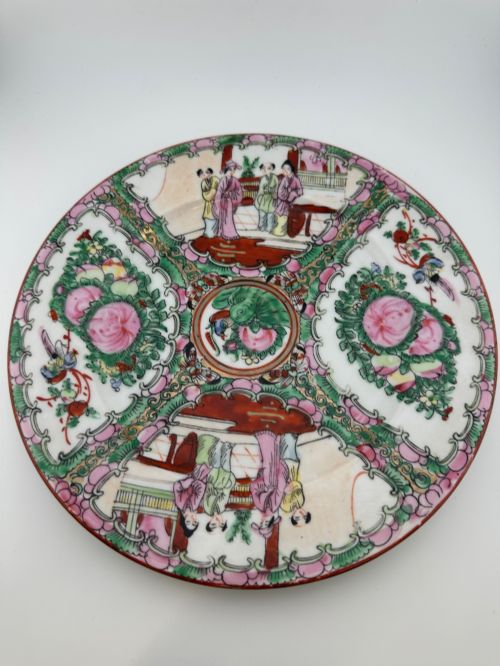
- A palette of Chinese porcelain enamels featuring an opaque pink or purple derived from colloidal gold. Introduced in the eighteenth century, this style replaced earlier green-dominant palettes.
Antique Asian Wall Plate: Frequently Asked Questions
How do I hang a heavy charger?
Displaying large plates securely requires a coated spring-tension hanger that distributes the weight evenly around the rim without scratching the porcelain or enamel surface.
Ensure the wall fixing engages directly with a solid stud or uses a rated wall plug to support the substantial weight of copper, bronze, or thick porcelain bodies safely.
Were these plates used for dining?
Most large chargers and decorative plaques were created specifically for ornamental display rather than everyday dining use. Their generous scale and elaborate enamel or gilt surfaces suited interior decoration.
Smaller plates occasionally served functional dining roles, but antique examples with delicate gold leaf and intricate painted scenes generally remained decorative objects.
How do I clean cloisonne and porcelain?
Dust enamel and porcelain gently with a soft, dry microfibre cloth to prevent the accumulation of particles in recessed wire cells or painted crevices. Avoid liquid cleaners entirely, as moisture can damage aged lacquered wood or oxidise exposed metal elements.
Keep pieces away from direct sunlight to preserve the fugitive pigments found in antique enamel and overglaze porcelain decoration.
What is the difference between Imari and Kutani?
Imari porcelain relies on a strict palette of underglaze blue, iron red, and gold, typically featuring symmetrical floral and geometric panel designs. The style emphasises crisp contrast between the bright white porcelain body and the rich pigments.
Kutani ware utilises a much broader, highly pictorial range of colours, often dominated by intense greens and golds depicting figurative scenes, landscapes, and natural subjects.