
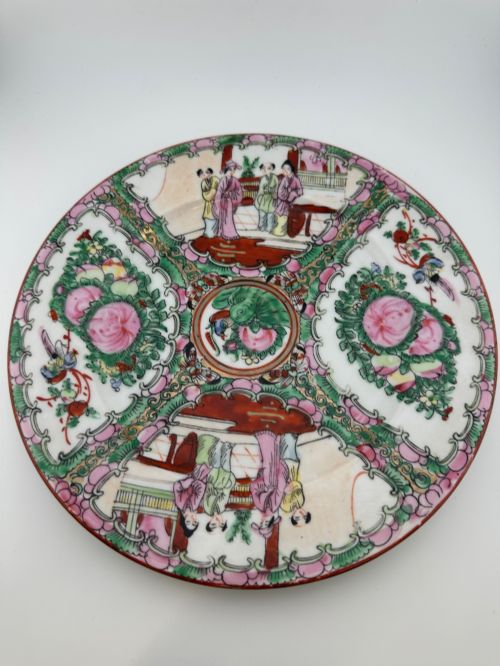

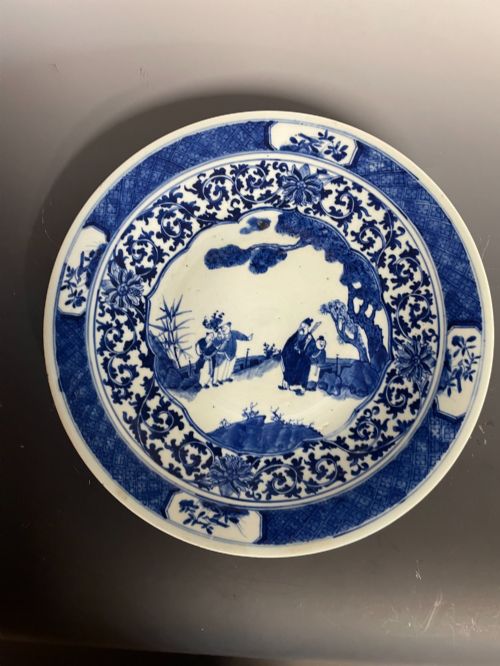
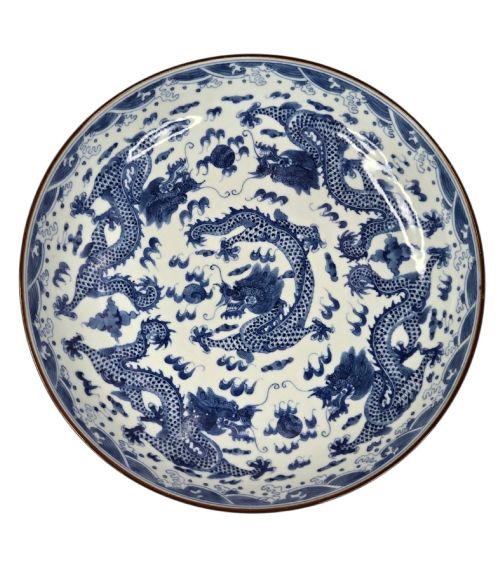





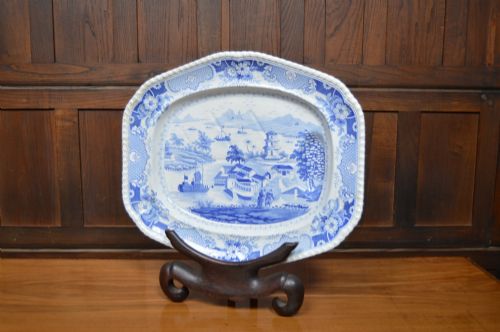
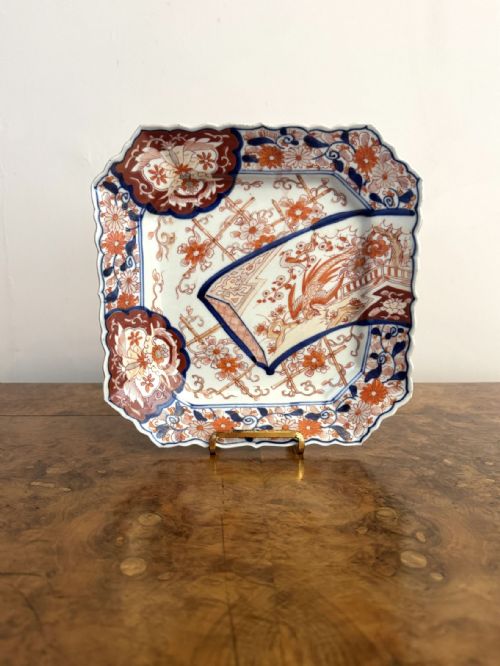
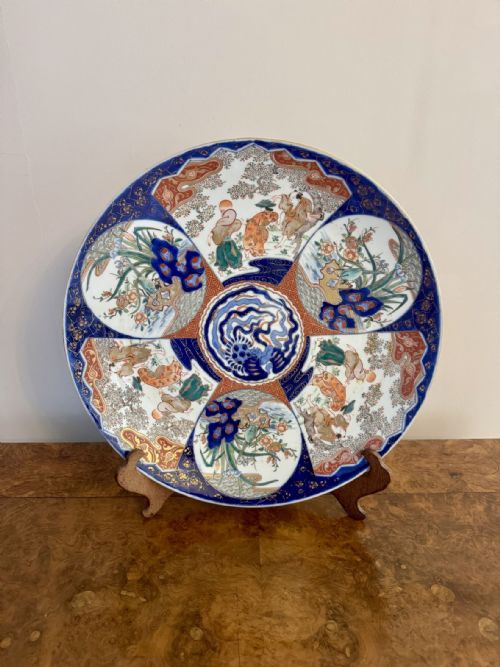




Oriental Ceramic Display Plate
These oriental ceramic display plate selections bring together hand-painted porcelain chargers and decorative dishes from nineteenth and early twentieth-century workshops.
Oriental Ceramic Display Plate
When you search for an oriental ceramic display plate, you encounter substantial chargers and decorative dishes intended primarily for visual appreciation rather than regular dining use. The versions you are most likely to meet on this page hail from the Meiji period in Japan and the Qing Dynasty in China, spanning the nineteenth and early twentieth centuries.
These items manifest in varied physical geometries, ranging from standard circular chargers to hexagonal, square, and scalloped edges. Japanese Imari and Chinese export designs dominate the selection, bringing complex floral, bird, and figural compositions into domestic interiors.
How they were made
Potters shaped fine porcelain and earthenware clays into wide plates and deep chargers before applying cobalt underglaze pigments to establish the foundational blue designs. Artisans then introduced rich enamel colours and applied gold leaf details over the glaze.
Kiln firing fused these mineral pigments to the ceramic body, creating durable surfaces that preserved the detailed hand-painted brushwork of decorators working during the Victorian era and the Meiji and Taisho periods.
Oriental Ceramic Display Plate Retail Price Guide 2026
Typical asking prices for oriental ceramic display plate among the pieces listed under this phrase on Sellingantiques today, from the lower quarter to the upper quarter. They describe what is for sale here now, not the wider market.
Several plates depict the Seven Lucky Gods, ensuring your wall display comes with a built-in mythological committee.
What varies in quality
The standard of an oriental ceramic display plate rests upon the crispness of the hand-painted brushwork and the precision of the cobalt underglaze application. Pieces featuring meticulously detailed depictions of figures, birds, and floral motifs demonstrate superior artistry.
The lavishness of the gilding and the complexity of the porcelain body shapes, such as unusual square or scalloped edges, separate ordinary domestic wares from exceptional decorative chargers produced by skilled workshops.
Koshida
The Oriental Ceramic Display Plate Glossary
- Imari
- A style of Japanese porcelain featuring a distinctive palette of underglaze blue, iron red, and gilt highlights. These plates frequently display intricate floral and avian motifs.
- Charger
- A large decorative plate utilised historically for ceremonial presentation or wall display rather than serving food. They provide an expansive surface for detailed hand-painted scenes.
- Cobalt Underglaze
- A blue pigment applied to the raw clay body before glazing and firing. This technique ensures the colour remains permanent and sharp beneath the glossy finish.
- Meiji Period
- An era in Japanese history spanning from eighteen sixty-eight to nineteen twelve. Ceramics from this time often exhibit elaborate hand-painted decoration and high technical skill.
Oriental Ceramic Display Plate: Frequently Asked Questions
How were oriental ceramic display plates used?
These large plates and chargers served primarily as decorative items for display on walls, cabinet shelves, or sideboards within fine interiors.
Their substantial size and detailed hand-painted designs made them focal points for visual appreciation rather than practical tableware.
What is the difference between Imari and Canton styles?
Imari pieces originate from Japan and typically combine deep cobalt blue and iron red with gold leaf highlights in geometric and floral patterns.
Canton wares stem from China and frequently showcase Famille Verte palettes with detailed narrative scenes and figures.
How do I identify a Meiji period plate?
Meiji period items date between eighteen sixty-eight and nineteen twelve, reflecting a time of immense artistic production in Japan.
They are recognised through dense hand-painted compositions, precise cobalt underglaze work, and extensive use of gilding and enamel.
How should I display a heavy porcelain charger?
Due to their substantial weight and size, large chargers require sturdy wall mountings designed specifically for heavy ceramics.
Alternatively, stable wooden display stands securely support the base while keeping the decorated surface fully visible.