


Traditional Chinese Porcelain
Traditional chinese porcelain brings centuries of imperial kiln mastery to interiors, offering enduring decorative presence through hand-painted vases, jars, and bowls.
Traditional Chinese Porcelain
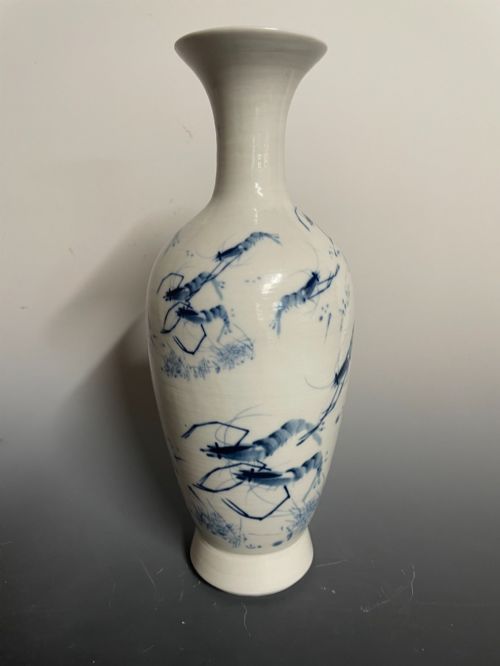
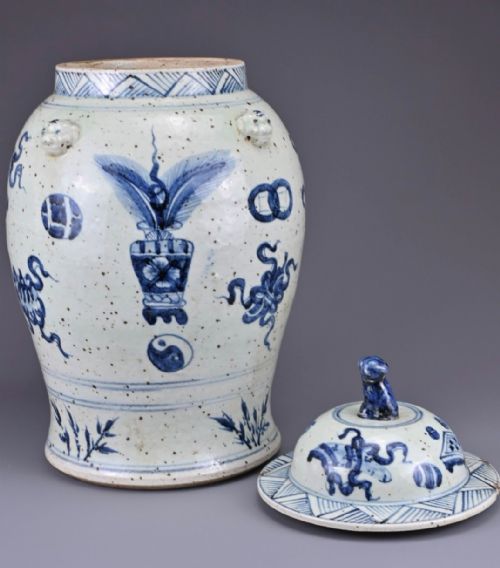
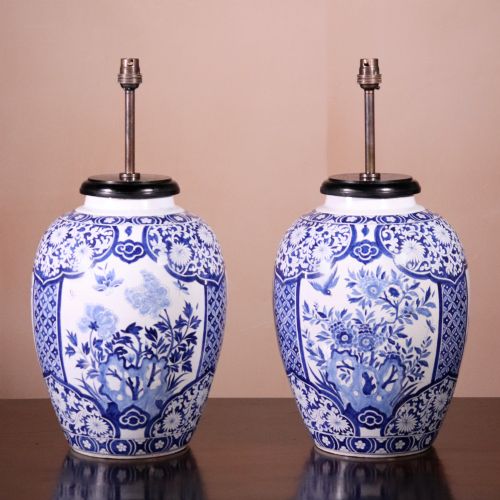
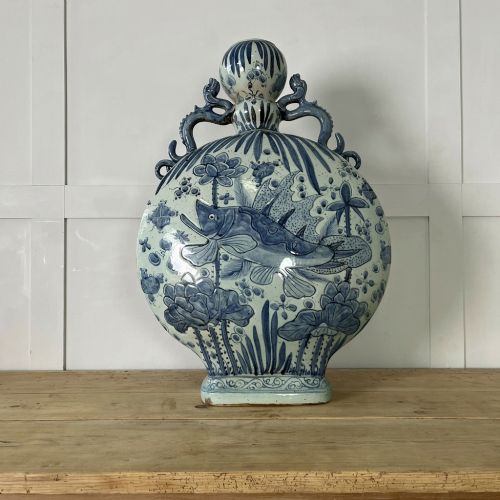
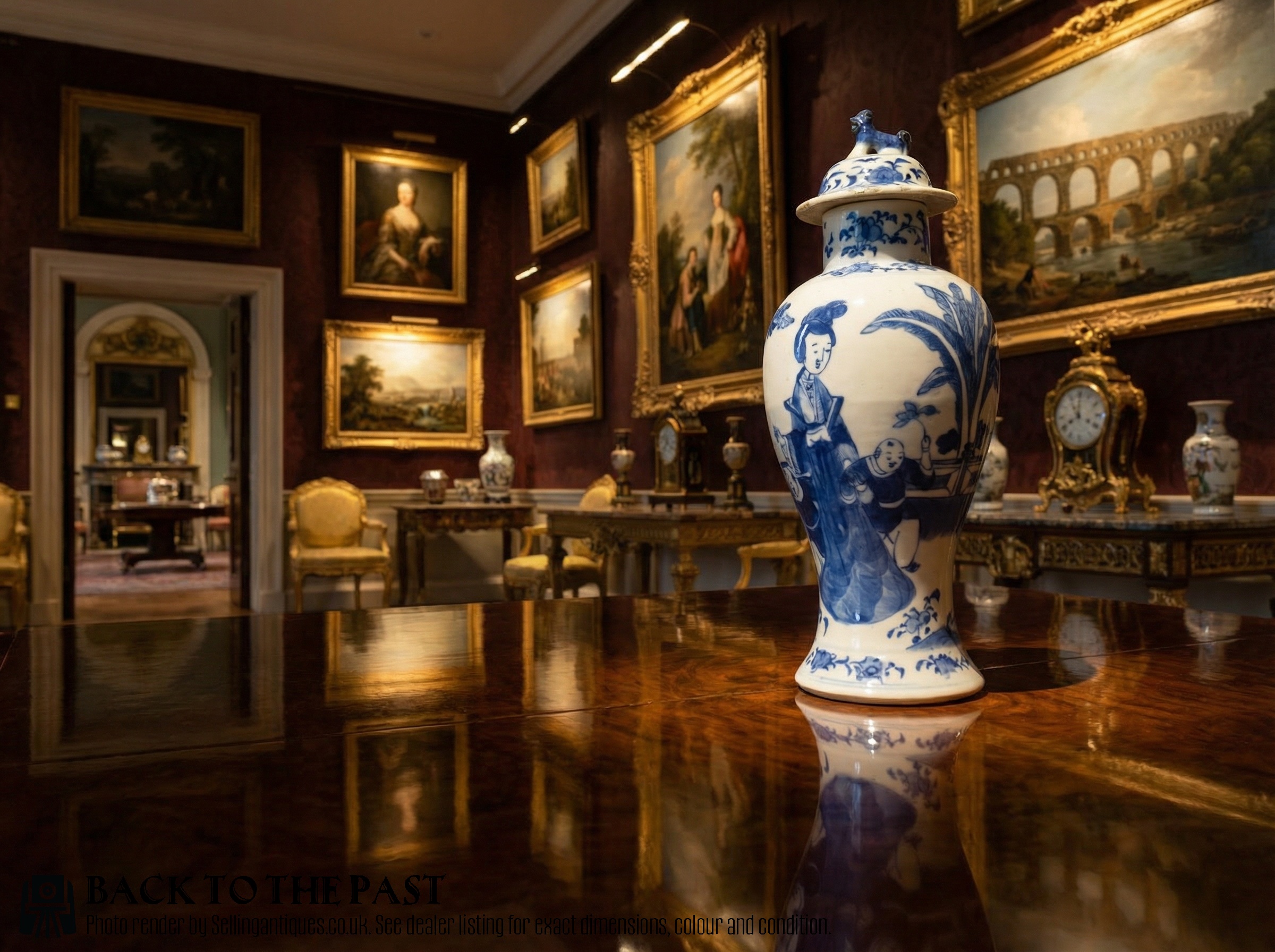
Traditional chinese porcelain spans domestic vessels, temple jars, and decorative objects originating from various imperial and export periods. These pieces include blue and white bottle vases, ginger jars, and large fish bowls spanning the eighteenth, nineteenth, and early twentieth centuries.
Vases and jars dominate the selections available, often featuring cobalt glaze decoration or polychrome enamels. Buyers frequently encounter nineteenth century blue and white specimens alongside later export adaptations mounted as table lamps.
Materials and Techniques
Potters shaped fine ceramic paste, applying underglaze blue cobalt or coloured enamels before high-temperature firing. Crackle glazes and celadon finishes also appear across the vessels, adding surface texture and distinct coloration.
Secondary materials such as carved wood, brass, and silk occasionally supplement lamps and containers. These combined elements reflect both traditional scholar aesthetics and later domestic adaptations.
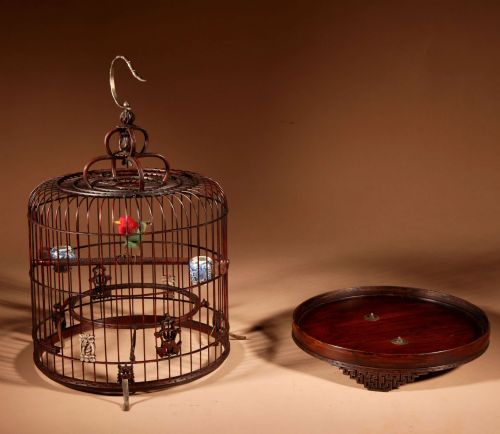
Among the ceramic vessels sits a solitary carved bamboo bird cage, proving that traditional craftsmen worked in more than just clay.
Quality and Execution
Pinnacle quality rests on the precision of the hand-painted motifs, such as five-clawed dragons or intricate floral panels, executed with steady brushwork and deep cobalt tones. Inferior examples display rushed detailing, muddy glazes, or poorly controlled firing temperatures.
The crispness of the porcelain body and the refinement of subsidiary potting details distinguish superior cabinet pieces from standard production wares. Glaze purity and the balance of the vessel form remain central to the assessment.
The Traditional Chinese Porcelain Glossary
- Celadon
- A pale green jade-like glaze applied to porcelain vessels. This finish achieves its distinctive tone through iron oxide in the reduction kiln firing.
- Famille Verte
- A polychrome enamel palette dominated by green hues. It decorates nineteenth-century porcelain alongside other oxide colours.
- Meiping
- A high-shouldered plum vase form with a narrow neck. Potters traditionally designed these vessels for single blossoming branches.
- Ginger Jar
- A broad-shouldered storage jar with a domed cover. Originally utilised for spices, these pieces frequently feature blue and white decoration.
Traditional Chinese Porcelain: Frequently Asked Questions
How do I date traditional chinese porcelain?
Dating relies on stylistic shifts in painting style, potting thickness, and base markings. Reign marks offer helpful guidance, though potters often added earlier marks as a tribute.
Examination of the glaze surface and foot ring provides further context for the period of manufacture.
Were these pieces made for export?
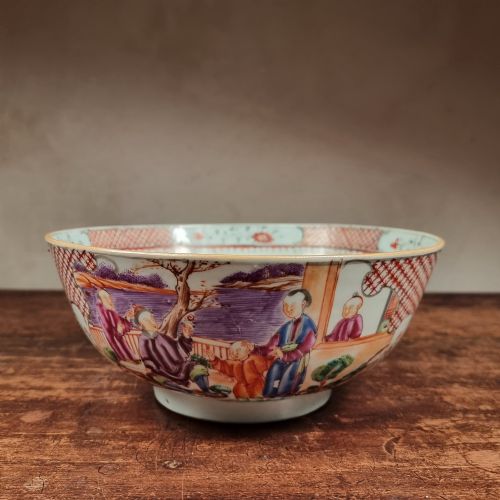
Many surviving vessels were produced specifically for Western export markets, adapting traditional motifs to European tastes. Canton and Rose Medallion wares represent prominent examples of this international trade.
Other objects reflect domestic imperial use before entering Western collections.
How should I care for antique porcelain?
Gentle dusting with a soft dry cloth preserves the glaze and any overlying enamel decoration. Avoid harsh cleaning agents or immersion in water, particularly for pieces with mounted metal or wooden components.
Stable display environments protect against accidental knocks.